
Amalgam Filling Replacement in Columbia, PA, serving Lancaster and York Counties
An amalgam filling may need repair or replacement if it is damaged or decay develops beneath it. An intact filling generally does not need removal solely because of its material or color; an exam can guide the decision.

When an Amalgam Filling Needs Repair or Replacement
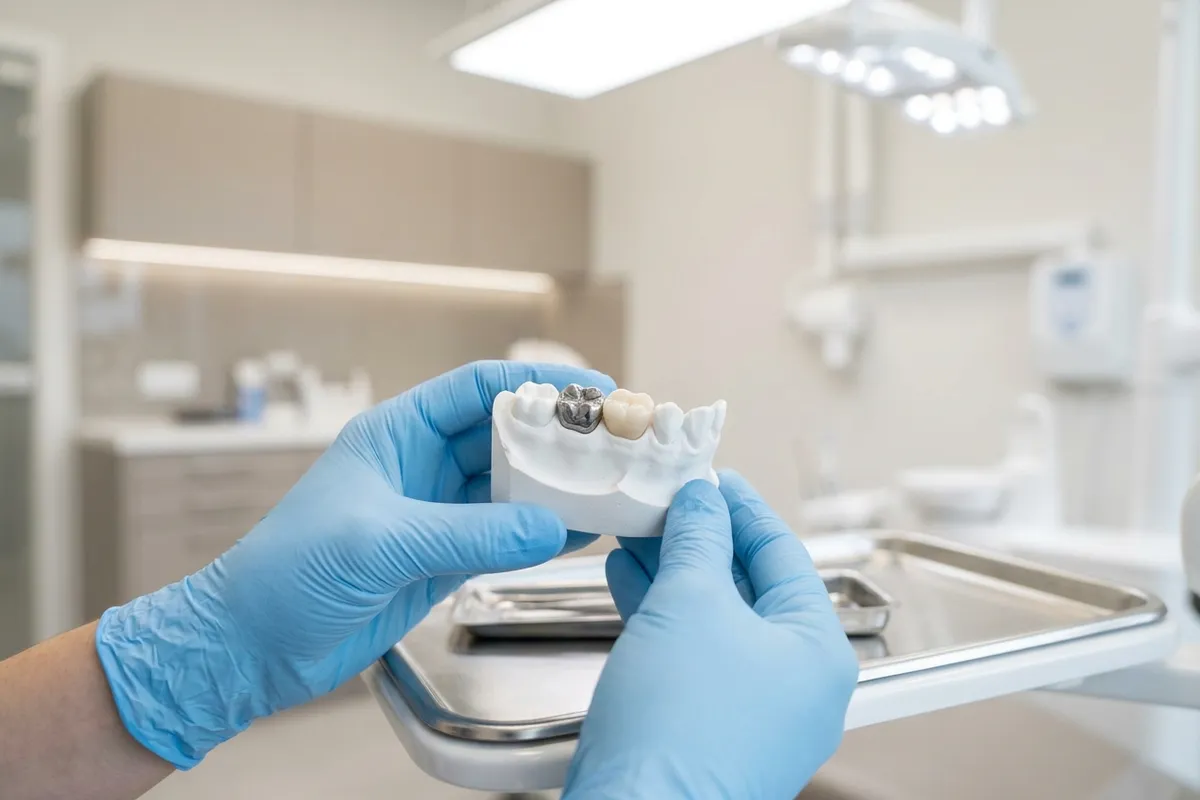
Replacing an amalgam filling is considered when the restoration is damaged, decay is present, or another clinical reason supports replacement. An intact filling generally does not need removal solely because it contains amalgam. Removing sound restorations can sacrifice healthy tooth structure, so the decision starts with an examination.
Replacing an amalgam filling means removing an existing restoration and fitting another material into the tooth. It is a treatment decision, not a detoxification procedure. Removal can also take away some remaining tooth structure and temporarily increase mercury exposure. An examination should establish a reason for replacement and whether repair or continued monitoring would preserve more of the tooth.
Why Replacement May Be Considered
A fractured filling, decay around its edges, or damage to the surrounding tooth may call for repair or replacement. The amount of remaining structure matters as much as the old material. Cosmetic preferences can be discussed, but they should be weighed against preparation, cost, and the possibility of additional treatment.
A fractured filling, recurrent decay, or a damaged tooth around the restoration may justify replacement. Dark color by itself does not show that a filling is failing. The dentist checks its edges, the tooth's symptoms, and relevant images. Ask whether the problem involves the restoration, the surrounding tooth, or both, since replacing the material alone may not address a deeper crack.
- Replacement may be appropriate when an amalgam filling is fractured, has decay around it, or no longer functions properly.
- An intact filling without underlying decay is not automatically safer to remove; removal can sacrifice healthy tooth structure and temporarily increase mercury exposure.
- Changing a visible metal filling is an elective preference in some cases and should be weighed against preparation and future maintenance.
Changes to Mention
Tell us about a rough edge, food catching, sensitivity, pain on biting, or part of a filling coming loose. These symptoms can have several causes. Let us know about relevant medical conditions or material sensitivities. A dark-looking margin alone does not establish that an otherwise intact filling needs removal.
Discuss pregnancy, nursing, kidney or neurological conditions, and any known material allergy when reviewing options. Those concerns deserve an individual conversation rather than an automatic recommendation to remove intact fillings. The amount of tooth left after removal also matters. A large restoration may need an onlay or crown instead of another filling if its supporting walls are too weakened.
- Describe a broken edge, new sensitivity, food trapping, or bite change so the assessment focuses on the filling's actual condition.
- Discuss pregnancy, nursing, kidney or neurological conditions, and known material allergies when comparing restorative materials and whether replacement is indicated.
- Ask how much tooth structure remains and whether a direct filling or a more protective restoration is suitable after removal.
When to Replace or Monitor
The dentist assesses whether treatment is needed now or the restoration can be reviewed at future visits. The FDA does not recommend removing sound amalgam fillings without decay or another clinical need. If replacement is advised, we explain the reason and the likely extent of work before you proceed.
Checking the Filling and the Tooth Beneath It
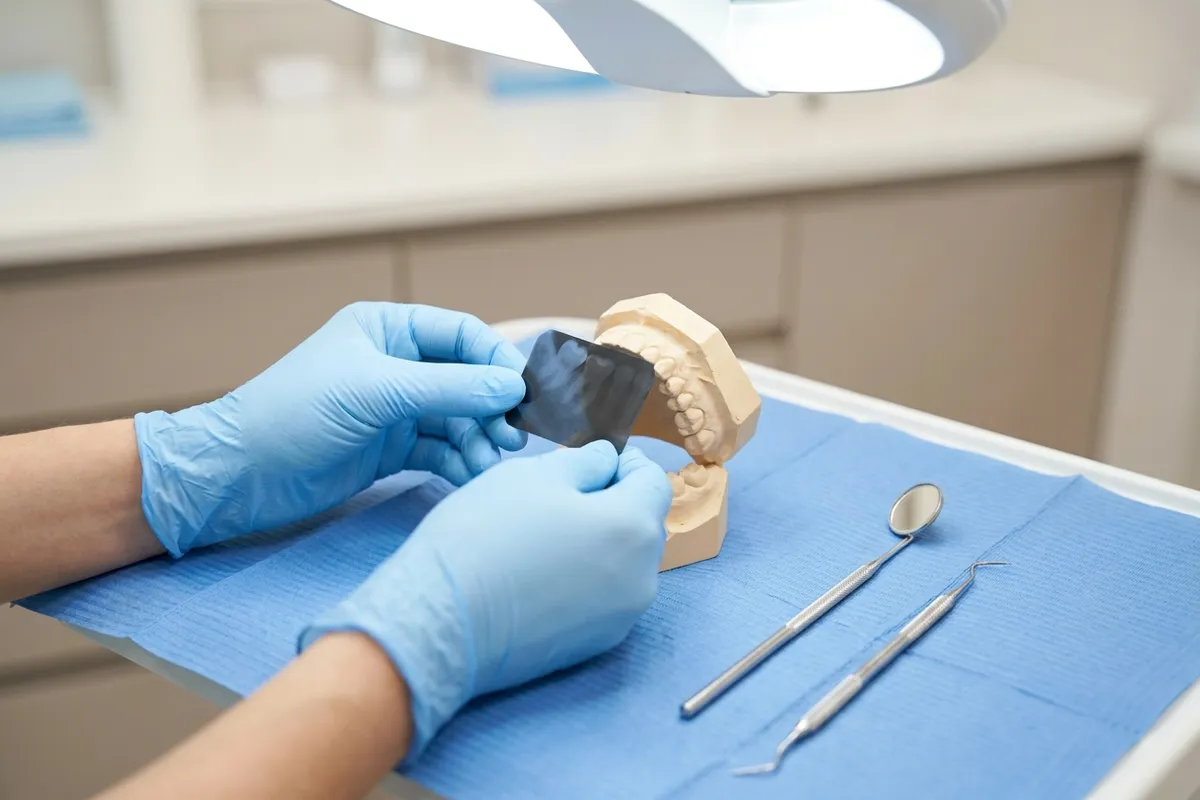
We examine the filling, tooth structure, bite, and surrounding tissues and review images when needed. The assessment looks for decay, cracks, and involvement of the nerve. These findings guide whether repair, a new filling, partial coverage, a crown, or another approach would best preserve a useful tooth.
- The dentist checks the existing restoration, surrounding tooth, bite, and selected images for decay or structural concerns before recommending replacement.
- Cooling, suction, and appropriate isolation are considered during removal, but no technique should be presented as eliminating all exposure or risk.
- Material choice follows tooth location, cavity size, remaining structure, and personal considerations rather than a promise of detoxification or improved general health.
Replacement Options and Process
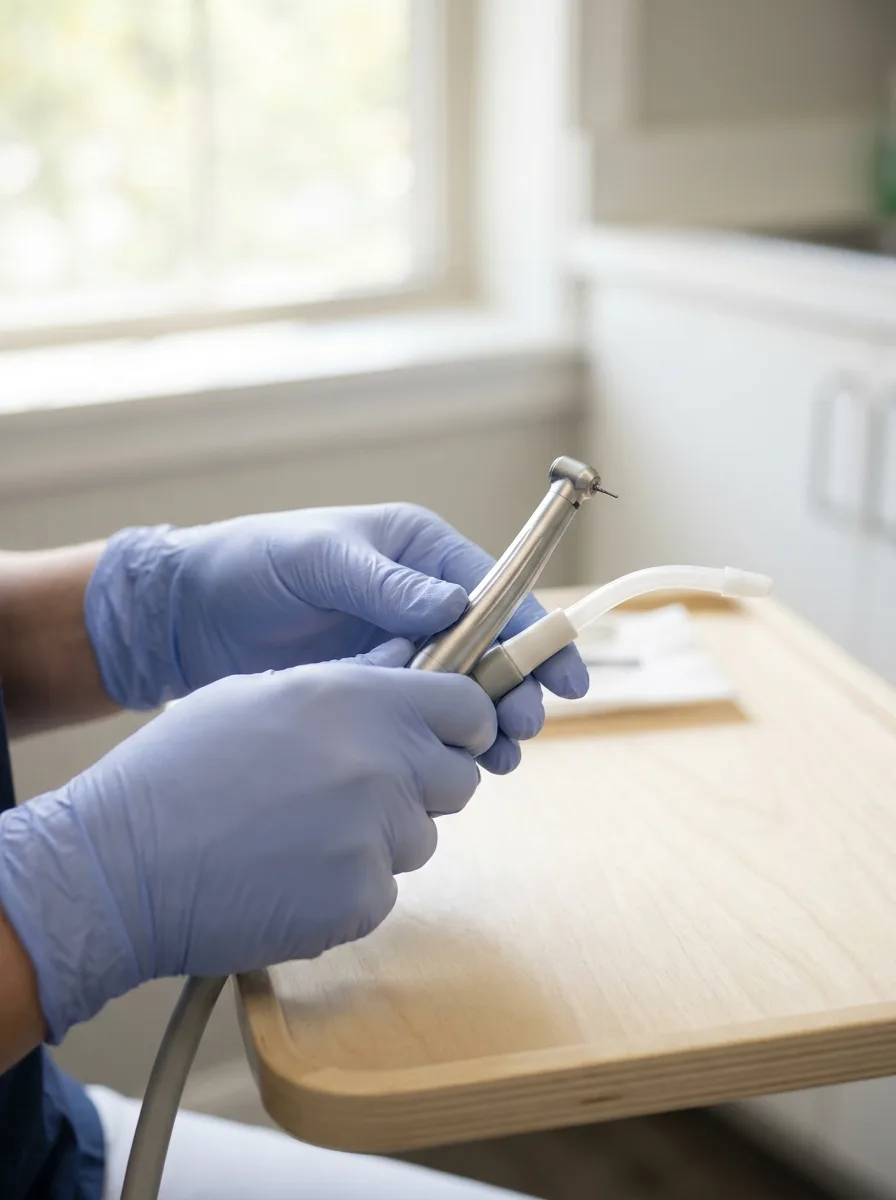
When appropriate, the old restoration and damaged material are removed with suitable dental equipment, and the tooth is restored. Composite resin is one possible replacement material, while larger defects may need a different design. We discuss isolation, comfort, and the final restoration rather than promise that changing material improves general health.
Where a limited repair is possible, it may avoid removing the whole restoration. When replacement is indicated, tooth-colored resin or another suitable restoration is chosen according to the damage and bite. Ask how the work will be carried out and whether additional treatment might be needed if hidden decay is found. Do not assume every old amalgam must be replaced together.
Aftercare and Maintenance
Temporary sensitivity can follow replacement. Contact us about a bite that feels high, worsening pain, or a loose restoration. Continue daily cleaning and examinations because decay can develop around new fillings too. Future repair or replacement may be needed, and longevity depends on the tooth, restoration, and your habits.
After replacement, follow the instructions for the new restoration and wait for numbness to resolve before chewing. Note any persistent change in the bite or sensitivity that worsens. Keep cleaning along the new margins and attend checks for the tooth as well as the material. Replacing a silver filling does not make the tooth immune to future decay or fracture.
- Follow the aftercare for the replacement material and wait for numbness to resolve before chewing normally on the treated tooth.
- Report persistent sensitivity, a high bite, or a fractured edge so the repair can be reviewed and adjusted if needed.
- Continue prevention and examination of the replacement margins; changing the material does not eliminate future decay or restoration wear.
How it works
How a filling is replaced
One visit, a tooth that looks like a tooth again.
 1
We check the filling
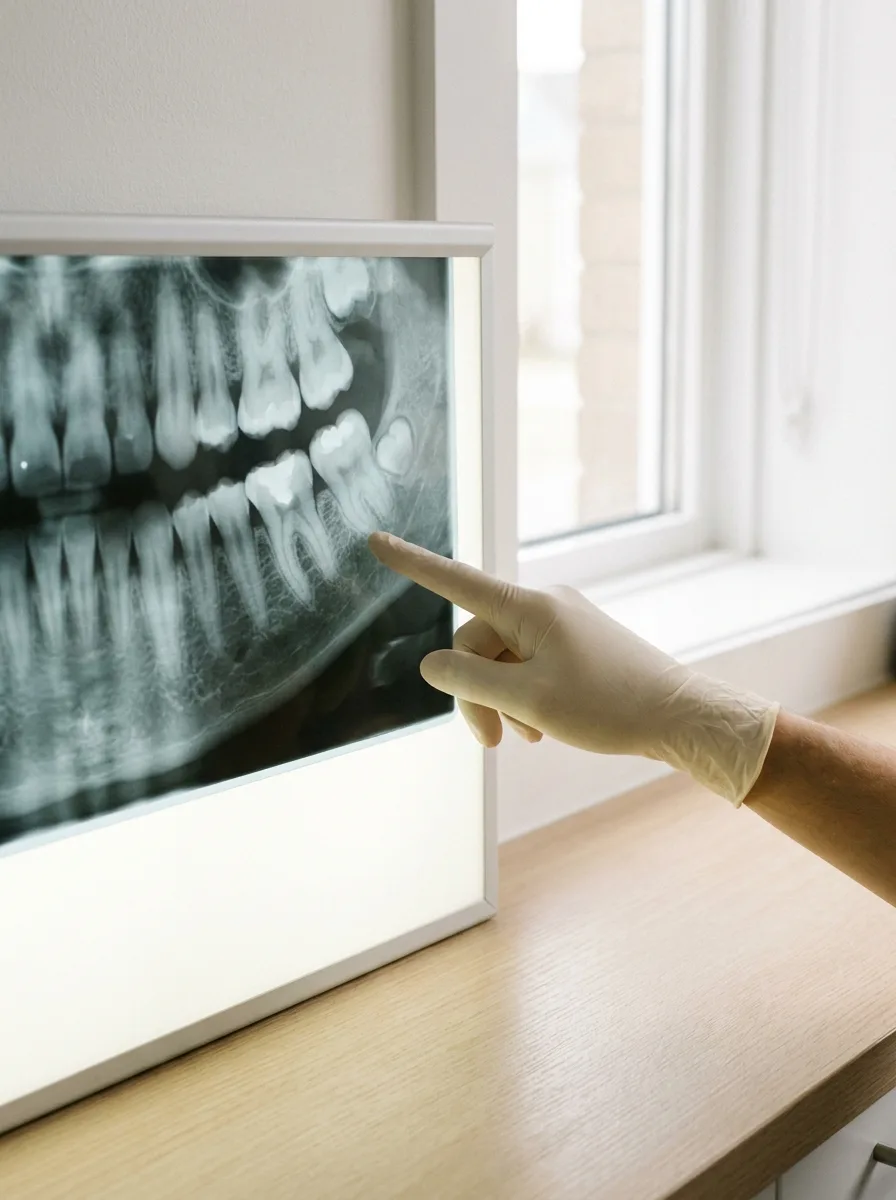
An exam and an X-ray show whether the filling still protects the tooth.
 2
The old filling comes out
The tooth is numbed, and the old filling and any decay are removed.
 3
The new filling goes in
A tooth-coloured filling is placed, shaped and polished.
Services
Other services
Everything we do, under one roof.



Questions
Frequently Asked Questions
Questions about an old filling? Ask us
About us
Why families choose Happy Smiles
At the same address in Columbia for over fifty years — started by Dr. Brockley, then Dr. Qilin Xu.
Fifty years, one address
543 Locust St has been the practice's home the whole time.
A dentist who knows you
Dr. Xu holds degrees in medicine and dentistry — the same doctor at every visit.
Routine to emergency
Exams and cleanings, fillings, dentures and veneers, whitening — and emergency care when something cannot wait.

Visit us
We're waiting for you in Columbia
543 Locust St
Columbia, PA 17512
- Monday – Thursday
- 8:00AM – 5:00PM