Dental Hygiene in Columbia, PA, serving Lancaster and York Counties
At Happy Smiles at Columbia, thorough cleaning helps restore your teeth and keep your smile. Dr. Qilin Xu provides dental hygiene services to help you maintain good oral health and prevent future dental problems.

Professional Cleaning and Daily Plaque Control
Dental hygiene care removes plaque and hardened tartar and helps you maintain cleaner teeth between visits. Professional instruments reach deposits that brushing cannot remove. The appointment also offers practical guidance on brushing, interdental cleaning, and care around restorations or appliances. The type of cleaning depends on the condition of your gums and any existing periodontal disease.
Professional hygiene care combines removal of plaque and tartar with instruction for keeping those deposits under control. Instruments reach hardened buildup that a toothbrush cannot remove; home care manages the soft plaque that reforms afterward. The areas cleaned and the techniques used depend on gum findings. A hygiene visit can support oral health without being the same as periodontal treatment.
Why Personalized Guidance Matters
There is no single toothbrush, flossing tool, or routine that suits everyone. Crowded teeth, limited dexterity, dry mouth, and dental work can change what is practical. Reviewing your technique helps identify small adjustments that make daily care more effective without making it unnecessarily complicated.
Deposits often collect behind lower front teeth, near the gumline, and around dental work where cleaning is difficult. Inflamed gums may bleed when brushed, which can make patients avoid the very area that needs care. A hygiene assessment helps distinguish technique problems and accessible tartar from deeper disease that needs an examination and a different treatment approach.
- Plaque can accumulate where brushing misses the gumline or crowded spaces, making technique as important as the product you choose.
- Cleaning between teeth removes material a toothbrush may not reach; floss, interdental brushes, or other tools fit different spaces and needs.
- Frequent sugary drinks or snacks can increase cavity risk even when a daily brushing routine appears otherwise consistent.
Questions to Bring to Your Visit
Ask about bleeding when you clean between teeth, sensitivity, persistent bad breath, or difficulty reaching particular areas. Bring the products you use or describe your current routine. Questions about children’s oral care, sports protection, retainers, dentures, and cosmetic treatment can also guide the conversation.
Tell the team which brushes, floss, or interdental tools you currently use and where your routine breaks down. Crowded teeth, bridges, and limited hand movement can make an otherwise good technique ineffective in certain areas. Sensitive roots may also change how cleaning feels. Practical advice should match the surfaces you need to reach and the tools you can manage.
- Describe difficulty gripping a toothbrush, reaching back teeth, or cleaning around a bridge so recommendations fit your actual abilities.
- Tell us which toothpaste, mouthrinse, and interdental tools you currently use, particularly if a product stings or causes irritation.
- If you help a child or dependent adult, ask for a demonstration that matches their age, cooperation, and care needs.
When to Review Your Routine
Home care should be reviewed at preventive visits and whenever your dental needs change. New restorations, orthodontic treatment, gum disease, or medications that cause dry mouth may require different strategies. You do not need to wait for a problem to ask for a demonstration or clarification.
Assessing Deposits and Your Cleaning Routine
We look at plaque patterns, gum health, cavity history, and the places you find difficult to clean. Your daily schedule and physical limitations matter as well. Understanding those details lets us recommend a realistic routine and choose priorities rather than giving you a long, generic list.
- Plaque patterns and gum findings can show where the routine needs adjustment without requiring you to replace every product at once.
- Review dry mouth, medicines, and snack patterns because prevention may require more than improving the mechanical cleaning technique.
- Ask how to clean under bridges, around implants, or beside orthodontic appliances; ordinary brushing may leave those areas inadequately cleaned.
Learning and Prevention Options
We can demonstrate brushing and interdental cleaning, discuss fluoride products, and explain how diet affects cavity risk. Instructions may include cleaning around bridges or implants and caring for removable appliances. Treatment information helps you compare options and prepare questions before choosing a procedure.
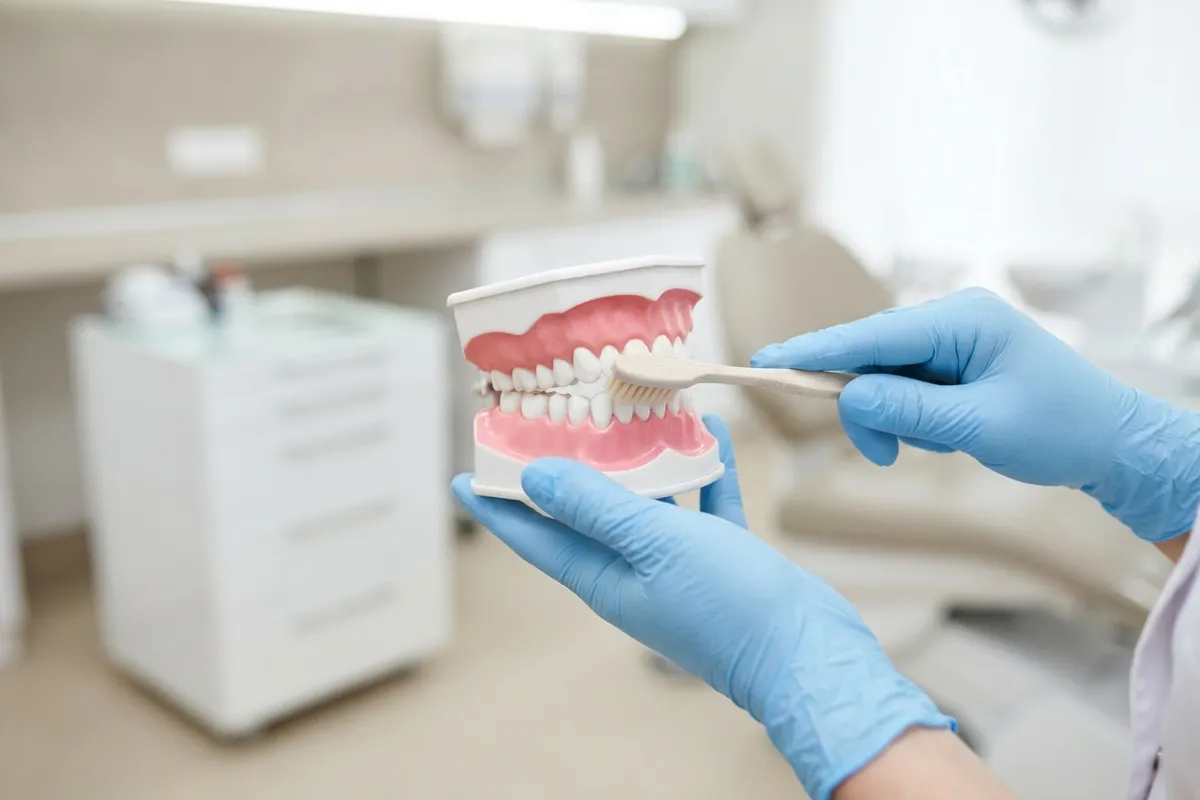
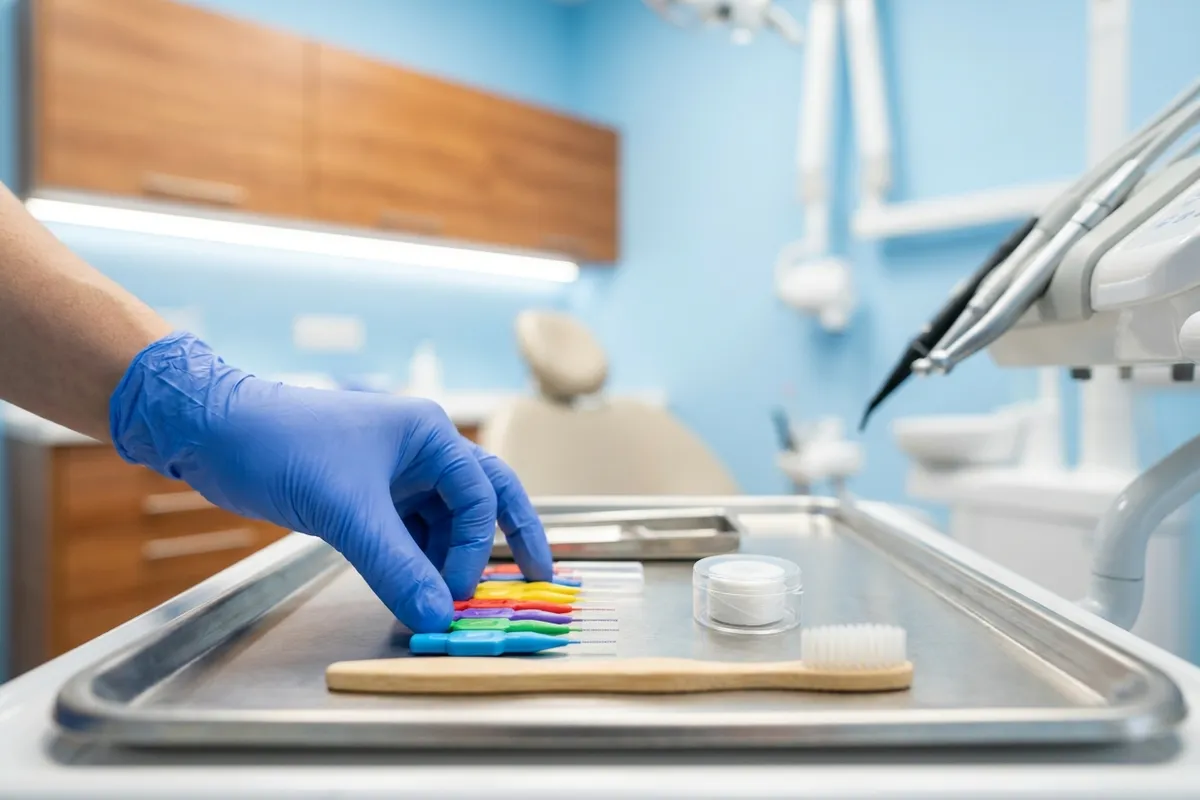
The clinician can demonstrate how to angle a brush at your gumline and select an interdental aid for the spaces between your teeth. Floss, small brushes, and other aids have different uses; the most useful choice is one that fits safely and can be used consistently. A recommendation for deeper cleaning should explain which gum findings make routine hygiene care insufficient.
Putting Advice into Practice
Start with the changes agreed during your visit and ask if an instruction is unclear. Bring feedback to the next appointment so we can adjust what is not working. Education supports preventive care, but persistent pain, swelling, bleeding, or a nonhealing sore should be examined rather than managed with home advice alone.
After a hygiene appointment, practice the technique shown on the specific areas that collected deposits. Keep cleaning gently rather than scrubbing harder to remove every stain. Report persistent bleeding, a sore area, or sensitivity that prevents you from following the plan. These details help the team adjust your method or assess whether another cause needs treatment.
- Brush twice daily with fluoride toothpaste and follow the interdental routine agreed for your teeth, gums, and appliances.
- For young children, use the advised age-appropriate toothpaste amount and supervise brushing so they do not routinely swallow it.
- Persistent bleeding, bad breath, sensitivity, or a nonhealing sore should prompt an examination rather than repeated changes to home products alone.
How it works
How a hygiene visit works
A clean that reaches what brushing cannot.
 1
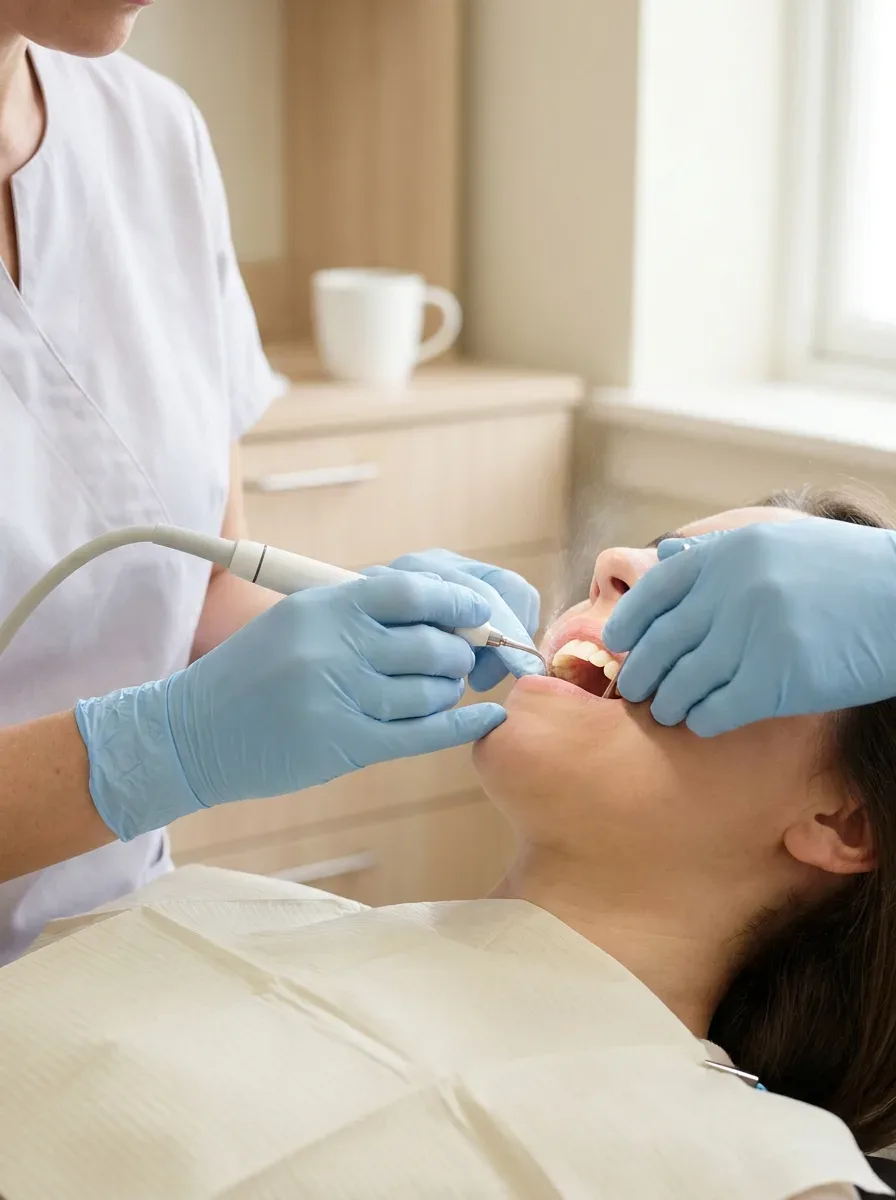
Plaque and tartar come off
Hardened tartar cannot be brushed away; it is removed with instruments made for it.
 2
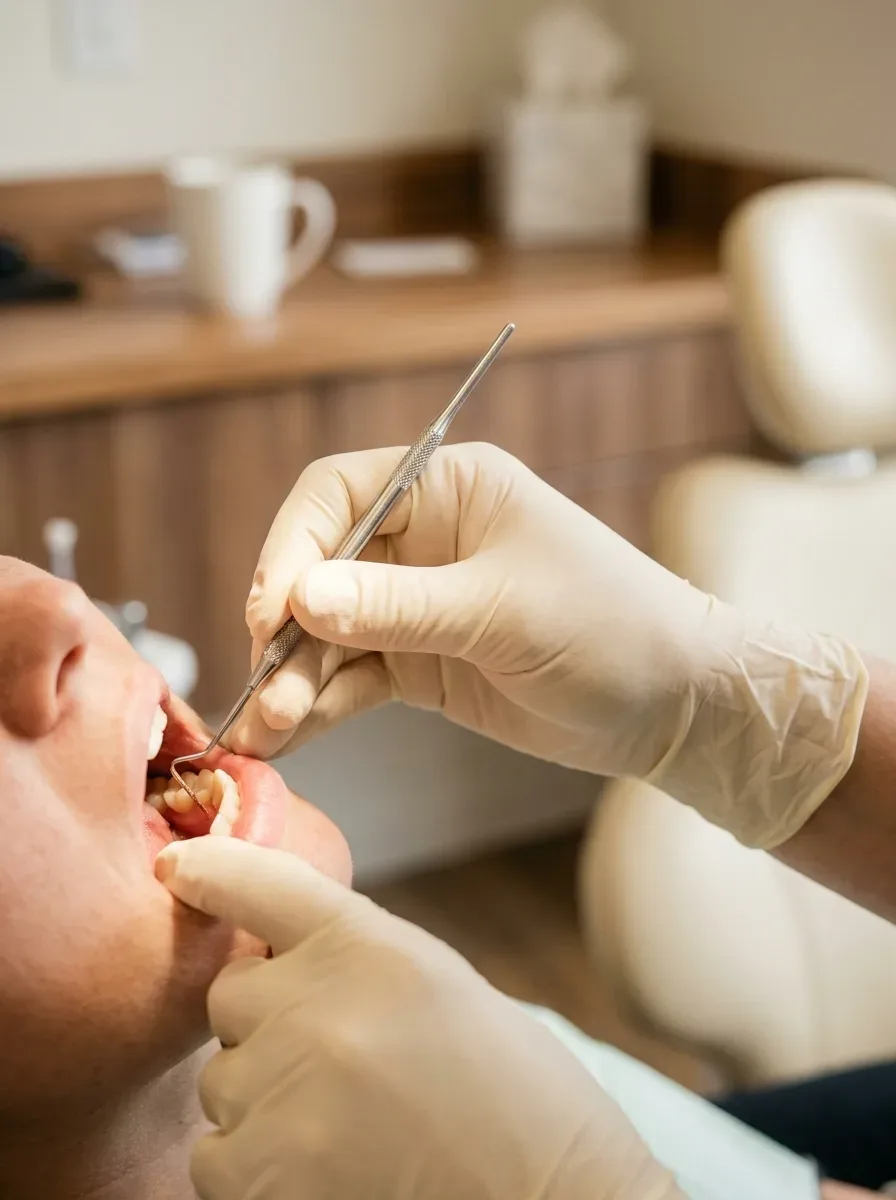
Below the gumline
The surfaces under the gum edge are cleaned, where gum trouble tends to start.
 3
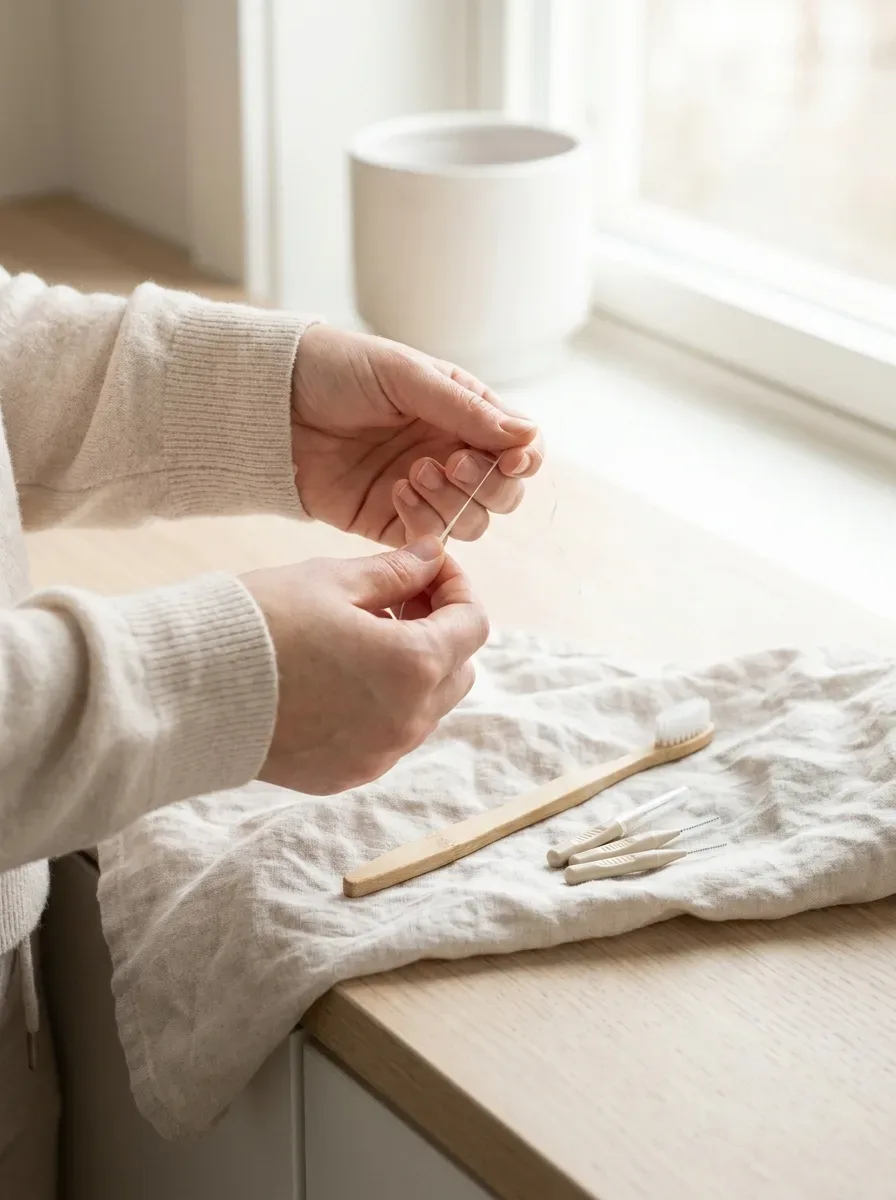
Home care that holds
You leave knowing what to do between visits, and when to come back.
Services
Other services
Everything we do, under one roof.

Questions
Frequently Asked Questions
Questions about dental hygiene? Ask us
About us
Why families choose Happy Smiles
At the same address in Columbia for over fifty years — started by Dr. Brockley, then Dr. Qilin Xu.
Fifty years, one address
543 Locust St has been the practice's home the whole time.
A dentist who knows you
Dr. Xu holds degrees in medicine and dentistry — the same doctor at every visit.
Routine to emergency
Exams and cleanings, fillings, dentures and veneers, whitening — and emergency care when something cannot wait.

Visit us
We're waiting for you in Columbia
543 Locust St
Columbia, PA 17512
- Monday – Thursday
- 8:00AM – 5:00PM