
Oral Surgery in Columbia, PA, serving Lancaster and York Counties
Oral surgery includes procedures involving teeth, gums, or jawbone that require more than routine restorative care. The exact treatment, anesthesia, recovery instructions, and need for a specialist depend on your diagnosis and health.

Understanding the Oral Surgery Recommended for You
Oral surgery includes selected procedures involving teeth, gums, or jawbone that need more than routine restorative care. An extraction, graft, or another surgical plan starts with a diagnosis. The exact procedure, comfort measures, and need for specialist involvement depend on your condition and medical history.
Oral surgery is a category of care, so the consultation should name the actual procedure and the tissue or tooth it addresses. An extraction, graft, and other surgical intervention are not interchangeable. The diagnosis determines the technique, anesthesia discussion, and recovery plan. Ask whether the work will be performed by the treating dentist or requires referral before arranging the procedure.
Why Surgery May Be Recommended
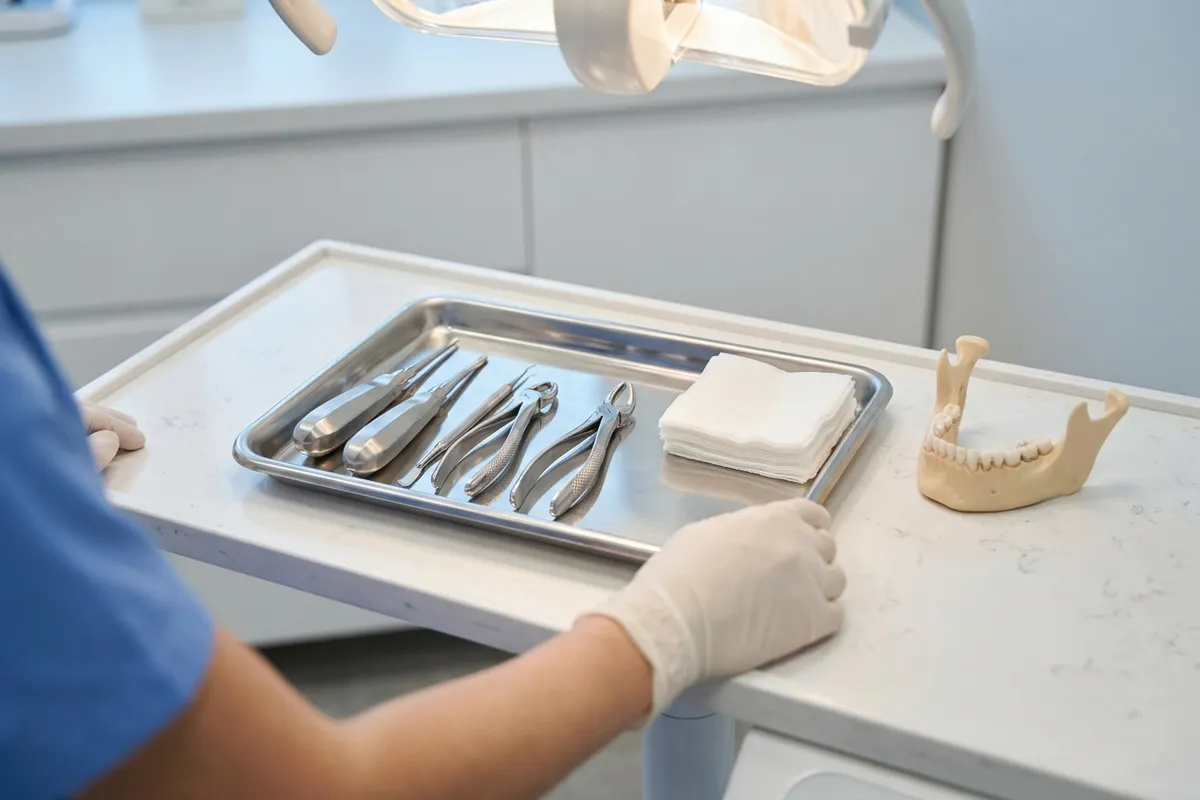
A tooth that cannot be restored, an impacted tooth, or a deficient site for later replacement may require surgical care. Different problems call for different techniques. We explain what the procedure is intended to achieve and whether conservative treatment, monitoring, or another option should be considered before surgery.
Surgery may be considered when a problem cannot be managed adequately through routine restorative or nonsurgical care. An examination establishes whether an intervention is necessary, how urgent it is, and what monitoring would involve if that is reasonable. Symptoms alone do not identify the operation needed. The surgeon should connect the proposed procedure to your diagnosis and explain its intended benefit.
- An unrestorable tooth or complex root position can require surgical care beyond the steps used for a straightforward extraction.
- Selected bone procedures may prepare a site for future replacement rather than treating an immediate pain complaint.
- The decision should identify the actual diagnosis and purpose of surgery, including whether monitoring or a conservative option is reasonable.
Concerns to Bring to Assessment
Describe pain, swelling, injury, jaw symptoms, and previous treatment. Bring details of medical conditions, medications, allergies, and past anesthesia or healing problems. Rapidly spreading swelling, uncontrolled bleeding, or difficulty breathing or swallowing needs urgent medical attention rather than waiting for a routine surgical consultation.
The medical review needs to include prescribed medicines, supplements, allergies, bleeding history, and previous problems with anesthesia or healing. The relevant factors vary with the operation and comfort measures proposed. Do not assume instructions from an earlier extraction apply to a different surgery. Ask which health issues need coordination with another clinician and what preparation is required for your case.
- Describe swelling, injury, recurring infection, or a broken tooth, and bring information about previous procedures in the area.
- Share your complete medication list, allergies, medical conditions, and past anesthesia or bleeding problems before planning the appointment.
- Ask whether the proposed procedure needs specialist facilities or referral and how subsequent restorative care will be coordinated.
Planning and Preparation
Scheduling depends on urgency and the proposed procedure. You may need imaging, medical coordination, or a specialist assessment before treatment. Follow the preparation instructions for your specific plan; fasting and transport needs depend on anesthesia arrangements. Do not stop prescribed medicines on your own.
Defining the Procedure and Reviewing Surgical Risks
The dentist examines the affected area, reviews health history, and uses appropriate images to understand roots, bone, and nearby structures. We discuss the diagnosis, treatment choices, risks, and anticipated stages. Referral is explained when the case requires a specialist or facilities suited to the planned care.
- Examination and appropriate imaging establish the location and relationship to adjacent teeth, bone, nerves, or other structures when relevant.
- Discuss the exact procedure, reasonable alternatives, site-specific risks, and whether a temporary tooth or appliance is part of the plan.
- Clarify anesthesia arrangements, preparation, transport needs, and whom to contact after surgery; these depend on your actual treatment plan.
Procedures and Comfort Options
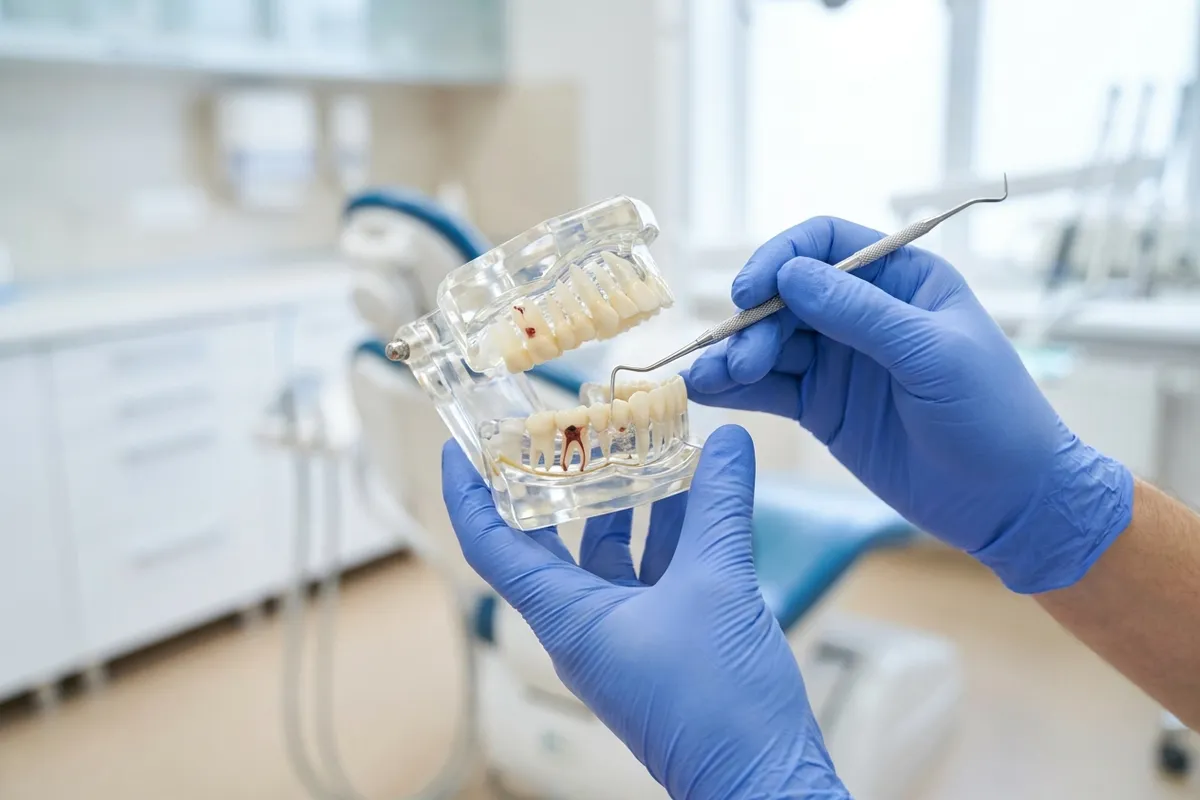
The technique follows the diagnosis, and local anesthesia or other appropriate comfort measures are discussed beforehand. Sedation is not assumed for every procedure or patient. We explain the planned work, any temporary arrangements, and what should happen next so that you can prepare for the day and recovery period.
Discuss the alternatives to the named operation, the expected stages, and the possibility of referral for more complex anatomy or care needs. Local anesthesia, sedation, and general anesthesia have different requirements and are not all provided in every setting. Fasting, an escort, and driving restrictions depend on the agreed plan. Obtain the actual instructions before making arrangements for the day.
Recovery and Follow-Up
Written instructions address cleaning, food, activity, and medicines for the procedure performed. Keep the scheduled reviews and contact the treating clinician for worsening symptoms or concerns about healing. Persistent bleeding, fever, or spreading swelling needs prompt attention. The next stage of care may depend on an examination of the healed site.
Use the recovery instructions for your particular operation, including wound cleaning, diet, activity, and any medication directions. Know who to contact during recovery and when a review is planned. Report symptoms that worsen or differ from what you were told to expect. Uncontrolled bleeding or rapidly increasing swelling needs urgent attention; difficulty breathing or swallowing requires immediate emergency medical care.
- Follow written instructions on bleeding control, food, cleaning, activity, and medicines, and avoid improvising changes based on another person's recovery.
- Keep scheduled reviews so stitches, healing, and readiness for any later treatment can be assessed by the treating clinician.
- Seek prompt advice for worsening pain, fever, or persistent bleeding, and emergency medical care for breathing or swallowing difficulty.
How it works
How we prepare you
No surprises, before or after.
 1
We examine and plan
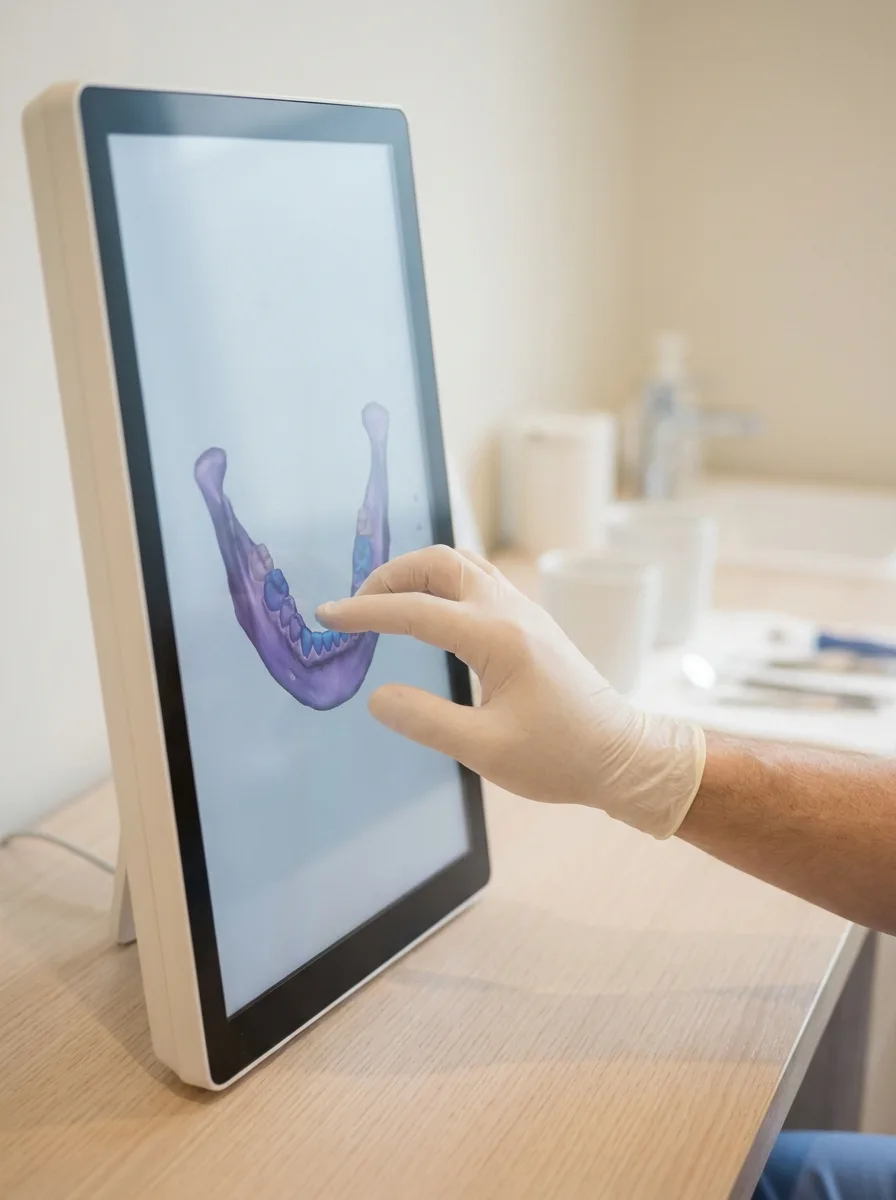
An exam and imaging, when needed, help define the procedure and whether a specialist should be involved.
 2
We explain
You hear the plan, the alternatives and the recovery in plain words.
 3
We follow up
You leave with aftercare instructions and a number to call.
Services
Other services
Everything we do, under one roof.









Questions
Frequently Asked Questions
Facing a procedure? Ask us
About us
Why families choose Happy Smiles
At the same address in Columbia for over fifty years — started by Dr. Brockley, then Dr. Qilin Xu.
Fifty years, one address
543 Locust St has been the practice's home the whole time.
A dentist who knows you
Dr. Xu holds degrees in medicine and dentistry — the same doctor at every visit.
Routine to emergency
Exams and cleanings, fillings, dentures and veneers, whitening — and emergency care when something cannot wait.

Visit us
We're waiting for you in Columbia
543 Locust St
Columbia, PA 17512
- Monday – Thursday
- 8:00AM – 5:00PM