
Clear Aligners in Columbia, PA, serving Lancaster and York Counties
Clear aligners are removable trays that move teeth through a planned series. An exam determines whether they can address your spacing or bite concern and what wear schedule and follow-up your plan requires.

How a Series of Clear Trays Moves Teeth
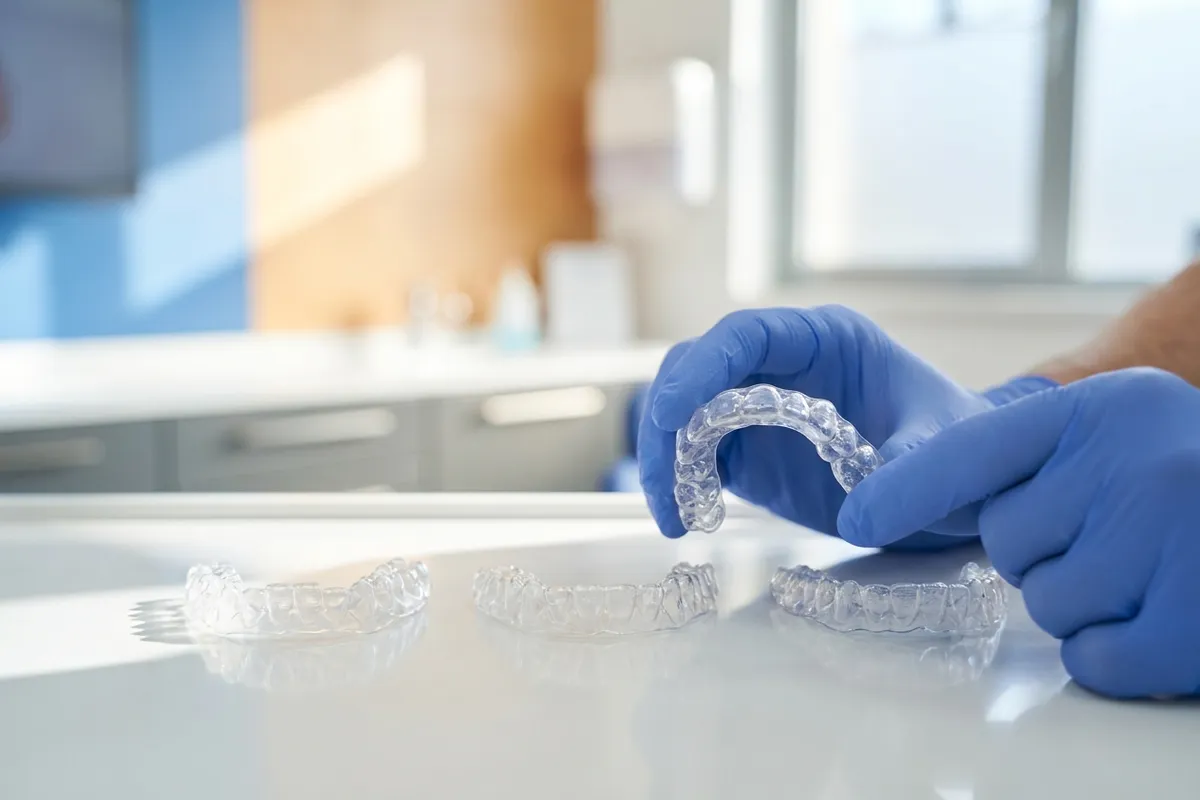
Clear aligners are removable trays that move teeth through a planned sequence. Each set produces selected changes, with monitoring throughout treatment. They may suit some crowding, spacing, and bite concerns, but not every movement is appropriate for aligners. Suitability starts with an examination and a discussion of your goals.
Each tray is made for a particular stage, with a shape designed to guide selected tooth movements. The series works only when the trays are worn and changed according to the plan. Some treatments use bonded attachments or other aids. A digital sequence is a planning tool; actual tooth response and tray fit need clinical review rather than being assumed from the preview.
Why Aligners May Be Considered
Patients often value a less noticeable appliance and the ability to remove trays for meals and hygiene. The approach can also fit selected restorative plans that need tooth movement first. These advantages depend on consistent wear; an aligner plan should address your bite and health rather than appearance alone.
Aligners may be considered for certain crowding, spacing, and bite concerns when the movements are suitable. Their removable design can make eating and cleaning easier, but also creates daily responsibility for wear. If trays are left out frequently, the planned progression can be disrupted. Discuss whether the convenience of removal fits your routine and whether another appliance offers a more suitable approach.
- Removable trays can offer a discreet approach for selected crowding, spacing, or bite concerns when the planned movements are suitable.
- Removing trays for meals and cleaning can be convenient, but the benefit depends on putting them back and meeting the prescribed wear schedule.
- Some movements need attachments or additional techniques, while others may be more appropriate for fixed appliances or specialist care.
Who May Be a Candidate
Healthy gums and teeth and the ability to follow wear instructions are important. Tell us about previous orthodontics, jaw symptoms, and existing restorations. Attachments or other techniques may be needed, and some cases are better treated with fixed appliances or specialist care. Different brands do not make every case interchangeable.
The clinician checks gum and root health, existing restorations, and the type of movement needed. Some teeth or bite problems are harder to manage with trays alone. You must also be able to insert, remove, and clean the aligners reliably. Mention frequent snacking, travel, or other routines that may reduce wear so the plan reflects your practical circumstances.
- Tell us about gum disease, previous orthodontics, missing teeth, and restorations so the plan accounts for the support available for movement.
- Discuss your routine honestly: frequent snacking, travel, or difficulty wearing trays consistently may affect whether removable treatment is practical.
- Ask which system is proposed and why it fits your case; instructions and treatment capabilities should not be assumed identical across brands.
Timing and Daily Wear
The prescribed wear schedule and change intervals depend on the system and your plan. Treatment time varies with the movements and how teeth respond. Allow for possible refinements and review visits. Removing trays frequently or changing them without instructions can interfere with progress, and retainers are usually needed after movement ends.
Checking Whether Your Teeth Can Be Moved with Aligners
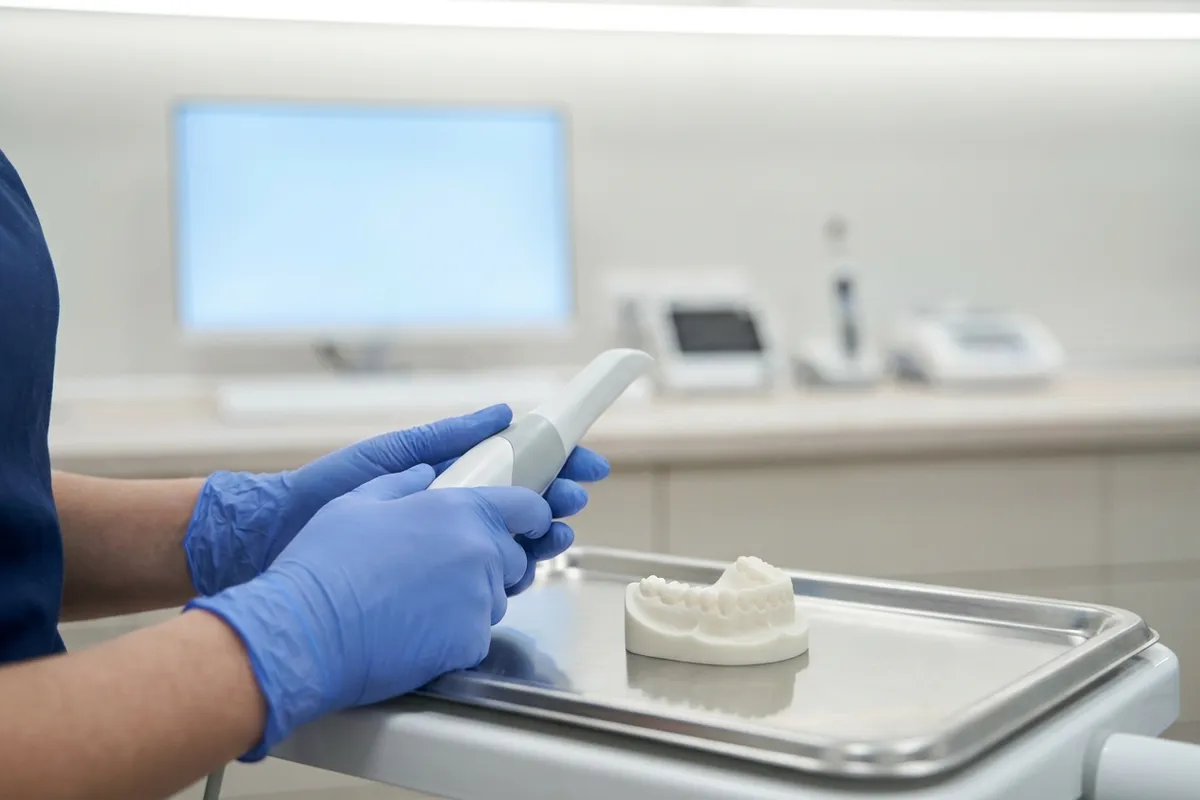
We assess teeth, gums, and the bite and collect photographs, scans or models, and appropriate images. The proposed sequence helps explain what movement is planned and its limits. We compare suitable systems and other options and discuss whether additional dental care or specialist input is needed first.
- Scans or models and other records support planning, while examination confirms gum health, bite relationships, and the feasibility of proposed movement.
- Clarify whether attachments, limited space-making between teeth, or other steps are included and what their purpose is in your plan.
- Review visits check whether teeth track with the trays; additional aligners or plan changes may be needed rather than forcing a poorly fitting set.
What Treatment Involves
You wear a series of trays and change them as directed. Tooth-colored attachments or other steps may help achieve certain movements. Reviews check fit, oral hygiene, and progress; additional trays may be needed. Remove the aligners for meals and follow the product-specific cleaning instructions given by the treating team.
Treatment may include attachments, carefully planned space creation, or other measures when indicated. Ask what is included, how often progress is reviewed, and what happens if a tray stops fitting. Additional records or trays may be needed if the response differs from the plan. Braces or a combined approach remain possible alternatives for movements that are less suitable for aligners alone.
Aftercare and Retainers
Temporary pressure may occur with a new tray. Report significant pain, rubbing that does not settle, or poor fit rather than forcing wear or changing the schedule yourself. At the end of active treatment, retainers help preserve tooth position. Continue hygiene and follow-up because teeth can move again over time.
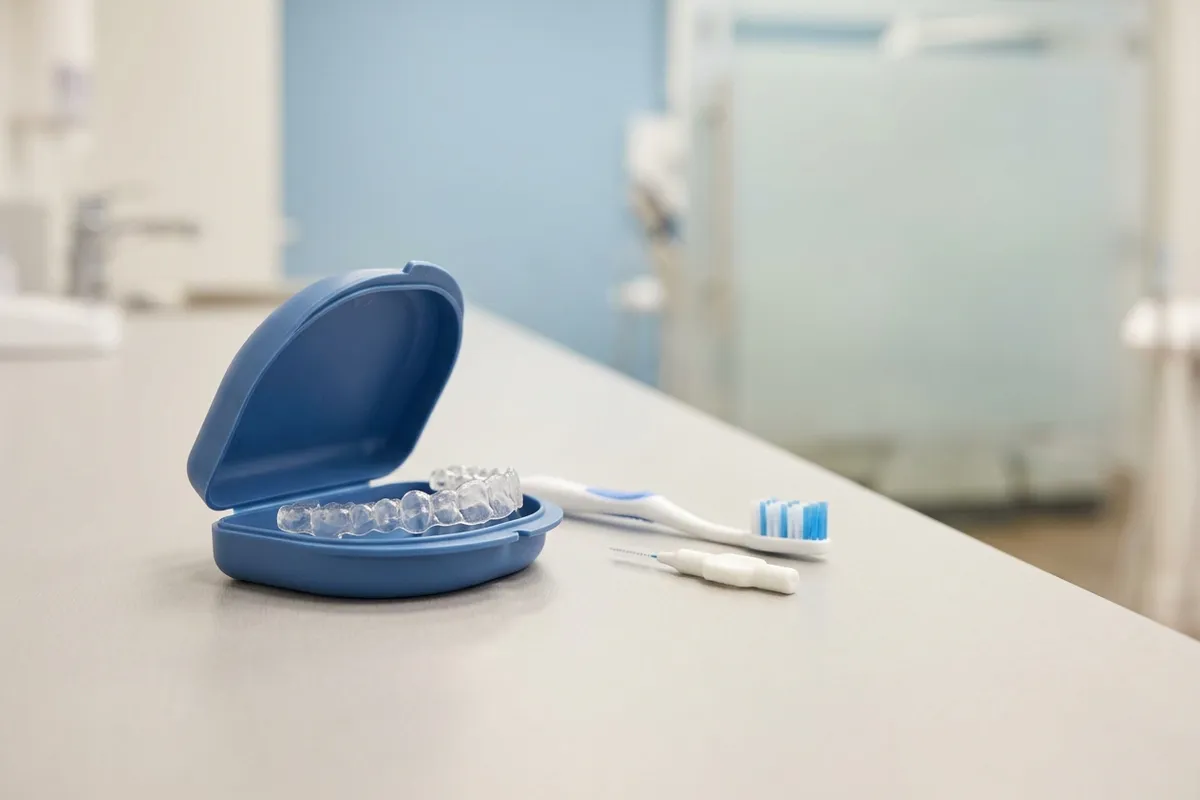
Remove and clean the trays as instructed, clean your teeth before reinserting them, and store them safely during meals. Avoid hot water that can distort the material. Contact the team about a lost tray, broken attachment, or persistent gap between the aligner and a tooth. Do not advance independently when fit is wrong. After movement is completed, use the prescribed retainers.
- Remove trays for meals and follow instructions for drinks, brushing, and appliance cleaning before replacing them.
- Contact the team about a lost tray, damaged attachment, persistent rubbing, or poor fit before changing the sequence independently.
- Plan for retainers after active alignment; finishing the last movement tray does not eliminate the need for ongoing retention.
How it works
How aligners work
A series of small steps to a straighter smile.
 1
We take records
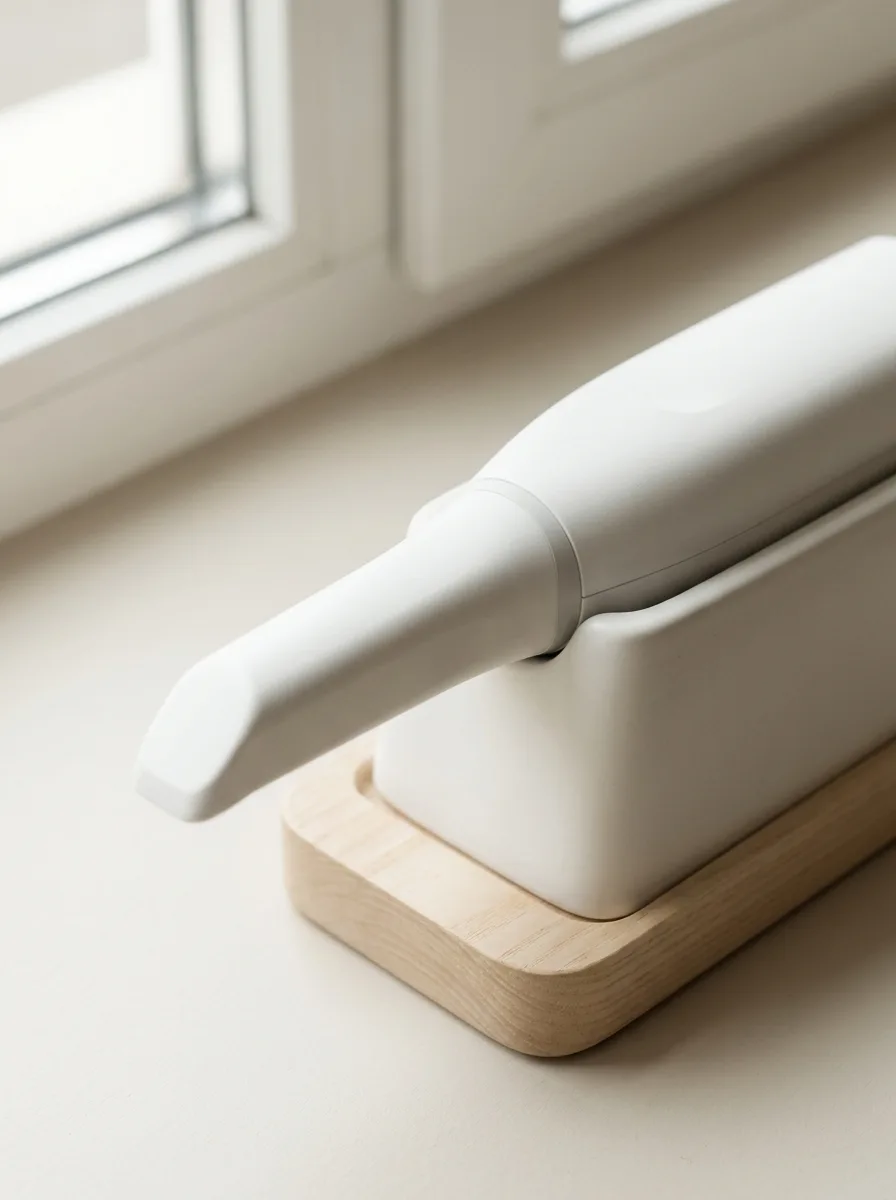
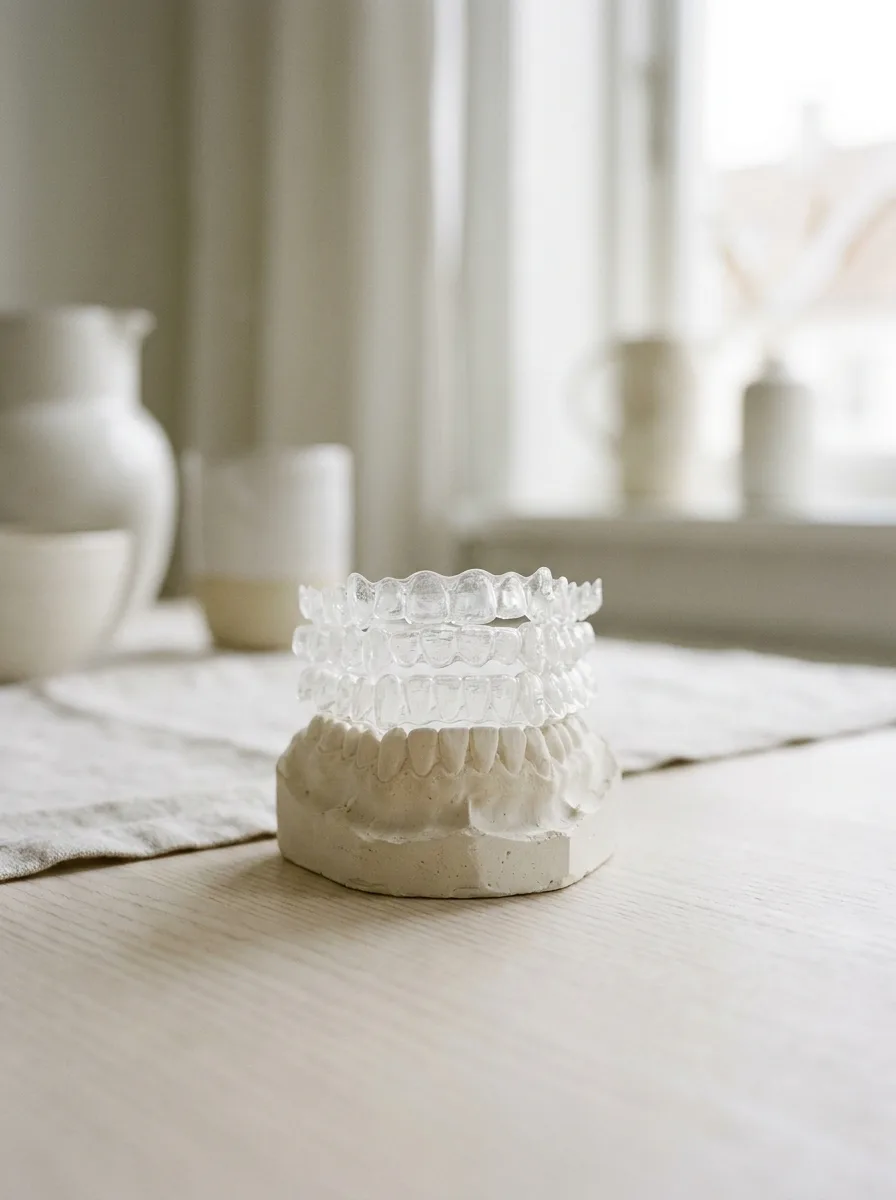
An exam and impressions or scans of your teeth.
 2
Your aligners are made
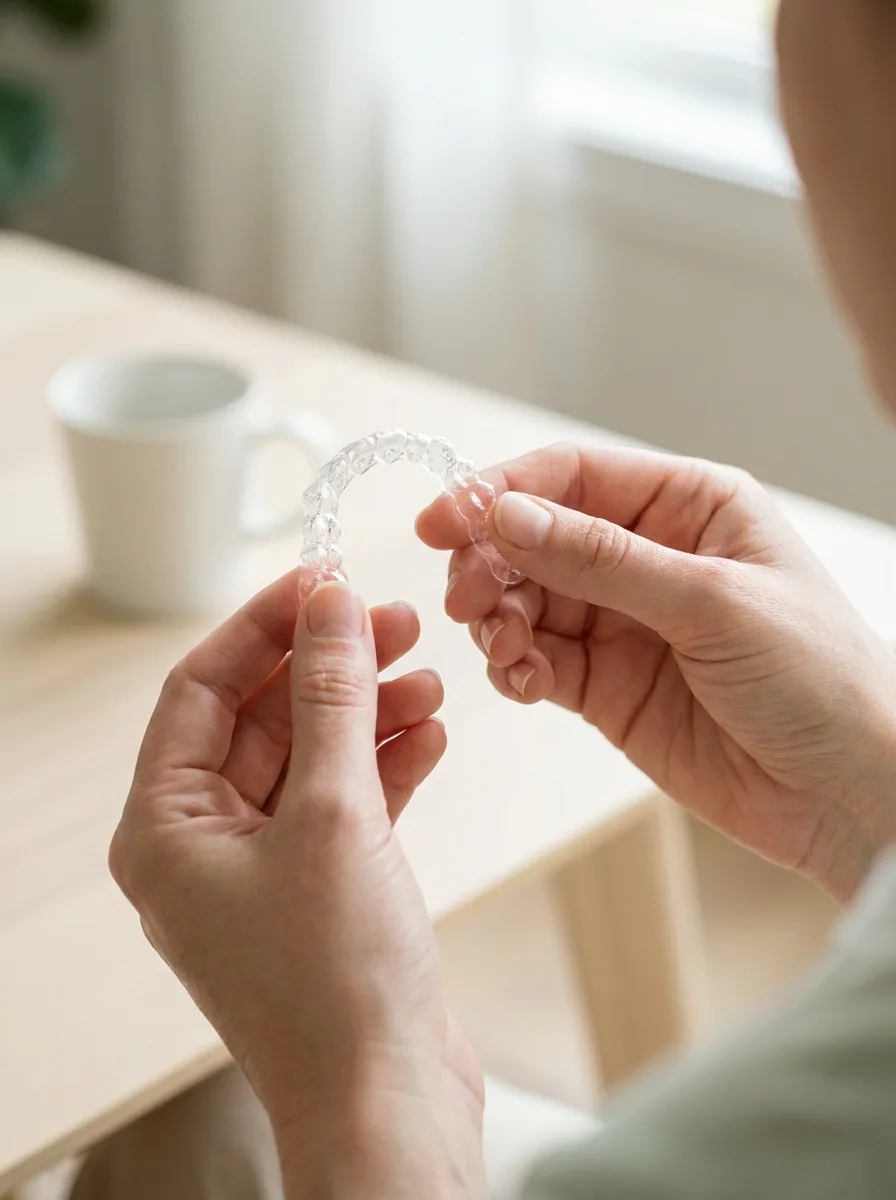
A series of trays is made to move your teeth step by step.
 3
You change trays
Change trays on the schedule prescribed for your plan, with check-ups to confirm progress.
Services
Other services
Everything we do, under one roof.

Questions
Frequently Asked Questions
Curious about aligners? Ask us
About us
Why families choose Happy Smiles
At the same address in Columbia for over fifty years — started by Dr. Brockley, then Dr. Qilin Xu.
Fifty years, one address
543 Locust St has been the practice's home the whole time.
A dentist who knows you
Dr. Xu holds degrees in medicine and dentistry — the same doctor at every visit.
Routine to emergency
Exams and cleanings, fillings, dentures and veneers, whitening — and emergency care when something cannot wait.

Visit us
We're waiting for you in Columbia
543 Locust St
Columbia, PA 17512
- Monday – Thursday
- 8:00AM – 5:00PM