Cosmetic Dentistry in Columbia, PA, serving Lancaster and York Counties
Cosmetic dentistry improves the colour, shape and evenness of your teeth. We start with what bothers you and suggest the simplest treatment that fixes it.
Matching Cosmetic Treatments to Your Smile Goals
Cosmetic dentistry considers changes to tooth color, shape, spacing, and the appearance of the smile. Options can include whitening, bonding, veneers, or selected restorative and alignment care. The right choice starts with healthy teeth and gums and may be a single conservative change rather than a complete smile makeover.
Cosmetic care starts by identifying the feature you want to change: shade, a chipped edge, tooth proportions, or visible spacing. Each points to different options. Whitening changes suitable natural tooth color, bonding can add material, and alignment treatment moves teeth. A useful consultation explains which feature each option addresses and whether it would require permanent alteration of healthy tooth structure.
Why Cosmetic Planning Matters
A concern about appearance can have several causes, and different treatments change different features. Whitening will not change tooth shape or lighten existing restorations, while alignment moves teeth rather than covering them. Considering the cause and your priorities helps avoid unnecessary preparation and choose an option that fits the concern.
A small appearance concern may be managed with a limited treatment instead of several restorations. However, visible wear or repeated chips can also reflect forces that need assessment before cosmetic repair. Explain when the change started and what bothers you in daily life. Treating the cause where possible helps avoid a plan based solely on covering the visible result.
- Discoloration, small chips, worn edges, and uneven tooth positions are different concerns and do not all require the same procedure.
- Changing tooth color alone may be enough for some goals, while shape or position concerns can call for other approaches.
- Restoring a damaged visible tooth may have both functional and appearance benefits, but the diagnosis should guide the extent of treatment.
Goals to Discuss
Bring specific concerns such as chipped edges, uneven color, small gaps, or dissatisfaction with existing dental work. Photos can help explain your preferences, but another person’s smile is not a blueprint for your mouth. We discuss what is achievable with your teeth, bite, facial features, and maintenance expectations.
Suitability includes the health of the teeth and gums and the relationship between the desired result and your bite. Tell the dentist about grinding, sensitivity, old restorations, and previous cosmetic work. Different materials respond differently to whitening and wear. The plan should account for existing work and cleaning access, rather than choosing a shade or shape without considering the surrounding teeth.
- Explain the feature that bothers you and whether you prefer a subtle change, a brighter shade, or correction of a specific defect.
- Mention existing crowns, veneers, and fillings because their shade and shape may need separate planning from changes to natural teeth.
- Discuss sensitivity, grinding, gum concerns, and willingness to maintain restorations before choosing an elective procedure with lasting preparation.
When to Plan Cosmetic Care
Active decay, gum disease, and structural concerns are assessed before elective changes. Whitening or alignment may need to happen before choosing a restoration shade or shape. Discuss your schedule and desired changes early, while allowing the clinical sequence and any healing periods to guide the timing.
Assessing Tooth Color, Shape, and Bite Before Cosmetic Care
We assess teeth, gums, the bite, existing restorations, and your goals for appearance and function. Photographs and appropriate records can support the discussion. We explain how individual treatments would fit together, what can be previewed, and where biological or material limits affect the proposed result.
- The examination separates healthy cosmetic concerns from decay, structural damage, or gum disease that should be addressed first.
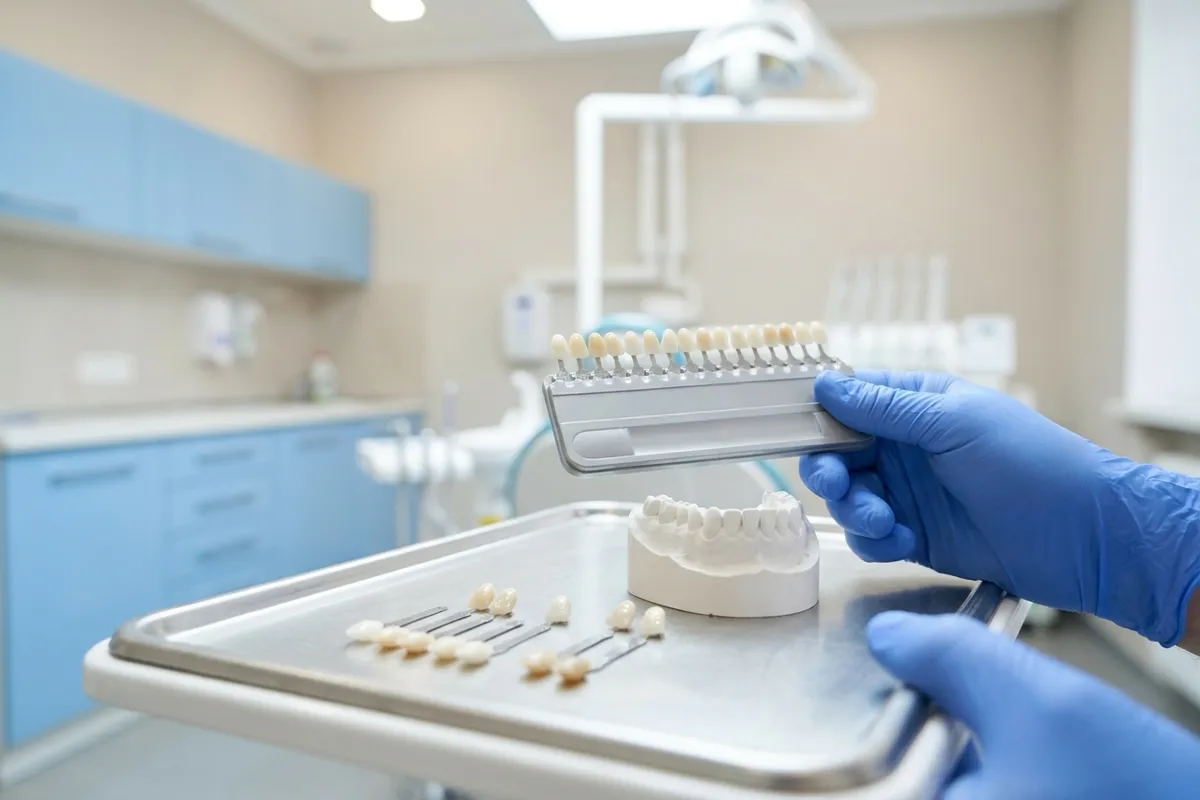
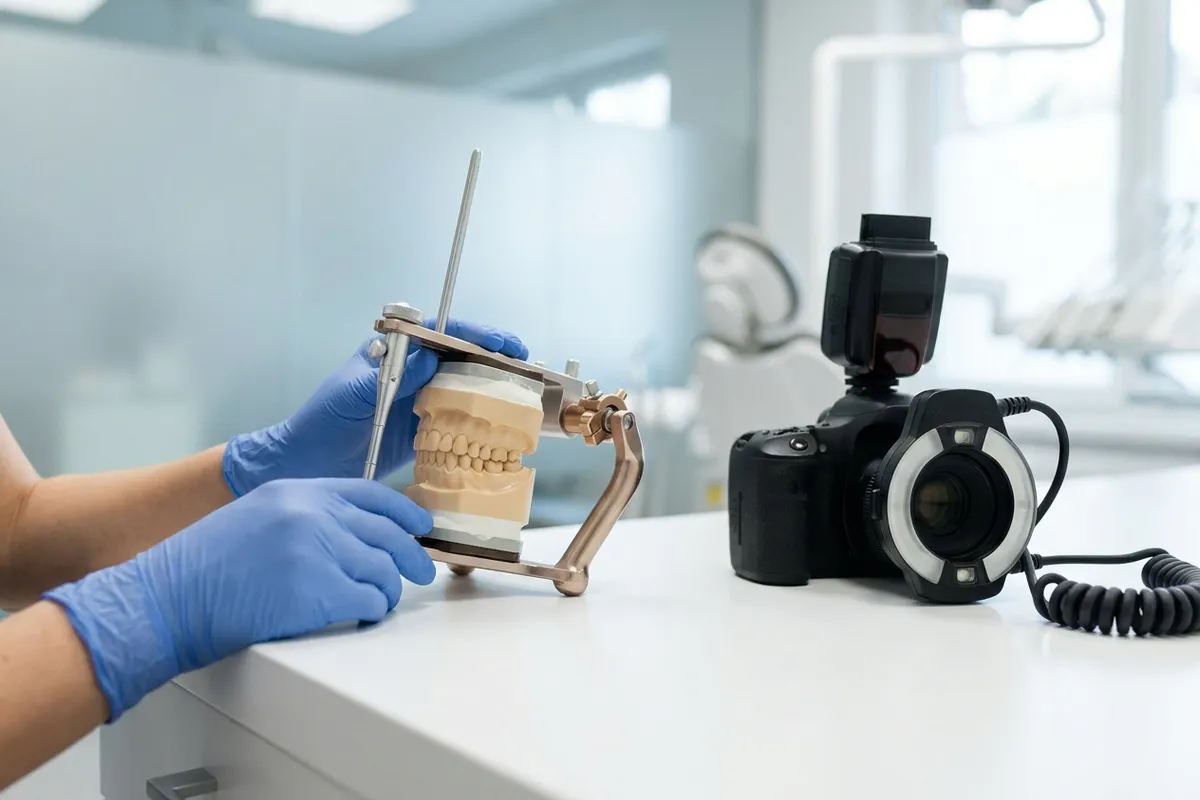
- Records and shade comparisons help explain options, while bite assessment identifies forces that could affect bonding or restorations.
- Ask what the proposed procedure can change, what it cannot change, and how much natural tooth structure it will involve.
Treatment Options and Tradeoffs
Whitening changes suitable natural tooth color; bonding and veneers can change shape; aligners move teeth; and restorations repair damaged areas. These choices differ in tooth preparation, reversibility, cost, and future maintenance. We compare combinations and explain the most conservative options that could meet your goals.
Ask to compare the least invasive suitable choice with options involving more preparation. Leaving a healthy feature unchanged is also a choice. A limited bond, whitening course, veneer, or orthodontic plan has different maintenance and repair requirements. Discuss the treatment sequence, especially when a color change should be considered before choosing the shade of a new restoration.
Caring for Your New Smile
Follow the instructions for each treatment and keep regular examinations and cleanings. Retainers or protective appliances may be recommended when appropriate. Cosmetic dental work can stain, wear, or need repair over time. Report persistent sensitivity, a high bite, or a loose restoration instead of waiting for the next routine visit.
After cosmetic treatment, maintenance follows the procedure received: whitening may need a shade review, while bonded edges or veneers need checks for wear and damage. Continue preventive visits and report a rough surface or changed bite. Avoid using teeth as tools. If you later want another appearance change, review the existing materials and remaining tooth structure before beginning more work.
- Follow the specific instructions for whitening, bonding, restorations, or alignment rather than assuming all cosmetic treatments share one aftercare routine.
- Keep preventive care and cleaning around restoration margins; cosmetic improvement does not remove the risk of cavities or gum inflammation.
- Report persistent sensitivity, a damaged edge, or an uncomfortable bite, and review maintenance or future repair needs at follow-up visits.
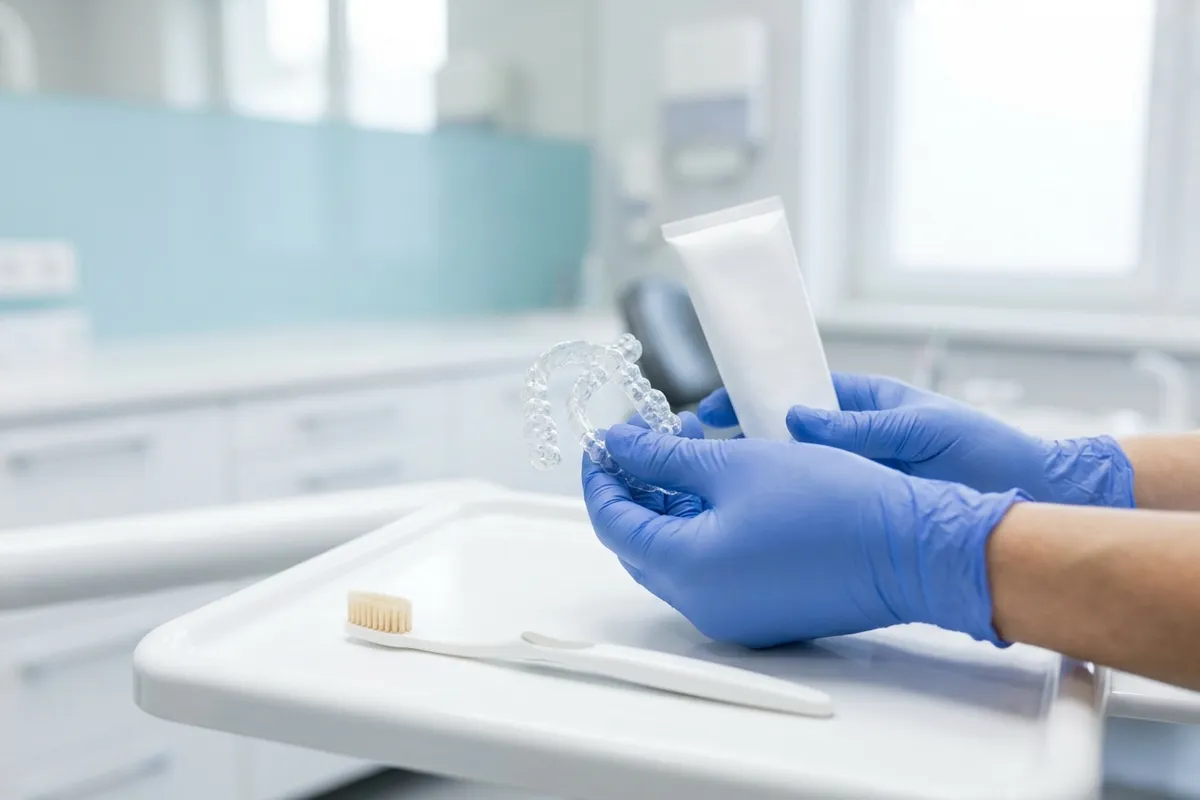
How it works
How we plan your smile
Your goals first, then the simplest way there.
 1
We listen
You tell us what you would like to change about your smile.
 2
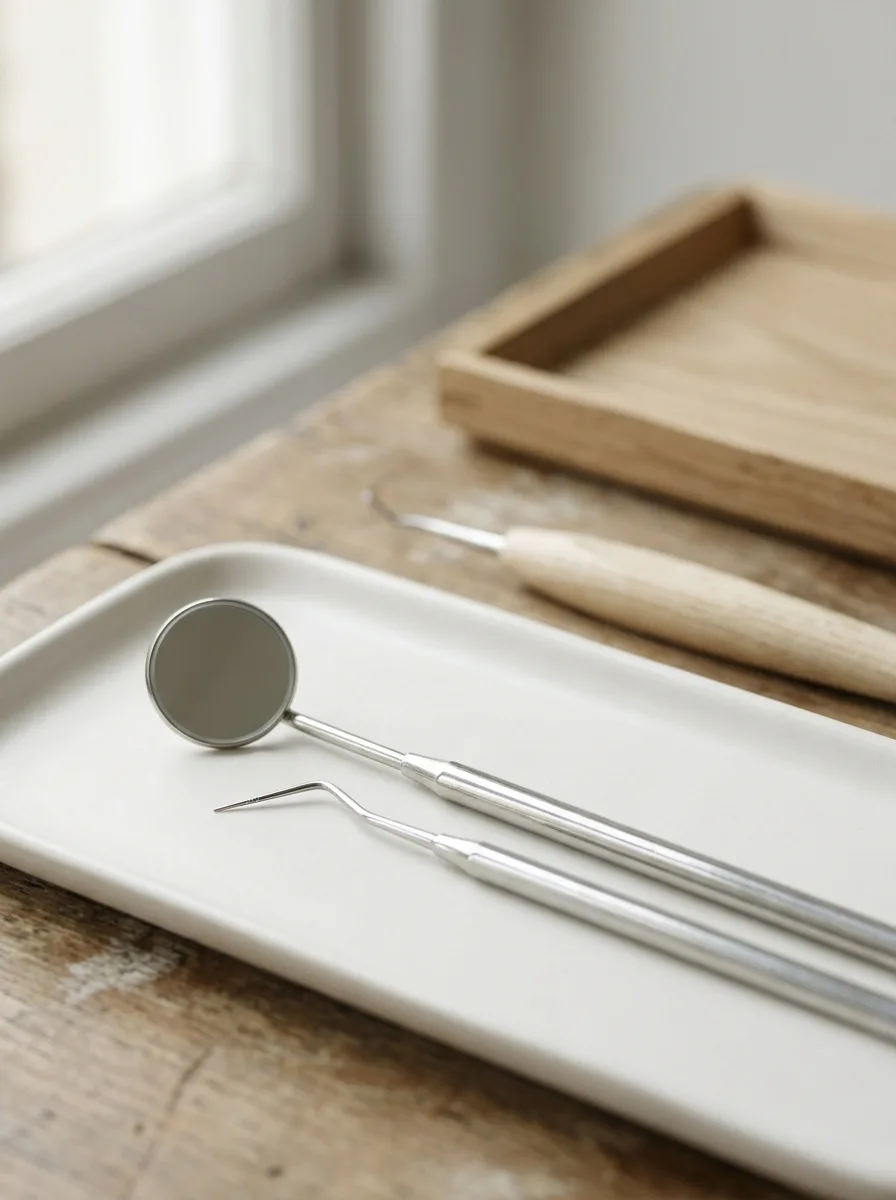
We check the basics
Healthy teeth and gums come first, so any cosmetic work lasts.
 3
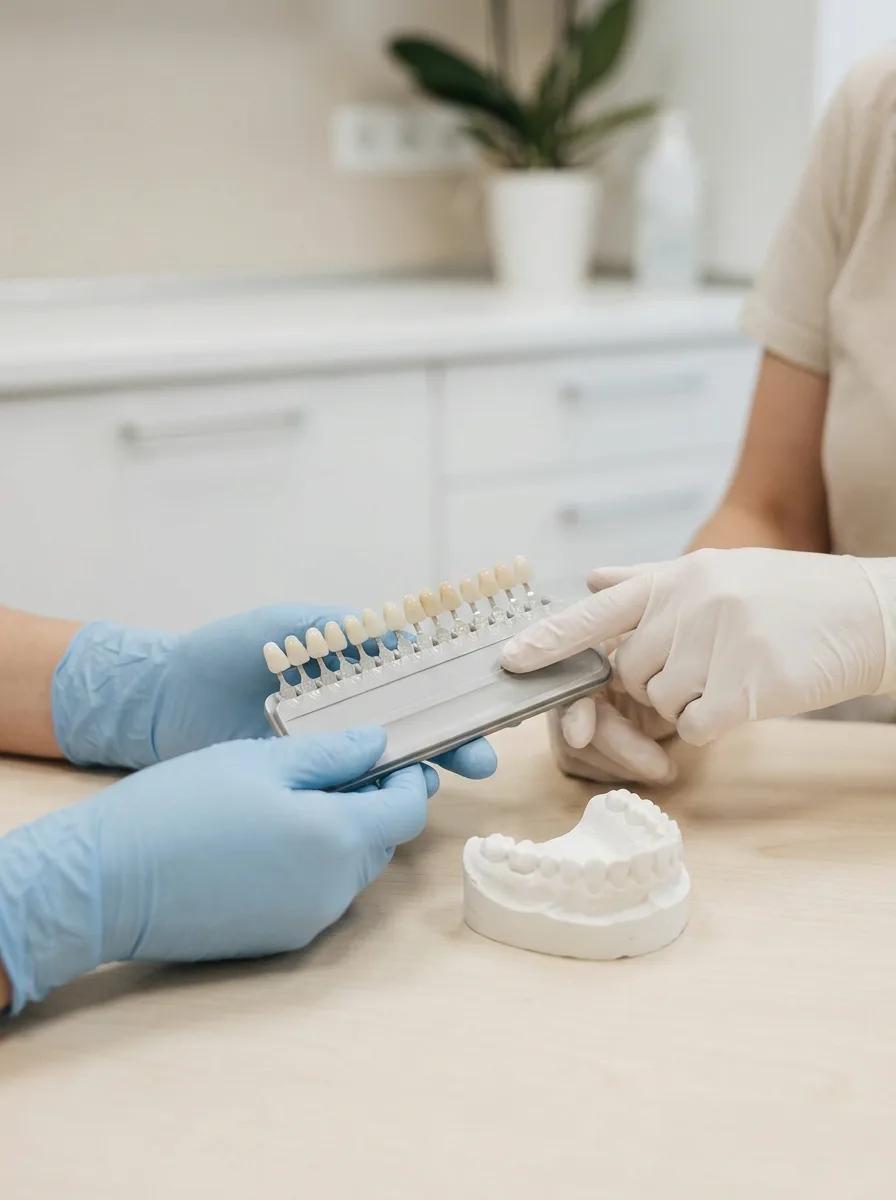
You choose
We explain each option and you decide what is right for you.
Services
Other services
Everything we do, under one roof.


Questions
Frequently Asked Questions
Thinking about your smile? Ask us
About us
Why families choose Happy Smiles
At the same address in Columbia for over fifty years — started by Dr. Brockley, then Dr. Qilin Xu.
Fifty years, one address
543 Locust St has been the practice's home the whole time.
A dentist who knows you
Dr. Xu holds degrees in medicine and dentistry — the same doctor at every visit.
Routine to emergency
Exams and cleanings, fillings, dentures and veneers, whitening — and emergency care when something cannot wait.

Visit us
We're waiting for you in Columbia
543 Locust St
Columbia, PA 17512
- Monday – Thursday
- 8:00AM – 5:00PM