
Orthodontics in Columbia, PA, serving Lancaster and York Counties
Orthodontics moves teeth into better positions. Beyond appearance, well-aligned teeth are easier to keep clean and spread the forces of chewing more evenly.
How Orthodontics Changes Tooth Position and Bite
Orthodontic treatment moves teeth to address selected spacing, crowding, or bite concerns. Braces and clear aligners use different methods and have different daily requirements. The aim is a plan that considers tooth position, supporting tissues, function, and appearance instead of focusing only on straight front teeth.
Orthodontic planning examines how the upper and lower teeth meet, where individual teeth need to move, and how their supporting tissues may respond. Straightening only the visible front teeth does not address every bite concern. Braces, aligners, and other approaches apply forces differently. The assessment should explain the intended changes and whether they require specialist planning or coordination with restorative treatment.
Why Tooth Position May Matter
Crowding and gaps can affect appearance and make some areas difficult to clean. How the upper and lower teeth meet can also influence planning. Straightening teeth does not automatically solve every jaw symptom or dental problem, so the assessment should identify the specific concern being treated.
Crowding, spacing, crossbites, and other bite differences can have distinct treatment goals. Moving teeth may improve access for cleaning or address certain contacts, but it does not guarantee relief from every jaw symptom. Describe both your appearance goals and functional concerns. The proposed plan should connect those concerns to achievable movements rather than assuming one appliance suits all bite problems.
- Crowding or spacing can affect appearance and access for cleaning, but the movements needed should be assessed together with the bite.
- Selected tooth-position changes may support later restorative work, such as creating suitable space for a planned replacement tooth.
- Orthodontic treatment addresses suitable alignment and bite concerns; it does not automatically resolve every jaw symptom or skeletal problem.
Who May Be a Candidate
Adults and younger patients may be candidates depending on dental development, gum health, and the movements needed. Active decay or gum disease needs attention before movement. Tell us about previous orthodontic care, restorations, or jaw symptoms. Complex bite or skeletal concerns may require an orthodontic specialist.
Children's dental development and adults' existing restorations can change the available choices. Gum support, root condition, missing teeth, and previous tooth movement also need consideration. An adult can be assessed for orthodontics, but the health of the supporting tissues matters. Tell the clinician about previous treatment and retainer use so any relapse and current needs are understood before a new plan is chosen.
- Age, dental development, supporting tissues, and the nature of the movements matter more than the assumption that braces are only for children.
- Tell us about previous orthodontics, retainers, missing teeth, and restorations so the assessment includes existing treatment and tooth structure.
- Discuss whether you can maintain appliance hygiene and attend reviews; fixed and removable options have different daily commitments.
Timing and Commitment
Treatment duration depends on the case and the response of the teeth, with periodic visits to monitor progress. Braces need careful cleaning; removable aligners depend on consistent wear. Discuss the expected appointment schedule and what to do if an appliance breaks. Retention after active treatment is part of the commitment.
Assessing Alignment, Roots, and Jaw Relationships
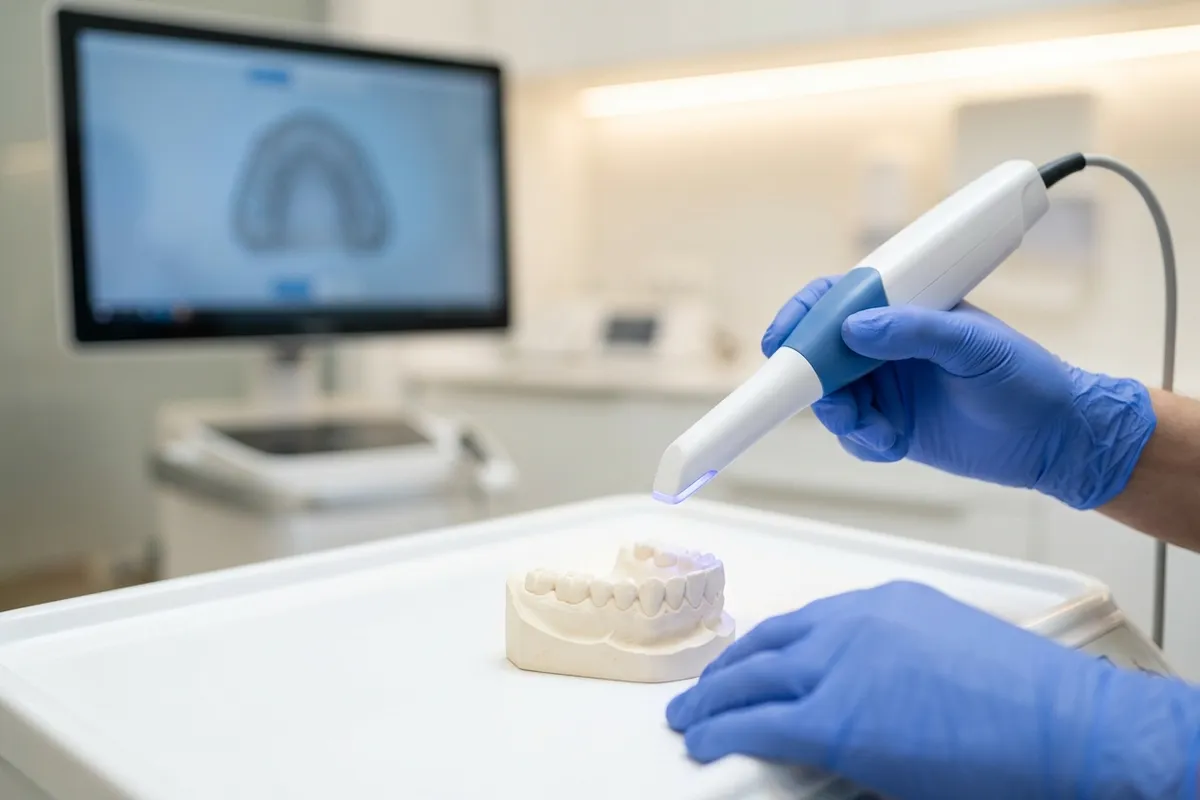
We examine tooth position, the bite, gums, and existing dental work. Photographs, scans or models, and appropriate images help assess the movements required. We discuss suitable options and limitations, including whether a specialist should plan or provide the care. A visual preview does not guarantee an exact result.
- Records help assess tooth position, the upper-lower bite relationship, and supporting tissues before an appliance or movement sequence is chosen.
- Compare braces and aligners based on the actual movements required, not solely how noticeable either appliance may be.
- Complex bite, jaw-development, or supporting-tissue concerns may need specialist input and coordination with other dental care.
Braces, Aligners, and Other Options
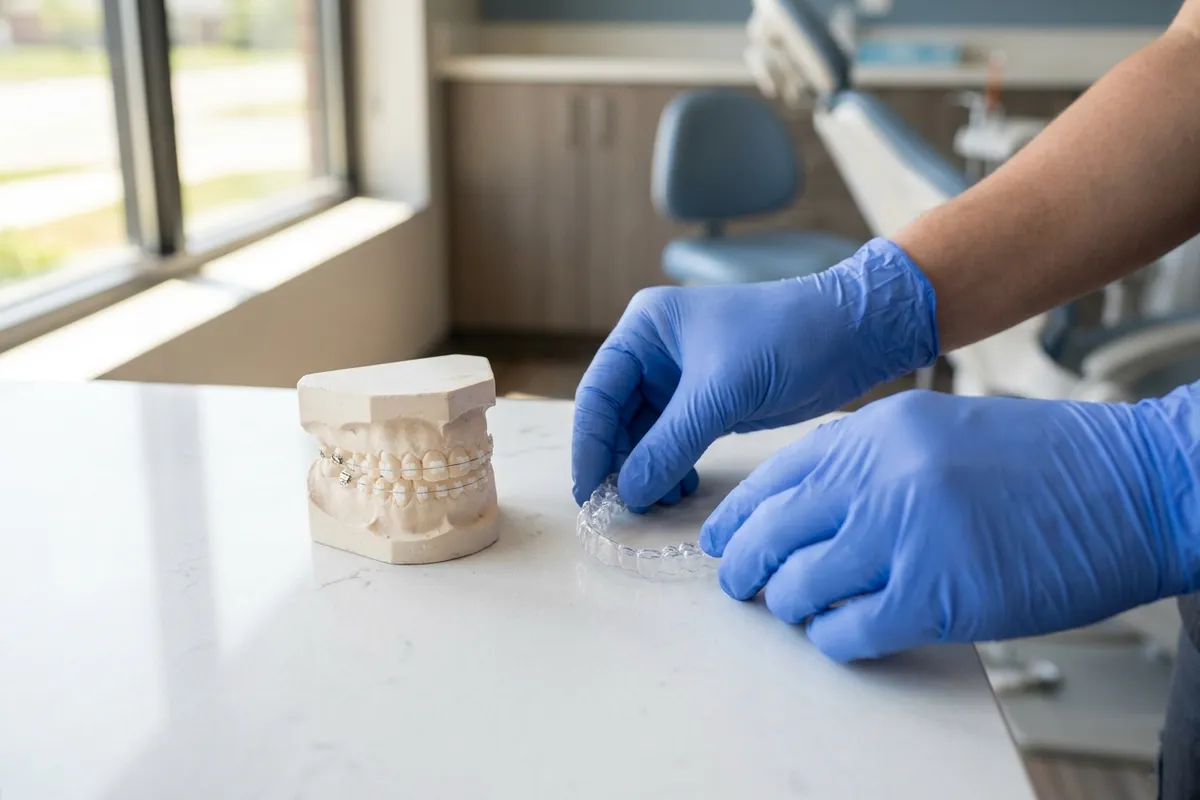
Fixed braces can provide control for movements that may be difficult with removable trays. Aligners allow removal for eating and cleaning but need reliable wear. Some plans use additional appliances or staged treatment. The choice follows the assessment and your practical needs rather than a preference for one system in every case.
Fixed braces and removable aligners have different demands for wear, cleaning, and adjustment. Some bite problems may need additional techniques or specialist care. Ask what movements are planned, whether extra space is needed, and how progress will be assessed. Compare the whole course, including retention and possible coordination with other dental treatment, rather than choosing only by the appliance's appearance.
Aftercare and Retention
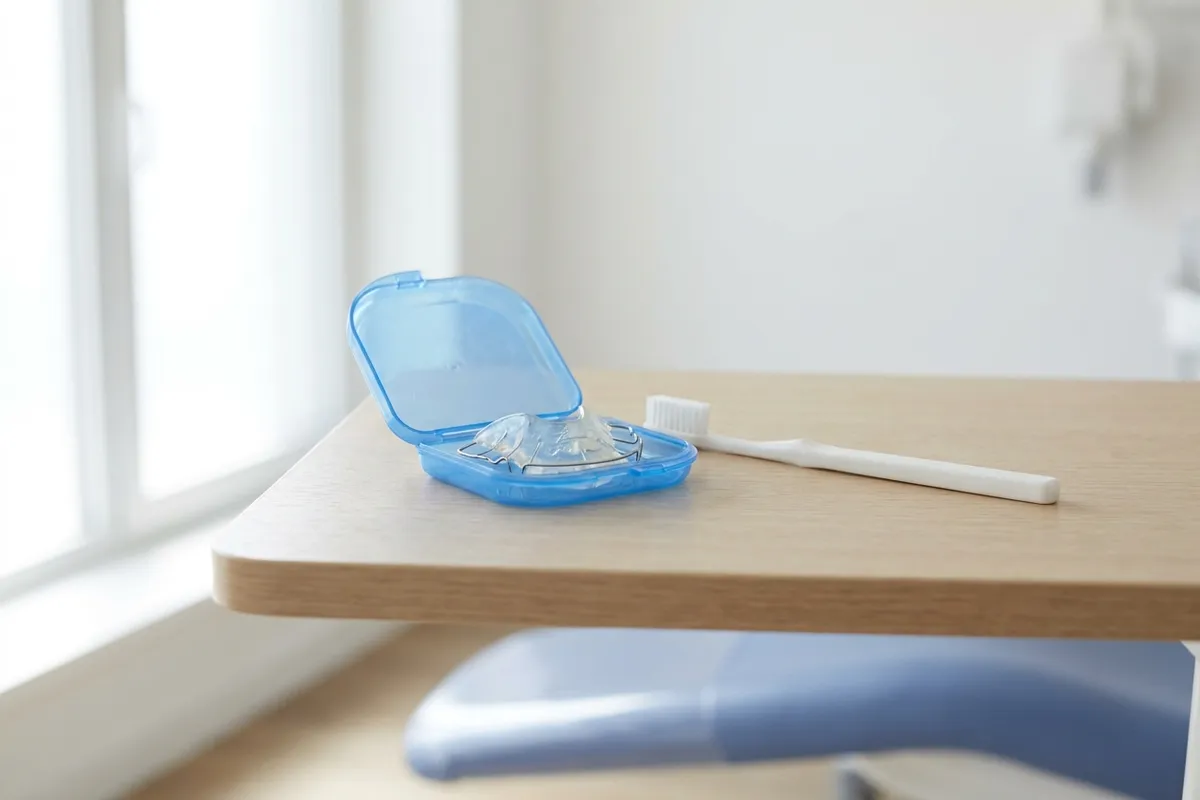
Follow the cleaning and wear instructions during treatment and contact the treating team about significant discomfort or a damaged appliance. After movement finishes, retainers help limit shifting and require ongoing use as directed. Keep reviews so the result, appliance fit, and supporting oral health can be monitored.
During active treatment, keep preventive visits and learn how to clean around the chosen appliance. Contact the treating team about a broken component or an appliance that no longer fits. At completion, follow the prescribed retainer plan and keep reviews as advised. Retention supports the result over time; a straight smile at the final active appointment does not mean tooth position will remain stable without care.
- Clean around appliance parts carefully, keep preventive visits, and report broken brackets, wires, or trays to the treating team.
- Follow the prescribed adjustment or wear schedule; changing it yourself can interfere with planned movement and progress checks.
- Continue retainer use as directed after active treatment, and request prompt advice if the retainer is lost, damaged, or no longer fits.
How it works
How treatment starts
A look at your bite, then a plan.
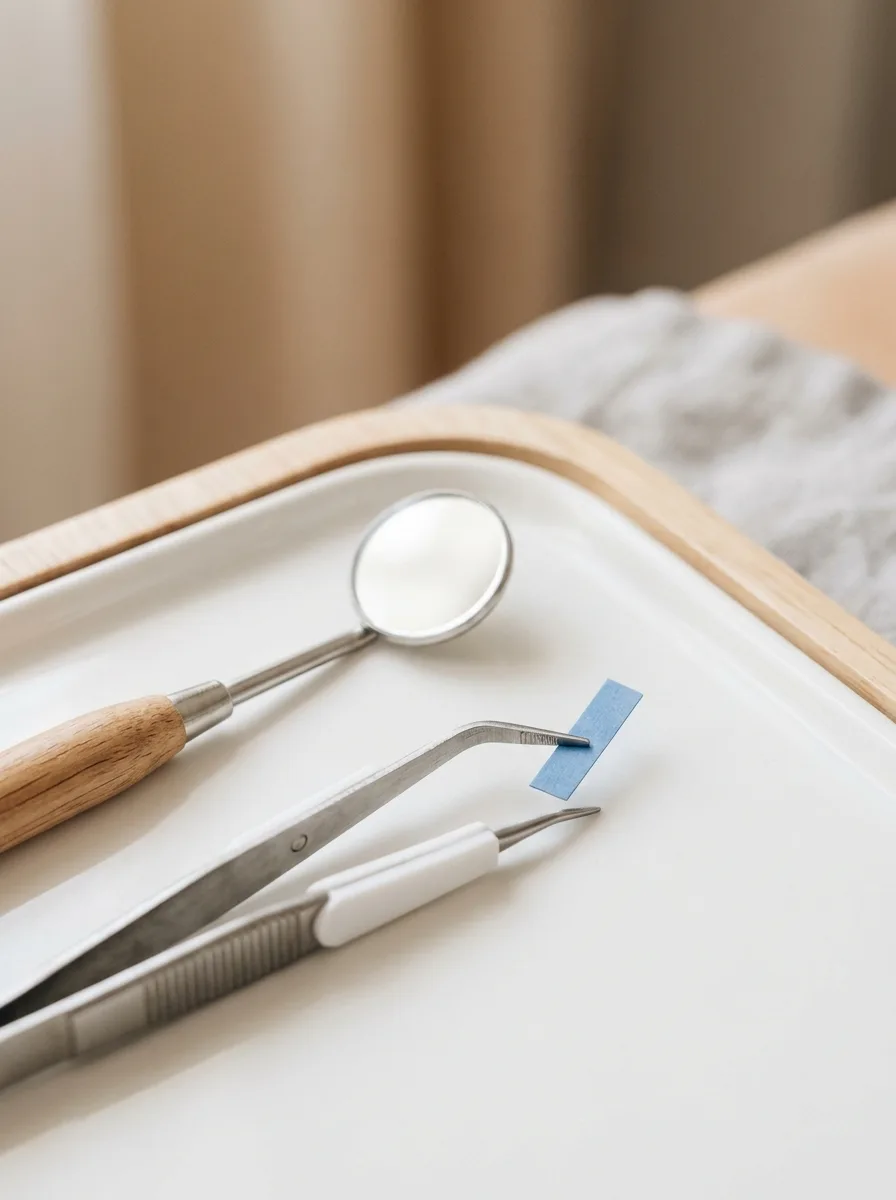 1
We examine your bite
We look at how your teeth meet and take the records needed.
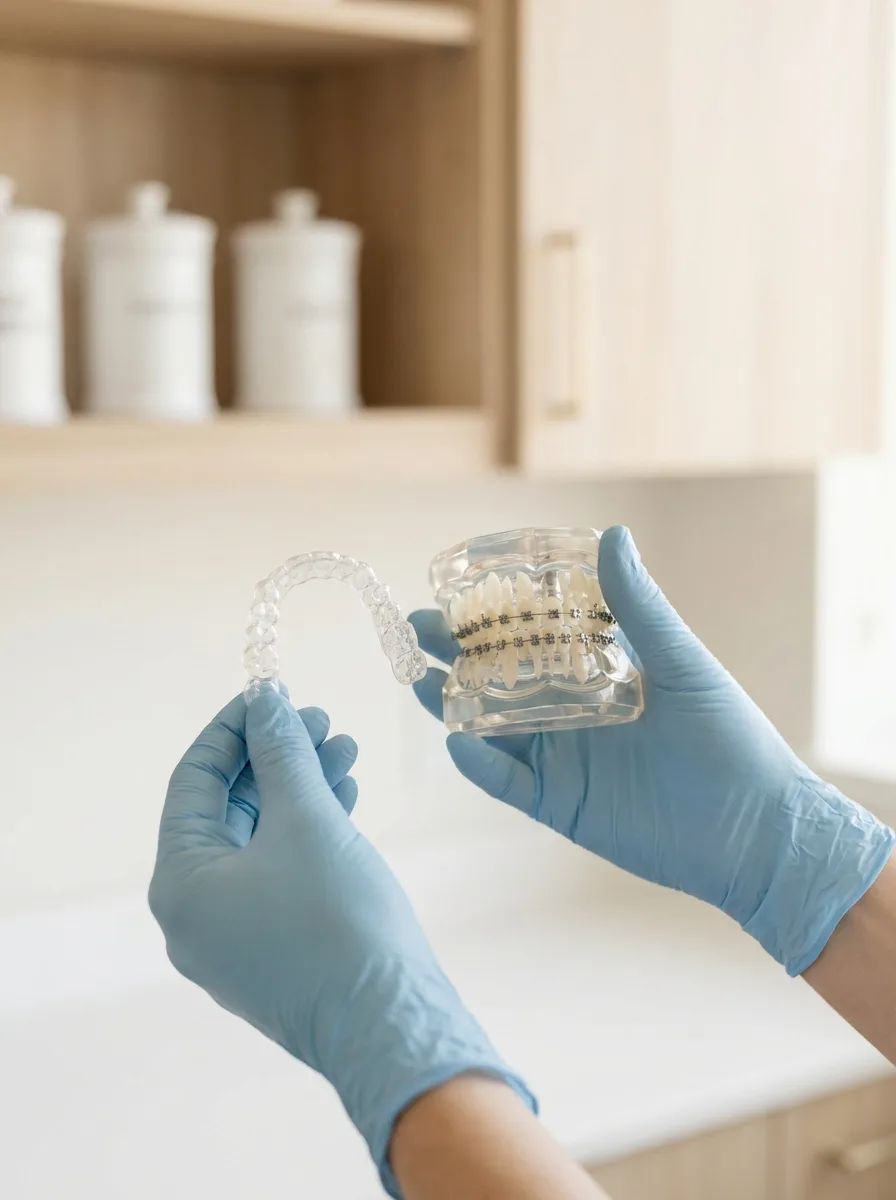 2
We explain the options
You hear which approaches would work for you, how long each takes, and what is involved.
 3
Treatment begins
With regular checks along the way, and a retainer at the end.
Services
Other services
Everything we do, under one roof.


Questions
Frequently Asked Questions
Thinking about straighter teeth? Ask us
About us
Why families choose Happy Smiles
At the same address in Columbia for over fifty years — started by Dr. Brockley, then Dr. Qilin Xu.
Fifty years, one address
543 Locust St has been the practice's home the whole time.
A dentist who knows you
Dr. Xu holds degrees in medicine and dentistry — the same doctor at every visit.
Routine to emergency
Exams and cleanings, fillings, dentures and veneers, whitening — and emergency care when something cannot wait.

Visit us
We're waiting for you in Columbia
543 Locust St
Columbia, PA 17512
- Monday – Thursday
- 8:00AM – 5:00PM