Gum Grafting in Columbia, PA, serving Lancaster and York Counties
Gum recession can expose a tooth root and make it sensitive or harder to clean. A gum graft may help protect the area in selected cases, after the cause of recession and the condition of nearby tissues are assessed.
How a Gum Graft Addresses Exposed Roots
A gum graft may cover an exposed root or improve the amount of protective tissue around a tooth in selected cases. It is considered after evaluating the cause of recession and the surrounding tissues. The procedure can have functional and cosmetic goals, but complete coverage is not guaranteed in every site.
A soft-tissue graft changes the gum around a selected tooth rather than adding a replacement tooth or rebuilding every area of lost bone. Depending on the technique, it may aim for root coverage, more protective tissue, or both. The surgeon examines the recession and surrounding support before selecting an approach. Complete coverage is not achievable for every exposed root.
Why Recession Matters
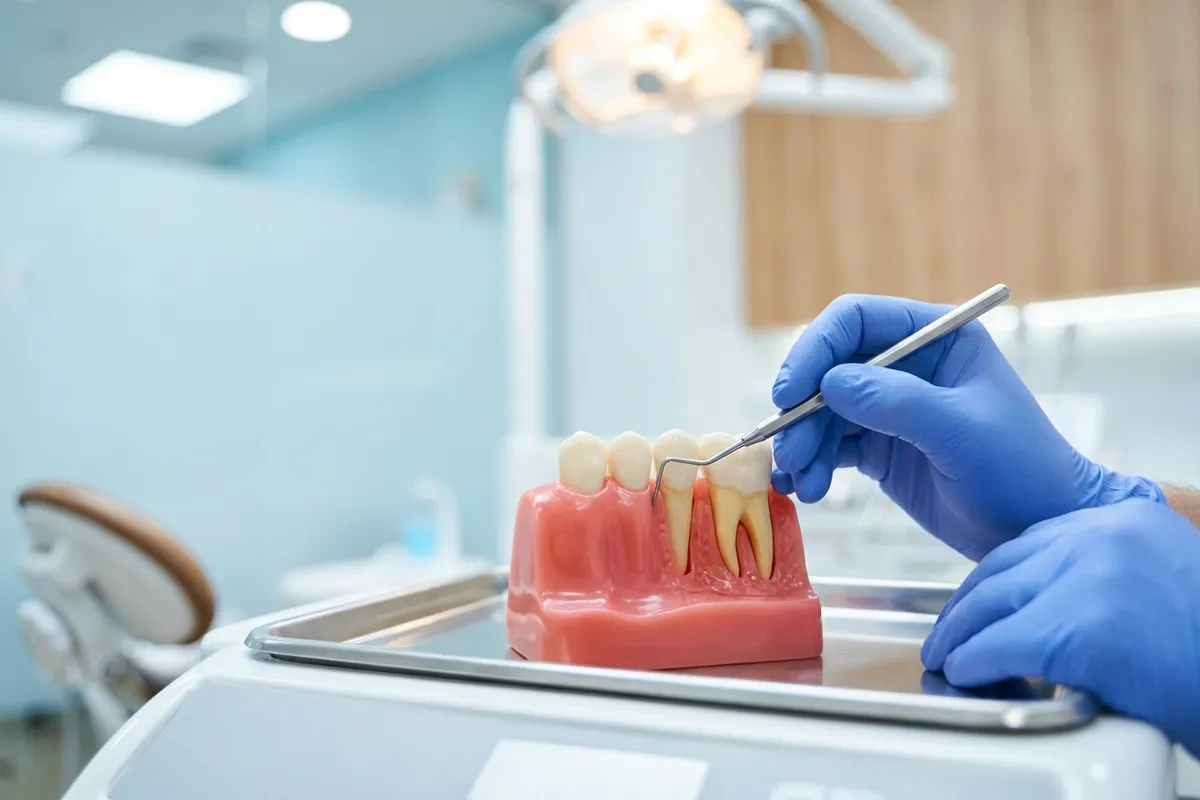
When gums recede, the root may become sensitive or harder to clean and can be more vulnerable to decay. Recession can relate to several factors, including tissue anatomy, brushing habits, and periodontal disease. Addressing the cause and supporting daily care is part of the plan rather than relying on surgery alone.
An exposed root may be sensitive or difficult to keep clean, and progression of recession can raise concerns about protecting the site. A graft is considered in relation to these findings, rather than for all gum bleeding or inflammation. Aggressive brushing, tooth position, and periodontal disease may contribute differently. Addressing the relevant cause helps the site remain manageable after treatment.
- Recession can expose a root, creating sensitivity or cleaning difficulties even when the tooth itself has no large cavity.
- A graft may improve tissue thickness or coverage in selected areas, but complete root coverage is not guaranteed in every situation.
- The cause of recession matters; aggressive brushing, tissue anatomy, tooth position, or periodontal disease may call for different additional care.
Changes to Discuss
Mention teeth that look longer, temperature sensitivity, a visible root, or changes in the gumline. Tell us about previous periodontal care, brushing technique, and any tobacco use. Not every receded area needs a graft, and pain or a changing gumline should be assessed for other causes as well.
The position of the tooth, the depth of recession, tissue thickness, and support between neighboring teeth affect what a graft may achieve. Smoking, disease control, and cleaning habits also matter for healing. Tell the clinician about discomfort when brushing and previous grafts. The assessment should explain whether surgery is suitable and whether the expected goal is coverage, tissue reinforcement, or another benefit.
- Describe root sensitivity, changing gum levels, and difficulty cleaning, and mention any previous orthodontic or periodontal treatment.
- Discuss smoking, diabetes, medicines, and healing history because these can influence whether surgery is appropriate and how recovery is planned.
- Ask whether nonsurgical sensitivity management or improved brushing could address your concern, and which benefit a graft is expected to add.
When Grafting Is Considered
Treatment may be discussed when recession affects comfort, cleaning, tissue stability, or appearance. Active disease and contributing habits may need attention first. Healing and any later restorative work must be coordinated. Timing follows the findings and goals, rather than assuming surgery is necessary for every exposed root.
Measuring Recession and Assessing Gum Tissue
We examine gum levels, tissue thickness, supporting bone, inflammation, and the affected tooth. The assessment helps explain what coverage or protection is realistic and whether a periodontal specialist should be involved. We also discuss nonsurgical care, sensitivity management, and the risks of leaving or treating the area.
- The clinician measures recession and reviews tissue thickness, tooth position, attachment, and the overall periodontal condition.
- The technique may use your own tissue or another appropriate material; discuss the source and any additional donor-site care.
- Planning includes realistic coverage goals, risks, preparation, and whether a periodontist should assess or provide the procedure.
Graft Options and Procedure
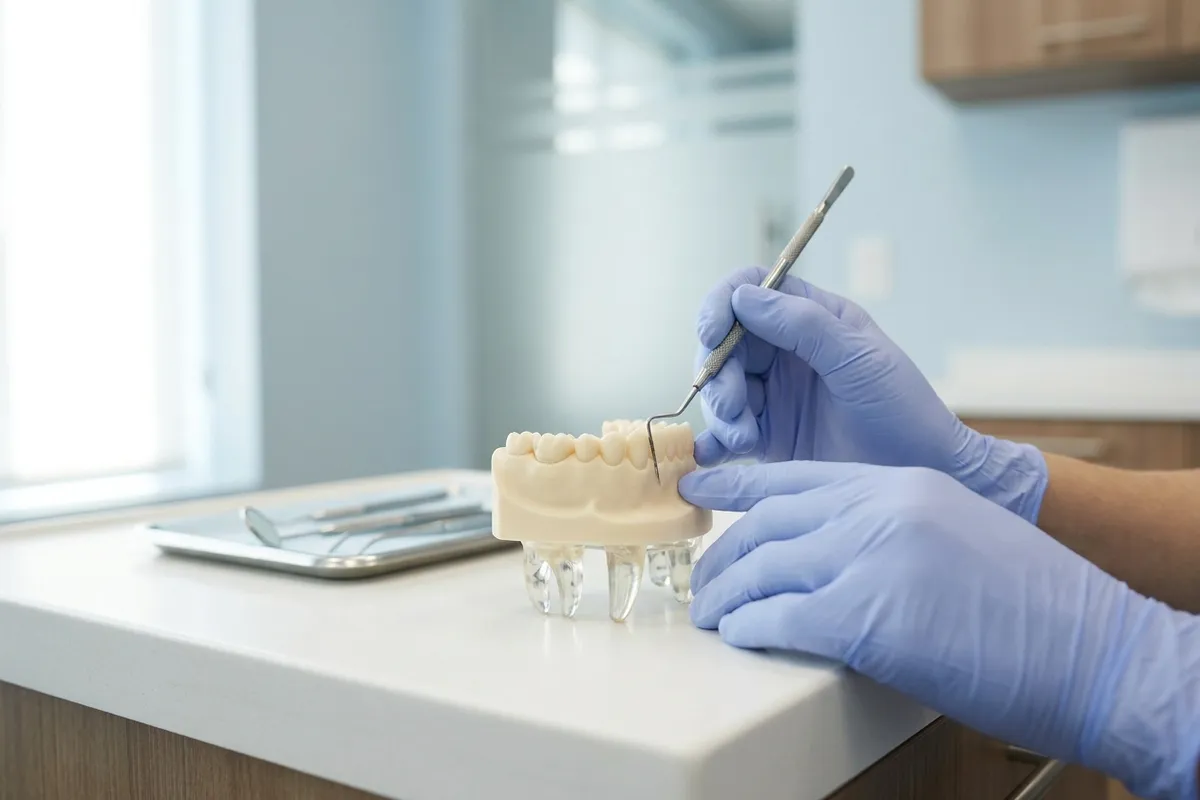
The technique and tissue source depend on the site and treatment goal. Tissue may come from your own mouth or another suitable source. We explain the proposed approach and comfort measures, including any donor-site care. A graft must be positioned and protected while the tissues heal.
A graft may use tissue from the palate or another appropriate donor source, with different techniques for placement and coverage. If your own tissue is used, there may be two healing areas to care for. Nonsurgical choices can include adjusting brushing and managing sensitivity when appropriate. Ask about the proposed source, donor-site care, limitations, and alternatives before agreeing to surgery.
Recovery and Maintenance
Follow instructions for food, cleaning, and avoiding trauma to the graft and any donor site. Attend healing reviews before returning to normal cleaning in the area. Report worsening pain, swelling, or bleeding. Gentle daily care and management of contributing factors remain important because recession can recur or develop elsewhere.
Follow the prescribed cleaning method for the graft and any donor site instead of brushing directly over them before it is permitted. Avoid pulling the lip to inspect the graft or disturbing sutures. Report bleeding, increasing pain, or wound changes according to the surgeon's instructions. Once healing allows normal care, a gentle technique and follow-up help monitor the treated recession.
- Protect the graft from pulling, rubbing, and other disturbance, and follow the specific cleaning instructions during early healing.
- Follow separate instructions for a donor site if tissue was taken from your mouth; discomfort and cleaning needs may differ between sites.
- Return for healing and maintenance reviews, and continue gentler brushing techniques advised to reduce ongoing trauma to the treated area.
How it works
How a gum graft works
Covering the root, protecting the tooth.
 1
We find the cause
An exam measures the recession and looks for what is causing it.
 2
The graft is placed
With the area numb, tissue is placed over the exposed root and secured.
 3
It heals
The graft joins the surrounding gum over the following weeks.
Services
Other services
Everything we do, under one roof.

Questions
Frequently Asked Questions
Noticing receding gums? Ask us
About us
Why families choose Happy Smiles
At the same address in Columbia for over fifty years — started by Dr. Brockley, then Dr. Qilin Xu.
Fifty years, one address
543 Locust St has been the practice's home the whole time.
A dentist who knows you
Dr. Xu holds degrees in medicine and dentistry — the same doctor at every visit.
Routine to emergency
Exams and cleanings, fillings, dentures and veneers, whitening — and emergency care when something cannot wait.

Visit us
We're waiting for you in Columbia
543 Locust St
Columbia, PA 17512
- Monday – Thursday
- 8:00AM – 5:00PM