
Root Canals in Columbia, PA, serving Lancaster and York Counties
If you need a root canal, the team at Happy Smiles at Columbia can complete the procedure with techniques intended to minimize physical discomfort.
Treating Infection Inside a Tooth
Root canal treatment addresses inflamed or infected tissue inside a tooth. The affected pulp is removed, the canals are cleaned and sealed, and the tooth then receives an appropriate final restoration. The aim is to retain a natural tooth that can still be restored rather than remove it automatically.
The canals are spaces within the tooth's roots, separate from the visible cavity or old filling above them. Treatment cleans and seals those internal spaces, then an appropriate restoration protects the tooth from leakage and fracture. A tooth with treated canals can still develop decay around its filling or crown. Saving it therefore includes both endodontic treatment and a plan for the remaining structure.
Why Treatment May Be Needed
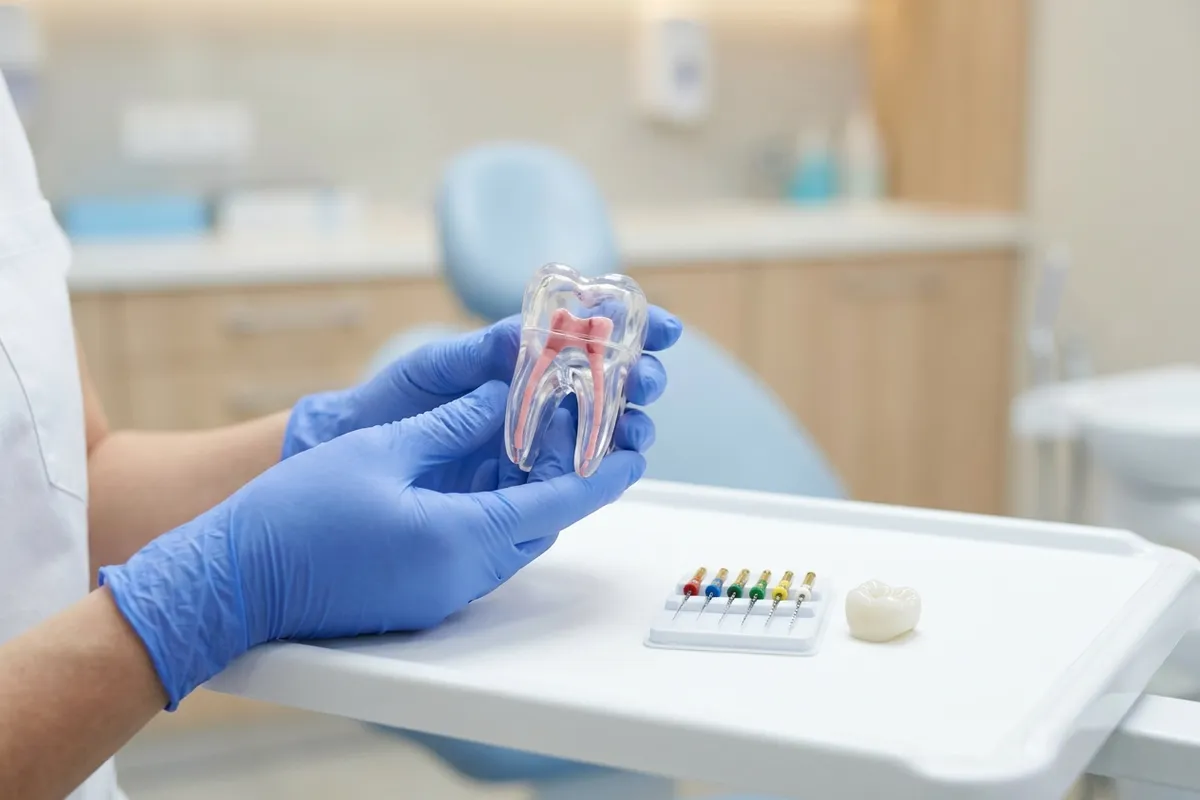
Deep decay, cracks, repeated dental procedures, or trauma can affect the pulp. Infection may also involve tissues around the root. A filling on the outside does not resolve every internal problem. The assessment considers the root, remaining tooth structure, and whether treatment offers a reasonable way to preserve the tooth.
Pulp damage can follow deep decay, a crack, trauma, or repeated treatment of the same tooth. The dentist uses symptoms, examination, and imaging to determine whether root canal treatment is indicated. A painful tooth does not automatically need it, and an infected tooth may sometimes have little pain. The diagnosis must explain the affected tooth rather than rely on discomfort alone.
- Inflamed or infected pulp may require treatment even when the outer part of the tooth appears mostly intact.
- Cleaning and sealing the canals addresses the internal problem; a later restoration protects the tooth for everyday use.
- Keeping a restorable natural tooth may avoid an extraction and replacement, but prognosis depends on cracks, structure, and surrounding support.
Symptoms That Need Evaluation
Lingering temperature sensitivity, pain when biting, swelling, or a darkened tooth can be clues, but symptoms vary and some affected teeth cause little pain. Tell us about previous injuries and treatments. Spreading swelling or difficulty breathing or swallowing requires urgent medical attention rather than waiting for a routine dental visit.
Suitability depends on whether the tooth can be restored after the canals are treated, including the extent of a crack and the support around its roots. Difficult canal anatomy or previous endodontic treatment may call for specialist assessment. Ask about the prognosis for the whole tooth and the final restoration before deciding that cleaning the canals alone is enough.
- Mention deep decay, repeated restorations, or a previous injury, including trauma that happened long before the current symptoms.
- Tell us about swelling, a gum bump, lingering heat or cold pain, and discomfort when biting or releasing your bite.
- Ask whether the tooth is restorable before treatment begins; some fractures or extensive structural loss make preservation less predictable.
Timing and Treatment Stages
The timing depends on symptoms and the condition of the tooth. Treatment may take one or more visits, followed by a separate restoration stage. A temporary filling needs protection between appointments. Do not assume that relief from pain means the tooth is fully restored or that further appointments are optional.
Diagnosing Pulp Damage and Whether the Tooth Can Be Saved
We examine the tooth and surrounding tissues, assess symptoms, and review images of the roots and supporting bone. The amount of remaining structure and any crack affect whether the tooth can be saved. We discuss alternatives and whether an endodontist should assess or treat a complex case.
- Tests of tooth response and selected images help identify the affected tooth; pain alone may not accurately locate the source.
- The tooth is isolated during treatment so the canals can be cleaned and sealed while limiting contamination from saliva.
- Complex anatomy, previous root canal treatment, or an uncertain diagnosis may justify evaluation by an endodontic specialist.
What Treatment Involves
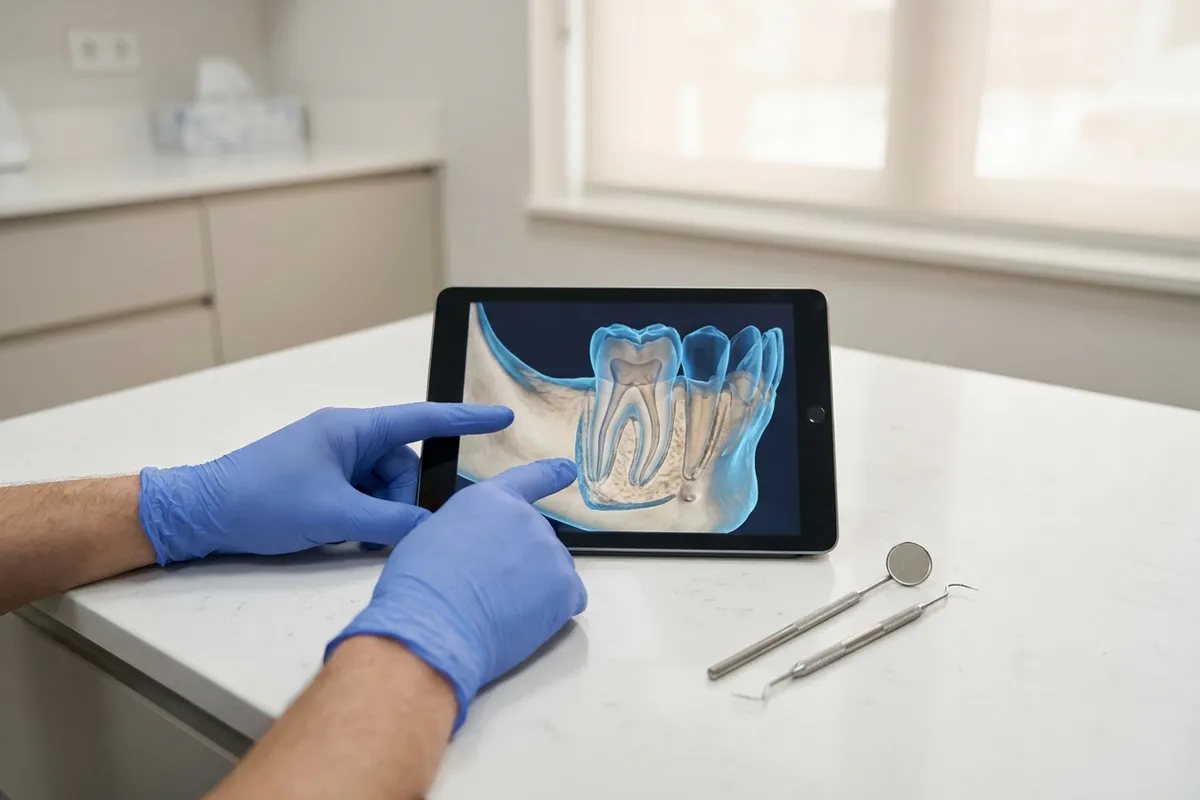
Local anesthesia is used for comfort, and the tooth is isolated while the affected pulp is removed and the canals are cleaned, shaped, and sealed. A temporary or definitive restoration closes the tooth. The final filling or crown depends on how much structure remains and the forces placed on it.
The plan may involve one or more visits, with a temporary restoration between stages when necessary. The canals are accessed, cleaned, shaped, and sealed; the final filling or crown is a separate part of protecting the tooth. Extraction is an alternative when appropriate, with its own replacement decisions. Antibiotics alone do not clean an infected root canal system.
Recovery and Protecting the Tooth
Some tenderness can occur after treatment. Follow instructions for comfort, cleaning, and chewing, and complete the recommended final restoration. Contact us about worsening pain, swelling, or a lost temporary filling. The treated tooth can still develop decay or fracture, so daily care and ongoing reviews remain important.
Protect the tooth while a temporary restoration is present and arrange the recommended final restoration promptly. Avoid heavy chewing on it until the treating clinician says it is adequately protected. Report a lost temporary filling, swelling, or pain that worsens instead of improving. Later reviews assess healing and the restoration; completing the root canal does not remove the need for ordinary dental care.
- Protect any temporary filling and avoid heavy biting on the tooth until the recommended final restoration is completed.
- Keep the restoration appointment even if pain improves; root canal treatment and rebuilding the tooth may be separate stages.
- Report worsening pain, swelling, or a lost temporary filling, and seek immediate medical attention if swelling affects breathing or swallowing.
How it works
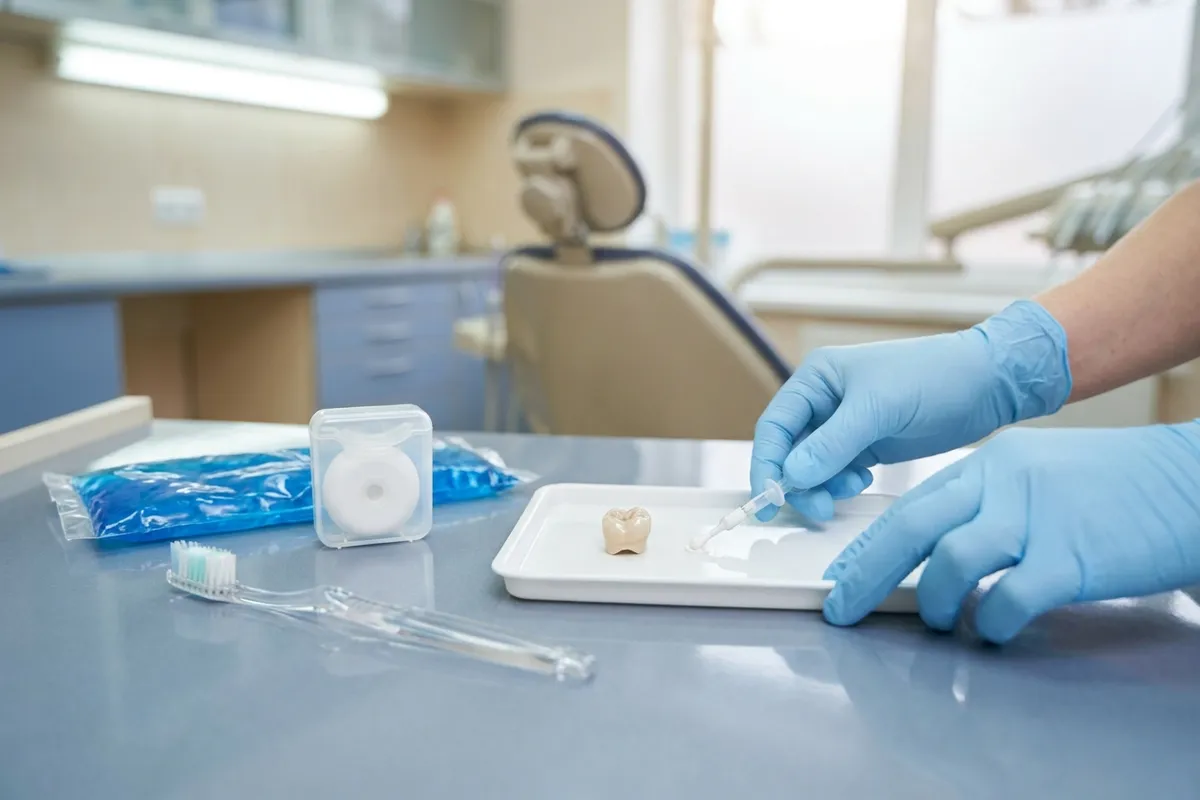
How a root canal works
Treating the infection, then saving the tooth.
 1
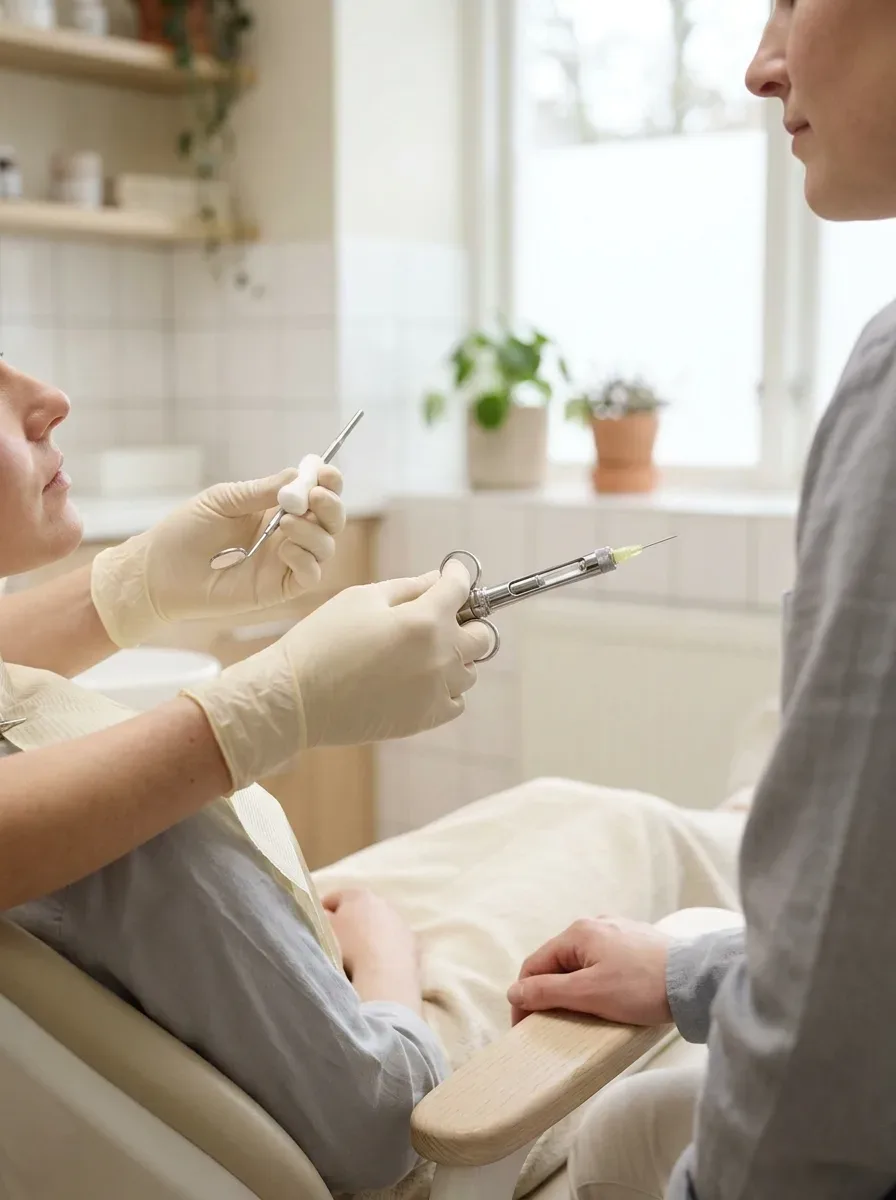
The tooth is numbed
Local anesthesia helps keep you comfortable. Tell the clinician if you feel pain so they can respond.
 2
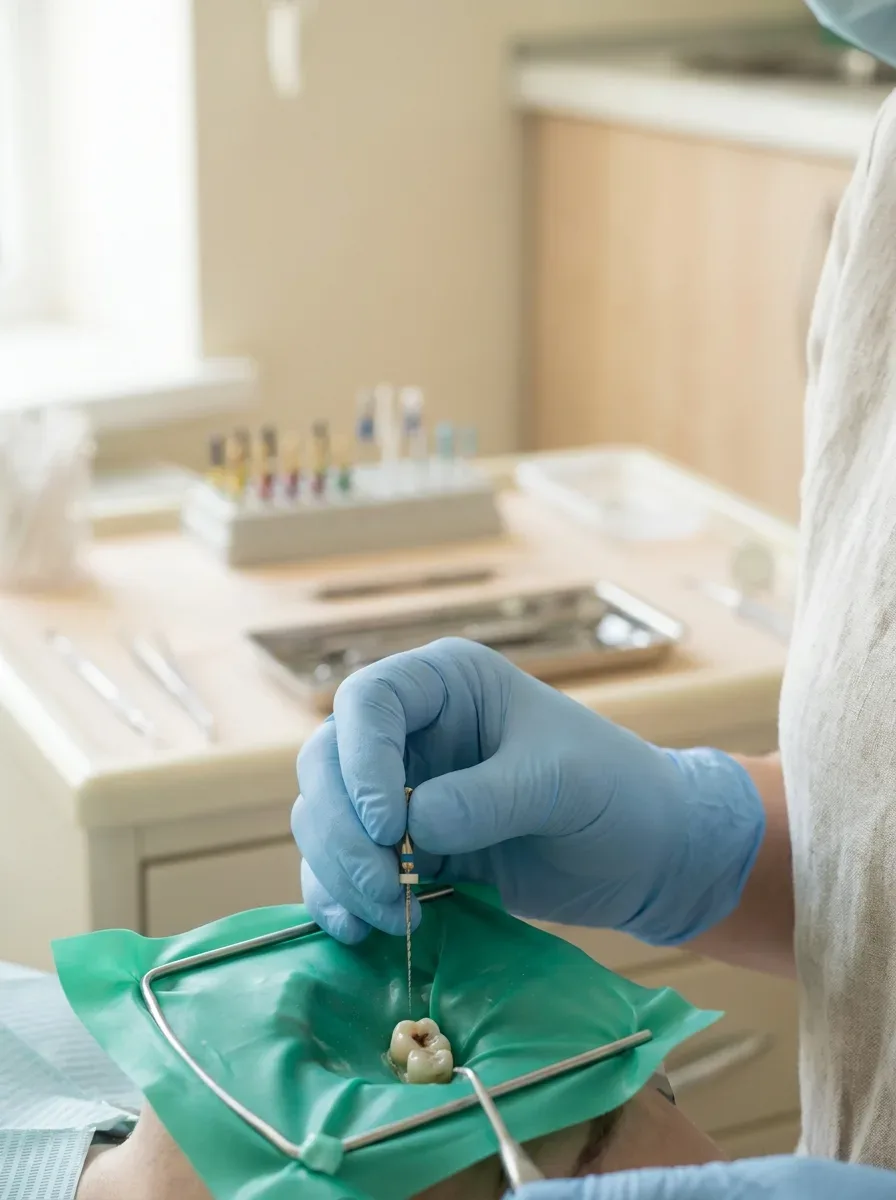
The infection is removed
The inflamed or infected pulp is taken out and the space inside the tooth is cleaned.
 3
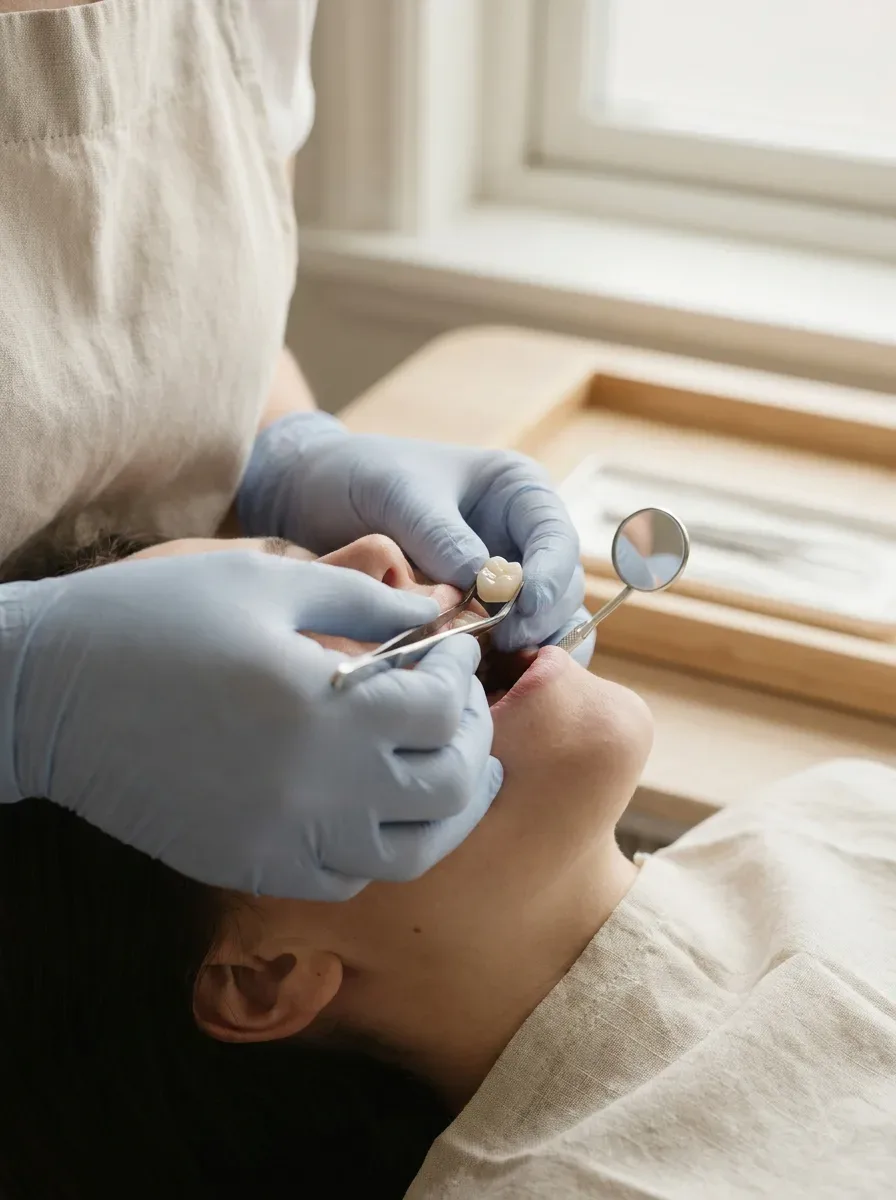
Sealed and protected
After the canals are sealed, the tooth needs a final filling or crown chosen for the amount of tooth structure left.
Services
Other services
Everything we do, under one roof.


Questions
Frequently Asked Questions
Questions about root canals? Ask us
About us
Why families choose Happy Smiles
At the same address in Columbia for over fifty years — started by Dr. Brockley, then Dr. Qilin Xu.
Fifty years, one address
543 Locust St has been the practice's home the whole time.
A dentist who knows you
Dr. Xu holds degrees in medicine and dentistry — the same doctor at every visit.
Routine to emergency
Exams and cleanings, fillings, dentures and veneers, whitening — and emergency care when something cannot wait.

Visit us
We're waiting for you in Columbia
543 Locust St
Columbia, PA 17512
- Monday – Thursday
- 8:00AM – 5:00PM