
Dental Fillings in Columbia, PA, serving Lancaster and York Counties
A filling restores a tooth damaged by a cavity or small fracture. The material and shape depend on the size and location of the damage, your bite, and the amount of healthy tooth that remains.
How a Filling Repairs Tooth Damage
Tooth-colored fillings use a restorative material, commonly composite resin, to repair suitable areas of decay or damage. The shade is chosen to blend with the surrounding tooth. A filling restores the affected area while preserving healthy structure where possible; it does not eliminate the need for ongoing prevention.
A filling replaces the damaged portion of a tooth, leaving the remaining tooth to support the restoration. For a composite filling, the surface is prepared for bonding and the material is shaped to restore contact and chewing form. Keeping the area suitably dry is part of placement. The size of the defect matters because a filling cannot strengthen every severely weakened tooth.

Why a Filling May Be Needed
Decay creates damage that cannot always be reversed with home care alone. Small chips or worn areas may also need repair. A direct filling can be a conservative option when enough tooth structure remains. Larger defects or cracks may require an inlay, onlay, crown, or a different treatment.
An actual cavity has lost tooth structure, so improving brushing alone cannot restore its shape. A filling may also repair a limited chip or worn area after the cause is assessed. The dentist considers whether decay is near the pulp and whether a crack extends beyond a repairable surface. Those findings can change the recommendation from a filling to another treatment.
- Tooth-colored composite can repair suitable cavities or small defects while being shaped and shade-matched to the surrounding tooth.
- A broken old filling may leave an edge that traps food or exposes vulnerable tooth structure, even without constant pain.
- Larger missing areas or heavily stressed teeth may need more coverage than a direct filling can reasonably provide.
Symptoms and Changes to Mention
Sensitivity, food catching, a rough edge, or a broken old filling should be checked. Some cavities are painless, so examination and imaging may reveal a problem before symptoms appear. A dark area is not always decay, and pain does not tell us by itself how large a restoration needs to be.
The dentist needs enough sound tooth to retain the proposed filling and a design that can tolerate your bite. A large old restoration or fractured cusp may require a different approach. Describe pain on biting and sensitivity that lingers after hot or cold drinks. Those symptoms need assessment before assuming a simple filling will resolve the problem.
- Mention lingering temperature sensitivity or pain on biting because these symptoms may indicate a problem beyond a small surface cavity.
- Tell us about grinding, previous fractures, and whether the tooth already has a large restoration affecting its remaining strength.
- Discuss visible shade preferences and material allergies, while recognizing that tooth location and moisture control also influence material choice.
When to Treat a Cavity
The timing depends on depth, symptoms, and the risk of further damage. Treating an appropriate lesion before it progresses may avoid more extensive care. Very early mineral changes may be managed preventively, while deeper decay can involve the nerve. We explain whether monitoring or a restoration is recommended.
Checking Cavity Depth and Remaining Tooth Structure
We examine the tooth, assess existing fillings and the bite, and use images when they help show the extent of decay. We also review your cavity risk and any sensitivity. The decision considers the amount of healthy structure, tooth location, and whether another type of restoration would be more suitable.
- The extent of decay and remaining sound tooth structure help determine whether a filling, partial coverage, or crown is suitable.
- The dentist considers whether an early noncavitated area can be managed preventively instead of automatically drilling every discolored spot.
- During placement, the restoration is shaped and the bite checked so the repaired tooth does not receive uncomfortable early contact.
What Placement Involves
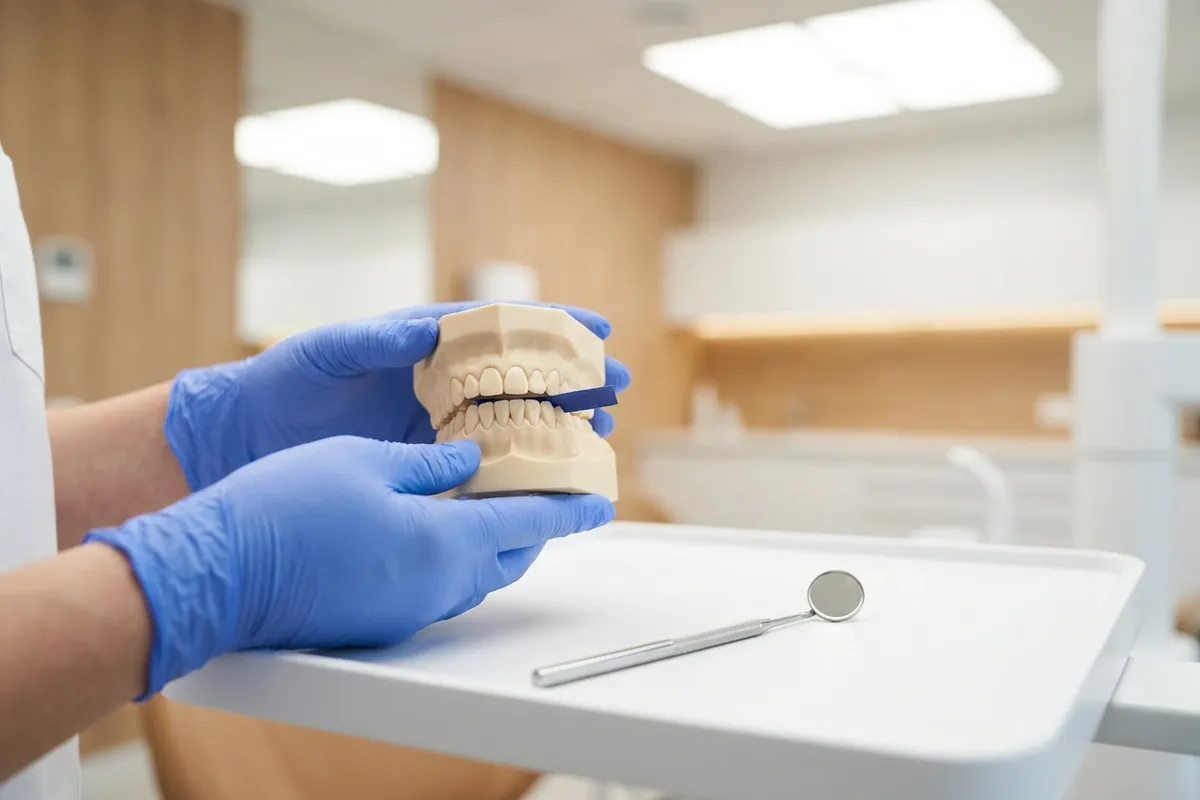
When needed, local anesthesia helps keep the area comfortable. Decay or damaged material is removed, the tooth is prepared, and the tooth-colored material is placed and hardened. We shape and polish the restoration and check how your teeth meet. The final shade and appearance depend on the individual tooth.
A direct filling is shaped in the tooth, while an inlay, onlay, or crown may be considered for more extensive damage. Ask how much healthy structure each suitable option preserves and which surfaces need protection. The clinician also checks the contact with neighboring teeth and the bite. Material choice should reflect the restoration's location and demands, as well as its appearance.
Caring for Your Filling
Temporary sensitivity can occur, but a persistently high bite or worsening pain should be reported. Brush with fluoride toothpaste and clean between teeth to protect the restoration margins. Avoid biting hard objects. Fillings can wear, chip, or develop decay nearby, so regular examinations remain part of maintaining the repair.
Once numbness has worn off, notice whether chewing feels even and whether food repeatedly catches beside the new filling. A high contact or rough edge may need adjustment rather than time alone. Continue cleaning around the restoration because decay can develop at its margins. Persistent or worsening sensitivity, a chipped filling, or renewed pain should be reviewed.
- Wait until numbness wears off before chewing normally, and follow the instructions given for the material used.
- Report a high bite, worsening pain, or sensitivity that persists rather than assuming every symptom is normal after a filling.
- Clean around the filling margins daily; the restored tooth can still develop new decay or damage next to the repair.
How it works
How a filling works
One visit, from decay to a tooth you can use.
 1
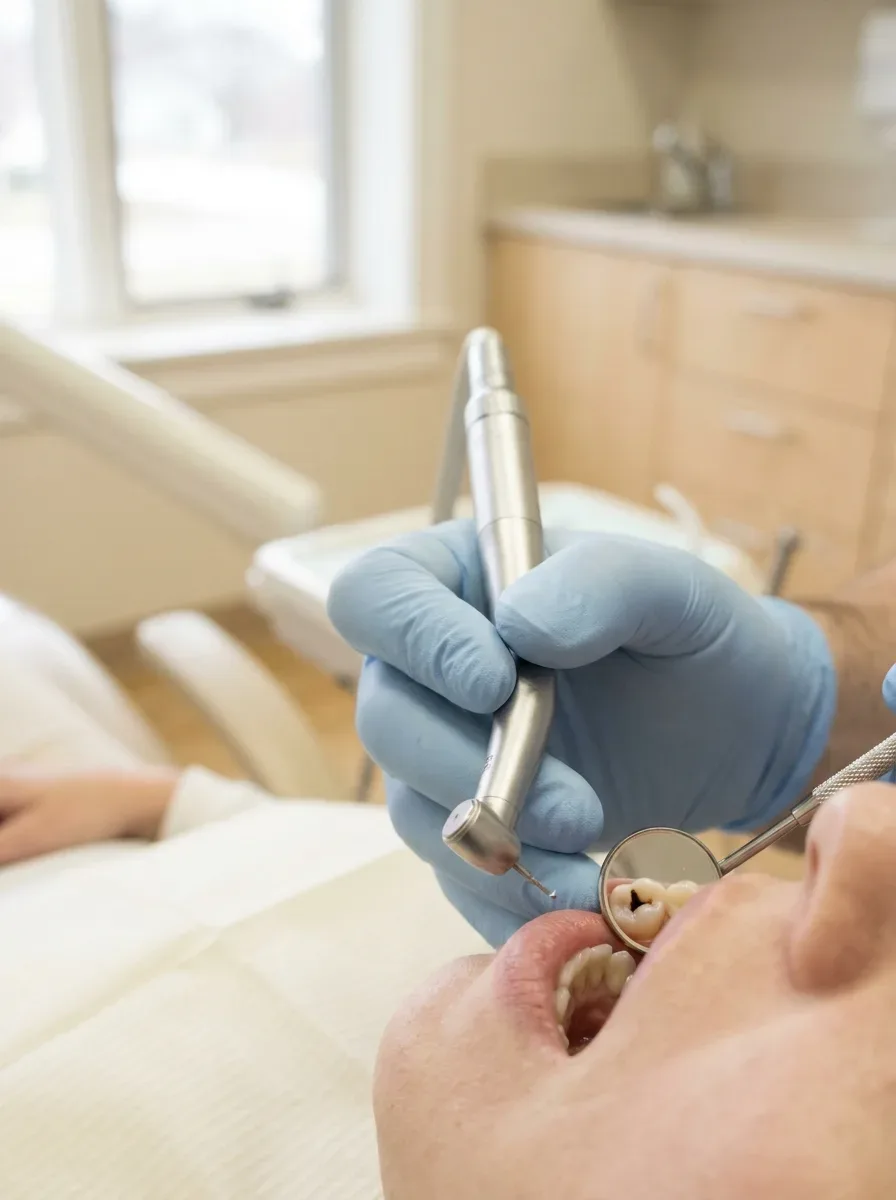
The decay comes out
The area is numbed first, then the decay is removed and the tooth cleaned.
 2
The filling goes in
The material you chose is placed in the cleaned cavity and set.
 3
Shaped to your bite
It is shaped and polished so it meets the opposite tooth the way your own tooth did.
Services
Other services
Everything we do, under one roof.




Questions
Frequently Asked Questions
Questions about dental fillings? Ask us
About us
Why families choose Happy Smiles
At the same address in Columbia for over fifty years — started by Dr. Brockley, then Dr. Qilin Xu.
Fifty years, one address
543 Locust St has been the practice's home the whole time.
A dentist who knows you
Dr. Xu holds degrees in medicine and dentistry — the same doctor at every visit.
Routine to emergency
Exams and cleanings, fillings, dentures and veneers, whitening — and emergency care when something cannot wait.

Visit us
We're waiting for you in Columbia
543 Locust St
Columbia, PA 17512
- Monday – Thursday
- 8:00AM – 5:00PM