
Sinus Lift Surgery in Columbia, PA, serving Lancaster and York Counties
The upper back jaw often has too little bone for an implant because the sinus sits just above it. A sinus lift raises the sinus floor and adds bone beneath it.
Creating Bone Space Beneath the Upper-Jaw Sinus
A sinus lift, or sinus augmentation, is a procedure considered when the upper back jaw lacks enough bone for a planned implant. It creates space beneath the sinus lining for bone development. The need and technique depend on anatomy; it is not a routine step for every upper-jaw implant.
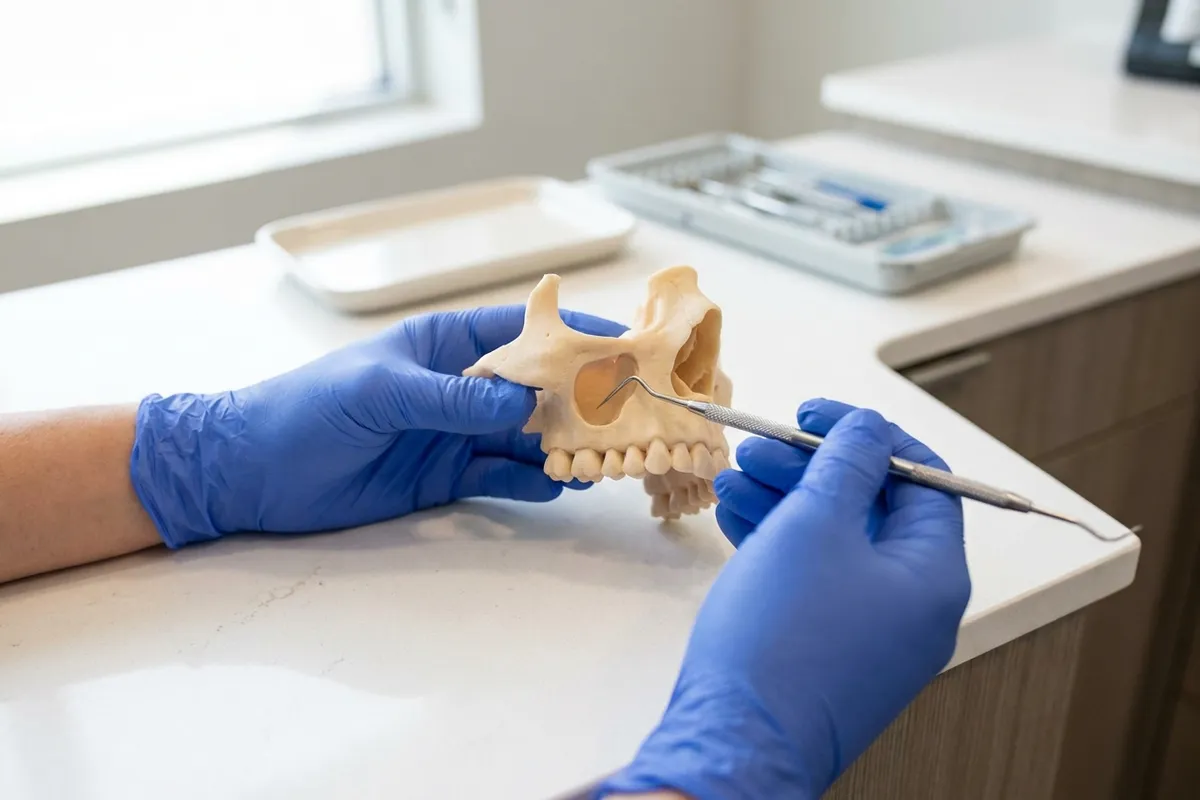
The maxillary sinus is an air space above the upper back teeth, separated from the jaw by its lining and a variable thickness of bone. Sinus augmentation creates space beneath that lining for bone development. It is therefore distinct from simply filling an extraction socket. The remaining bone and the intended implant position guide whether an internal or external approach is appropriate.
Why the Sinus Is Relevant
The maxillary sinus lies above the back upper teeth. Tooth loss and changes in bone height can leave limited space between the jaw ridge and sinus floor. Assessing that relationship helps determine whether augmentation, a different implant plan, or another type of tooth replacement would be appropriate.
After upper back teeth are lost, the bone available beneath the sinus may be insufficient for the planned implant. A lift is considered to address that specific limitation, rather than to treat ordinary tooth pain or every missing upper tooth. Ask how the measurements affect your plan and whether an alternative implant design or another replacement method could avoid augmentation.
- Upper back teeth sit near the maxillary sinus, and available bone height may limit where a dental implant can be placed.
- A sinus augmentation raises the sinus membrane and places graft material to develop additional supporting bone in selected sites.
- The procedure is linked to a particular implant plan; not every missing upper molar or reduced-bone site requires a sinus lift.
Who May Need Assessment
Patients considering implants in the upper back jaw may need an evaluation of the available bone and sinus anatomy. Tell us about sinus symptoms, previous sinus surgery, smoking, and relevant medical conditions. Some findings require further assessment before surgery rather than assuming every site can be treated in the same way.
Tell the surgeon about recurrent sinus infections, nasal symptoms, previous sinus operations, and medical factors affecting healing. Existing sinus disease may need assessment before treatment proceeds. Imaging helps define the sinus anatomy and remaining bone. The decision also considers whether an implant can be stabilized at the same visit or whether the graft needs a separate healing stage first.
- Tell us about sinus symptoms, previous sinus surgery, smoking, and medical or medication factors that could affect healing.
- Ask whether another implant design or a non-implant replacement could meet your needs without the proposed sinus procedure.
- Discuss material preferences and any relevant allergies before the graft and surgical approach are selected for your site.
Timing and Implant Placement
A sinus lift can be a separate stage before an implant, or sometimes occur with placement when conditions are suitable. Healing takes time and is reviewed before further work. The sequence depends on remaining bone and site stability, so a single fixed timeline cannot be promised for every patient.
Assessing Sinus Anatomy and Remaining Bone
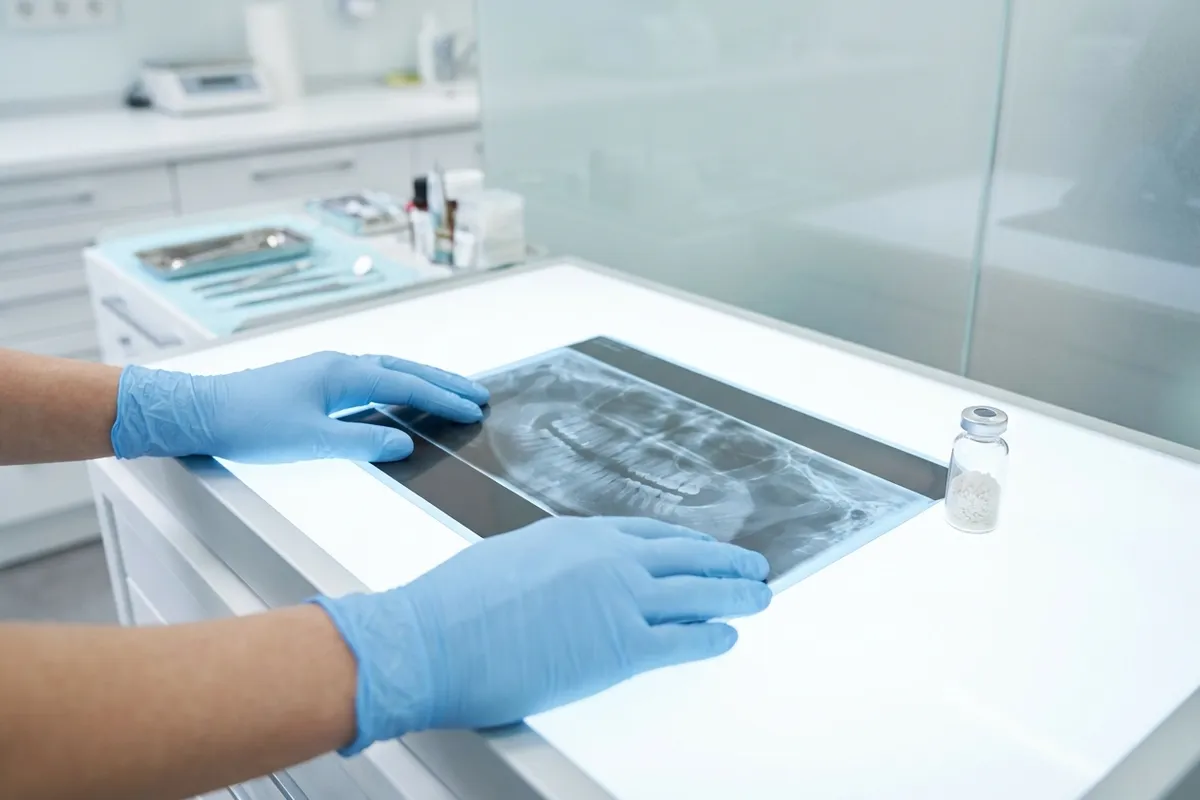
The dentist reviews your health history and examines the proposed implant area. Appropriate imaging helps assess bone height, sinus position, and other features relevant to planning. We discuss the likely stages, graft choices, risks, alternatives, and whether specialist care is needed for the anatomy or procedure involved.
- Selected imaging assesses available bone, sinus anatomy, and the relationship of the site to adjacent structures before planning.
- The approach and whether implant placement happens at the same time or later depend on anatomy and initial bone support.
- Discuss membrane injury, infection, and healing-related risks specific to the procedure, including whether specialist assessment is advisable.
Procedure Options
Different techniques can raise the sinus lining and provide space for graft material. The method follows the clinical assessment rather than the service name alone. We explain comfort planning and how the area will be protected during healing. Alternatives may include another implant strategy or a bridge or denture when appropriate.
Approaches differ in how the sinus lining is accessed and lifted, and whether graft material is added. The surgeon should explain the proposed method and risks such as a tear in the lining or sinus infection. Implant placement may be simultaneous or delayed according to available support. A bridge or removable replacement may offer a different route when augmentation is unsuitable.
Recovery and Precautions
Follow the specific instructions about cleaning, food, activity, and sinus pressure, including any advice about nose blowing or sneezing. Attend healing reviews and report worsening pain, fever, persistent bleeding, or unusual sinus symptoms. The site needs reassessment before the next treatment stage, even when early discomfort has settled.
Follow the surgeon's precautions about nasal pressure, including nose blowing, and ask how long those restrictions apply to your procedure. Take prescribed medicines only as directed and avoid disturbing the mouth wound. Report increasing facial swelling, fever, persistent nasal drainage, or other symptoms identified in your written instructions. Follow-up checks the sinus-related healing as well as readiness for the next implant stage.
- Follow the surgeon's sinus precautions, including guidance about nose blowing and sneezing, for the period advised in your instructions.
- Contact the treating team about unexpected nasal symptoms, fluid passage, increasing swelling, or fever rather than changing aftercare yourself.
- Attend healing checks and wait for confirmation that the site is ready before assuming implant placement or restoration can proceed.
How it works
How a sinus lift works
More bone where the upper jaw needs it.
 1
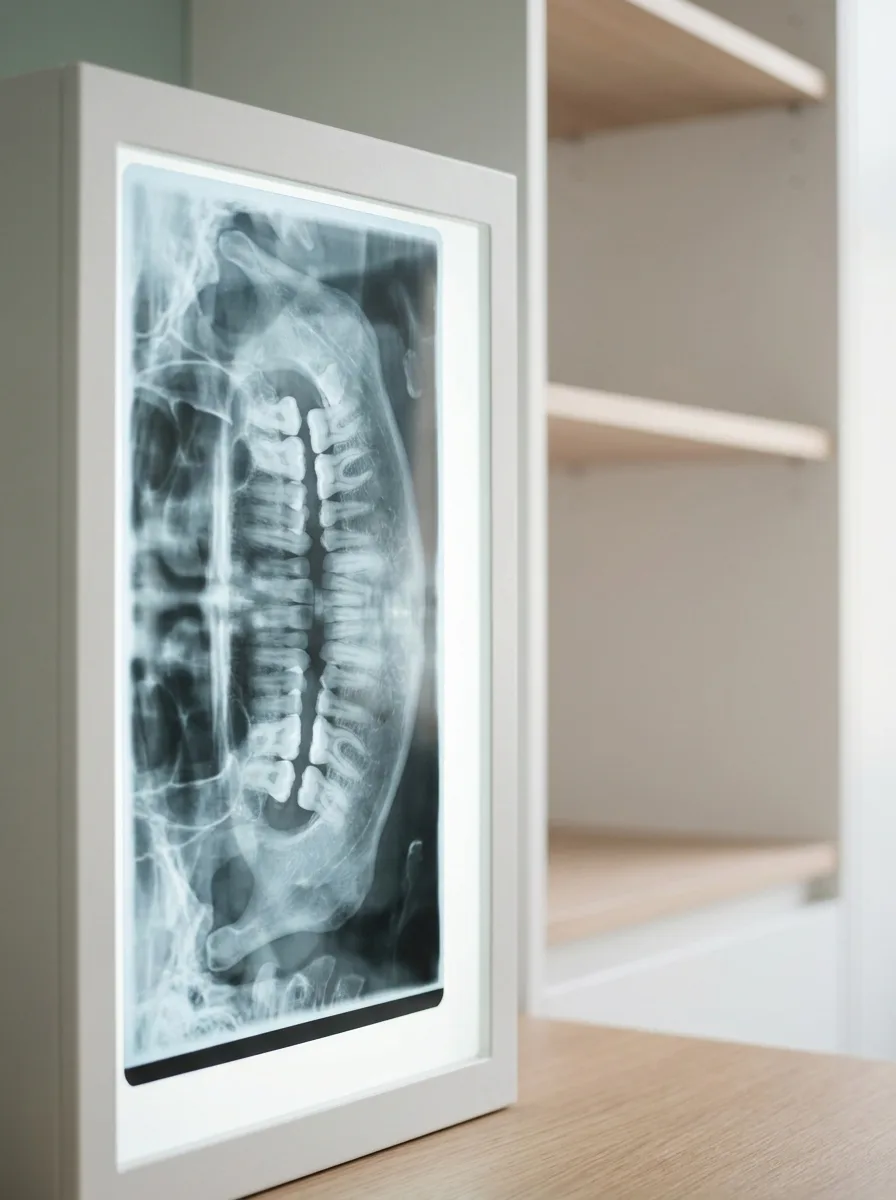
We take images
Imaging shows the height of bone beneath the sinus.
 2
Bone is added
The sinus floor is raised gently and grafting material placed beneath it.
 3
It heals
The graft is allowed to heal and is assessed before the next stage of implant treatment.
Services
Other services
Everything we do, under one roof.
Questions
Frequently Asked Questions
Considering upper-jaw implants? Ask us
About us
Why families choose Happy Smiles
At the same address in Columbia for over fifty years — started by Dr. Brockley, then Dr. Qilin Xu.
Fifty years, one address
543 Locust St has been the practice's home the whole time.
A dentist who knows you
Dr. Xu holds degrees in medicine and dentistry — the same doctor at every visit.
Routine to emergency
Exams and cleanings, fillings, dentures and veneers, whitening — and emergency care when something cannot wait.

Visit us
We're waiting for you in Columbia
543 Locust St
Columbia, PA 17512
- Monday – Thursday
- 8:00AM – 5:00PM