Crowns & Bridges in Columbia, PA, serving Lancaster and York Counties
A crown covers and protects a tooth that is cracked, worn or heavily filled. A bridge replaces a missing tooth by anchoring to the teeth beside the gap.
Protecting Teeth with Crowns and Filling Gaps with Bridges
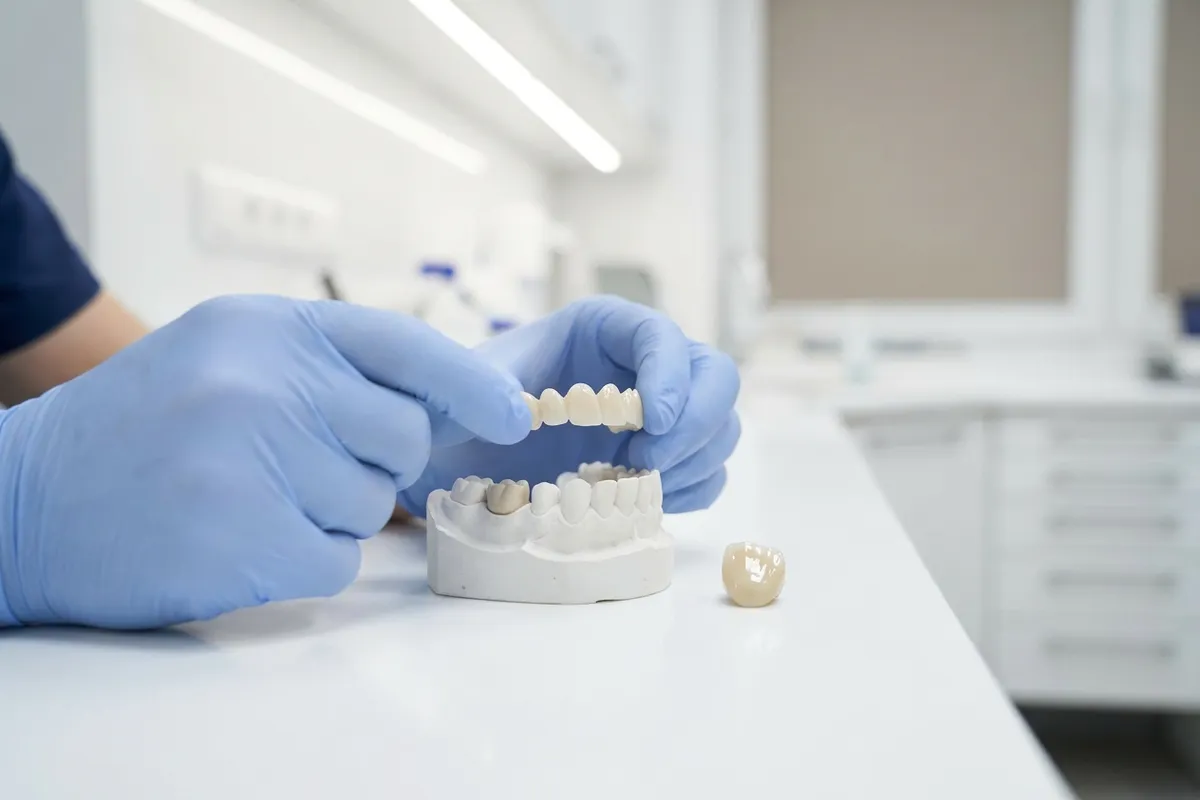
A crown covers and restores a damaged tooth, while a bridge replaces a missing tooth using support from neighboring teeth or implants. These restorations can help with chewing, tooth shape, and appearance. The right design depends on the condition of the supporting teeth and your overall bite.
A crown surrounds a prepared tooth to restore its shape and protect remaining structure. A bridge spans a gap, with the replacement tooth connected to supporting teeth or implants. These designs address different situations even when they use similar materials. For either one, the margins, supporting tissues, and bite need assessment so the restoration can function and be kept clean.
Why a Crown or Bridge May Help
A tooth with extensive damage, a large restoration, or certain fractures may benefit from coverage. A bridge can fill a gap when its supporting teeth or implants are suitable. We assess the whole area so that restoring one tooth does not overlook decay, gum disease, or problems with the bite.
A heavily filled tooth may need coverage because its remaining walls are vulnerable to fracture. A bridge, by contrast, may address the loss of a tooth and the resulting gap in chewing or appearance. Neither is chosen simply because a tooth looks imperfect. The dentist should explain the structural problem or missing-tooth need that the proposed crown or bridge addresses.
- A crown covers a damaged tooth when a smaller restoration may not provide sufficient support or protection for everyday function.
- A bridge replaces one or more missing teeth using appropriate supports; supporting teeth or implants need their own assessment.
- These restorations can improve shape and chewing, but they do not make natural supporting teeth immune to decay or gum problems.
Signs That Need Assessment
A broken tooth, repeated filling failure, pain on chewing, or difficulty eating after losing a tooth deserves examination. Not every damaged tooth needs a crown, and not every gap is best treated with a bridge. Symptoms and the amount of healthy tooth structure help guide the recommendation.
The condition of a tooth beneath a crown matters as much as the material on top. Deep cracks, decay, or poor gum support can change its prognosis. A tooth-supported bridge also places demands on the neighboring teeth. Ask whether those supports are suitable and what preparation they require, especially if adjacent teeth are currently intact and healthy.
- Tell us about cracks, large fillings, root canal treatment, and sensitivity that may affect the condition of the proposed supporting tooth.
- For a bridge, the health and arrangement of neighboring supports influence whether that design is appropriate compared with other replacements.
- Discuss grinding, esthetic preferences, and difficulty cleaning under dental work so material choice and design account for daily use.
When to Begin Treatment
Treatment may be planned after addressing active decay, gum problems, or root canal needs. Custom work can involve preparation, a temporary restoration, and a later fitting appointment. A missing tooth replacement should be considered alongside healing, neighboring tooth health, and alternatives rather than rushed for appearance alone.
Checking the Teeth That Will Support a Crown or Bridge
We examine the teeth, gums, and bite and review appropriate images. For a bridge, the strength and condition of its supports are especially important. We discuss material choices, cleaning access, and likely maintenance. An implant or removable replacement may be preferable in some situations.
- Examination and selected images assess supporting roots and remaining structure before preparation and impressions or scans are arranged.
- A temporary crown or bridge may protect prepared teeth while the final restoration is fabricated; ask how to care for it.
- At fitting, margins, contacts, appearance, and the bite are checked; persistent early contact on one tooth should be reported.
Restoration Options and Placement
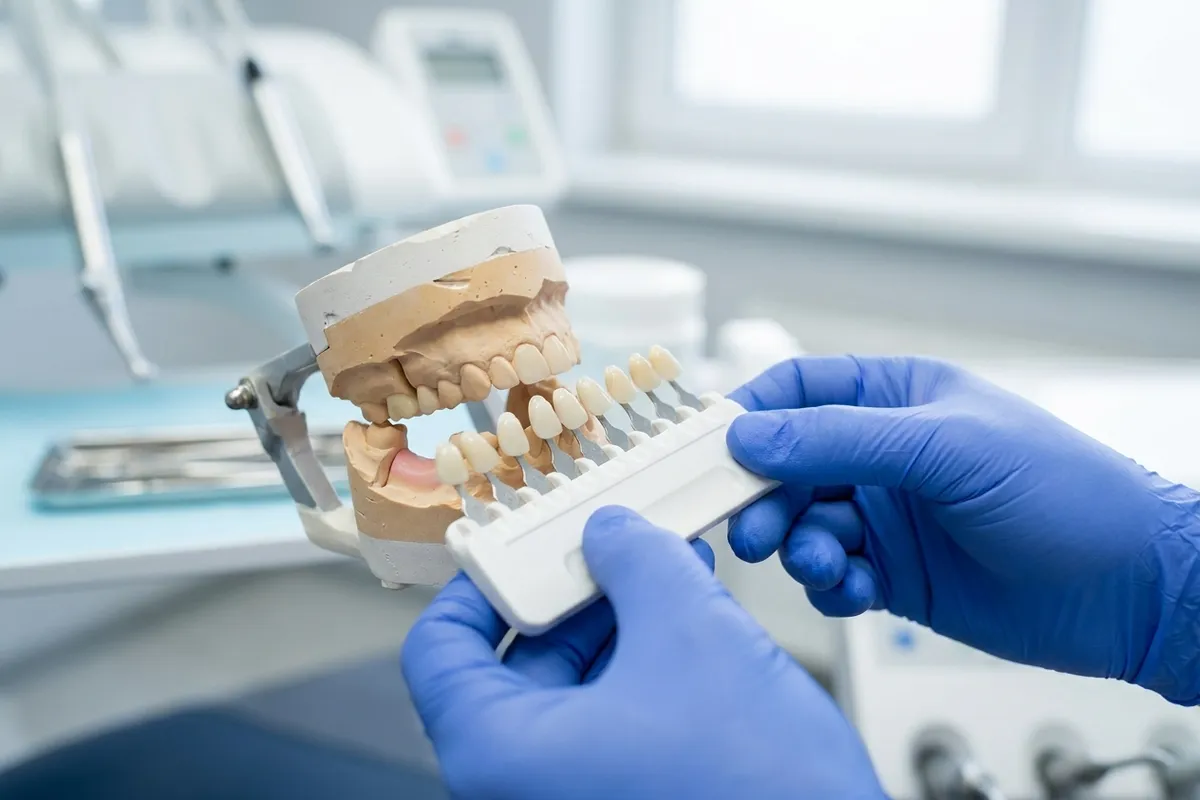
A prepared tooth or implant is recorded with an impression or digital scan. The custom crown or bridge is checked for fit, shade, contacts, and bite before final placement. Temporary restorations may protect prepared teeth during fabrication. We explain the sequence and how to care for each stage.
Depending on the damage, an onlay or filling may preserve more tooth structure than a full crown. For a missing tooth, an implant or removable partial denture may be considered alongside a bridge. Discuss temporary restorations, material choices, and appointment stages. The comparison should include how supporting teeth are changed and how each design will be cleaned and repaired.
Aftercare and Maintenance
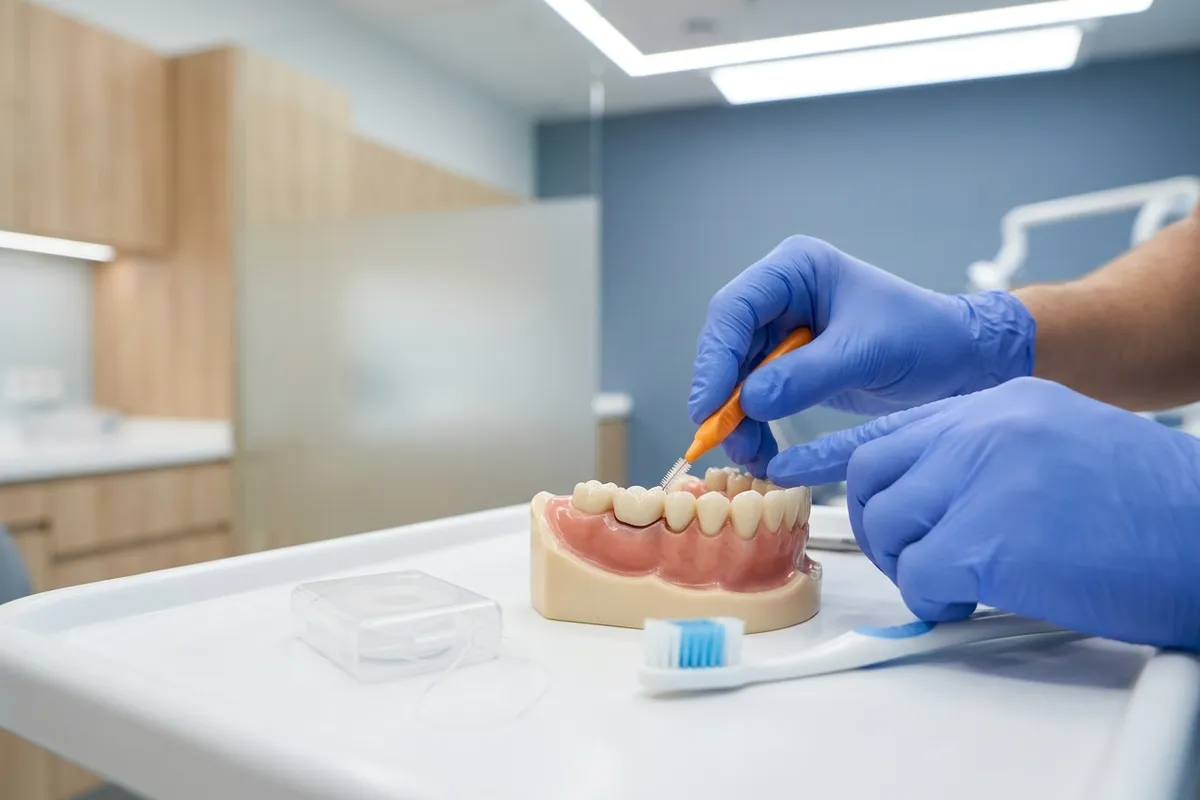
Clean crown margins carefully and use a suitable tool beneath a bridge’s replacement tooth. Restorations do not make supporting teeth immune to decay or gum disease. Contact us about a loose restoration, persistent discomfort, or a bite that feels high. Regular reviews help detect problems early and assess wear.
Clean along crown margins and, for a bridge, beneath the replacement tooth using the aid demonstrated by the clinician. The supporting natural teeth can still develop decay or gum disease. Avoid pulling at a loose restoration or trying to cement it yourself. Report a persistent high bite, food trapping, a chipped surface, or movement so the support and fit can be checked.
- Use the demonstrated method to clean beneath a bridge as well as around the supporting teeth and gumline.
- Follow temporary-restoration restrictions and call if the temporary comes off; exposed prepared teeth should not be ignored until the final appointment.
- Arrange assessment for a loose restoration, new food trapping, a chipped edge, or persistent sensitivity rather than relying on household adhesives.
How it works
How a crown is made
Two visits, one tooth made strong again.
 1
The tooth is prepared
The tooth is numbed and shaped so the crown can sit over it.
 2
An impression is taken
We take an impression and fit a temporary crown while the final one is made.
 3
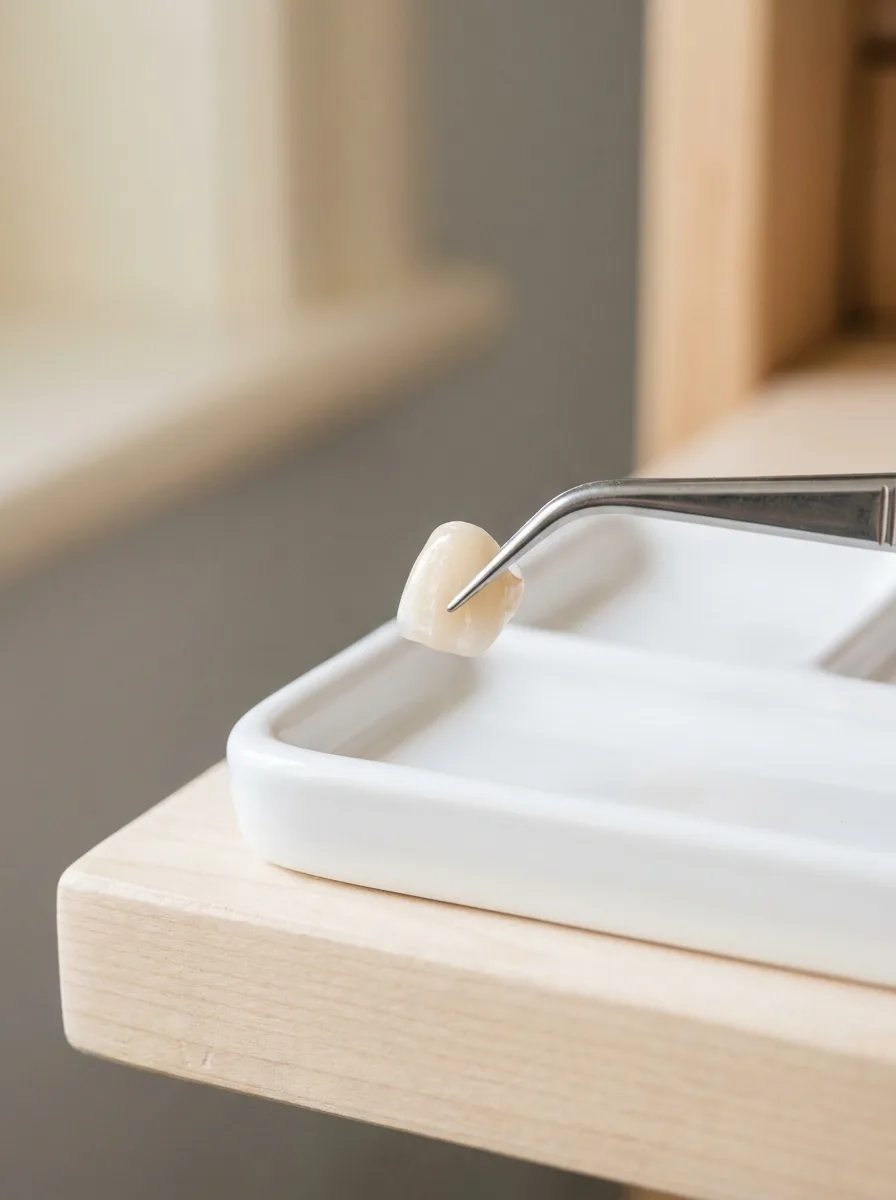
The crown is fitted
The finished crown is checked for fit, bite and colour, then cemented in place.
Services
Other services
Everything we do, under one roof.


Questions
Frequently Asked Questions
Questions about crowns or bridges? Ask us
About us
Why families choose Happy Smiles
At the same address in Columbia for over fifty years — started by Dr. Brockley, then Dr. Qilin Xu.
Fifty years, one address
543 Locust St has been the practice's home the whole time.
A dentist who knows you
Dr. Xu holds degrees in medicine and dentistry — the same doctor at every visit.
Routine to emergency
Exams and cleanings, fillings, dentures and veneers, whitening — and emergency care when something cannot wait.

Visit us
We're waiting for you in Columbia
543 Locust St
Columbia, PA 17512
- Monday – Thursday
- 8:00AM – 5:00PM