
Bone Grafting in Columbia, PA, serving Lancaster and York Counties
The jawbone shrinks where a tooth has been missing. A bone graft rebuilds that area so it can support a dental implant or keep its natural shape.
What a Bone Graft Adds to a Dental Treatment Plan
Bone grafting may support the development or preservation of bone for a planned dental treatment. It is considered when a site lacks suitable bone or when maintaining an extraction ridge matters for later replacement. A graft is one stage of a plan and does not guarantee readiness for an implant.
A graft adds material at a site where bone development or preservation is needed for the next treatment step. The material provides a framework while healing occurs; it does not become a finished implant site immediately. Socket preservation after extraction and rebuilding a larger ridge are different procedures. Ask which type of defect is being addressed and how the planned restoration depends on it.
Why Bone Volume Matters
Tooth loss and periodontal disease can change the amount and shape of supporting bone. That can affect where an implant might be placed and how a replacement will function. Assessing the site before extraction or implant care helps clarify whether grafting adds value and whether a nonsurgical replacement option is preferable.
Bone volume may be reduced after tooth loss or disease, leaving too little support for an intended implant position. A graft may help create a more suitable site, but the need depends on the replacement plan and existing anatomy. If no implant is planned, the reason for grafting should still be clear. More bone is not a goal separate from a defined clinical purpose.
- An area with reduced bone may need augmentation when its shape or volume is insufficient for a planned dental implant.
- Bone loss can follow tooth loss or disease; a graft is planned around the specific defect and the intended next treatment stage.
- Grafting may improve a site's suitability, but it does not guarantee implant placement or a successful final restoration in every case.
Who May Be a Candidate
Suitability depends on the defect, gum health, infection, medical history, medicines, and habits such as smoking. Not every missing tooth or implant site needs a graft. Some situations need a specialist assessment or a different approach, particularly when the site or health factors make the proposed surgery more complex.
The surgeon considers the size of the defect, the health of the surrounding tissues, and factors that may affect wound healing. Discuss smoking, diabetes, medicines affecting bone, and previous jaw surgery. The source of the proposed material also deserves discussion, including personal preferences. Suitability includes whether you can protect the wound and attend reassessment before the next stage is scheduled.
- Discuss the proposed tooth replacement first so you understand why bone augmentation is recommended and whether another design avoids that surgery.
- Mention smoking, diabetes, medicines affecting bone, and previous healing difficulties because these can influence surgical planning and risk.
- Ask about the source and purpose of the graft material if you have medical, personal, or religious preferences about materials.
Timing and Healing Stages
A graft may be placed at extraction, before implant surgery, or as part of another procedure in selected cases. Healing commonly requires a period of months, but the schedule varies. Readiness for the next stage is determined by assessment of the site rather than a calendar date alone.
Measuring the Bone Needed for the Next Treatment Stage
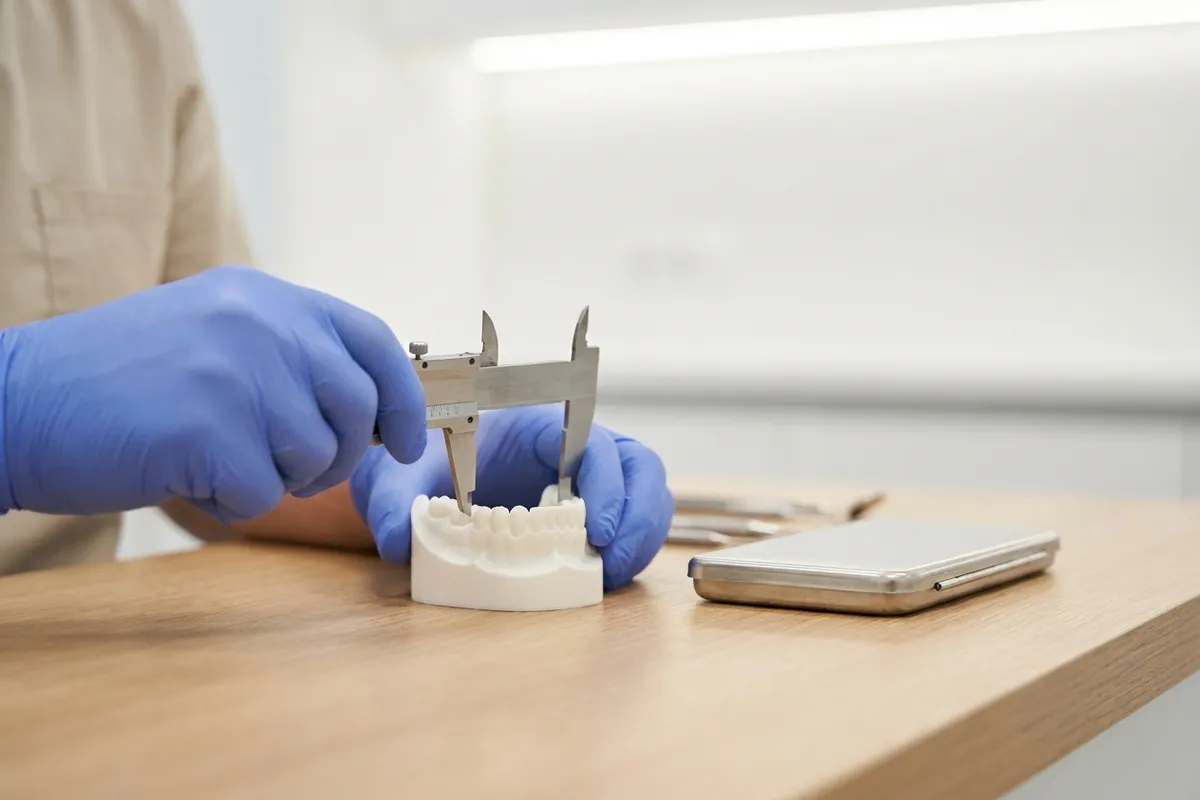
We examine the teeth, gums, and proposed treatment area and review appropriate images to assess the bone and nearby anatomy. We discuss the purpose of grafting and factors that affect healing. The plan includes material choices, likely stages, alternatives, and whether a specialist should be involved.
- Examination and suitable imaging assess the defect, nearby structures, soft tissues, and space required for the planned replacement.
- Some grafts are placed around an extraction site, while other defects need a separate procedure; timing depends on the findings.
- Clarify whether the plan includes a membrane, stitches, a temporary appliance, and later reassessment before an implant can be considered.
Grafting Options and Treatment
Graft materials can come from different sources and act as a framework for healing and bone development. The technique depends on the size and location of the defect. We explain the proposed material, comfort measures, and any protective membrane or related procedure before treatment decisions are made.
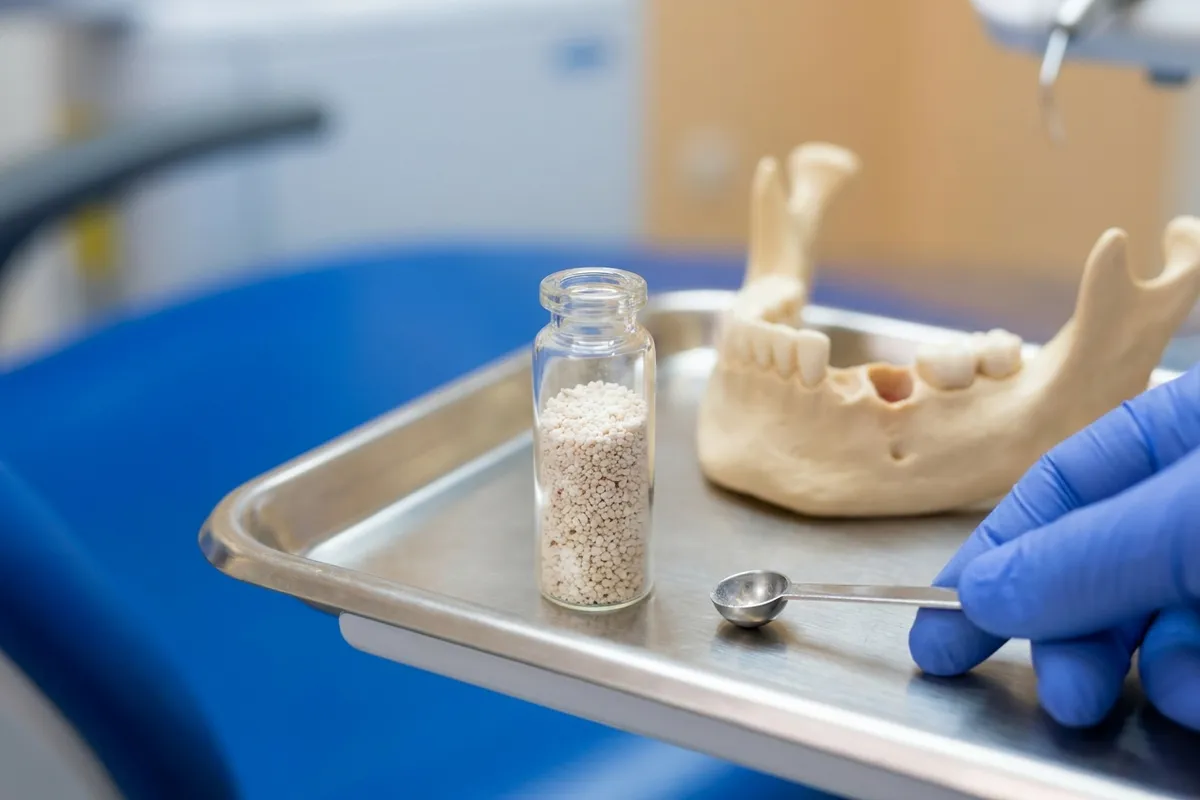
Graft materials may come from your own bone, processed human or animal sources, or synthetic materials, depending on the procedure. Some plans use a protective membrane. Ask about the material's purpose, alternatives, and whether a separate donor site is involved. Implant placement may occur later or, in selected circumstances, at the same visit; that choice requires assessment of the site's support.
Recovery and Follow-Up
Follow instructions for food, cleaning, activity, and medicines while protecting the surgical site. Attend reviews so healing can be assessed. Report increasing pain, swelling, or bleeding that does not settle as instructed. The result must be evaluated before later treatment, and additional grafting or another replacement approach may still be needed.
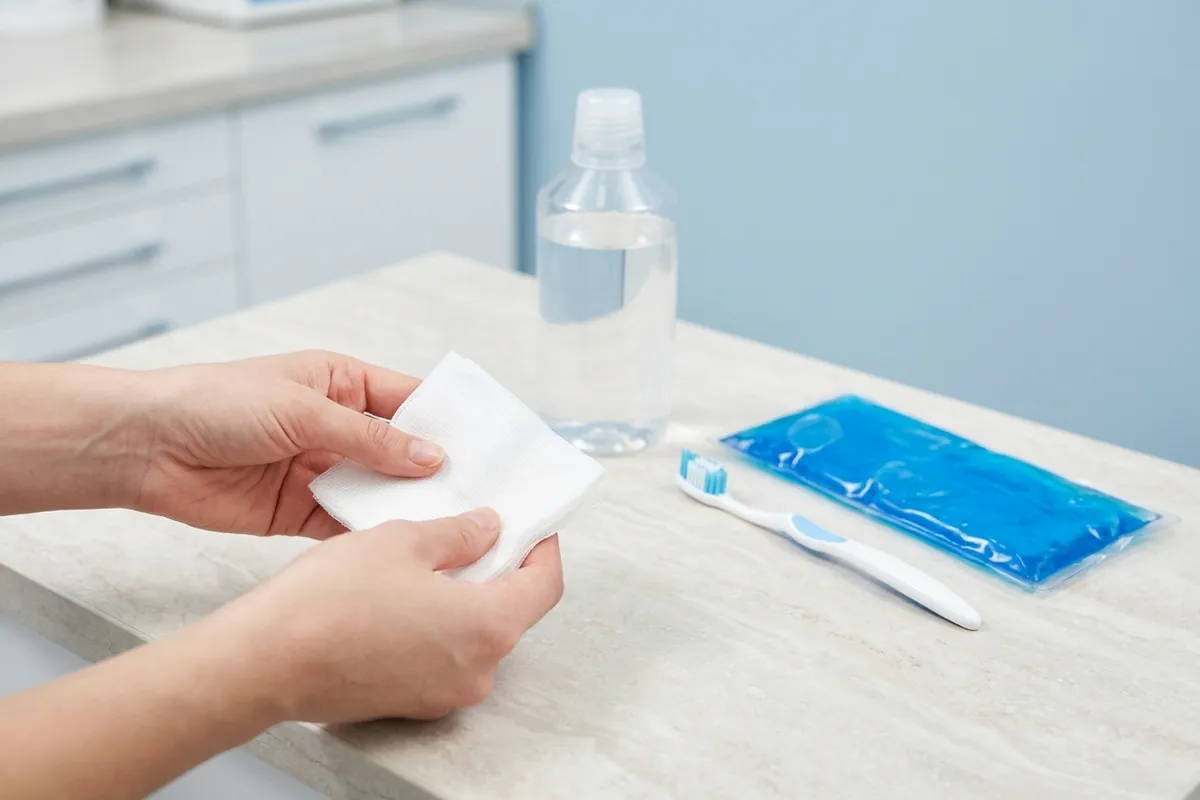
Protect the graft and any membrane according to the surgeon's instructions, including restrictions on pressure from a temporary denture. Do not pull at stitches or probe the site to test whether the material is secure. Report increasing swelling, persistent bleeding, or wound changes. Clinical review, with imaging when indicated, determines whether healing supports the next stage rather than a fixed calendar promise.
- Avoid disturbing the graft and follow site-specific instructions for brushing, rinsing, eating, and any removable appliance over the area.
- Keep healing reviews because readiness for the next stage depends on assessment, not just the passage of a fixed number of weeks.
- Report increasing swelling, fever, persistent bleeding, or an opening at the site so the treating clinician can assess healing.
How it works
How grafting works
A careful step towards a lasting tooth replacement.
 1
We assess the bone
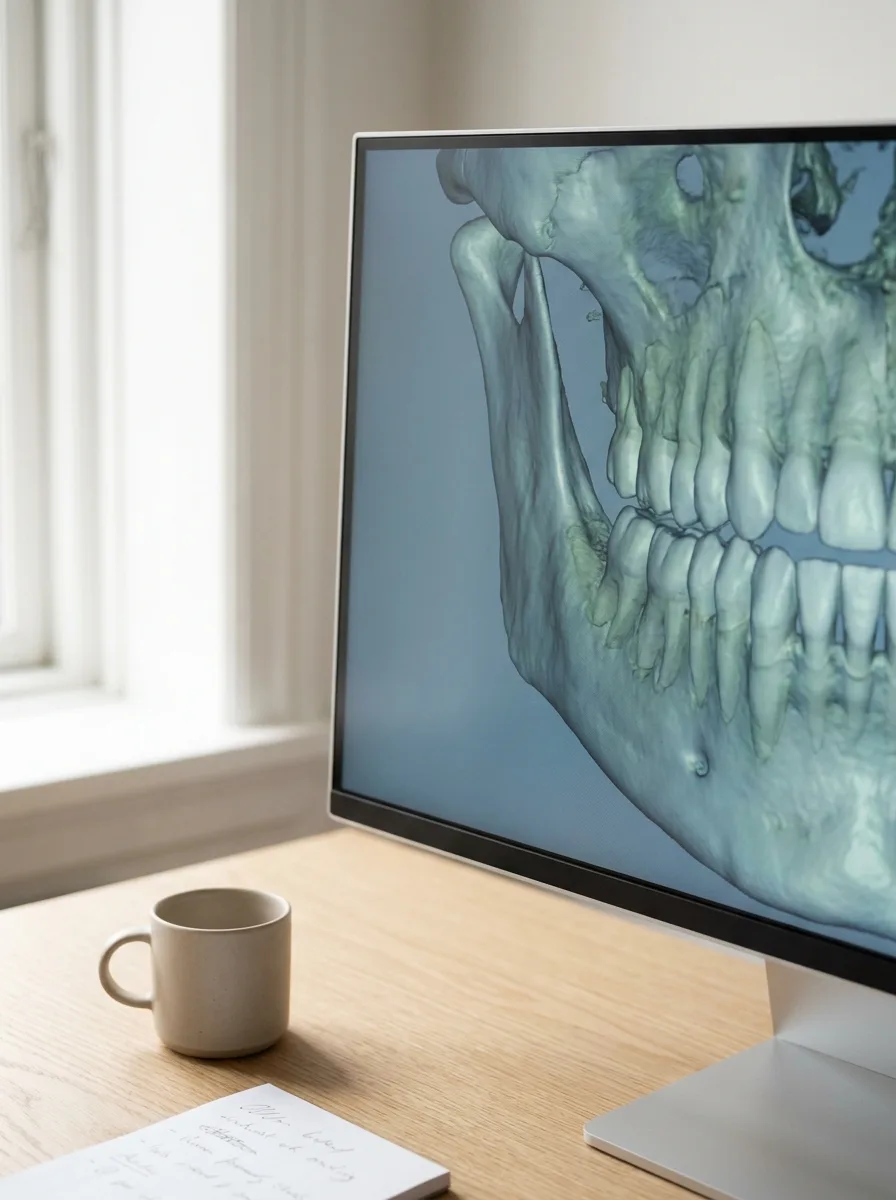
An exam and imaging show how much bone there is and where it is needed.
 2
The graft is placed
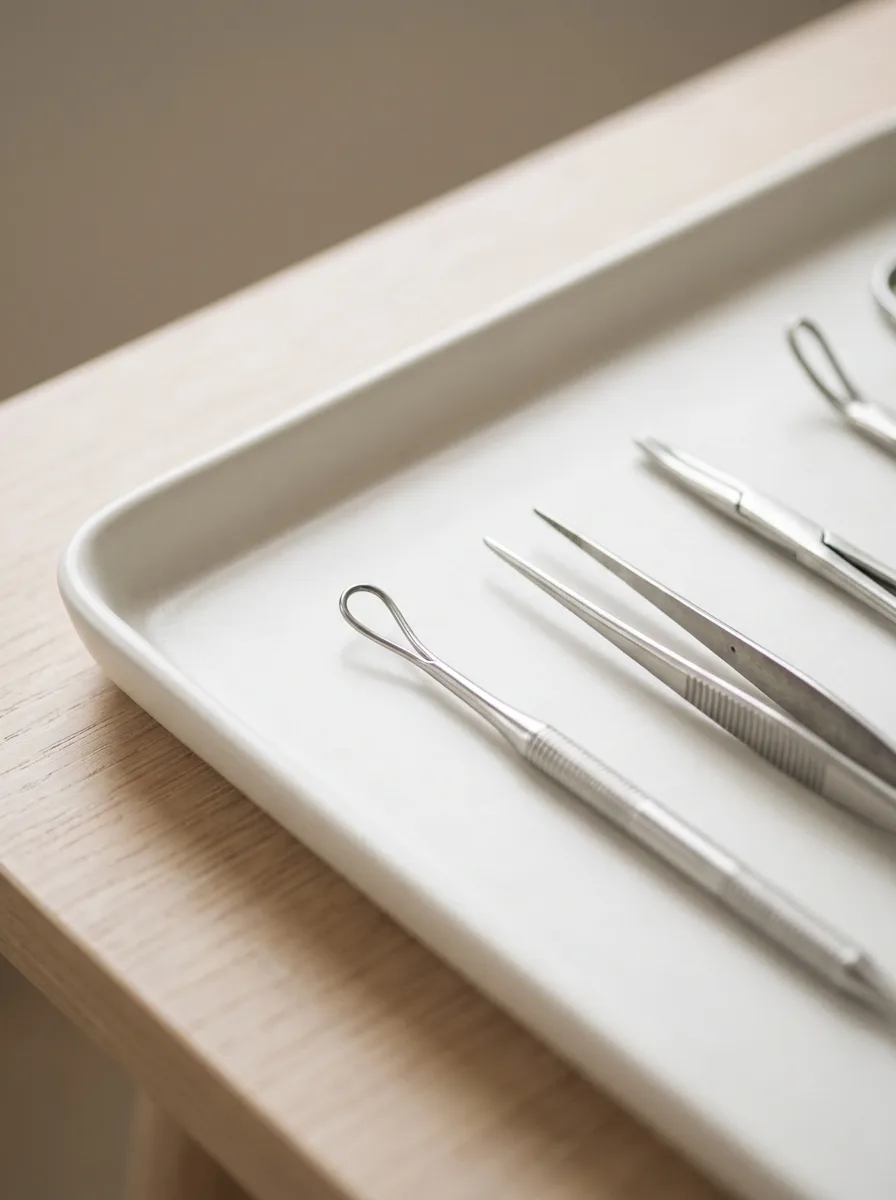
With the area numb, the material is placed and the gum is closed over it.
 3
The bone heals
The graft needs time to heal. An exam and imaging determine whether the site is ready for the next step.
Services
Other services
Everything we do, under one roof.

Questions
Frequently Asked Questions
Questions about bone grafting? Ask us
About us
Why families choose Happy Smiles
At the same address in Columbia for over fifty years — started by Dr. Brockley, then Dr. Qilin Xu.
Fifty years, one address
543 Locust St has been the practice's home the whole time.
A dentist who knows you
Dr. Xu holds degrees in medicine and dentistry — the same doctor at every visit.
Routine to emergency
Exams and cleanings, fillings, dentures and veneers, whitening — and emergency care when something cannot wait.

Visit us
We're waiting for you in Columbia
543 Locust St
Columbia, PA 17512
- Monday – Thursday
- 8:00AM – 5:00PM