Veneers in Columbia, PA, serving Lancaster and York Counties
Veneers can change the visible color or shape of teeth by covering their front surface. The dentist first checks your teeth, gums, and bite and explains what preparation, maintenance, and alternatives may be involved.
What Veneers Change on a Tooth's Front Surface
Veneers cover the front surface of selected teeth to change shape, color, or proportion. They may be made from porcelain or composite resin. Veneers are a cosmetic option for suitable teeth, but placement can involve irreversible enamel removal and future maintenance. They should be considered alongside more conservative alternatives.
A veneer changes the visible front surface of a tooth, so its thickness, edge shape, and shade are planned around that tooth and the neighboring smile. It differs from a crown that covers more of the tooth. Preparation may remove enamel and make the decision irreversible. The amount of preparation and the material should be explained before you agree to treatment.
Why Veneers May Be Considered
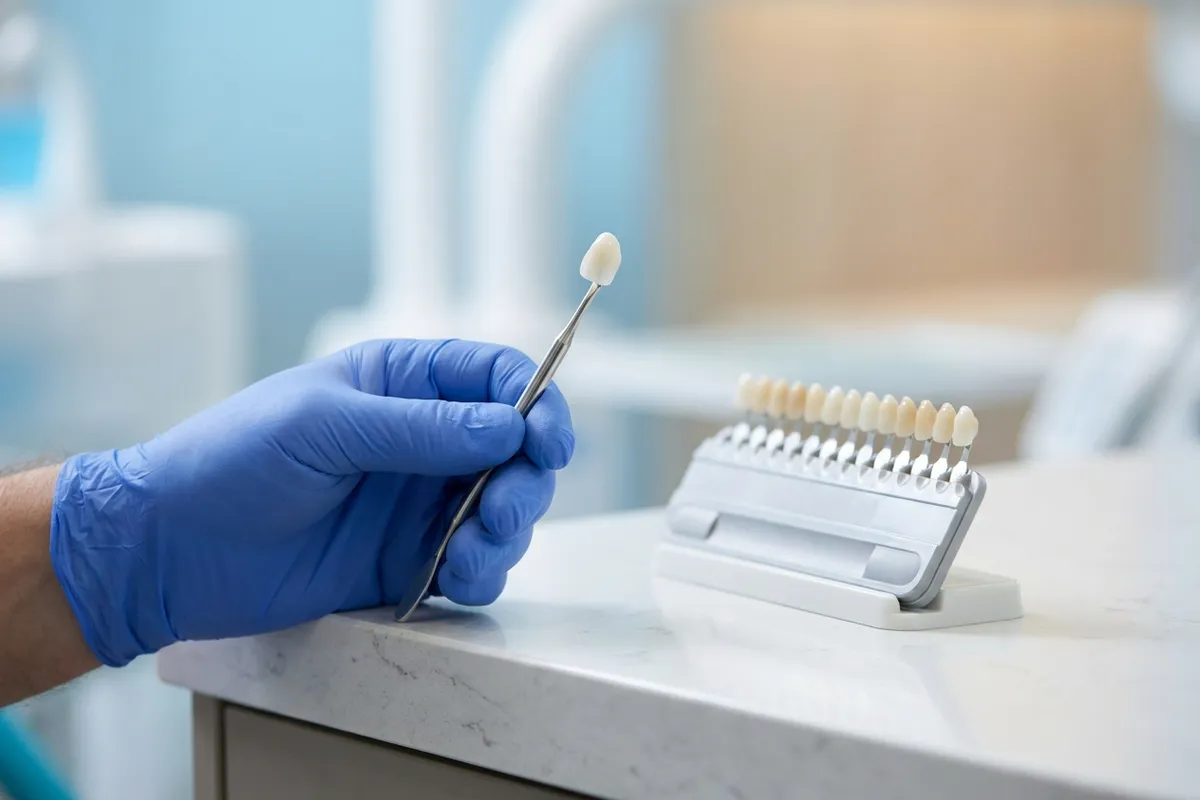
Persistent discoloration, small chips, uneven edges, or certain shape differences may be addressed with veneers. The aim is a design that works with your smile and bite. Veneers do not replace treatment for active decay or gum disease and are not a solution for every crack or severely misaligned tooth.
Veneers may be considered for selected chips, shape differences, or discoloration after the teeth and bite are assessed. They can disguise some appearance concerns without moving the roots or correcting every bite problem. If spacing or alignment is the main issue, ask whether orthodontic movement would be more suitable. A cosmetic covering should have a clear purpose beyond making every tooth match.
- Veneers cover the visible front surface of selected teeth and may address suitable concerns about shape, color, or small irregularities.
- A veneer does not reposition a root or treat active decay; the underlying concern may require another approach first.
- Bonding, whitening, or orthodontics may meet some appearance goals with different preparation needs, so compare these before choosing veneers.
Who May Be a Candidate
We assess enamel, tooth structure, gum health, and bite forces before recommending veneers. Grinding or clenching can affect fracture risk and may need management. Let us know about sensitivity and previous restorations. Suitability is based on the individual teeth rather than a desire to cover every visible tooth.
The dentist assesses enamel, existing restorations, gum health, and the forces on the proposed veneers. Grinding, clenching, or a deep bite may increase the risk of damage or change the plan. Discuss what you expect from their shape and color, including how they will look beside untreated teeth. Unhealthy teeth or gums need attention before a veneer is placed.
- Enough suitable tooth structure and a manageable bite are important for planning; worn or heavily restored teeth may need other options.
- Mention grinding, nail biting, or habits of chewing hard objects because these can place stress on veneers and underlying teeth.
- Understand whether enamel preparation is proposed and irreversible; do not assume every veneer can be removed without changing the tooth.
Timing and Design Decisions
Planning comes before preparation. Whitening or orthodontic movement may be considered first so fewer teeth need irreversible changes. Porcelain veneers generally involve a fabrication stage; composite approaches may follow a different sequence. We discuss the likely appointments, temporary restorations when needed, and how design choices will be reviewed.
Checking Enamel, Gum Health, and Veneer Suitability
We examine your teeth and gums, assess the bite, and use photographs, scans, and appropriate imaging to guide planning. Smile design or a trial can help discuss proportions and expectations. We explain preparation needs, limitations, and alternatives, including what could happen if a veneer later chips or needs replacement.
- The dentist assesses enamel, existing restorations, gum health, and tooth position alongside the appearance changes you would like.
- Shade, length, and shape are planned with the smile and bite in mind rather than copying another person's teeth exactly.
- Ask whether a preview, temporary stage, or laboratory fabrication is involved, and how the final fit and bite will be checked.
Veneer Options and Placement
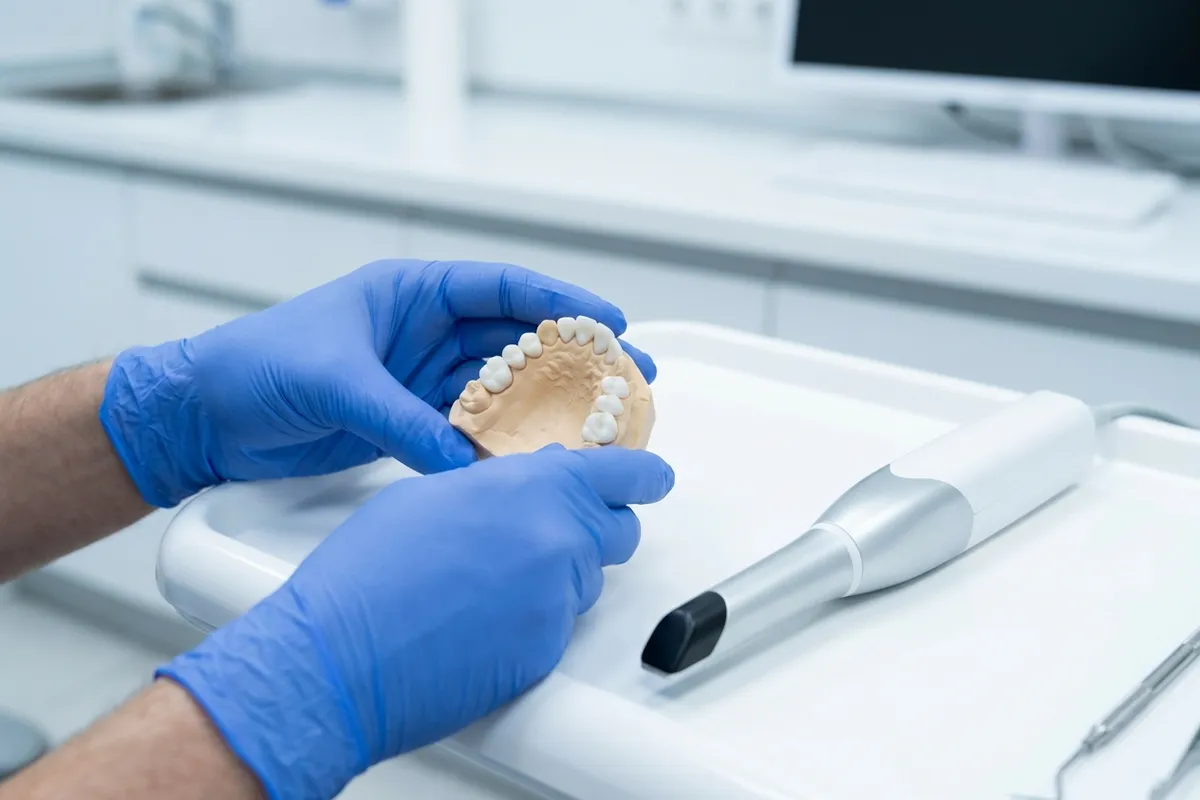
Porcelain veneers are custom fabricated, while composite resin can be shaped and bonded directly in suitable cases. Both have tradeoffs in appearance, repair, preparation, and durability. The chosen veneers are checked for fit and bite before final placement, with the shade coordinated to the surrounding teeth and any planned whitening.
Porcelain and composite veneers differ in preparation, fabrication, repair, and resistance to staining or wear. Bonding a limited area may be enough for a small chip; whitening may suit a color concern without changing shape. Ask about the fitting stages and whether temporary coverings are needed. Review the proposed appearance before irreversible preparation, while recognizing that previews cannot guarantee an exact result.
Aftercare and Maintenance
Brush, clean between teeth, and keep regular dental visits. Avoid biting hard objects and use a protective appliance if recommended for your situation. Veneers can chip, loosen, or need replacement, and the tooth beneath can still develop decay. Report persistent sensitivity or bite discomfort so it can be assessed.
Brush and clean between veneered teeth because the underlying tooth and the veneer margins still need protection from decay. Avoid biting hard objects and report a chip, loose edge, persistent sensitivity, or an uncomfortable bite. A damaged veneer may need repair or replacement rather than polishing alone. Any recommended protection for grinding should be fitted and reviewed for your particular bite.
- Clean along the margins daily and keep preventive visits; the natural tooth behind a veneer remains vulnerable to decay.
- Avoid biting hard objects and report chips, movement, or a changed bite instead of attempting to rebond a veneer yourself.
- Veneers can need repair or replacement over time; discuss maintenance and any protective appliance recommended for your particular bite.
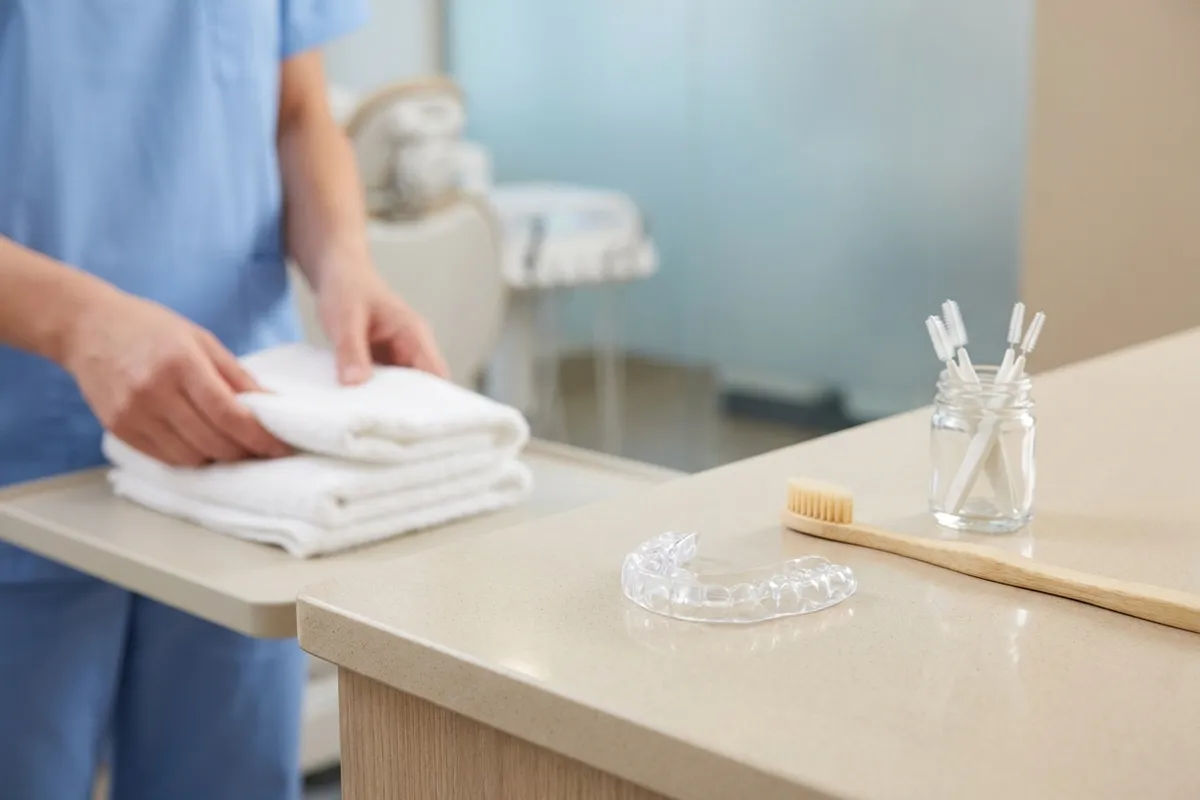
How it works
How veneers work
Agreed with you before anything is prepared.
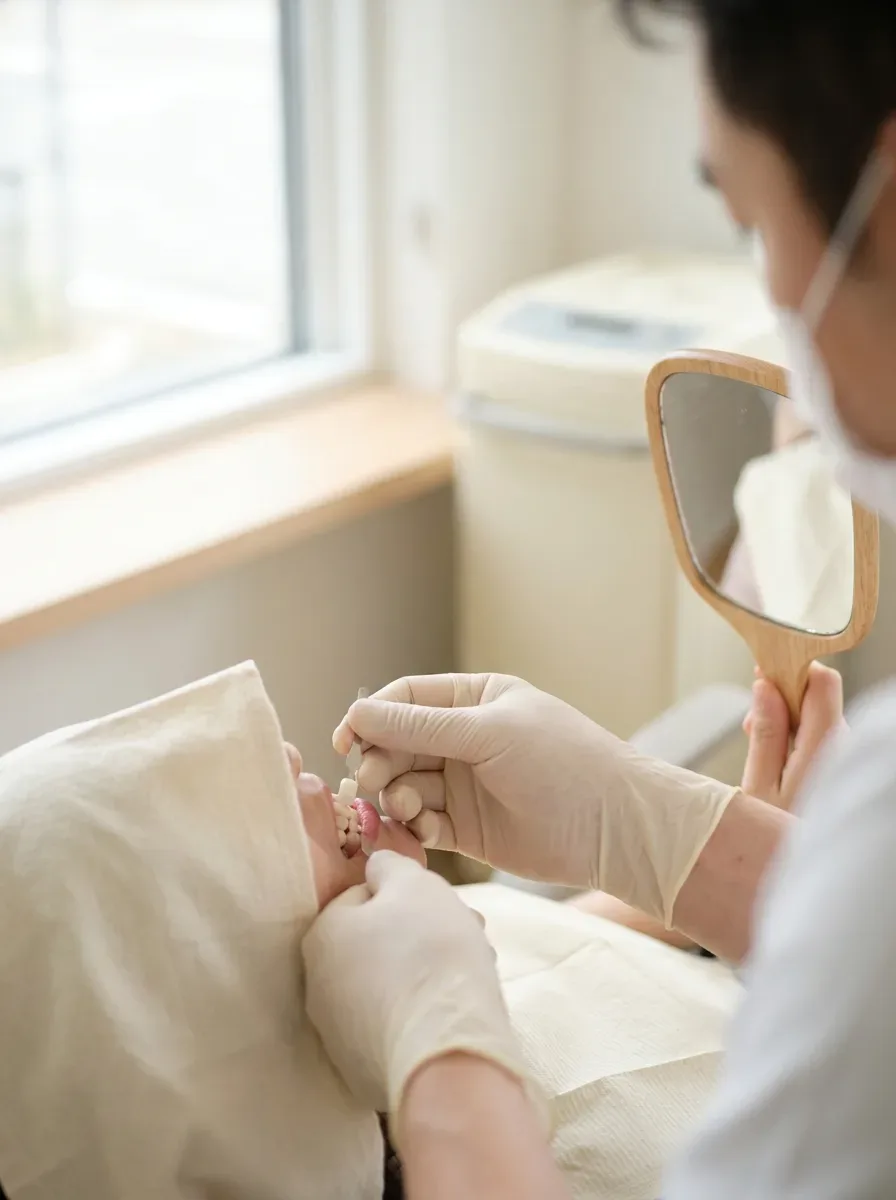 1
Shape and shade agreed
What you want to change is settled first, and the shade is chosen with you.
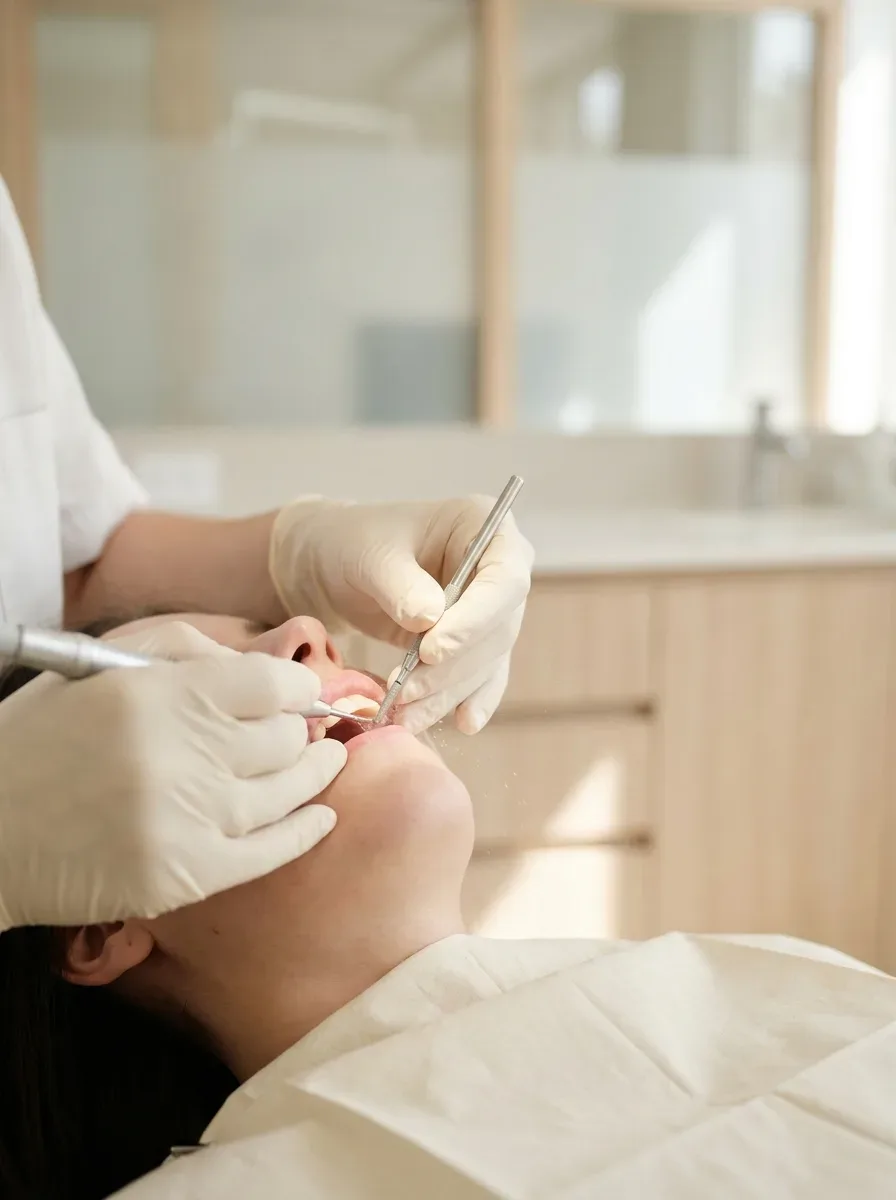 2
The tooth is prepared
A thin layer of the front surface is prepared so the veneer sits flush rather than standing proud.
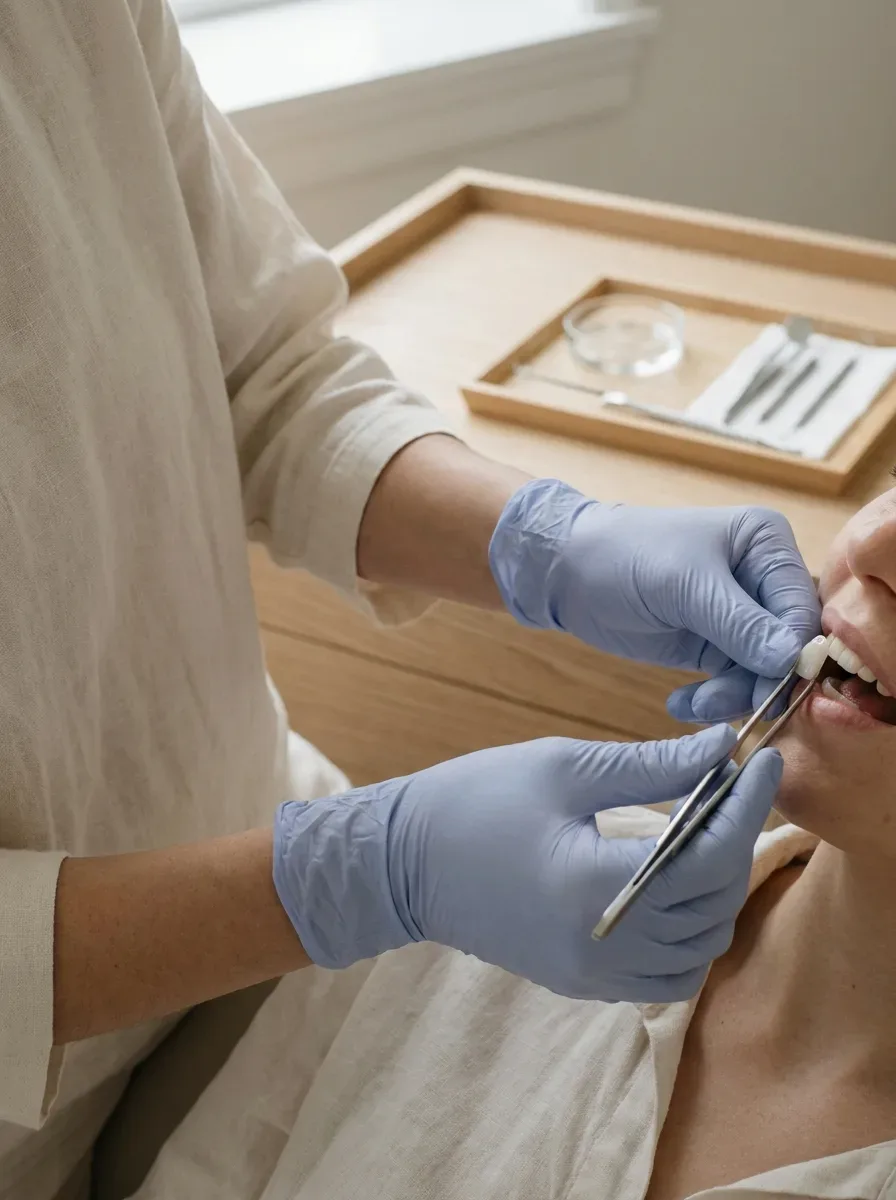 3
The veneer is bonded
The custom-made veneer is fitted and bonded to the tooth.
Services
Other services
Everything we do, under one roof.

Questions
Frequently Asked Questions
Questions about veneers? Ask us
About us
Why families choose Happy Smiles
At the same address in Columbia for over fifty years — started by Dr. Brockley, then Dr. Qilin Xu.
Fifty years, one address
543 Locust St has been the practice's home the whole time.
A dentist who knows you
Dr. Xu holds degrees in medicine and dentistry — the same doctor at every visit.
Routine to emergency
Exams and cleanings, fillings, dentures and veneers, whitening — and emergency care when something cannot wait.

Visit us
We're waiting for you in Columbia
543 Locust St
Columbia, PA 17512
- Monday – Thursday
- 8:00AM – 5:00PM