Routine Exams & Cleaning in Columbia, PA, serving Lancaster and York Counties
At Happy Smiles at Columbia, routine exams and cleaning form the foundation of your dental health. We use gentle techniques to keep you comfortable while minimizing the need for complex procedures later on.
What an Exam and Cleaning Check
An examination checks your teeth, gums, mouth, and existing dental work. A cleaning removes plaque and hardened tartar that home brushing cannot always manage. Together they support prevention and help identify concerns before they become painful. At Happy Smiles at Columbia, the findings guide a plan for your individual needs.
The examination and cleaning answer different questions. The exam looks for changes in tooth surfaces, gums, oral tissues, and previous dental work; the cleaning removes deposits from accessible surfaces. Findings such as deep gum pockets can change the type of cleaning recommended. Ask how today's findings compare with earlier records, particularly if an area is being monitored over time.
Why Preventive Visits Matter
Decay, gum inflammation, and damaged restorations can develop without obvious symptoms. Professional cleaning also reaches deposits you cannot remove with a toothbrush. A routine visit gives you time to discuss changes, review your home care, and understand which findings need treatment or monitoring rather than assuming every visit requires a procedure.
A tooth can develop decay between visits without causing pain, and a crown can feel normal even when its edge needs attention. Regular examinations give the dentist an opportunity to compare these areas and identify changes. Cleaning helps manage accumulated deposits, but a cavity, loose restoration, or deeper periodontal problem may require a separate appointment and treatment discussion.
- Early cavities may have no symptoms; an examination can identify areas needing prevention, monitoring, or a restorative discussion.
- Tartar at the gumline cannot reliably be removed with home brushing and may contribute to ongoing irritation.
- Existing fillings and crowns need checks for damage and problems at their edges, even when they still feel comfortable.
Changes Worth Mentioning
Tell us about bleeding gums, tooth sensitivity, food catching, broken dental work, or discomfort when chewing. Bring questions about medicines that make your mouth dry and areas you struggle to clean. A nonhealing sore or new change in your mouth deserves assessment even if your next routine appointment is not yet due.
If your last visit was several years ago, explain what has changed rather than trying to prepare your mouth by aggressive brushing. Mention previous X-rays, gum treatment, and dental anxiety so records and appointment needs can be considered. Someone with established periodontitis may need periodontal maintenance instead of a routine cleaning, even when the teeth look clean and feel comfortable.
- Mention frequent cavities, dry mouth, or new medicines so the visit can include prevention suited to your risk.
- Describe bleeding, tooth movement, or previous gum treatment; routine cleaning and periodontal maintenance are different types of care.
- Tell us if anxiety, a sensitive gag reflex, or difficulty sitting comfortably makes a dental visit harder for you.
When to Schedule a Visit
Recall timing depends on cavity risk, gum health, previous treatment, and new symptoms. Many people attend about twice a year, while others need a different schedule. If you have missed visits, start with an examination. New pain, swelling, or injury should be assessed promptly instead of waiting for a routine recall.
Checking Teeth, Gums, and Existing Dental Work
We review your health history and medications, examine teeth and oral tissues, and assess gum health and existing restorations. Gum measurements help distinguish routine cleaning from periodontal care. X-rays are recommended when they answer a useful clinical question. We explain the findings and discuss any priorities for further treatment.
- Tooth surfaces and existing restorations are assessed alongside gum tissues; the examination is broader than a search for cavities.
- Gum measurements help establish whether deposits and inflammation call for routine cleaning or a separate periodontal treatment plan.
- Ask which findings need attention now, which can be watched, and how the next recall interval was chosen.
Care Options and What to Expect
Your visit may include scaling and polishing, advice on daily cleaning, and preventive treatments when indicated. If gum disease or decay is found, we explain why a different type of care is needed. You can compare options and ask about appointment stages and costs before scheduling additional treatment.
After the exam, ask which services are included in the proposed cleaning and whether any findings need additional care. Scaling removes hardened deposits; polishing addresses selected surface stains. Neither replaces a filling or repairs a broken crown. If treatment is recommended, request an explanation of the affected tooth or gum area, the alternatives, and the reason for its priority.
After Your Appointment
Continue brushing with fluoride toothpaste and cleaning between teeth daily. Follow advice for sensitive areas or inflamed gums and contact us about persistent discomfort. Your next visit should reflect the examination findings. An apparently healthy checkup still calls for ongoing home care and monitoring as health and risk change.
Use the visit's findings to choose one or two practical home-care changes, such as cleaning an area that collects food or improving brushing along the gumline. Keep the recommended recall even if you have no pain. If bleeding or sensitivity continues, report where it occurs and how long it lasts so the next assessment addresses that particular concern.
- Review any brushing or interdental technique demonstrated during the visit and ask for a simpler tool if necessary.
- Keep track of sensitivity or bleeding that persists after the visit instead of assuming another cleaning will resolve it.
- Arrange the recommended recall and return sooner for a broken restoration, swelling, or a new sore that does not heal.
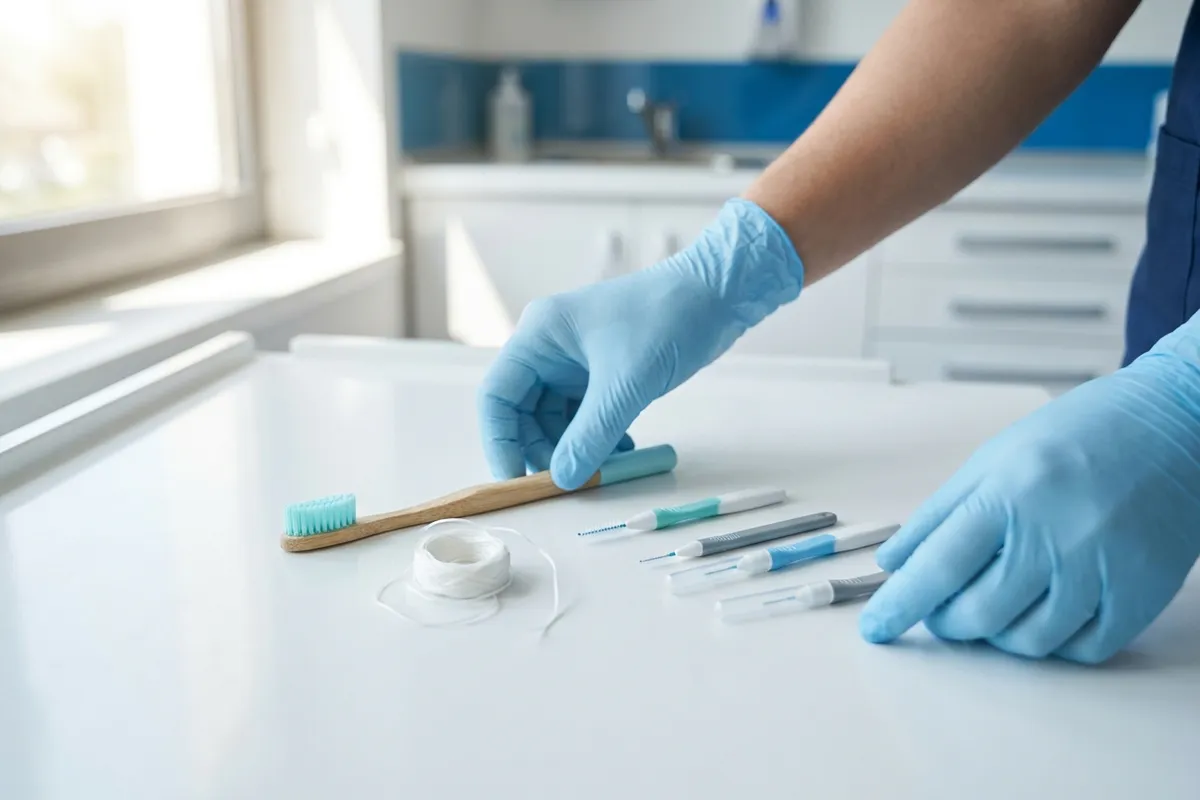
How it works
How a check-up works
What happens while you are in the chair.
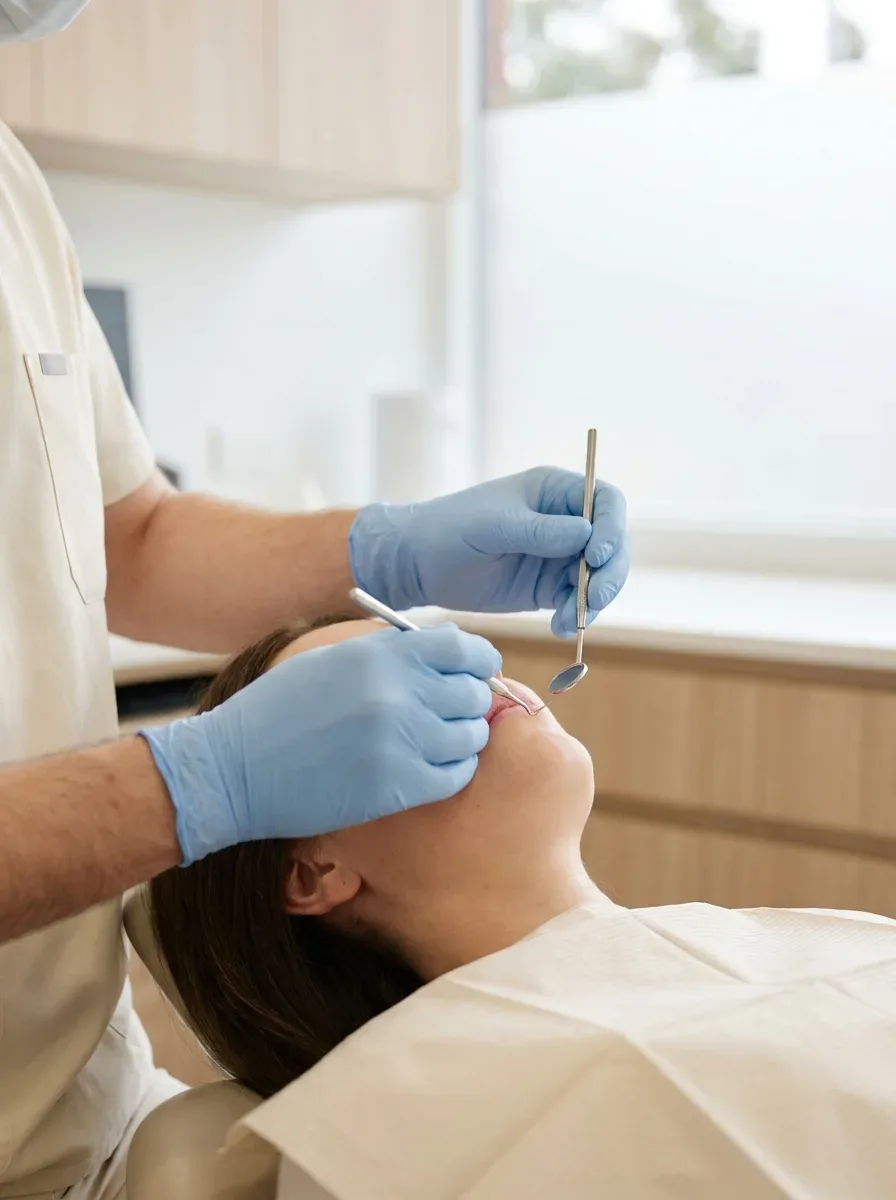 1
A look at everything
Your teeth, gums and bite are checked for anything that needs attention, early, while it is still small.
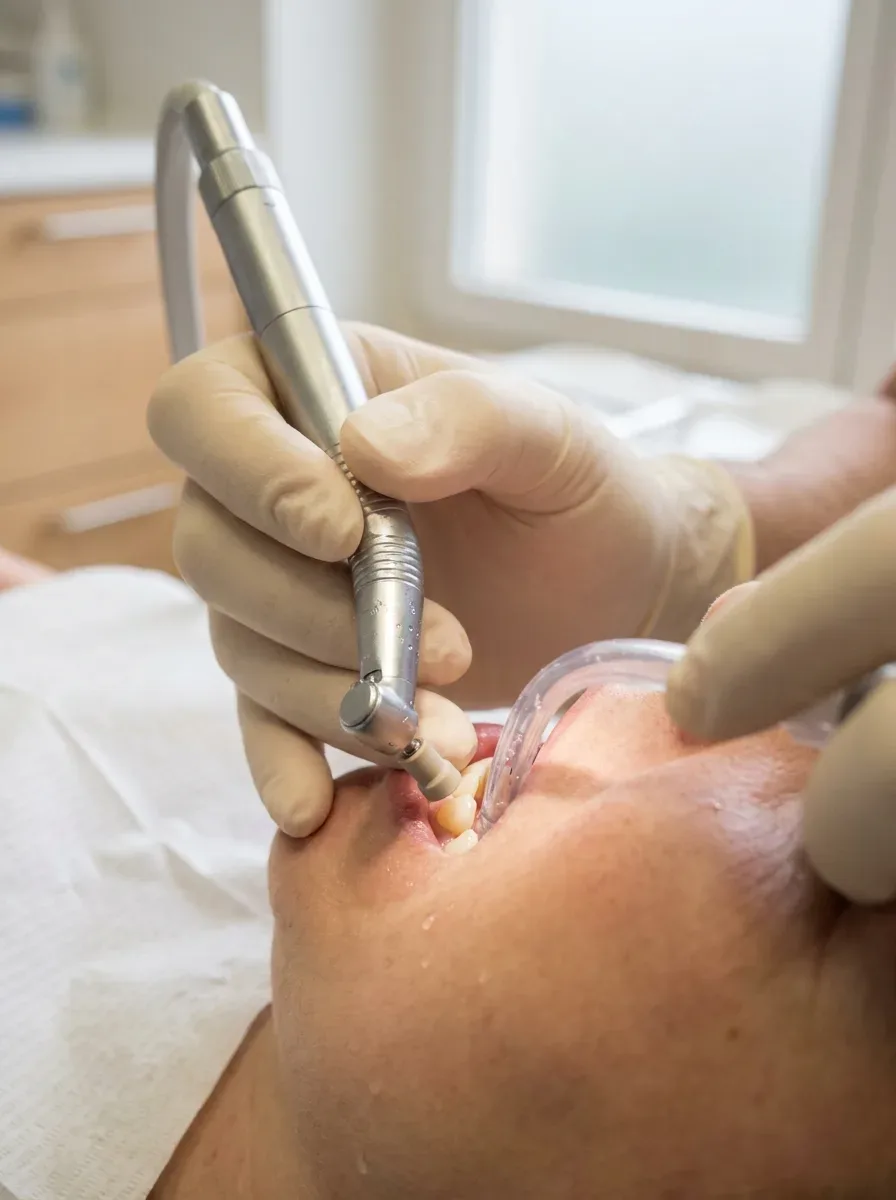 2
A proper clean
Plaque and tartar are removed and your teeth are polished.
 3
What comes next
Anything that needs doing is explained, with the cost, before it is booked.
Services
Other services
Everything we do, under one roof.


Questions
Frequently Asked Questions
Questions about routine exams & cleaning? Ask us
About us
Why families choose Happy Smiles
At the same address in Columbia for over fifty years — started by Dr. Brockley, then Dr. Qilin Xu.
Fifty years, one address
543 Locust St has been the practice's home the whole time.
A dentist who knows you
Dr. Xu holds degrees in medicine and dentistry — the same doctor at every visit.
Routine to emergency
Exams and cleanings, fillings, dentures and veneers, whitening — and emergency care when something cannot wait.

Visit us
We're waiting for you in Columbia
543 Locust St
Columbia, PA 17512
- Monday – Thursday
- 8:00AM – 5:00PM