
Tooth Extractions in Columbia, PA, serving Lancaster and York Counties
When a tooth cannot be predictably restored, extraction may be the best option. An exam helps determine whether it can be saved, how removal would be performed, and whether the space should later be replaced.
When Removing a Tooth Is Considered
A tooth extraction removes a tooth when keeping it is no longer a suitable option or removal forms part of a broader treatment plan. Reasons may include severe decay, fracture, or infection. We assess the tooth first and discuss whether restorative or root canal treatment could preserve it.
Extraction leaves a socket where the tooth's roots were held in the jaw. The technique depends on access, root shape, and the condition of the tooth; some removals need a surgical approach. Before removing it, the dentist considers whether it can reasonably be saved. Planning also includes whether the resulting space needs replacement and whether preserving the ridge would be useful.
Why Removal May Be Recommended
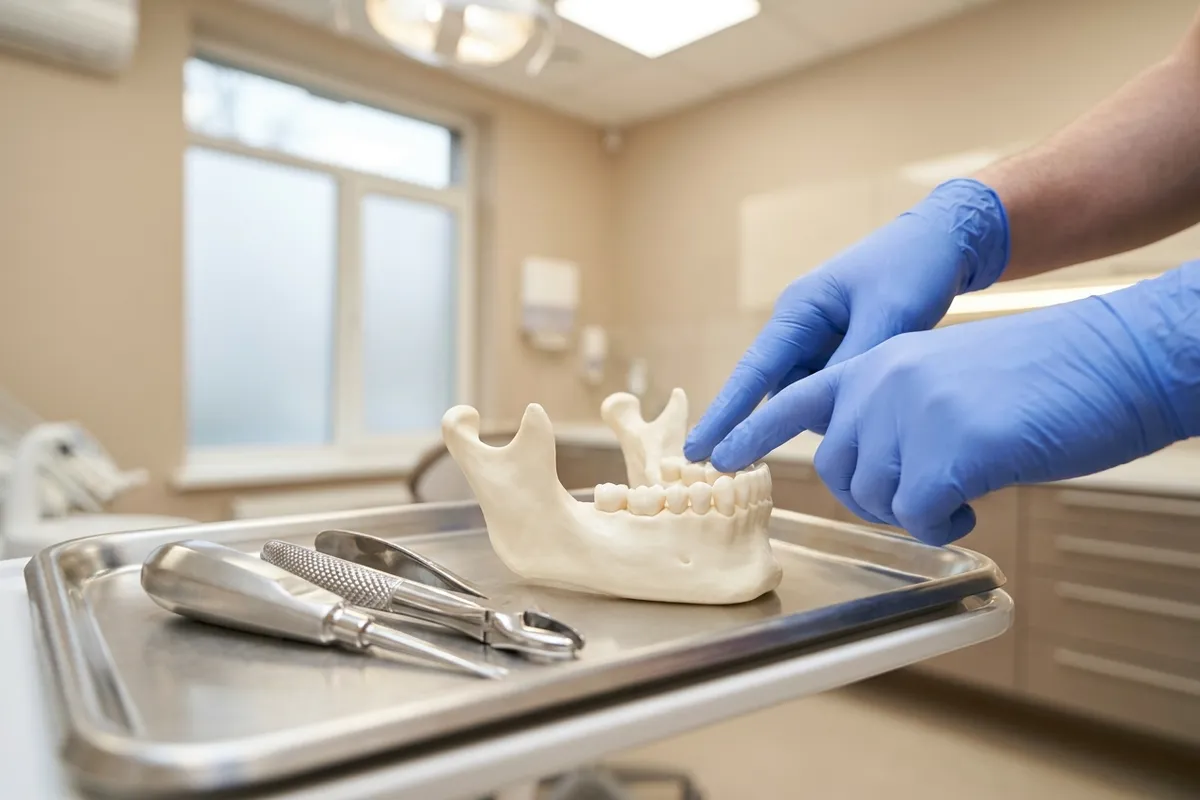
A tooth with too little healthy structure or an unfavorable fracture may not be predictably restored. Advanced disease can also affect its support or surrounding tissues. Removing a tooth can address the source of a problem, but the decision includes the consequences of the gap and possible replacement afterward.
Severe decay, an unrepairable fracture, or loss of support can make retaining a tooth impractical. Pain alone does not prove that extraction is necessary, and an apparently quiet tooth can still have disease. Ask why repair or root canal treatment would or would not be suitable. The reason for removal should be explained for that tooth rather than assumed from its age or appearance.
- Removal may be appropriate for a tooth that cannot be restored, advanced supporting-tissue damage, or selected orthodontic or surgical needs.
- An extraction treats the affected tooth but creates a space that may need a separate discussion about replacement and future function.
- Saving the tooth through a suitable restoration, root canal treatment, or gum care should be considered when clinically reasonable.
Symptoms That Need Assessment
Pain, swelling, a broken tooth, or increasing difficulty chewing should be examined. The severity of pain does not by itself determine whether extraction is necessary. If swelling is spreading or you have difficulty breathing or swallowing, seek urgent care. A dental assessment helps distinguish treatable damage from a tooth that cannot be saved.
Medicines affecting clotting or bone health, previous jaw treatment, and conditions affecting healing must be discussed before removal. Do not stop prescribed medicines on your own. Imaging may show roots close to a nerve or sinus, changing the approach or need for referral. The dentist should explain the risks relevant to the tooth's actual position and your medical circumstances.
- Describe pain, swelling, previous dental treatment, and whether the tooth is broken below the gumline or difficult to access.
- Provide a medication list, including blood thinners and medicines affecting bone, and mention previous bleeding or healing problems.
- Ask how replacement planning affects the extraction and whether preserving bone at the site should be discussed before removal.
When to Plan an Extraction
Urgency depends on symptoms, infection, and the condition of the tooth. Planned removal allows time to discuss preservation, replacement, and recovery needs. Tell us about medications, medical conditions, and previous healing problems. Do not stop prescribed medication without direction from the appropriate clinician.
Assessing the Tooth, Roots, and Nearby Structures
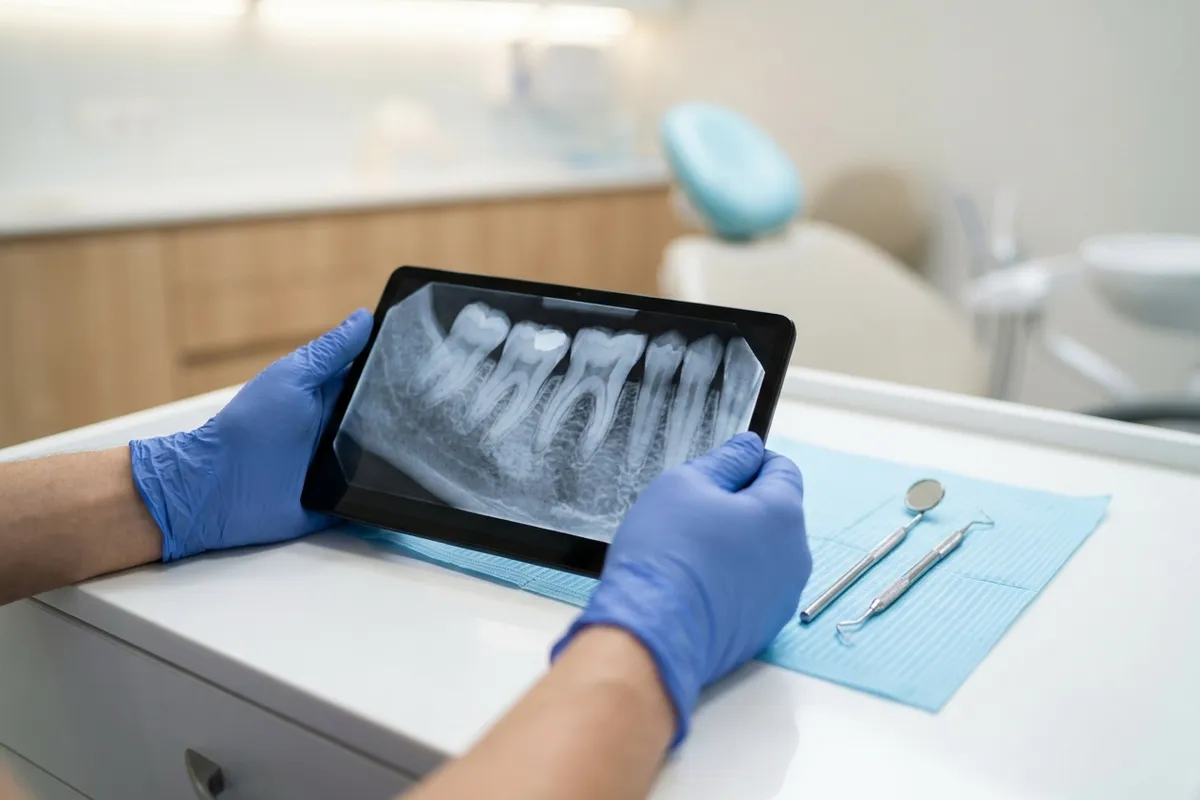
We examine the tooth, gums, and neighboring structures and review appropriate images of the roots and surrounding bone. Health history helps guide treatment and comfort planning. We explain whether a straightforward or surgical removal is expected and when referral or additional assessment may be appropriate.
- The tooth's condition, root shape, and nearby structures help determine whether a straightforward or surgical extraction is expected.
- Local anesthesia and any additional comfort arrangements are planned individually; confirm preparation and transportation requirements rather than assuming sedation is included.
- Discuss reasonable alternatives, site-specific risks, and what will happen to the empty space before agreeing to the extraction plan.
Removal and Replacement Options
Local anesthesia is generally used to numb the area. The technique depends on tooth position and condition; some removals require surgical steps. Before treatment, we can discuss socket preservation and later options such as an implant, bridge, or denture when suitable. Not every extraction needs the same replacement approach.
A straightforward extraction and a surgical removal have different steps, but both require a plan for comfort and the healing site. Depending on the tooth, an incision or division into smaller pieces may be needed. Replacement with a bridge, implant, or removable tooth can be discussed separately. A socket graft is considered for a specific purpose rather than automatically added to every extraction.
Recovery and Follow-Up
Protect the healing socket and follow the written instructions for food, cleaning, activity, and medication. Avoid smoking and other habits that interfere with healing. Some tenderness and swelling can occur. Contact us for worsening pain, ongoing bleeding, fever, or other concerns rather than assuming every symptom is normal recovery.
The early blood clot helps protect the socket, so follow the instructions about rinsing, cleaning, eating, and activity without probing the wound. Avoid smoking because it can impair healing. Contact the treating team for bleeding that does not settle or pain that becomes worse after initial improvement. The socket's recovery and any replacement planning may need separate follow-up appointments.
- Protect the initial clot and follow instructions about gauze, rinsing, brushing, food, and activity during the early healing period.
- Avoid smoking during recovery as advised, and do not probe the socket or pull on stitches to check the site yourself.
- Contact the treating clinician for worsening pain, persistent bleeding, fever, or swelling, and attend reviews needed for healing and replacement planning.

How it works
How an extraction works
Careful, numb and unhurried.
 1
We examine the tooth
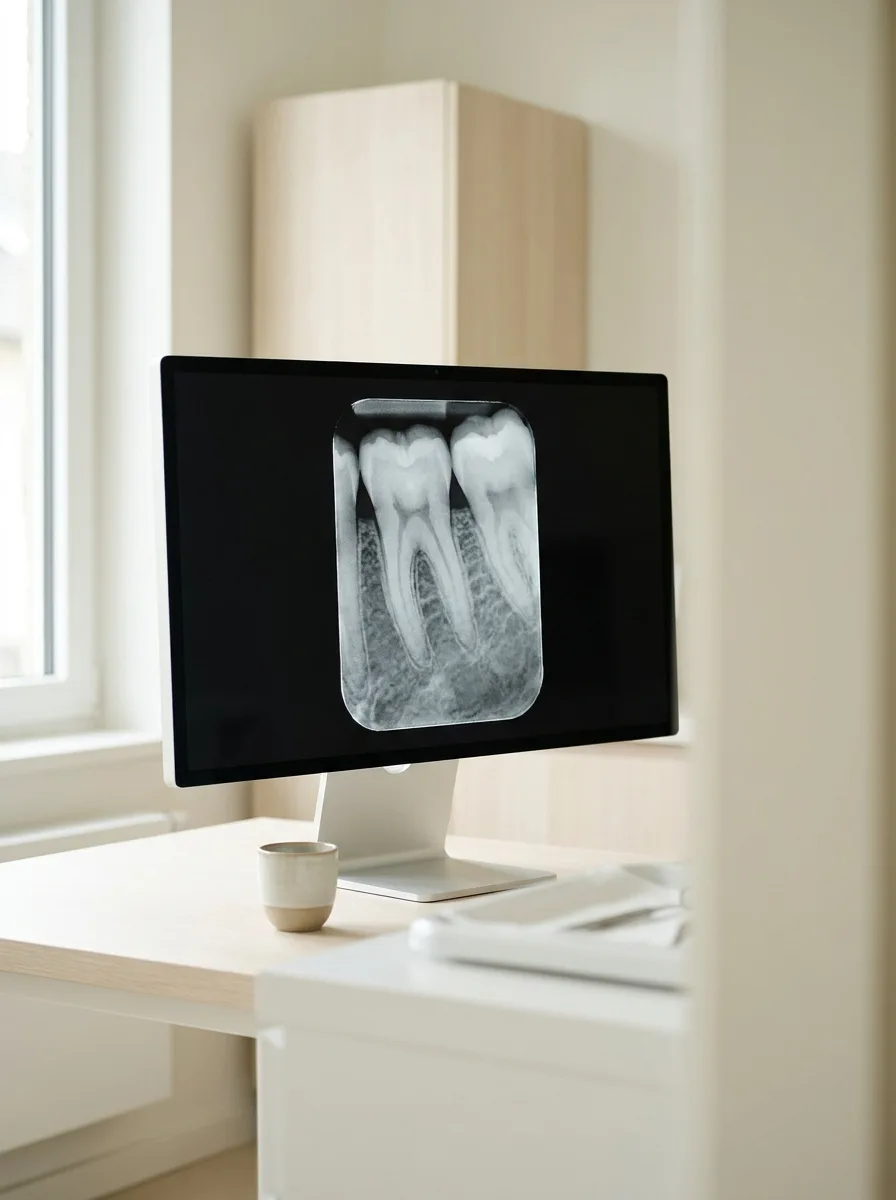
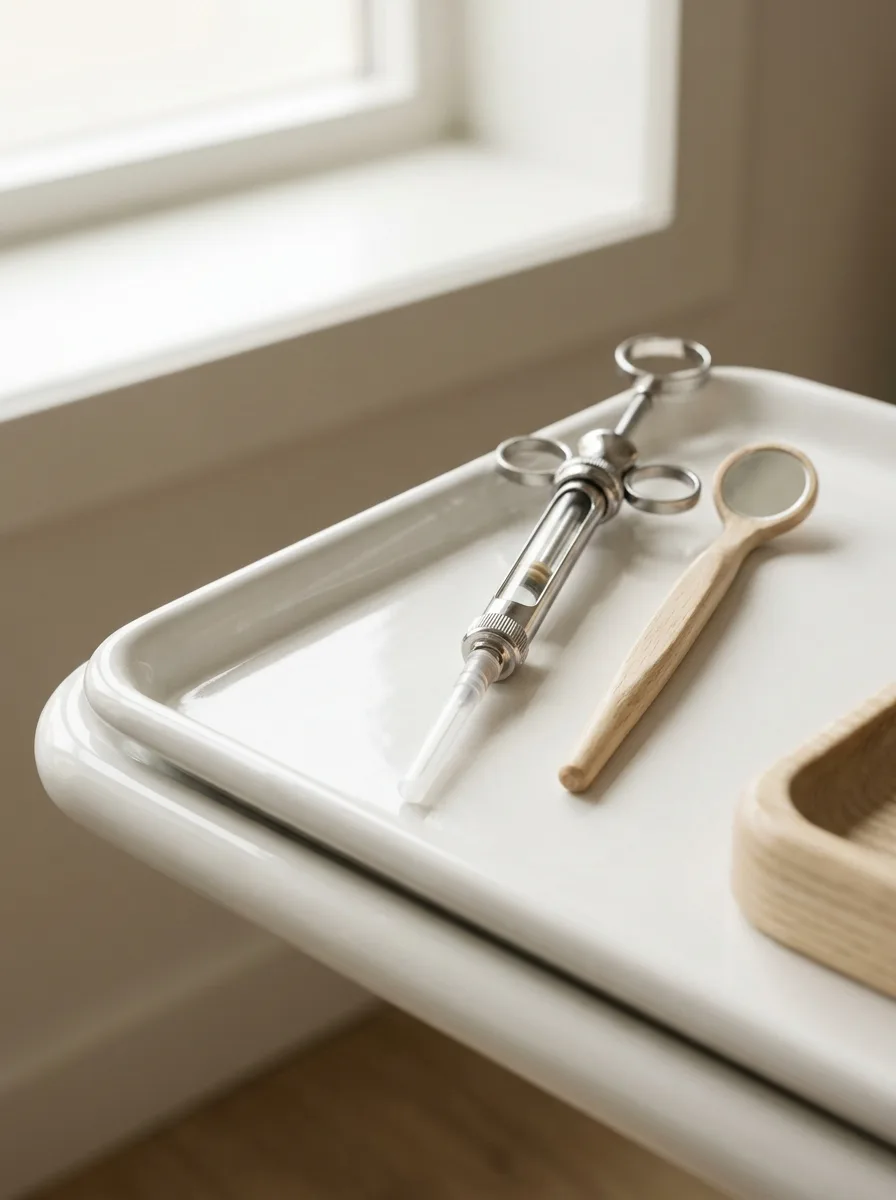
An exam and an X-ray show whether the tooth can be saved and how it sits in the bone.
 2
The area is numbed
Nothing starts until the tooth and the gum around it are fully numb.
 3
Aftercare you can follow
You leave with written instructions and a number to call if anything worries you.
Services
Other services
Everything we do, under one roof.


Questions
Frequently Asked Questions
Worried about a tooth? Ask us
About us
Why families choose Happy Smiles
At the same address in Columbia for over fifty years — started by Dr. Brockley, then Dr. Qilin Xu.
Fifty years, one address
543 Locust St has been the practice's home the whole time.
A dentist who knows you
Dr. Xu holds degrees in medicine and dentistry — the same doctor at every visit.
Routine to emergency
Exams and cleanings, fillings, dentures and veneers, whitening — and emergency care when something cannot wait.

Visit us
We're waiting for you in Columbia
543 Locust St
Columbia, PA 17512
- Monday – Thursday
- 8:00AM – 5:00PM