
Wisdom Teeth Removal in Columbia, PA, serving Lancaster and York Counties
Wisdom teeth are the last molars to develop. Some remain healthy and can be monitored; others become difficult to clean, inflamed, decayed, or impacted and may need removal after an exam and imaging.
When a Wisdom Tooth Needs Removal or Monitoring
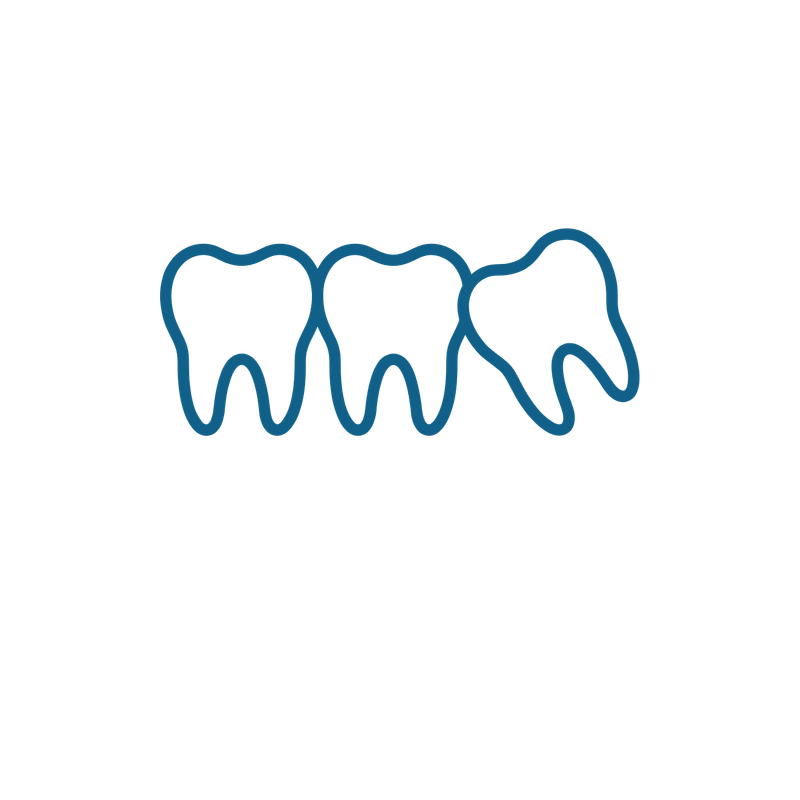
Wisdom teeth are the third molars at the back of the mouth. They may emerge normally, partly erupt, or remain impacted beneath gum or bone. An assessment helps determine whether they can be monitored or whether removal is appropriate. The presence of a wisdom tooth alone does not require extraction.
An impacted third molar may be partly covered by gum or lie within bone, which changes access for removal. Its position also affects the nearby second molar and, in the lower jaw, the relationship to nerves. Assessment is about that particular tooth and its surroundings. Some wisdom teeth can be monitored; others need treatment because disease or another defined problem is present.
Why Wisdom Teeth Can Cause Problems
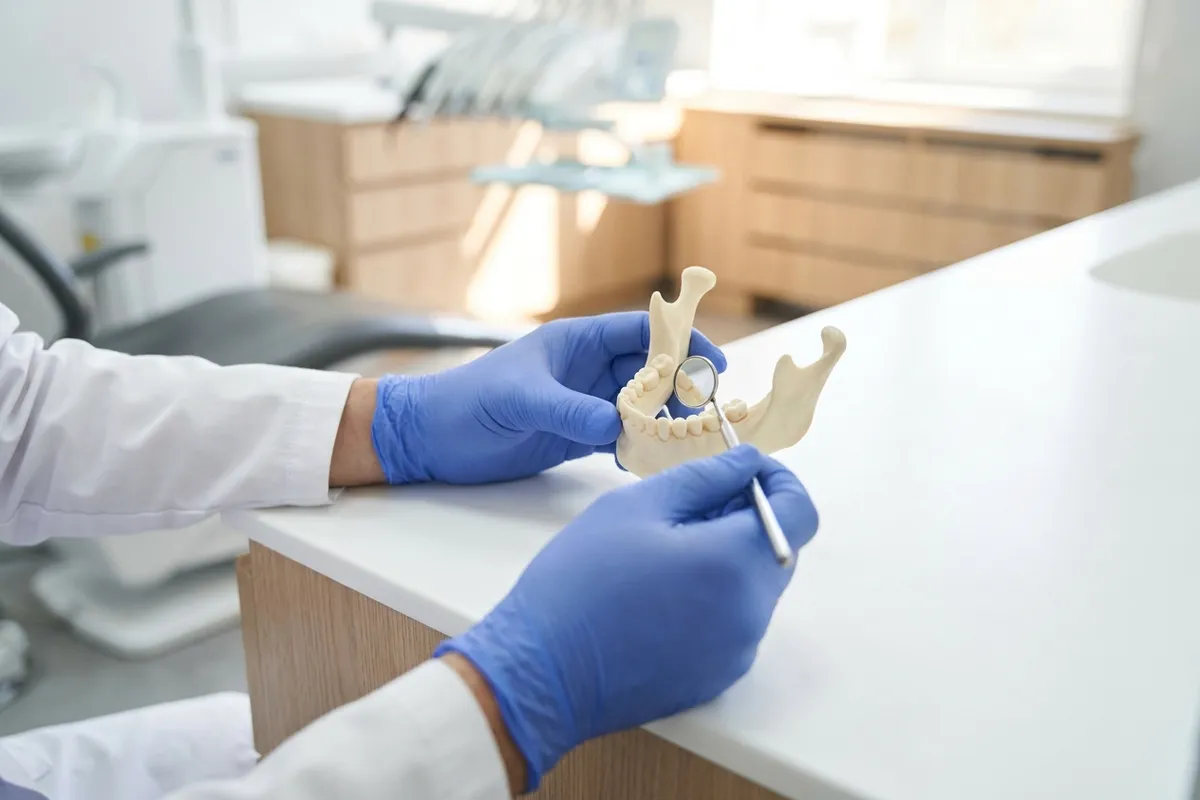
Limited space or an unfavorable position can make a wisdom tooth difficult to clean. Decay, gum inflammation, infection, or damage to a neighboring tooth may develop in some cases. An impacted tooth may also need assessment even without pain. The decision considers actual findings and future risk rather than a single symptom.
Repeated inflammation around a partly erupted tooth, decay, or damage to a neighboring molar can justify considering removal. A gum flap may trap food and make the area difficult to clean, but the diagnosis still matters. Ask which findings support intervention and whether monitoring is appropriate. Removing all wisdom teeth is not an automatic requirement solely because they have developed.
- Partly erupted wisdom teeth can create areas that trap food and are difficult to clean at the back of the mouth.
- Decay, recurrent inflammation, infection, or damage to a neighboring tooth may support removal when confirmed by assessment.
- Healthy, maintainable wisdom teeth may remain under observation; neither their presence nor lack of pain settles the decision by itself.
Symptoms to Discuss
Mention pain or swelling at the back of the mouth, a bad taste, food trapping, or difficulty opening your jaw. These symptoms can have other causes and need examination. Rapidly spreading swelling or difficulty breathing or swallowing requires urgent medical attention rather than waiting for a planned removal appointment.
Imaging assesses the tooth's angle, roots, and proximity to important structures. A lower wisdom tooth close to a nerve may need specialist discussion about risks and possible approaches. Tell the clinician about episodes of swelling, restricted opening, and medical conditions affecting surgery. Age is one consideration, but it does not replace assessment of the tooth and your health.
- Mention swelling, a bad taste, food trapping, or difficulty opening your mouth, including episodes that improve and then return.
- Tell us about medical conditions, medicines, tobacco use, and previous surgical healing or anesthesia difficulties before planning removal.
- Ask how root development, tooth position, and nearby structures influence the benefits and risks of removing your particular tooth.
When to Consider Removal
Timing depends on tooth development, position, oral health, symptoms, and the likelihood of future problems. Some teeth can be monitored with regular review. Removing an affected tooth may be simpler before further complications occur, but there is no single best age or automatic rule that applies to everyone.
Checking Wisdom Tooth Position and Nerve Relationships
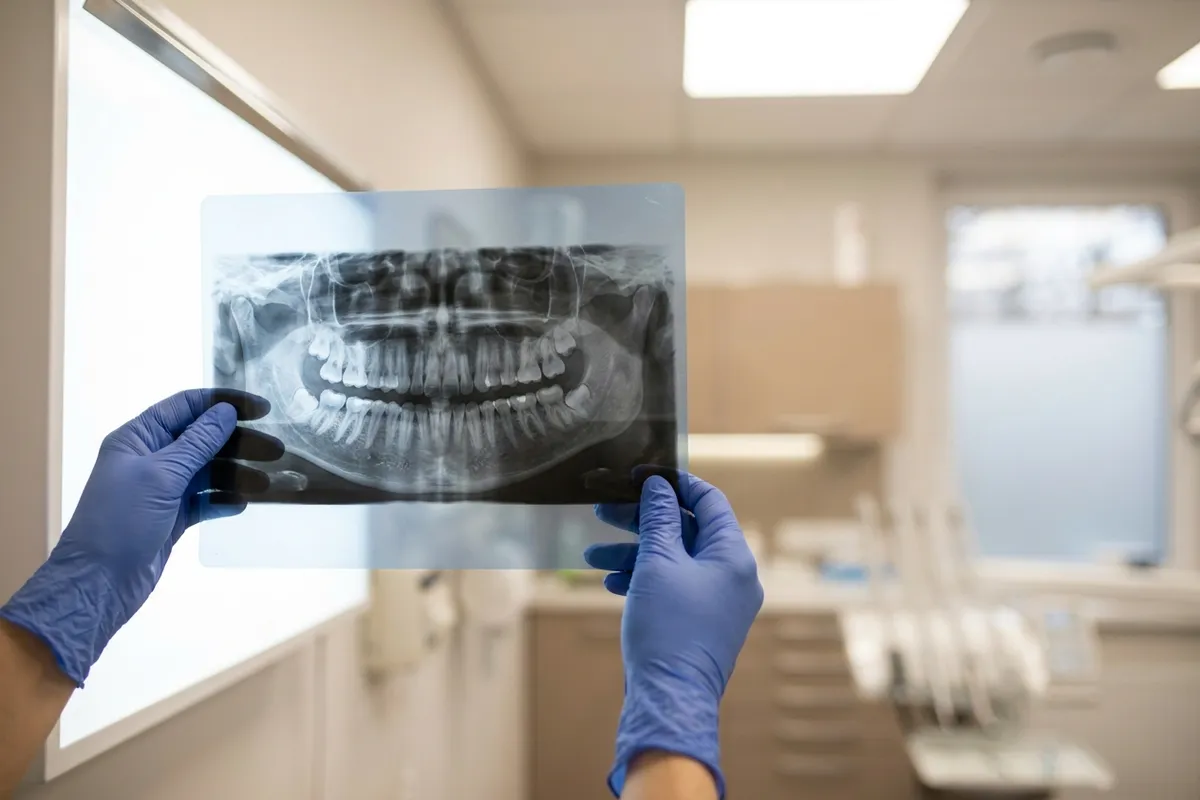
We examine the area and use appropriate imaging to assess tooth position, root development, and nearby structures. Health history helps with surgical and comfort planning. We discuss monitoring, removal, the expected recovery, and whether an oral surgeon should be involved for an impacted or complex tooth.
- Appropriate imaging helps assess impaction and the relationship to adjacent teeth, relevant nerves, or the sinus for upper wisdom teeth.
- Discuss whether monitoring, removal, or specialist assessment is appropriate, and how often retained wisdom teeth should be reviewed.
- The expected technique and comfort plan depend on access, position, and your health; not every wisdom tooth requires the same surgery.
Monitoring and Treatment Options
A healthy, maintainable wisdom tooth may remain under observation. Removal can be considered when disease or a significant risk is identified. The technique and comfort measures depend on the tooth and your needs. We explain whether surgical steps are expected and how the procedure fits with other dental care.
Depending on position, removal may involve lifting gum tissue, removing some bone, or dividing the tooth into pieces. Discuss the comfort measures, whether referral is needed, and recovery arrangements for the actual procedure. In selected high-risk lower teeth, a specialist may discuss retaining roots as an alternative approach. That option has its own follow-up needs and does not eliminate every risk.
Recovery and Follow-Up
Follow instructions for protecting the socket, cleaning, food, activity, and comfort. Tenderness, swelling, and limited opening can occur during recovery, but the course varies. Contact us about worsening pain, fever, persistent bleeding, or other unexpected changes. Attend recommended reviews rather than assuming the site has healed because discomfort has eased.
Follow instructions for protecting the clot and cleaning around the back of the mouth without disturbing the wound. Jaw stiffness and swelling can affect eating, so use the advised diet and progression. Report bleeding that does not stop, worsening pain with an unpleasant taste, fever, or persistent altered sensation. Breathing or swallowing difficulty requires immediate emergency medical care rather than waiting for a routine review.
- Follow socket-protection and cleaning instructions, choose suitable foods, and avoid smoking or disturbing the area during recovery as advised.
- Worsening pain after initial improvement, persistent bleeding, fever, or increasing swelling warrants contact with the treating team.
- Keep recommended reviews, and seek emergency medical help if swelling causes difficulty breathing or swallowing rather than waiting for an appointment.
How it works
How removal works
Planned with X-rays, done with care.
 1
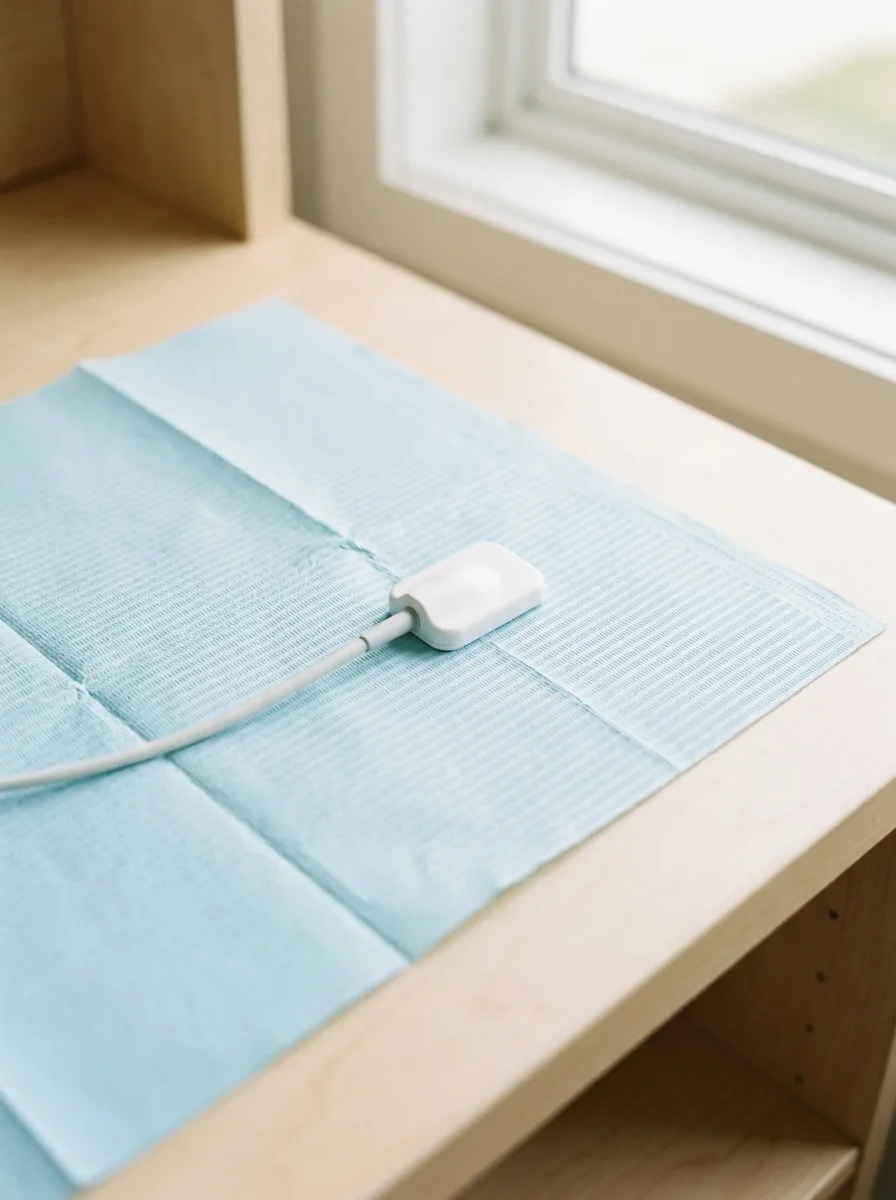
We take X-rays
They show the position of each wisdom tooth and its roots.
 2
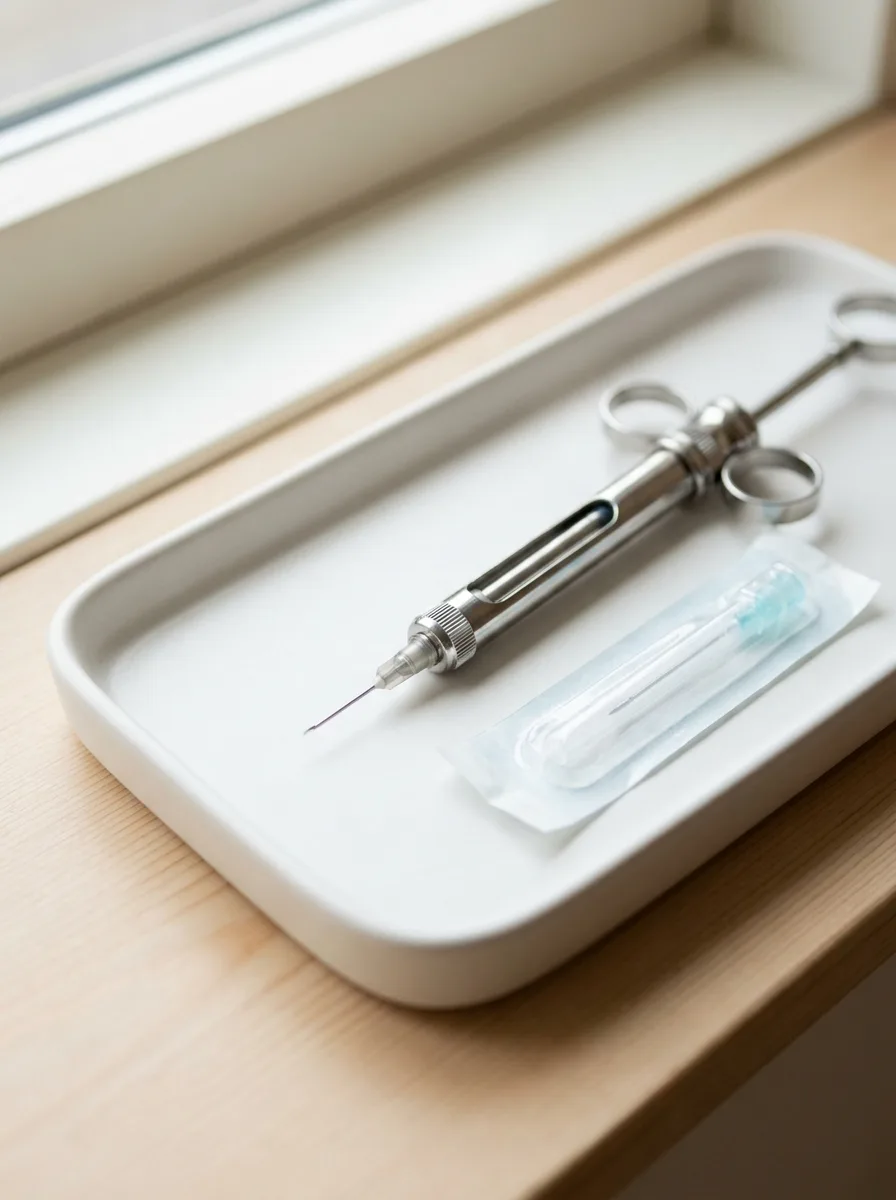
The teeth are removed
The area is fully numbed before anything begins.
 3
You recover at home
With written instructions, and a call to us if anything worries you.
Services
Other services
Everything we do, under one roof.


Questions
Frequently Asked Questions
Sore at the back of your mouth? Ask us
About us
Why families choose Happy Smiles
At the same address in Columbia for over fifty years — started by Dr. Brockley, then Dr. Qilin Xu.
Fifty years, one address
543 Locust St has been the practice's home the whole time.
A dentist who knows you
Dr. Xu holds degrees in medicine and dentistry — the same doctor at every visit.
Routine to emergency
Exams and cleanings, fillings, dentures and veneers, whitening — and emergency care when something cannot wait.

Visit us
We're waiting for you in Columbia
543 Locust St
Columbia, PA 17512
- Monday – Thursday
- 8:00AM – 5:00PM