Fluoride Treatment in Columbia, PA, serving Lancaster and York Counties
Fluoride strengthens tooth enamel and helps it resist the acids that cause cavities. A professional application takes a few minutes at the end of a cleaning.
How Professional Fluoride Supports Cavity Prevention
Fluoride helps strengthen enamel and supports the repair of early mineral loss. A professional treatment provides additional protection for patients whose risk of decay warrants it. It complements daily fluoride toothpaste and other preventive care, rather than repairing a cavity that already needs a restoration.
Professional fluoride is placed on tooth surfaces to support resistance to decay and remineralization of early mineral loss. Varnishes, gels, and other products have different application methods and instructions. The clinician selects a suitable product and explains its purpose. Fluoride does not remove tartar, cover a groove like a sealant, or rebuild a tooth surface already lost to a cavity.
Why Additional Fluoride May Help
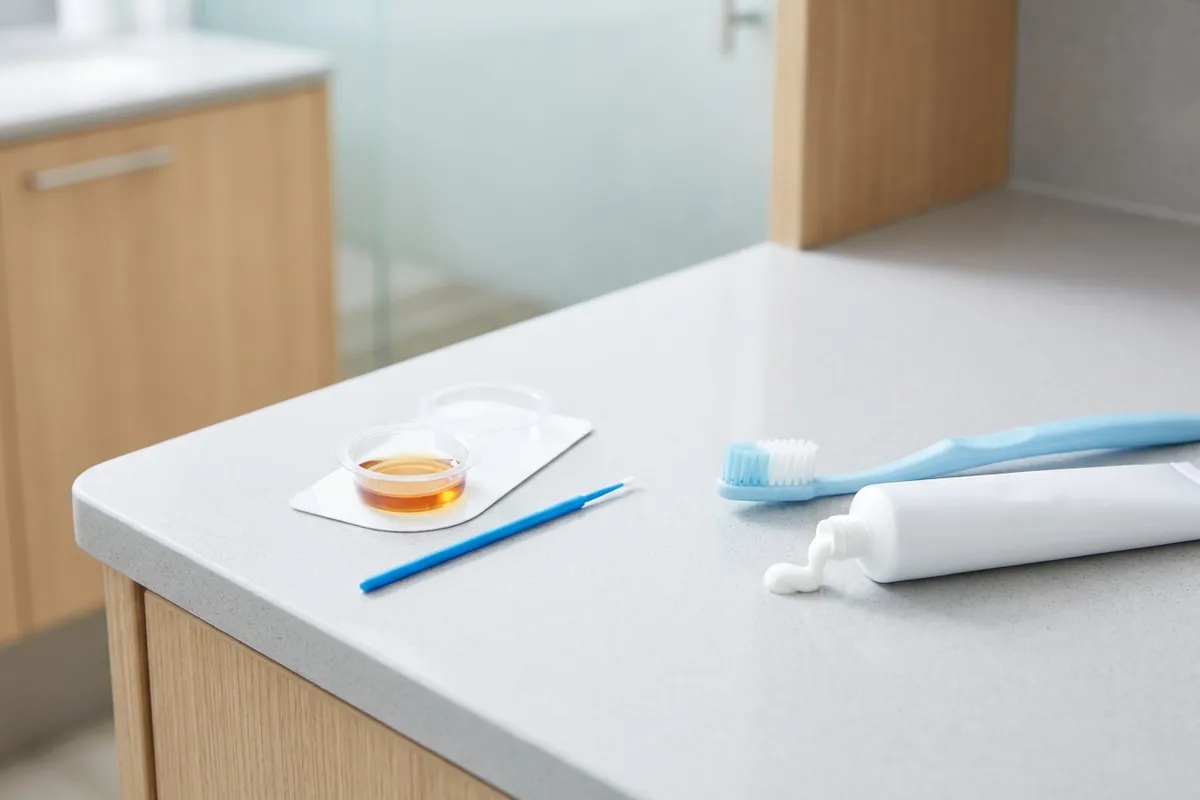
Frequent exposure to sugars, dry mouth, and areas that are difficult to clean can increase cavity risk. Exposed root surfaces can also be more vulnerable than enamel-covered areas. Professional fluoride can be one part of reducing that risk while we address the habits or conditions contributing to it.
Extra fluoride protection may be useful when saliva is reduced, roots are exposed, or new cavities keep developing despite ordinary home care. Those situations can increase the number of vulnerable surfaces. An application is one part of managing that risk, alongside reviewing frequent sugar exposure and cleaning. It should address a specific prevention need rather than being treated as a universal add-on.
- Fluoride supports enamel remineralization when early mineral loss occurs, helping make suitable tooth surfaces more resistant to future acid attacks.
- People with recurrent cavities, exposed roots, or reduced saliva may need additional protection beyond their usual toothpaste routine.
- Professional fluoride is preventive care; it does not fill a large cavity, rebuild a broken tooth, or treat an infected pulp.
Who May Benefit
Fluoride treatment is not limited to children. Adults with recent cavities, dry mouth, exposed roots, or certain appliances may be candidates. We consider your history and existing fluoride exposure before recommending additional products. Tooth sensitivity also deserves evaluation, since fluoride is not the answer to every cause of discomfort.
Before an application, discuss your cavity history, dry mouth, and the fluoride products you already use. For children, age and the ability to follow instructions influence which product is suitable. Mention previous reactions to a dental varnish or its ingredients. The dentist can explain whether additional professional fluoride is appropriate and how it fits with everyday toothpaste use.
- Share your cavity history, dry-mouth symptoms, and medications so the recommendation reflects current risk rather than a standard add-on.
- Tell us which toothpaste, rinses, and other fluoride products you use; children also need age-appropriate advice about swallowing and supervision.
- Ask whether the proposed application adds meaningful protection for your teeth, including exposed roots or difficult-to-clean areas.
When to Schedule Treatment
Fluoride is often offered during a preventive appointment when the assessment shows a benefit. The frequency is based on risk and the product being used. If your medications or health change and your mouth becomes dry, let us know so we can reassess your prevention plan.
Assessing Cavity Risk Before Fluoride Application
We review recent decay, oral hygiene, diet, medications, and sources of fluoride such as toothpaste and drinking water. We also examine vulnerable tooth surfaces. This helps us decide whether an office treatment, an adjusted home routine, or a prescription product is appropriate without adding unnecessary steps.
- The dentist evaluates early enamel changes, existing cavities, saliva-related risk, and your home care before choosing a formulation or schedule.
- Professional products may be applied as varnish or another suitable formulation; preparation and aftercare vary with the selected product.
- Discuss any recommendation for additional home fluoride separately; stronger products should follow instructions appropriate to your risk and age.
Treatment Options and What to Expect
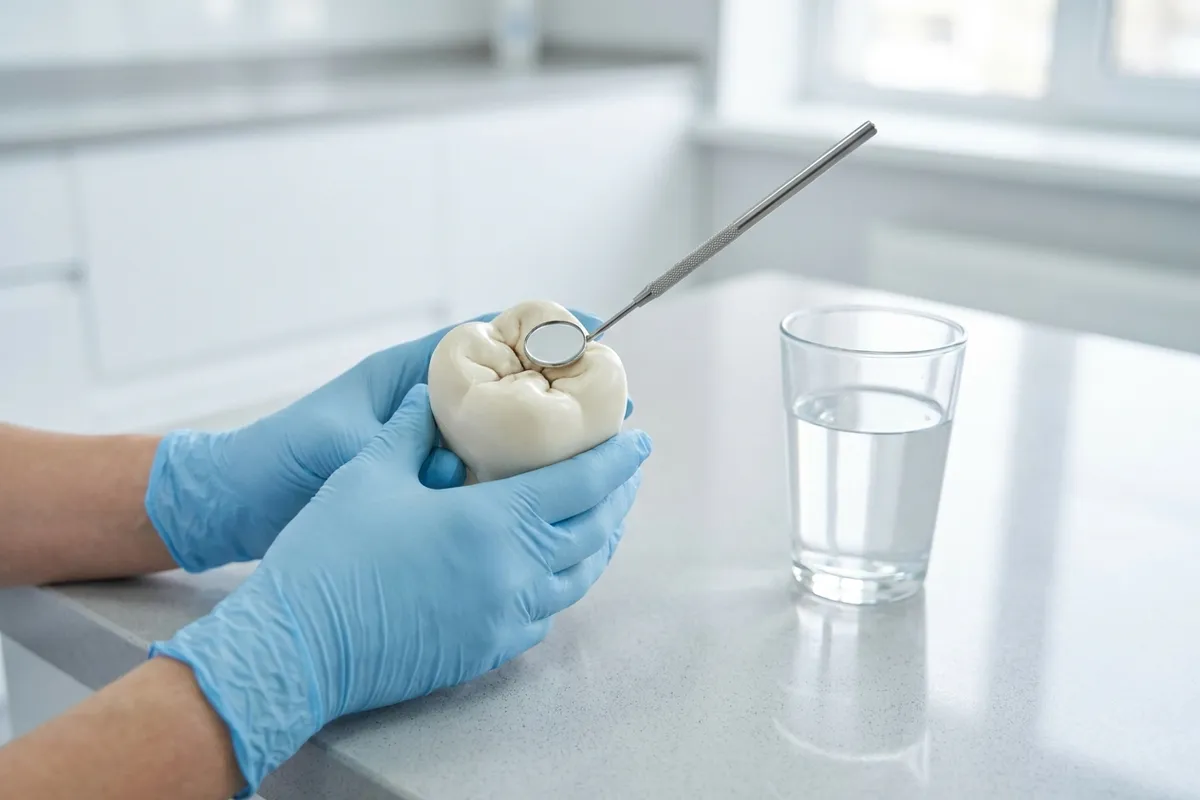
Professional products may be applied as a varnish or another topical preparation. Application is generally brief, and the choice depends on your needs. Some patients also benefit from dentist-directed home products. We explain how to use them and avoid adding multiple fluoride products without considering total exposure.
Ask whether the proposed treatment is a varnish or another topical product and which areas it is intended to protect. Application and repeat timing depend on the product and your assessed risk. Prescription home products may be considered separately when appropriate. Sealants can protect selected grooves, while an established cavity may need a filling; these choices solve different problems.
After Your Fluoride Treatment
Follow the instructions for the product applied, since eating, drinking, and brushing guidance can differ. Continue your everyday prevention routine and keep recommended examinations. Fluoride reduces risk but does not guarantee that cavities will not develop. New sensitivity, visible damage, or pain still needs a dental assessment.
Eating, drinking, brushing, and flossing instructions vary between fluoride products, so follow the directions provided for your actual application. Do not assume the waiting time used at a previous visit still applies. Continue your recommended toothpaste routine once permitted. Follow-up examines whether the prevention plan is controlling new decay and whether dry mouth or exposed root surfaces need additional attention.
- Follow the specific instructions about eating, drinking, brushing, and rinsing after application rather than assuming all fluoride products require the same wait.
- Continue fluoride toothpaste, interdental cleaning, and sensible snack habits; an office application complements daily prevention rather than replacing it.
- Review whether further applications are needed when cavity risk is reassessed, especially after changes in medicines, saliva, or oral hygiene.
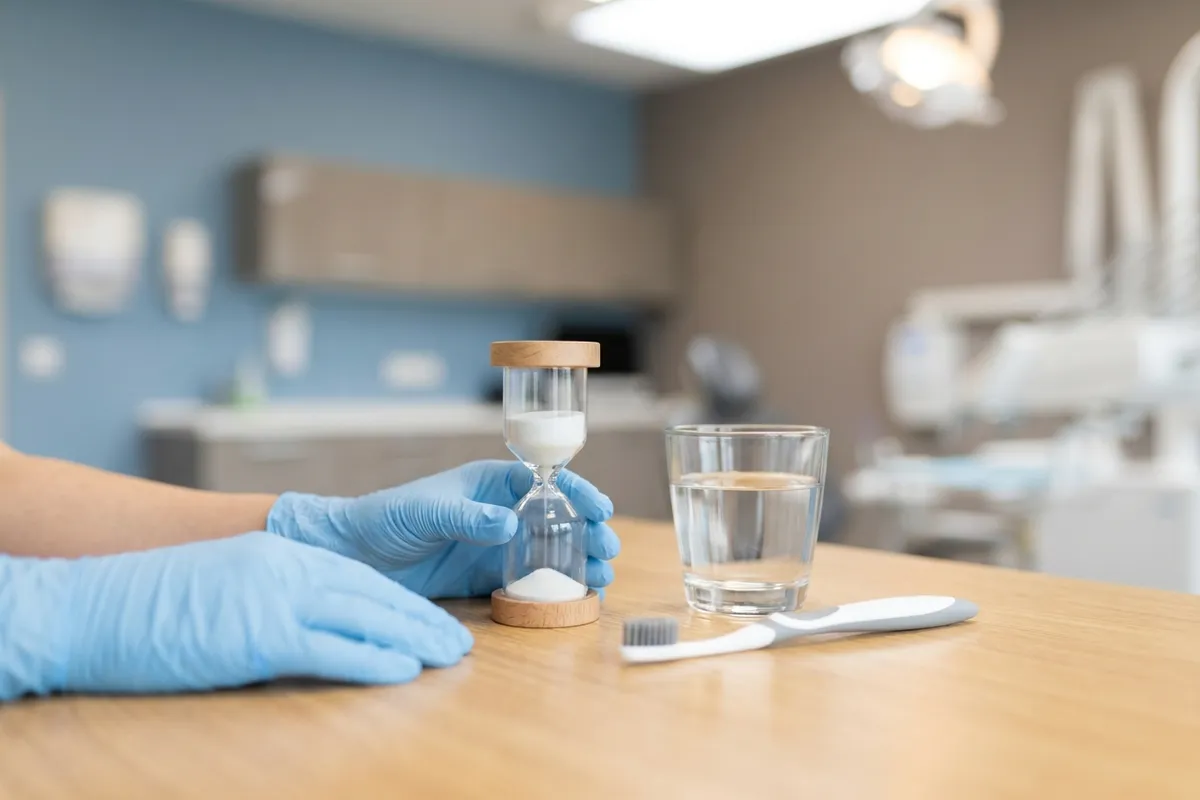
How it works
How fluoride is applied
The simplest protection we offer.
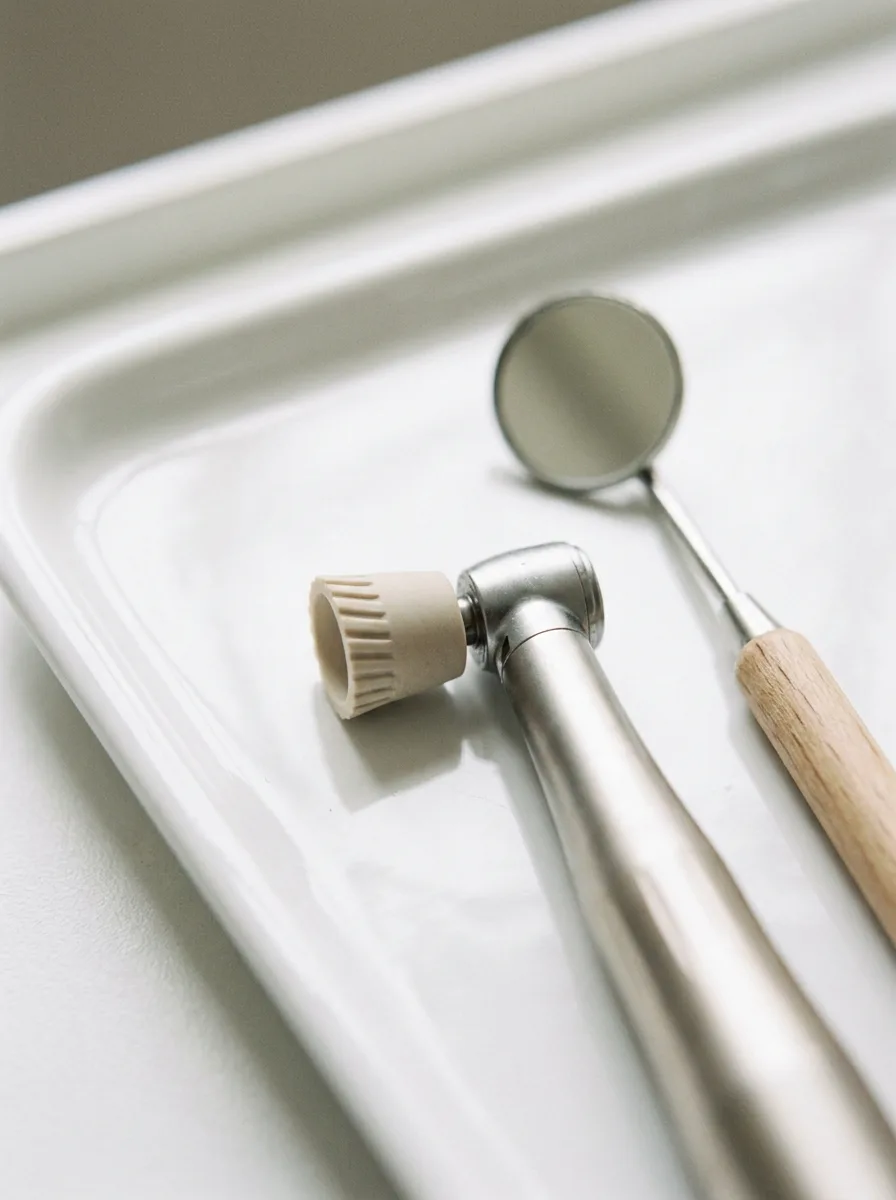 1
Your teeth are cleaned
Fluoride works best on clean teeth, so it follows your cleaning.
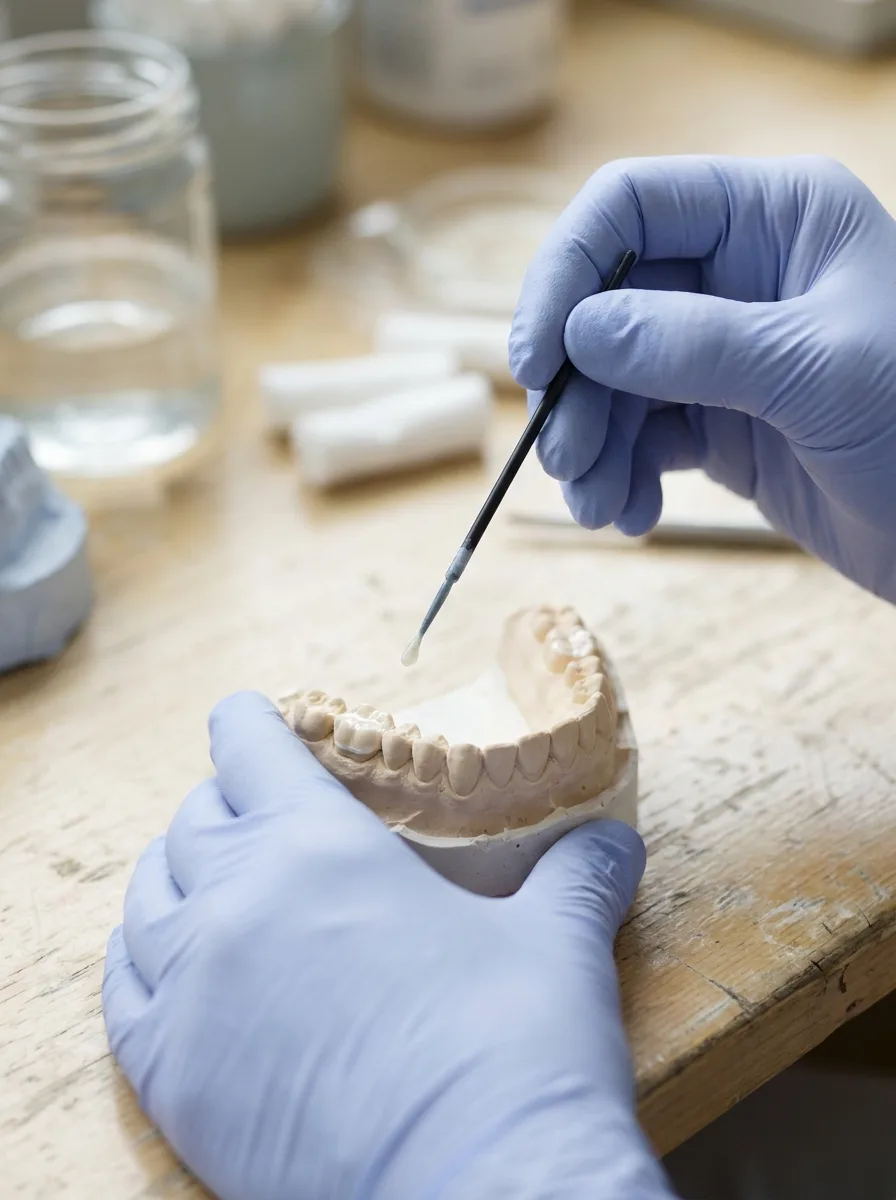 2
The varnish is brushed on
The recommended fluoride product is applied to the teeth or areas selected for your cavity risk.
 3
It keeps working
Follow the product-specific instructions about eating, drinking, and brushing after application.
Services
Other services
Everything we do, under one roof.


Questions
Frequently Asked Questions
Questions about fluoride? Ask us
About us
Why families choose Happy Smiles
At the same address in Columbia for over fifty years — started by Dr. Brockley, then Dr. Qilin Xu.
Fifty years, one address
543 Locust St has been the practice's home the whole time.
A dentist who knows you
Dr. Xu holds degrees in medicine and dentistry — the same doctor at every visit.
Routine to emergency
Exams and cleanings, fillings, dentures and veneers, whitening — and emergency care when something cannot wait.

Visit us
We're waiting for you in Columbia
543 Locust St
Columbia, PA 17512
- Monday – Thursday
- 8:00AM – 5:00PM