
Invisalign in Columbia, PA, serving Lancaster and York Counties
Invisalign® is a clear aligner system that uses a series of removable trays to move teeth gradually. An exam can show whether this approach fits your bite and treatment goals.
What an Invisalign Treatment Plan Includes
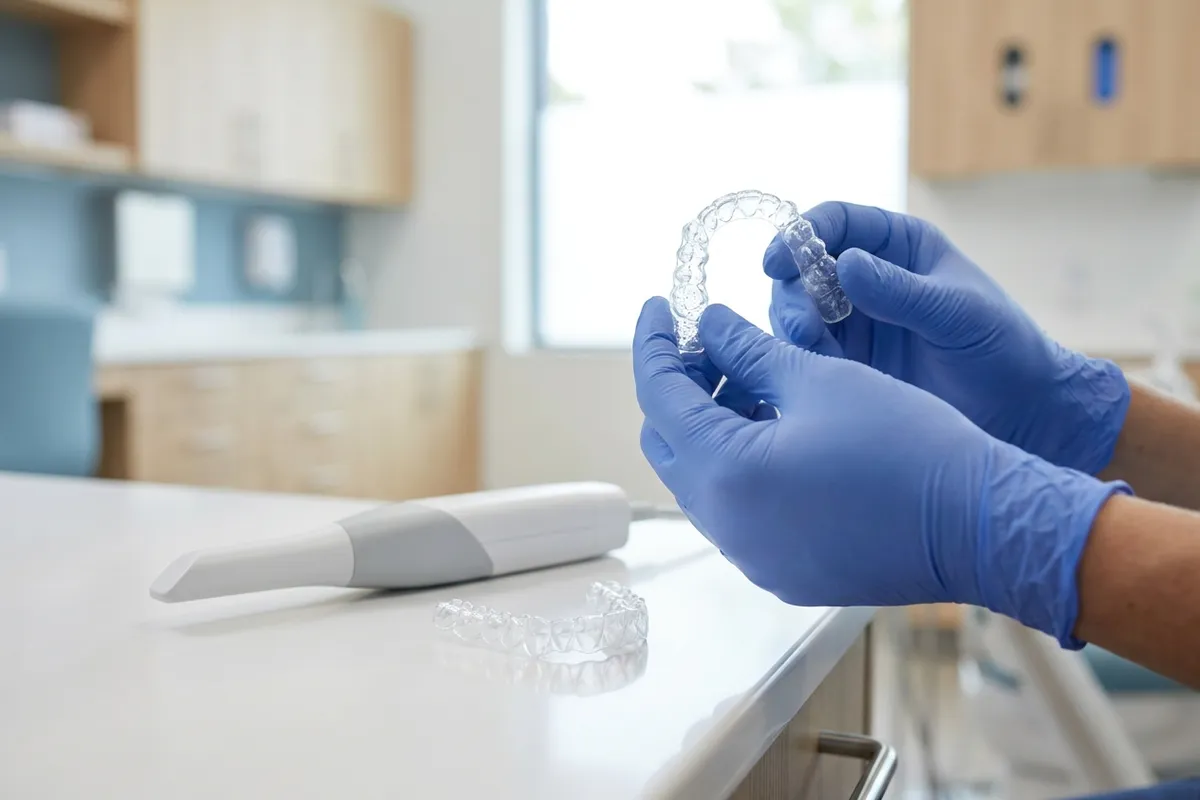
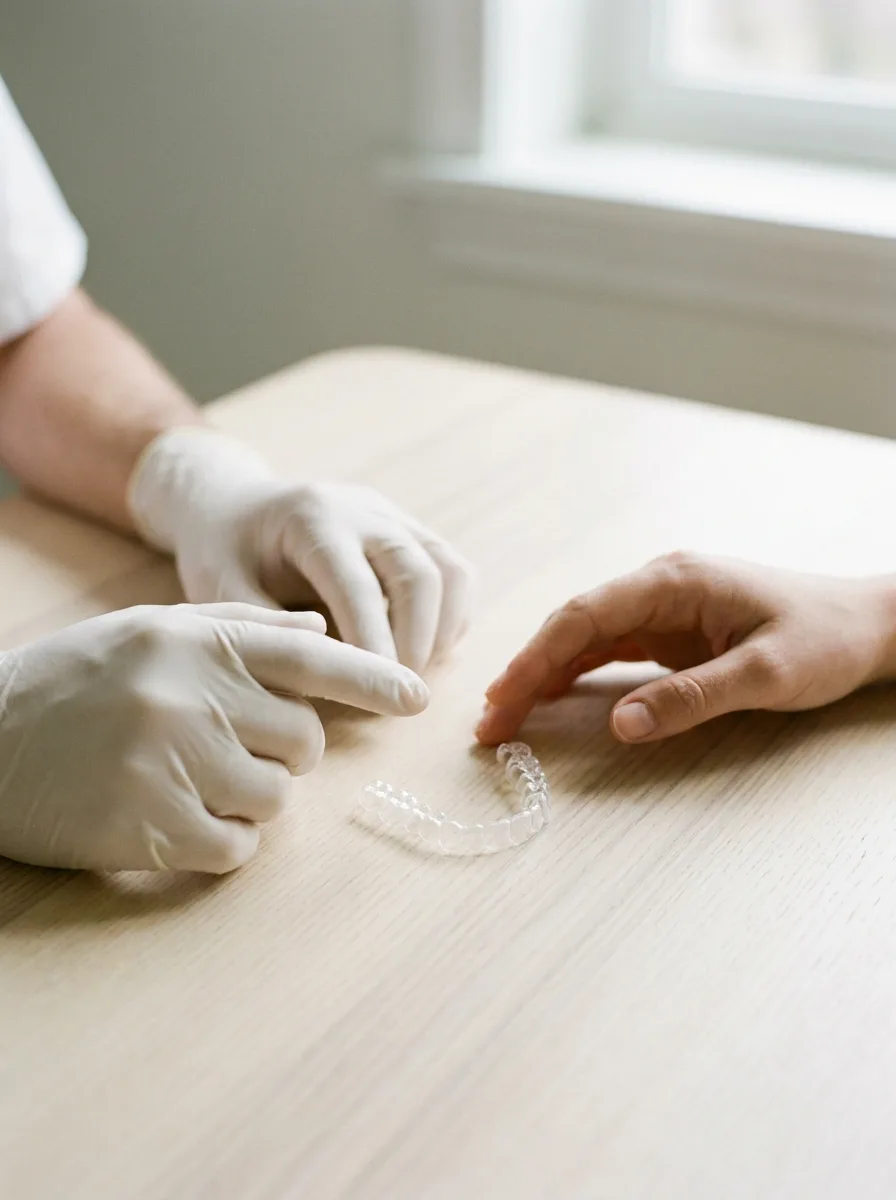
Invisalign uses a series of custom clear aligners to move teeth gradually. The trays are removable for eating and oral hygiene but need consistent wear to work as planned. Digital scans help create a treatment plan; results depend on your clinical needs, response, and following the wear instructions.
Invisalign is one brand of clear aligner treatment, using custom trays made from records of your teeth and a clinician's movement plan. It shares the basic principle of sequential tooth movement with other aligner systems. The brand name does not determine whether your bite is suitable. Assessment, prescription, and monitoring remain necessary, including any attachments or additional techniques selected for the case.
Why Alignment May Be Considered
Crowding, gaps, and certain bite relationships may be suitable for aligner treatment. Moving teeth can also form part of planning before restorative work. Invisalign is not the best option for every movement or bite problem, so an examination is needed to compare aligners, braces, or specialist care.
A patient may be interested in Invisalign because the trays are discreet and removable, but the reason for treatment is the diagnosed spacing or bite concern. The clinician should explain which movements the proposed course addresses and which goals it may not meet. Compare expected daily wear, reviews, and retention rather than assuming a named system makes the process automatic or universally faster.
- Invisalign may address suitable crowding, gaps, and selected bite concerns through a planned series of custom removable aligners.
- The trays can be removed for meals and hygiene, but predictable use depends on following the wear instructions every day.
- The brand name does not establish suitability; some movements or complex bite concerns are better addressed with another approach.
Who May Be a Candidate
Candidates need healthy supporting tissues and the ability to follow the wear and cleaning routine. Let us know about gum disease, previous orthodontics, jaw symptoms, or restorations. Some cases require attachments, additional techniques, or a different approach. Age alone does not determine whether aligners are suitable.
Suitable cases require healthy supporting tissues and tooth movements that the prescribed aligner approach can manage. Existing crowns, implants, and missing teeth may affect planning. Discuss whether you can maintain the recommended wear and whether visible attachments are acceptable. Teenagers and adults need individual assessment; age or a preference for clear trays alone does not establish suitability.
- Teeth and gums should be healthy enough for movement, with active decay or periodontal disease addressed before the plan proceeds.
- Mention previous orthodontics, existing crowns, missing teeth, or jaw symptoms so the assessment considers more than front-tooth appearance.
- Consider whether your routine allows the commonly prescribed 20–22 hours of daily wear, with your treating clinician confirming the individual schedule.
Timing and Daily Commitment
Treatment duration depends on the movements needed and how your teeth respond. Aligners are commonly worn for 20–22 hours daily, with your clinician setting the schedule. Changes and review visits follow your plan. Allow time for possible refinements, and discuss retainers before assuming the final tray completes all care.
Assessing Your Bite for an Invisalign Plan
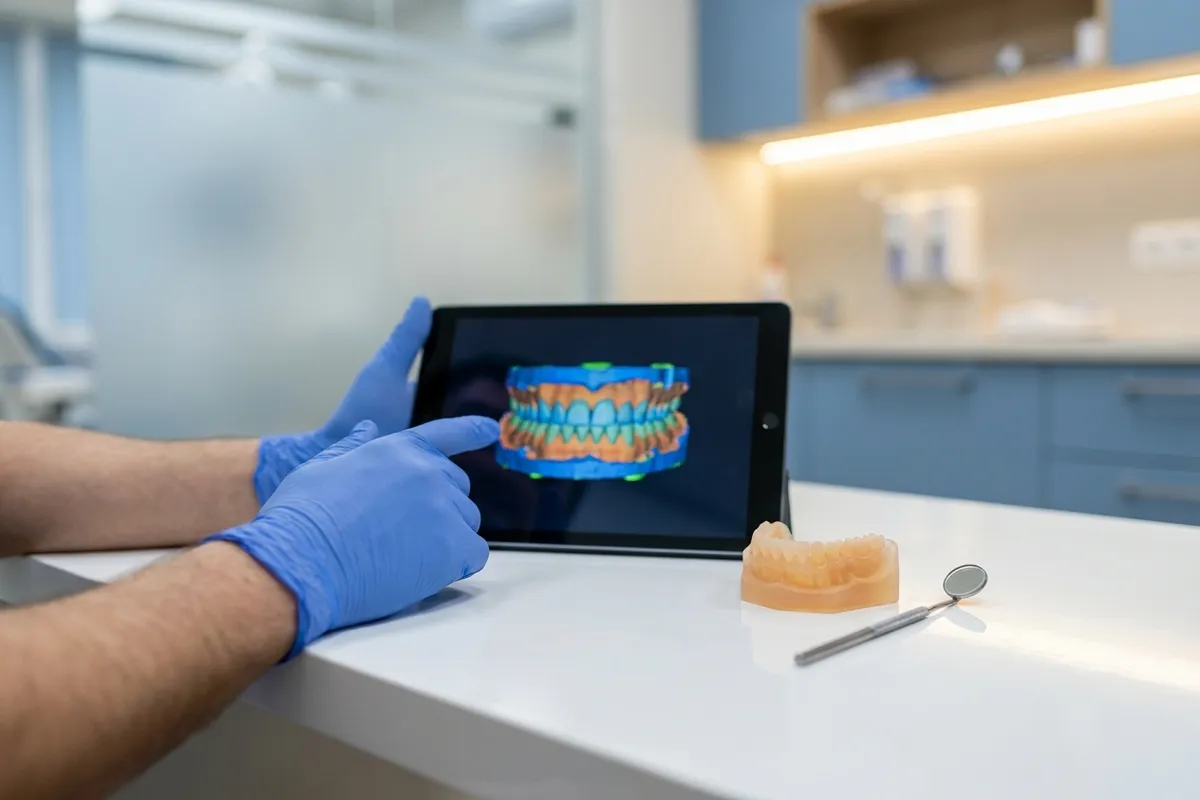
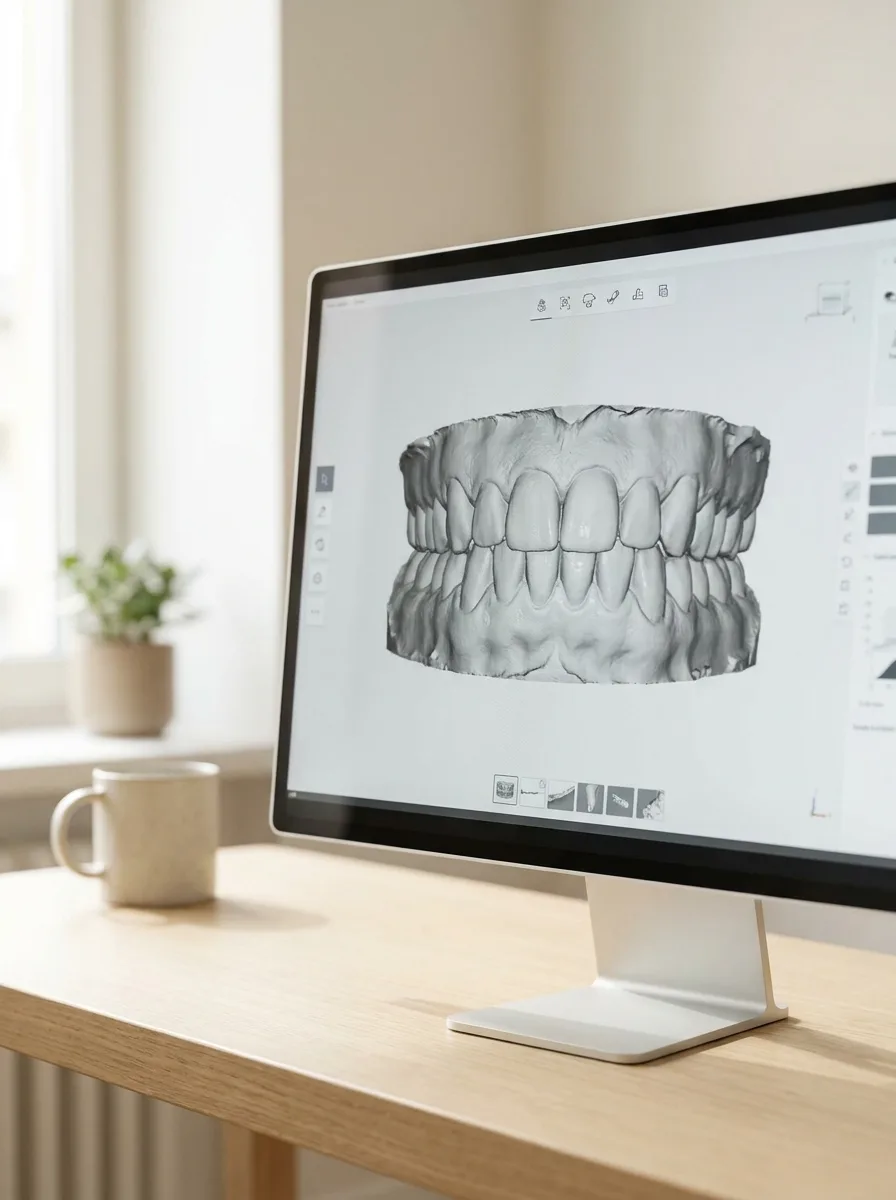
We examine teeth, gums, and the bite and collect records such as photographs, scans or models, and appropriate images. The proposed plan helps explain tooth movement and its limitations. We discuss suitability, alternatives, whether other dental care is needed first, and when specialist input would be appropriate.
- Digital records help plan movement, but an examination and appropriate images remain important for assessing roots, gums, and the bite.
- Tooth-colored attachments or other planned steps may help selected movements; ask how they affect appearance, cleaning, and appointment stages.
- Progress reviews check tray fit and tooth response, with refinements or additional aligners considered when the initial sequence does not complete the goals.
What Treatment Involves
You wear a sequence of aligners and change them as directed. Small tooth-colored attachments or other steps may be needed to achieve certain movements. Reviews check fit, oral health, and progress; the plan can be adjusted if teeth do not track as expected. Remove aligners for meals and follow cleaning instructions.
The proposed Invisalign plan should explain the initial tray series, review arrangements, and any attachments or other measures needed. Additional aligners may be recommended after reassessment if further movement is required. Ask how those stages and retainers are handled in the treatment agreement. Other aligner systems or braces may be alternatives; the comparison should consider your clinical needs and the complete course.
Aftercare and Retainers
Temporary pressure can occur with a new tray, but significant pain, persistent rubbing, or poor fit should be reported. After active treatment, retainers help limit tooth movement and need ongoing use as prescribed. Keep daily oral hygiene and review appointments so the result and supporting tissues can be maintained.
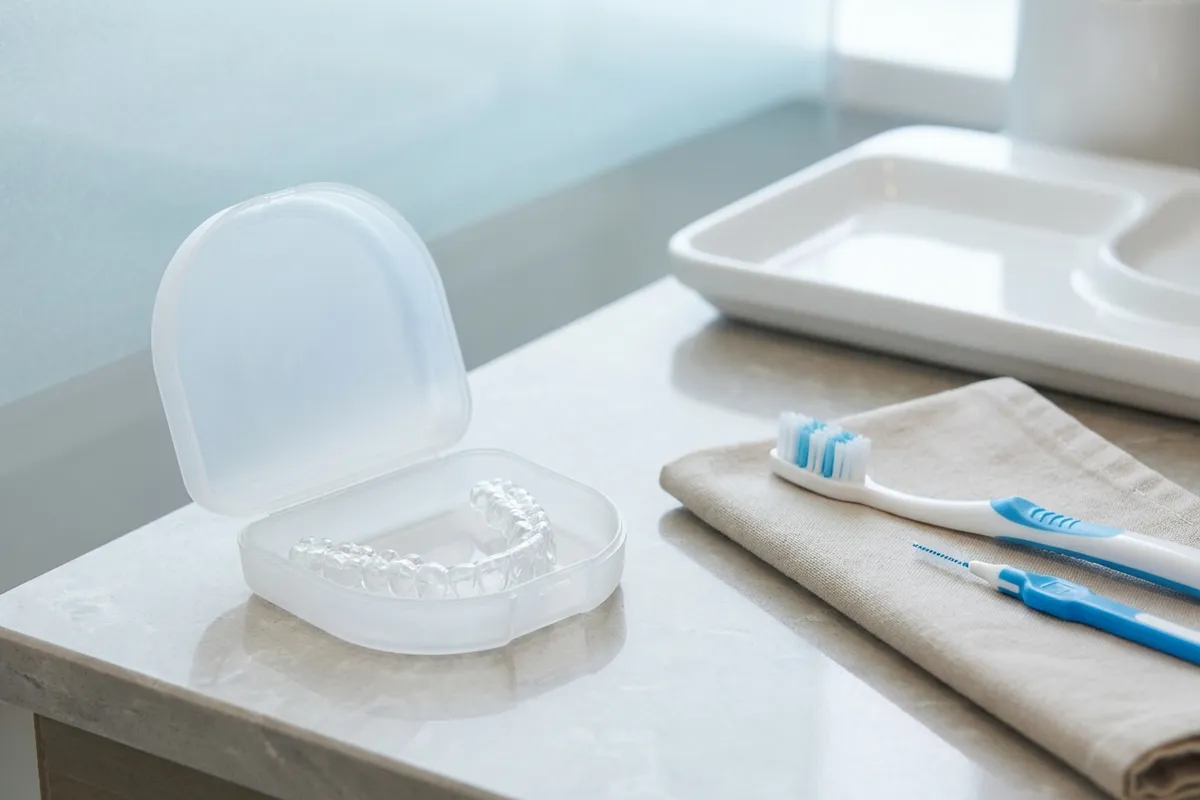
Use and clean Invisalign trays according to the instructions for your prescribed system, and keep them in their case when removed. Contact the clinician if a tray is lost, an attachment comes off, or fit changes. Avoid changing stages without advice when progress is uncertain. After active treatment, a separately prescribed retainer maintains tooth position; the last aligner is not automatically a permanent retention plan.
- Follow instructions for meals, drinks, storage, and cleaning, and avoid hot water that can distort an aligner.
- Report lost trays, broken attachments, significant pain, or poor tracking before advancing to another set without guidance.
- Keep the prescribed retainer routine and preventive visits after treatment, since tooth position and supporting health still need maintenance.
How it works
How to get started
An exam first, then a clear answer.
 1
We examine your teeth
We look at your bite and what you would like to change.
 2
We talk through options
Aligners, braces, or no treatment at all — with the time and commitment each involves.
 3
You decide
There is no obligation to go ahead.
Services
Other services
Everything we do, under one roof.


Questions
Frequently Asked Questions
Asking about Invisalign? Talk to us
About us
Why families choose Happy Smiles
At the same address in Columbia for over fifty years — started by Dr. Brockley, then Dr. Qilin Xu.
Fifty years, one address
543 Locust St has been the practice's home the whole time.
A dentist who knows you
Dr. Xu holds degrees in medicine and dentistry — the same doctor at every visit.
Routine to emergency
Exams and cleanings, fillings, dentures and veneers, whitening — and emergency care when something cannot wait.

Visit us
We're waiting for you in Columbia
543 Locust St
Columbia, PA 17512
- Monday – Thursday
- 8:00AM – 5:00PM