
Implants in Columbia, PA, serving Lancaster and York Counties
Dental implants can support a replacement tooth, bridge, or denture. The right approach depends on your bone, gums, general health, and the number of teeth being replaced.
How an Implant Supports a Replacement Tooth
A dental implant is a post placed in the jaw to support a replacement tooth or prosthesis. It replaces the role of a missing root; a crown, bridge, or denture provides the visible teeth. Treatment includes planning, placement, healing, and restoration, with the sequence adapted to your anatomy and health.
The implant in the bone, the connecting abutment, and the visible restoration are different parts of the replacement. Planning begins with the tooth or teeth that need replacing, then considers how the implant will support that design. An implant does not itself provide a chewing surface. Both healing of the surgical site and a maintainable restoration matter to the final result.
Why Implant Replacement May Help
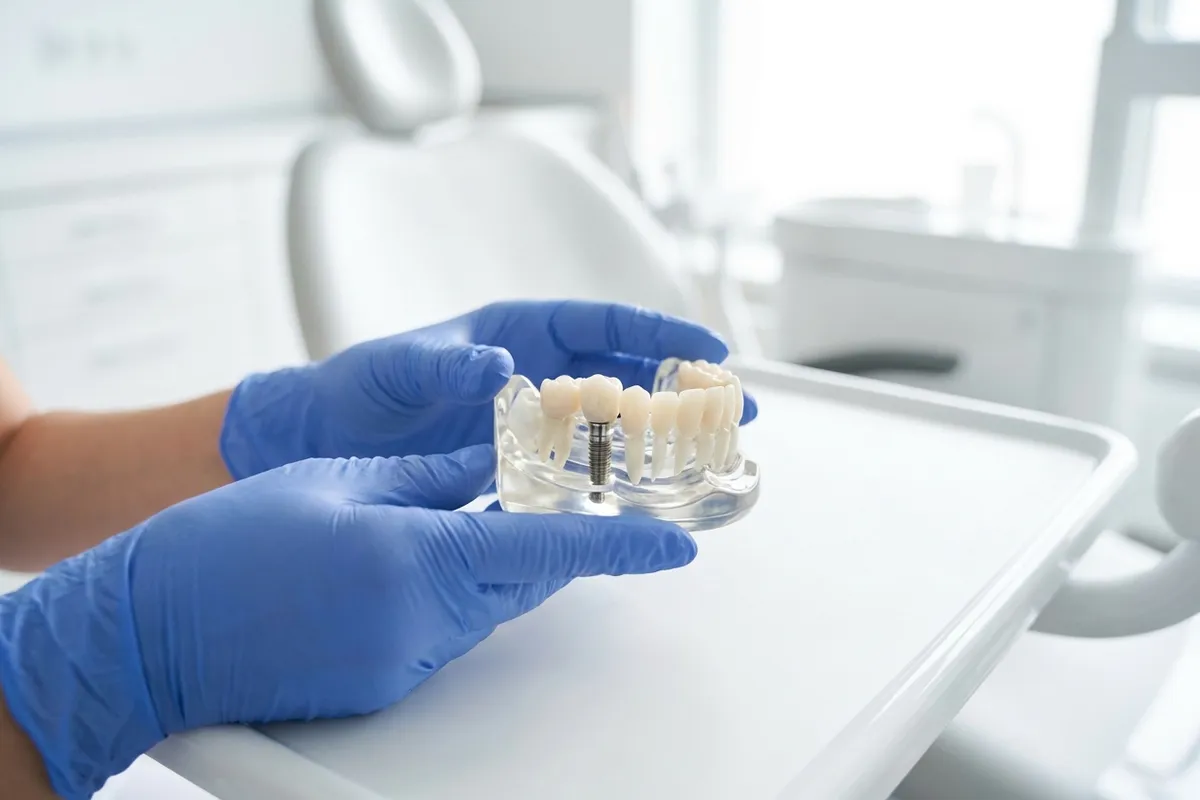
Missing teeth can affect chewing, appearance, and the stability of the remaining dental arrangement. An implant can support a replacement without preparing adjacent teeth in some cases. It can also help retain a denture. The benefit depends on your starting condition and should be weighed against surgery, time, cost, and maintenance.
An implant may replace a missing tooth without preparing the adjacent teeth for a conventional bridge. It can also support a larger replacement where several teeth are absent. That potential benefit must be weighed against surgery, healing, and maintenance. The proposed position needs to suit the final tooth arrangement; having room for a post alone does not establish a complete treatment plan.
- An implant can support a replacement crown without preparing neighboring teeth in suitable cases, although it requires its own surgical planning.
- Several implants may support a bridge or denture when multiple teeth are missing; the restoration design determines how support is distributed.
- Implants are one replacement option, and their potential benefits should be compared with bridges, removable dentures, and appropriate monitoring of the space.
Who May Be a Candidate
Suitable candidates need an assessment of bone, gum health, medical conditions, and daily cleaning habits. Smoking and some health factors can affect healing and risk. A lack of bone may require grafting or a different option. Implant treatment is individualized and is not automatically suitable for every missing tooth.
The dentist assesses bone dimensions, gum condition, nearby structures, and the space for a restoration. Tobacco use, medical conditions, and medicines affecting healing need discussion before placement. Some patients need preparatory treatment or specialist evaluation. Ask whether the site can support the planned implant and whether you will be able to clean the finished design effectively every day.
- The available bone and gum condition affect placement; grafting or another design may be needed when support is limited.
- Disclose smoking, diabetes, medicines affecting bone, and previous healing difficulties so the surgical and maintenance risks can be considered.
- Discuss whether you can clean around the proposed replacement every day; access and long-term maintenance influence suitability.
Timing and Healing
Implant care often takes place over several stages while the surrounding bone heals. Some patients need an extraction or graft first; others may qualify for a different sequence. Immediate placement or a temporary tooth is only appropriate in selected circumstances. We explain the likely timeline without promising the same schedule for everyone.
Assessing Bone, Gums, and the Planned Implant Position
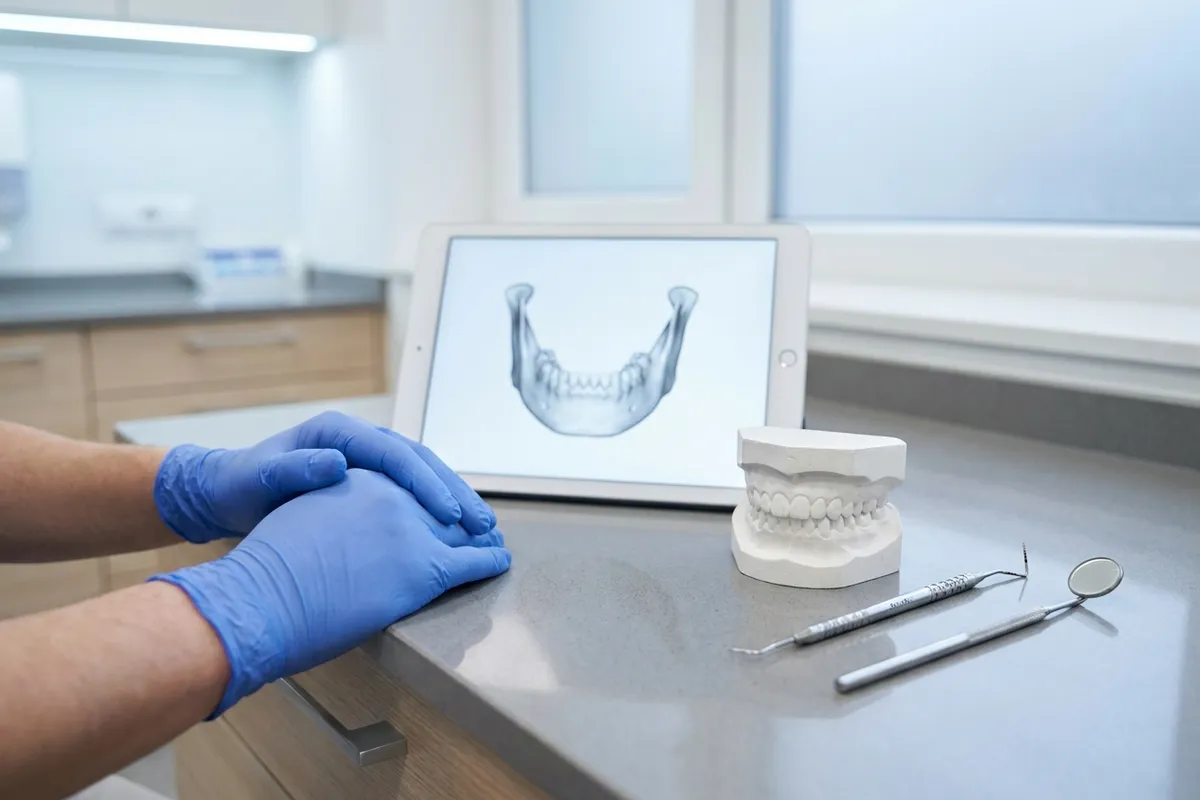
We examine the teeth, gums, bite, and space for the replacement and review your medical history. Appropriate imaging helps assess supporting bone and nearby structures. We discuss whether preparatory care or specialist input is needed, compare alternative replacements, and explain the expected treatment stages and ongoing maintenance.
- Selected imaging assesses bone dimensions and nearby structures, while examination checks the bite and the space available for a replacement.
- Ask whether extraction or grafting comes first, when healing will be checked, and what temporary tooth arrangement is realistic.
- Clarify who provides placement and restoration, how the stages are coordinated, and whether specialist involvement is appropriate for your site.
Implant and Replacement Options
One implant may support a crown, while several can support a bridge or an implant-retained denture. The implant is placed, healing is monitored, and the final replacement is fitted when the site is ready. The number of implants and restoration design follow your needs, not a fixed formula.
Treatment can involve extraction, grafting when indicated, implant placement, healing, and fitting the restoration in separate stages. The sequence varies, and immediate placement or an immediate tooth is not appropriate for every case. A tooth-supported bridge or removable appliance may be an alternative. Compare the whole plan, including temporary teeth and follow-up, rather than considering implant placement as the only appointment.
Recovery and Long-Term Care
After surgery, follow the written instructions for cleaning, activity, and comfort, and attend healing reviews. Implants require daily cleaning and professional maintenance; inflammation can develop around them. Contact us about persistent pain, swelling, or a loose component. Longevity varies, and the visible restoration may need repair or replacement over time.
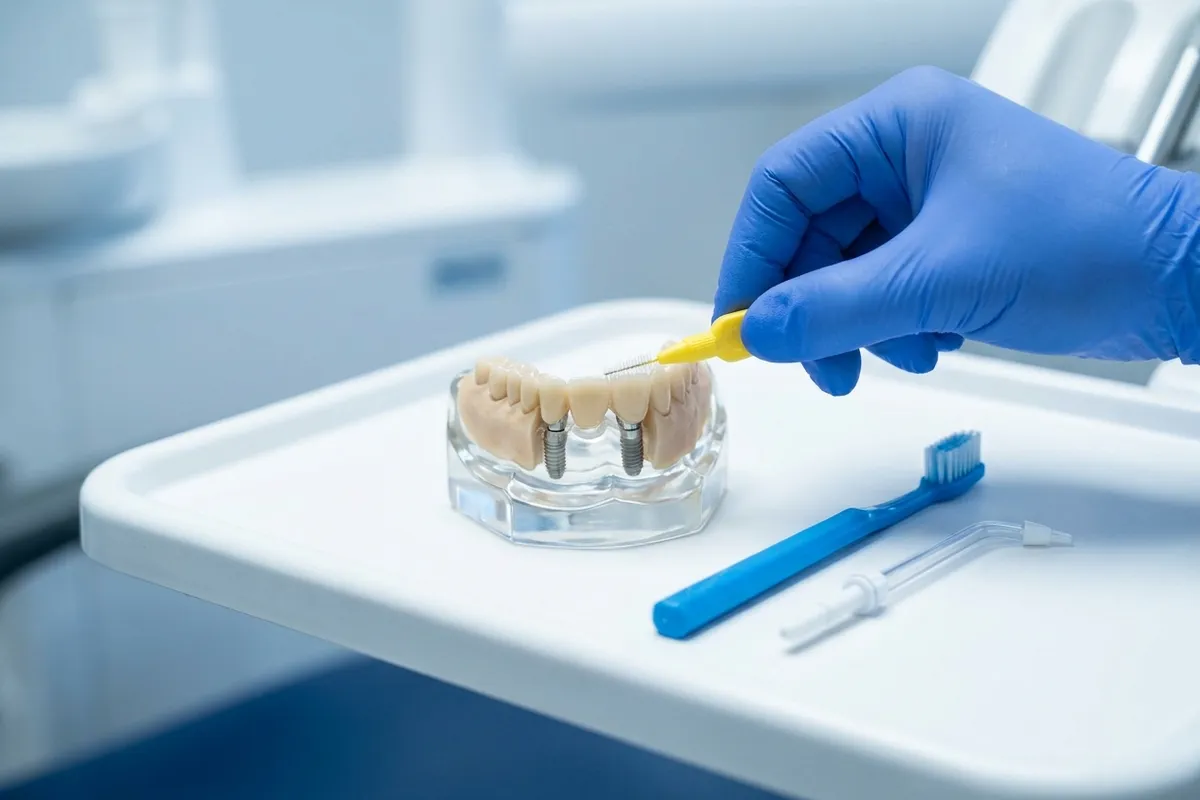
Care for the healing site as instructed, then use the cleaning aids chosen for the implant restoration. Implants do not decay, but the surrounding tissues can become inflamed and components can loosen or wear. Report movement, pain, bleeding, or a change in the bite. Keep implant-system details for your records and attend reviews that assess both the tissue and the prosthetic parts.
- Follow surgical cleaning and activity instructions, and avoid placing chewing forces on the site before the treating team permits it.
- After restoration, clean around the implant and under any connected bridge or appliance using the tools demonstrated for your design.
- Report bleeding, swelling, movement, or a loose component promptly; an implant-supported tooth still needs professional monitoring and possible repairs.
How it works
How an implant works
An assessment first, then the tooth.
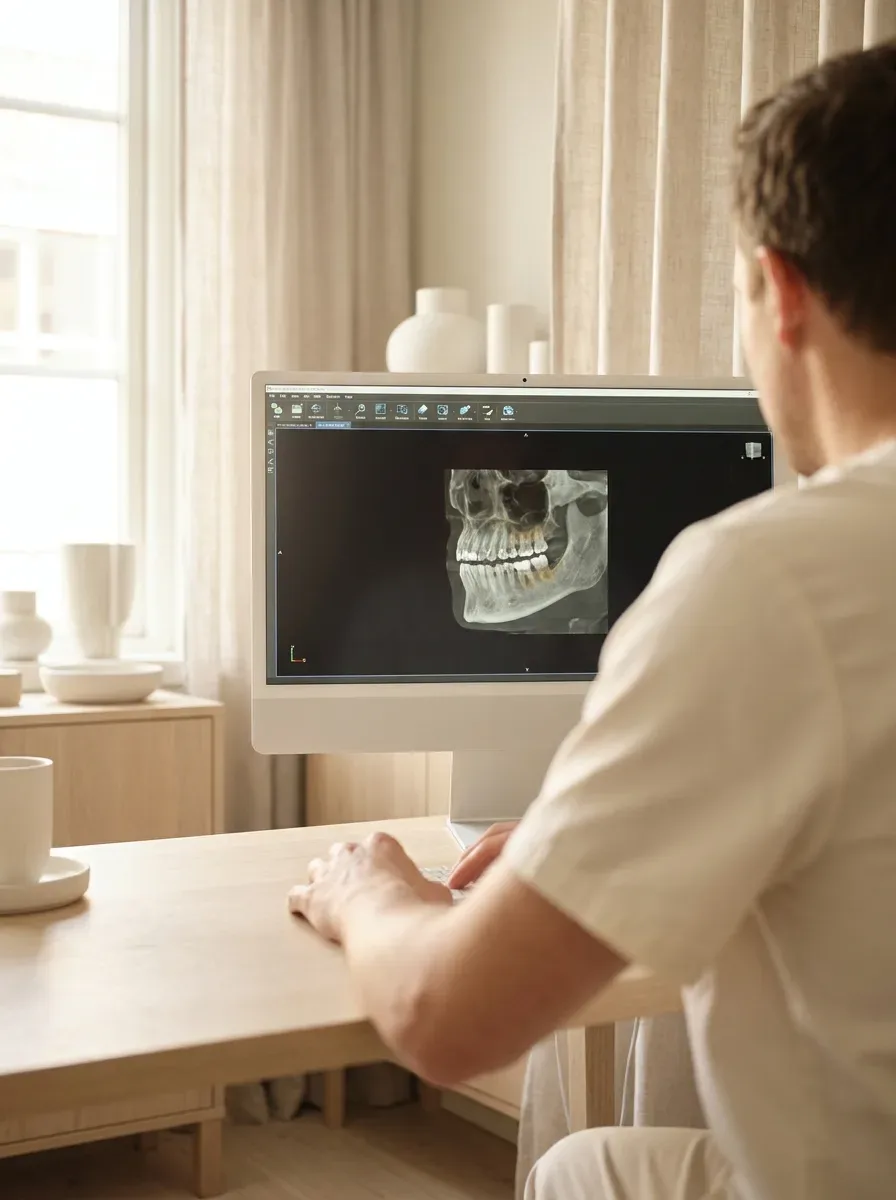 1
Checking it will hold
Your gums and the bone that would hold the implant are assessed before anything is planned.
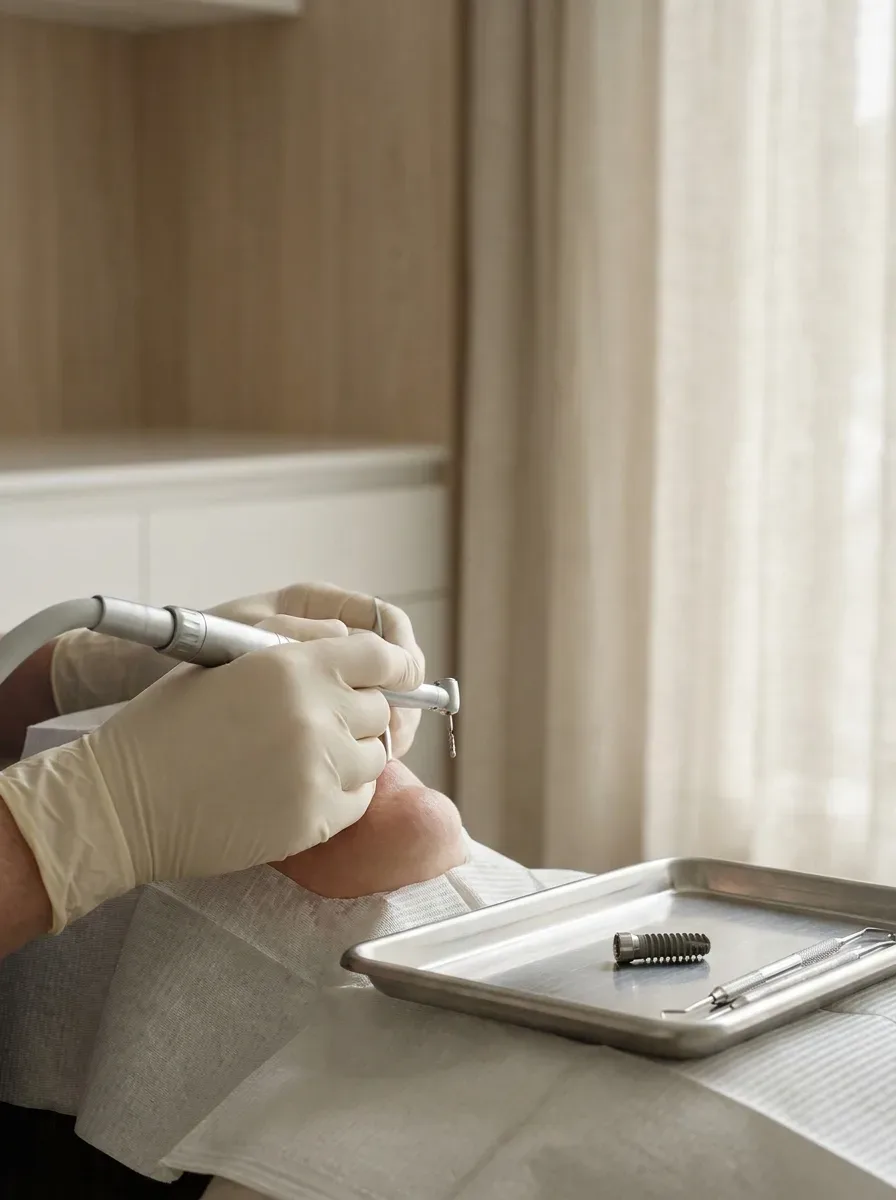 2
The post is placed
A small post is placed in the jawbone, where the root of the missing tooth used to be.
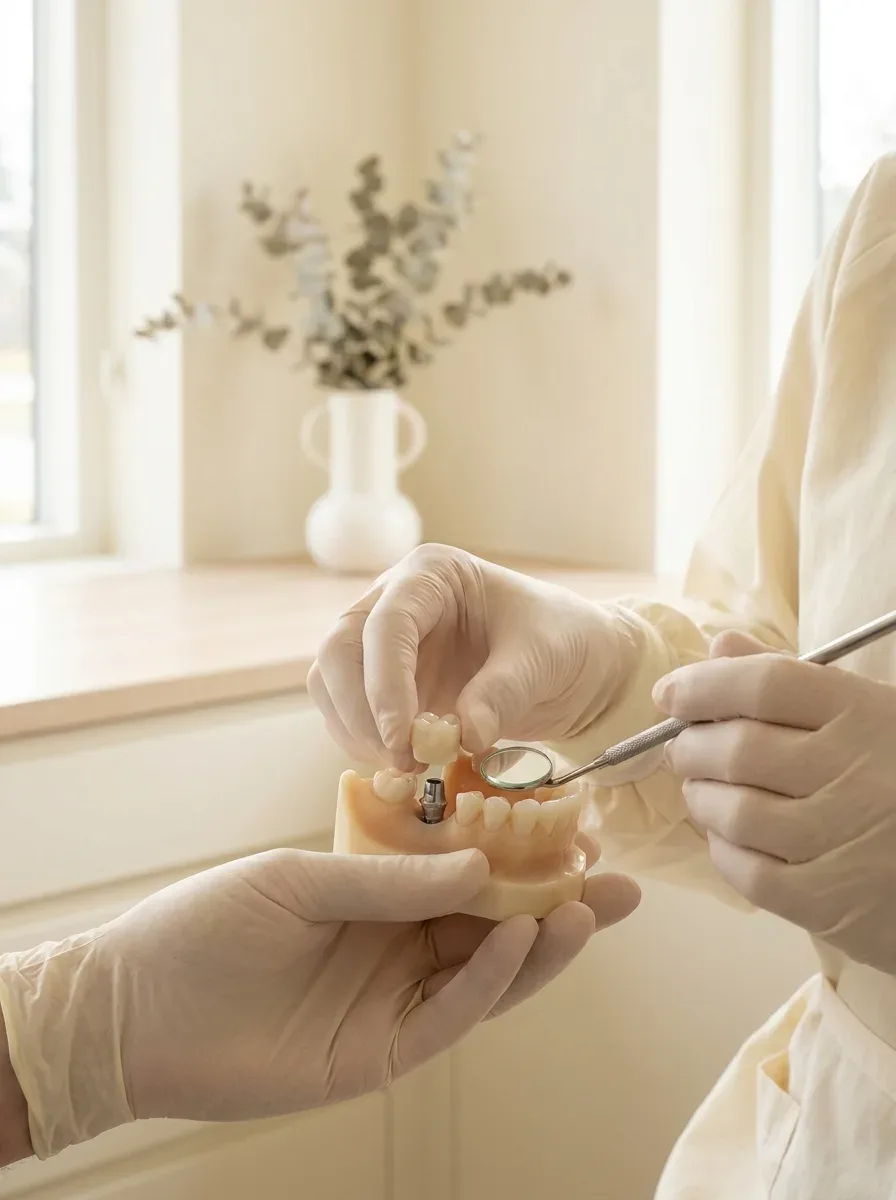 3
The new tooth goes on
Once it has healed, the replacement tooth is fitted onto the post.
Services
Other services
Everything we do, under one roof.

Questions
Frequently Asked Questions
Questions about implants? Ask us
About us
Why families choose Happy Smiles
At the same address in Columbia for over fifty years — started by Dr. Brockley, then Dr. Qilin Xu.
Fifty years, one address
543 Locust St has been the practice's home the whole time.
A dentist who knows you
Dr. Xu holds degrees in medicine and dentistry — the same doctor at every visit.
Routine to emergency
Exams and cleanings, fillings, dentures and veneers, whitening — and emergency care when something cannot wait.

Visit us
We're waiting for you in Columbia
543 Locust St
Columbia, PA 17512
- Monday – Thursday
- 8:00AM – 5:00PM