
Dentures in Columbia, PA, serving Lancaster and York Counties
Full and partial dentures replace missing teeth with removable appliances made for your mouth. Planning includes the condition of any remaining teeth, the shape of your gums, and the adjustments you may need as you adapt.

How Removable Dentures Replace Missing Teeth
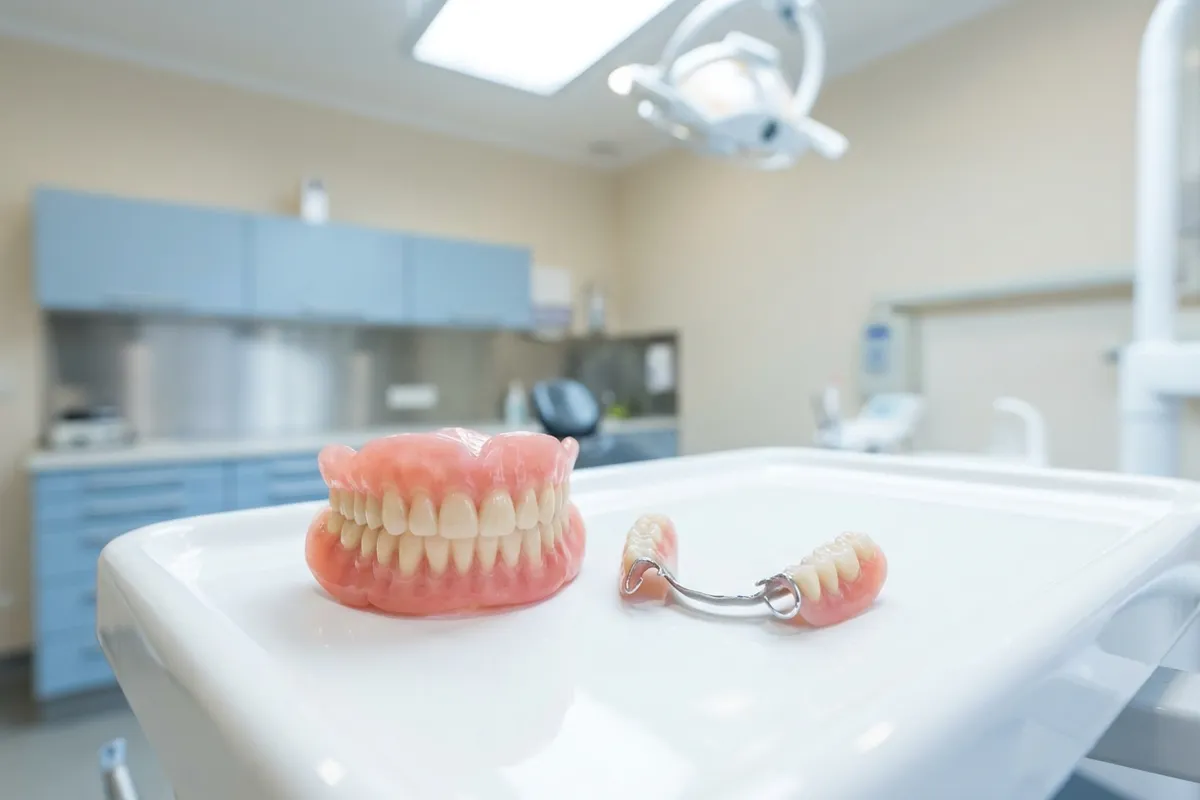
Dentures replace multiple missing teeth with a removable appliance. A partial denture fits around remaining teeth; a complete denture replaces all teeth in an arch. Design, fit, and the condition of supporting tissues influence comfort and function. Dentures are one option alongside bridges and implant-supported replacements.
A conventional denture rests on the gums and, for a partial design, may also use remaining teeth for support and retention. Its base and replacement teeth are shaped for your mouth and bite. Changes in the supporting tissues can alter fit over time. A removable denture therefore needs adjustment and care even when the artificial teeth themselves do not develop cavities.
Why Tooth Replacement Matters
Missing teeth can make eating, speaking, and smiling more difficult. A denture can restore useful function and support appearance, although it may feel different from natural teeth. A partial must also work with the remaining teeth and gums. The plan balances these needs with cleaning, maintenance, and your preferences.
Several missing teeth can make it harder to chew or pronounce some words, and a denture can address those practical concerns. The number of teeth missing and the condition of those remaining influence the design. An existing loose denture may need assessment of its fit, rather than simply more adhesive. Worn teeth or damaged parts can also change how the appliance functions.
- Complete dentures replace a full arch, while partial dentures work around remaining teeth and must protect those teeth during use.
- A removable replacement can restore useful chewing and appearance, although adaptation and limitations differ from those of natural teeth.
- Poorly fitting dentures can create sore areas or instability, so increasing adhesive is not always the appropriate long-term solution.
Concerns to Bring Up
Tell us about loose or broken dentures, sore spots, chewing difficulties, and any changes in speech or fit. If you still have natural teeth, their health matters to the design. A denture that becomes uncomfortable may need adjustment or replacement rather than more adhesive or an improvised repair.
For a partial denture, the dentist checks whether the remaining teeth can safely support its clasps and other components. For a complete denture, the shape of the ridge, saliva, and muscle control affect retention. Tell us about dry mouth or difficulty handling small objects. These factors help establish realistic expectations for comfort, cleaning, and the adjustment period.
- Tell us whether this is your first denture or a replacement and which problems you experienced with a previous appliance.
- Remaining teeth need assessment for decay, gum support, and suitability as supports before a partial denture is designed.
- Discuss dry mouth, limited dexterity, or difficulty removing an appliance because these may affect comfort and the daily care plan.
When to Plan Dentures
Planning can begin before extractions when an immediate denture is being considered, or after tissues have healed for a conventional approach. Gums and bone change during healing, so fit may need adjustment. We explain the likely stages and whether a temporary appliance is part of your plan.
Assessing the Gums, Remaining Teeth, and Denture Fit
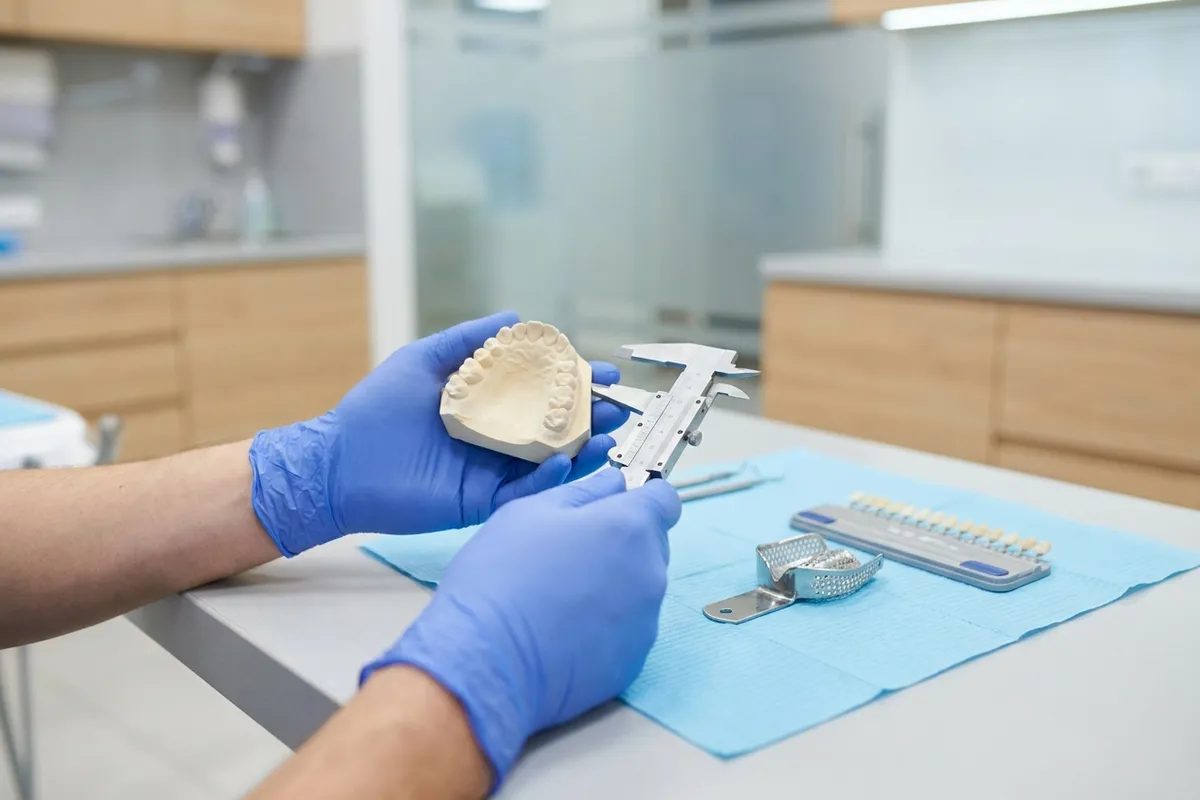
We examine the remaining teeth, gums, supporting ridges, and bite, and review relevant health history. Impressions or scans and measurements help establish fit, tooth position, and appearance. We discuss expectations for chewing and adaptation, as well as whether tooth-supported or implant-supported alternatives may be suitable.
- Impressions or scans record supporting tissues, while jaw measurements guide the position of teeth and how the arches meet.
- Where a trial stage is included, review appearance, speech, and bite before final processing, recognizing later adjustments may still be needed.
- If extractions are planned, compare immediate and later dentures and clarify how healing-related tissue changes will be managed.
Denture Options and Fitting
Options include complete dentures, removable partials, and selected implant-supported designs. Fitting may involve several appointments and a trial stage to review appearance and bite. Adjustments after delivery are common. Let us know where pressure or movement occurs so changes can be made to the appliance appropriately.
A denture made after the gums heal differs from an immediate denture fitted around the time of extractions. Healing can change the fit and create a need for relining or replacement. Implant retention is another possibility for selected patients, with added surgical and maintenance requirements. Ask how the proposed design is supported, when adjustments are expected, and what happens if it becomes loose.
Daily Care and Follow-Up
Clean dentures and oral tissues each day, follow instructions about storage and removal, and keep review appointments. Most removable dentures should be taken out during sleep unless directed otherwise. Never bend clasps or repair an appliance yourself. Persistent soreness, looseness, or a damaged denture needs professional attention.
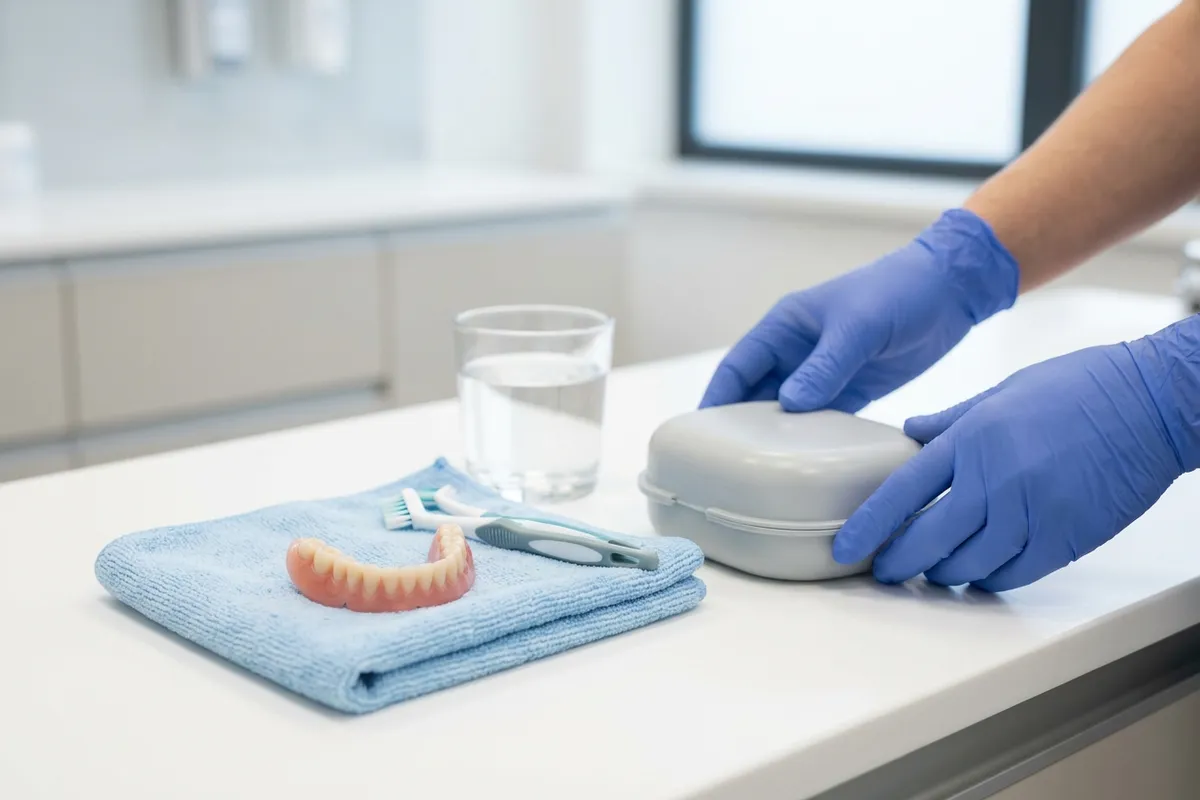
Clean the appliance with a product appropriate to its materials and also clean your gums and any remaining teeth. Remove it at night unless you have been given specific instructions for immediate postoperative care. Avoid hot water that could distort the base and do not file painful areas yourself. Persistent soreness, cracks, or poor retention should be assessed for adjustment.
- Start with manageable foods and follow guidance on adaptation; persistent rocking or soreness should be assessed rather than endured indefinitely.
- Clean the appliance outside the mouth using suitable products, rinse it thoroughly, and follow instructions for overnight removal and storage.
- Avoid hot water, bending clasps, or household glues; bring a cracked or poorly fitting denture for professional assessment.
How it works
How dentures are made
Measured for your mouth, not off a shelf.
 1
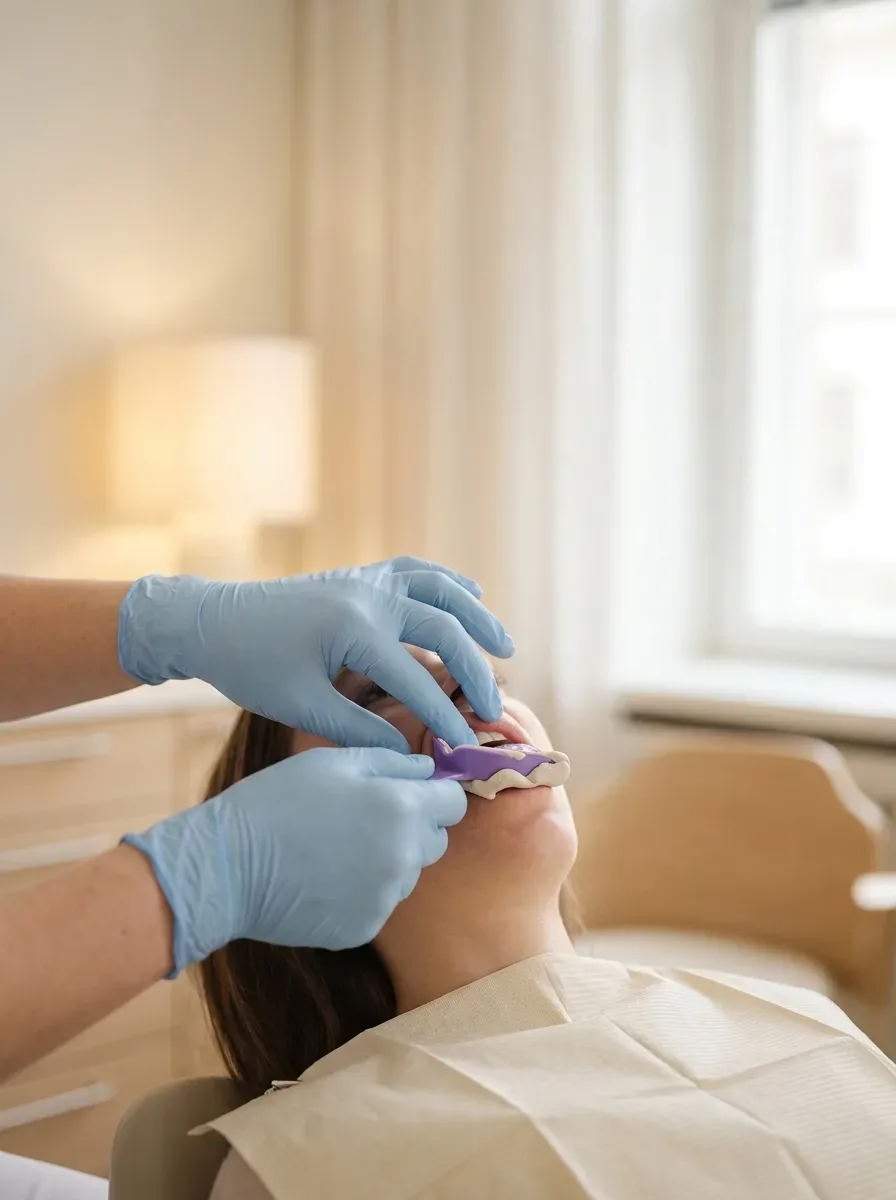
An impression of your mouth
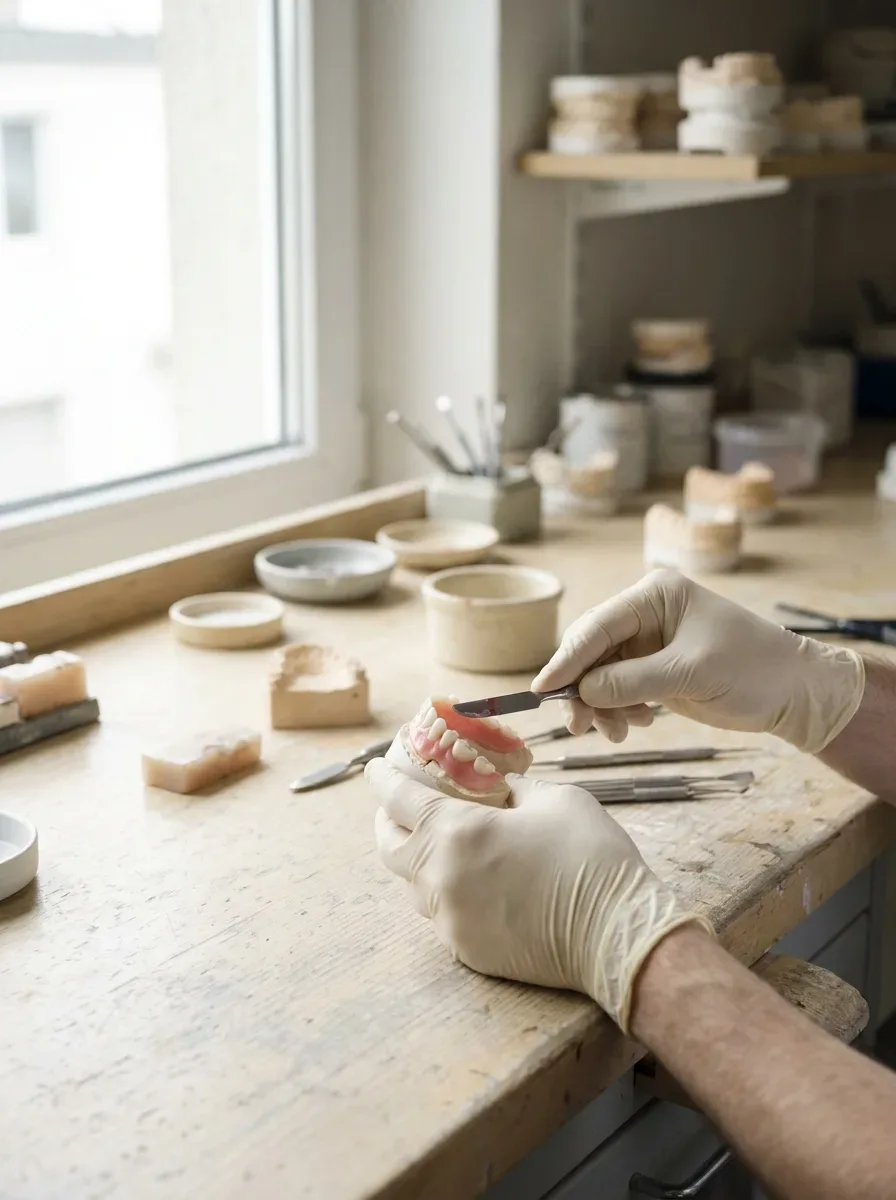
An impression is taken so the dentures are shaped to your gums and the teeth you still have.
 2
Made at the lab
The impression goes to the lab that builds the denture.
 3
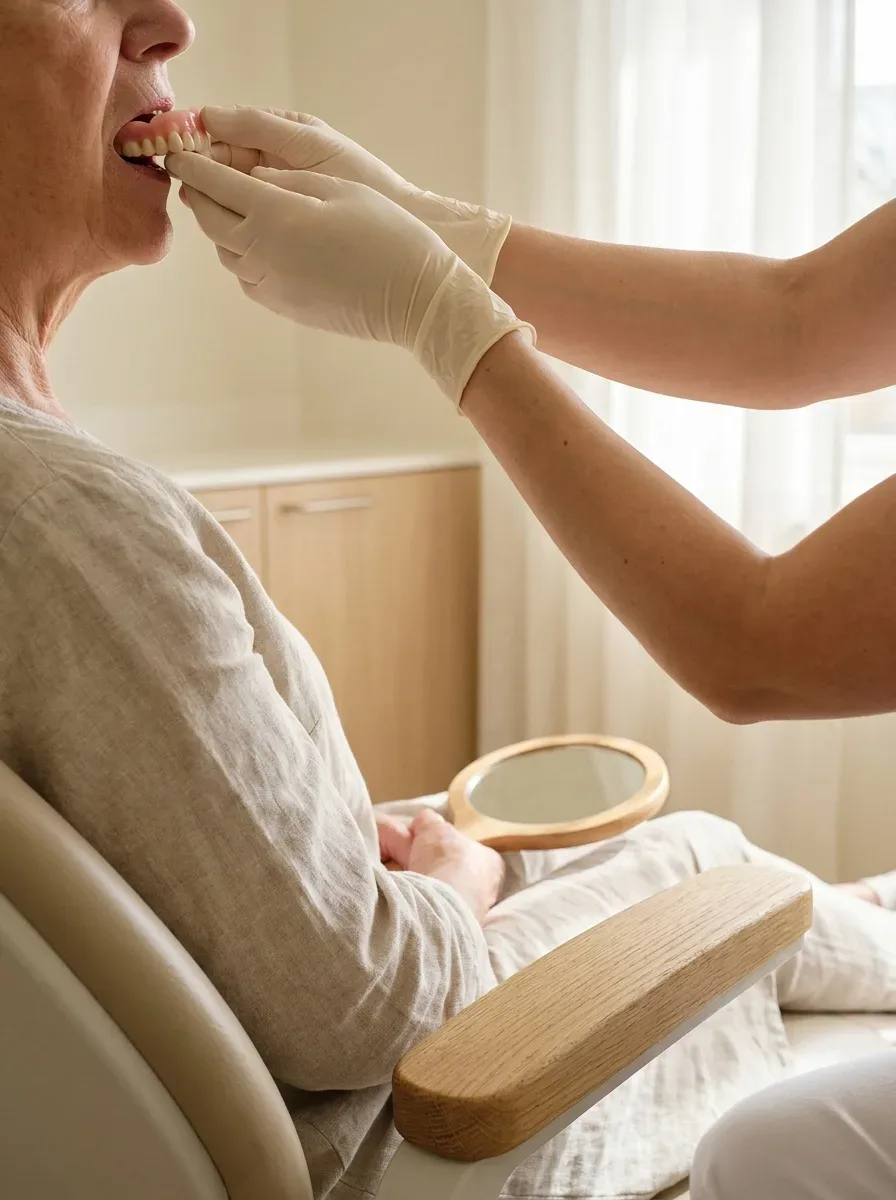
Fitted and adjusted
They are fitted, adjusted so they sit comfortably, and checked again as your gums settle.
Services
Other services
Everything we do, under one roof.
Questions
Frequently Asked Questions
Questions about dentures? Ask us
About us
Why families choose Happy Smiles
At the same address in Columbia for over fifty years — started by Dr. Brockley, then Dr. Qilin Xu.
Fifty years, one address
543 Locust St has been the practice's home the whole time.
A dentist who knows you
Dr. Xu holds degrees in medicine and dentistry — the same doctor at every visit.
Routine to emergency
Exams and cleanings, fillings, dentures and veneers, whitening — and emergency care when something cannot wait.

Visit us
We're waiting for you in Columbia
543 Locust St
Columbia, PA 17512
- Monday – Thursday
- 8:00AM – 5:00PM