Dental Sealants in Columbia, PA, serving Lancaster and York Counties
Sealants are a thin coating painted onto the chewing surfaces of the back teeth. They keep food and bacteria out of the deep grooves a toothbrush cannot reach.
How Sealants Protect Tooth Grooves
Dental sealants are thin protective coatings placed in the grooves of chewing surfaces, usually on back teeth. They create a barrier in areas where food and plaque can collect. Sealants are preventive care and work alongside fluoride toothpaste, cleaning between teeth, and regular dental examinations.
A sealant covers the pits and grooves on a selected chewing surface. It does not coat every side of the tooth or replace the protection provided by fluoride toothpaste. The dentist checks the groove before sealing it and determines whether the surface is suitable. Teeth with more extensive decay may need a restoration rather than a preventive coating.
Why Tooth Grooves Need Protection
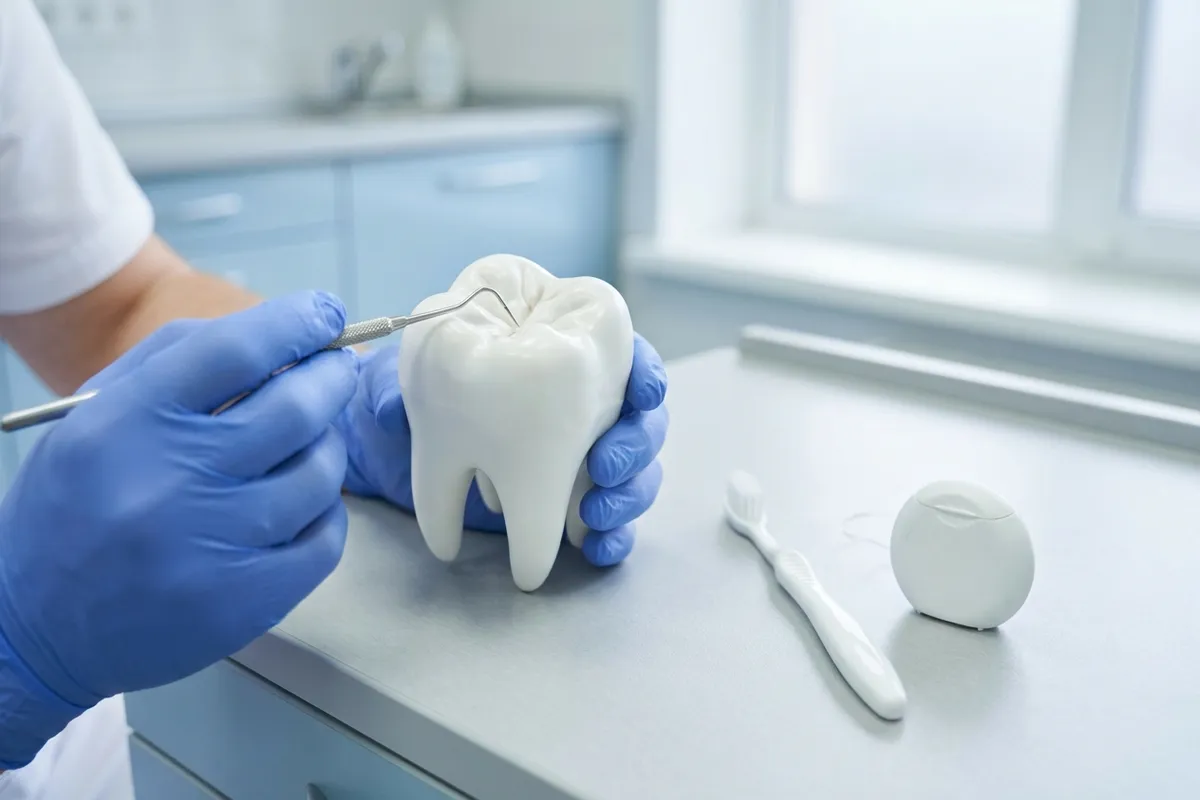
Some molars have deep pits and grooves that a toothbrush has difficulty reaching. Those surfaces can be vulnerable to decay even with a good home routine. Covering suitable grooves makes them easier to protect, especially when a newly erupted permanent tooth is difficult for a child to clean thoroughly.
Newly erupted permanent molars can be difficult for children to clean, particularly when their deep grooves trap food and plaque. Protecting those surfaces can reduce the chance of a cavity developing there. The decision should consider the tooth's shape, eruption, and cavity risk. Smooth surfaces and the spaces between teeth still need their own brushing and interdental care.
- Deep grooves on chewing surfaces can trap plaque and food where toothbrush bristles do not clean as effectively as on smooth surfaces.
- A sealant forms a protective coating over suitable pits and grooves, reducing exposure of those areas to cavity-causing conditions.
- Sealants protect selected surfaces rather than the entire tooth; fluoride, interdental cleaning, and diet still matter for other areas.
Who May Benefit from Sealants
Children and teenagers commonly receive sealants on permanent molars, but adults with susceptible grooves may benefit too. We consider previous cavities, tooth shape, and current hygiene. A tooth with an established cavity may need a filling instead; the decision depends on the examination rather than age alone.
A tooth must be accessible enough for the clinician to prepare its chewing surface and manage moisture during placement. A partly erupted molar may need reassessment when more of it is visible. Mention previous sealants, any bite discomfort, and whether the child can comfortably keep the mouth open. The recommendation is made for individual teeth rather than automatically sealing every tooth.
- Newly erupted permanent molars often warrant assessment because their grooves may be difficult to keep clean during childhood.
- Adults may also benefit on suitable unsealed chewing surfaces, depending on tooth condition and cavity risk rather than age alone.
- Tell us about previous sealants, frequent cavities, and difficulty cleaning back teeth so the recommendation addresses the surfaces actually at risk.
When to Consider Sealants
Permanent molars are often assessed for sealants after they erupt enough to be cleaned and kept dry during placement. Your dentist can also review unsealed teeth at later visits. Existing sealants need periodic checks because wear or partial loss can leave a groove exposed again.
Checking Molars and Grooves Before Sealing
We examine the tooth surface for decay, assess the depth of its grooves, and consider your overall cavity risk. Imaging may be useful when a concern extends beyond the visible surface. The evaluation determines whether sealing, monitoring, or restorative treatment is the most appropriate approach for that tooth.
- Each tooth is checked for decay and existing restorations; a coating is not a substitute for treating a cavity that needs repair.
- Placement generally involves cleaning and preparing the surface, keeping it dry, applying the material, and checking the finished bite.
- If a tooth is only partly erupted or hard to isolate, discuss whether placement should wait or another preventive approach is appropriate.
What Placement Involves
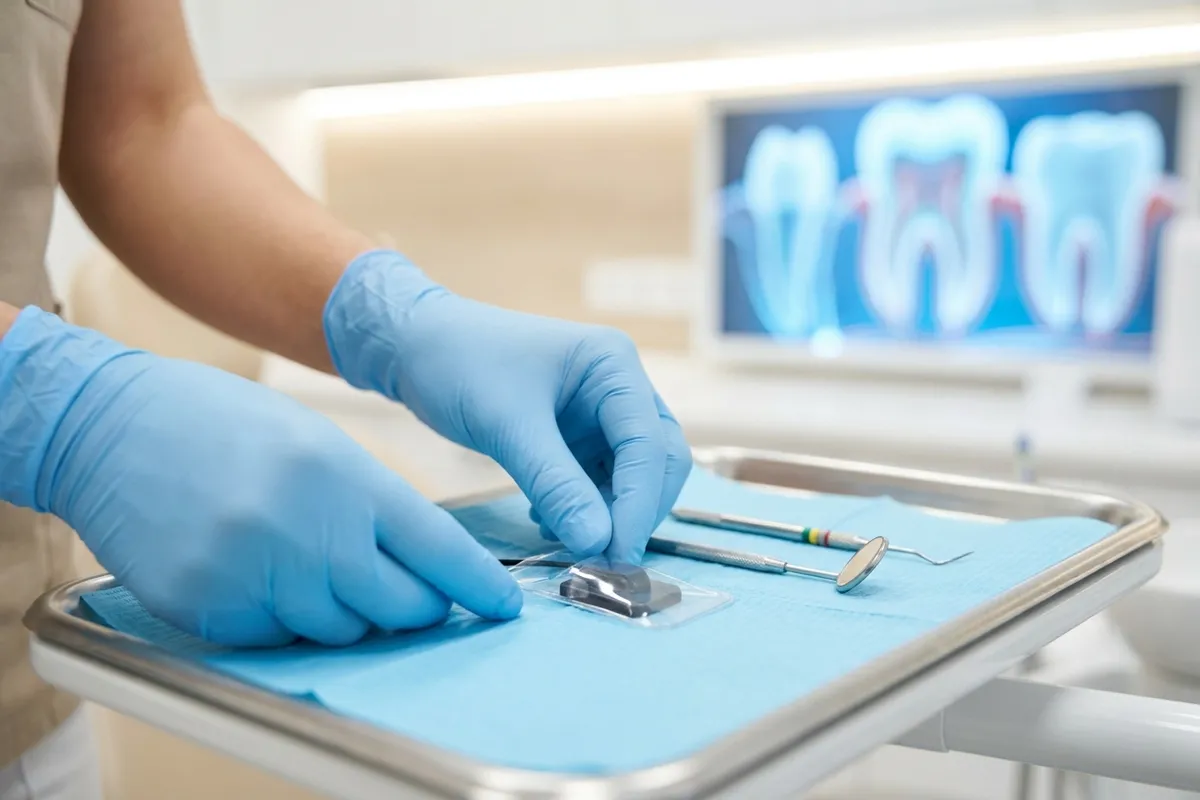
The tooth is cleaned and prepared, then the sealant material is applied to the grooves and allowed to set, often with a curing light. Placement usually does not require drilling or an anesthetic. We check coverage and the bite so the sealed surface is comfortable during chewing.
Placement usually involves cleaning and preparing the groove, applying the coating, and allowing it to set according to the material. The clinician checks coverage and the bite afterward. Ask which teeth are being sealed and why. Fluoride offers a different form of protection and may complement sealants; a filling is considered when the diagnosed damage needs restorative treatment.
Caring for Sealed Teeth
Brush and clean between teeth as usual; a sealant does not protect every tooth surface or eliminate cavity risk. Attend examinations so we can check for wear and repair or replace sealants when needed. Contact us if the bite feels different or a sealed tooth becomes sensitive.
At later examinations, the dentist checks whether the coating remains intact over the grooves. A worn or missing part may need repair or replacement; the presence of a sealant does not remove the need for routine checks. Report a persistent change in your bite after placement. Continue brushing with fluoride toothpaste and cleaning between teeth, including around the sealed molars.
- Continue normal brushing and interdental cleaning; a sealant does not protect every surface or make the tooth immune to decay.
- Have sealants checked at dental visits because worn or partly missing material may need repair or replacement to maintain coverage.
- Report a new rough edge or uncomfortable bite, and follow any product-specific instructions provided after placement.
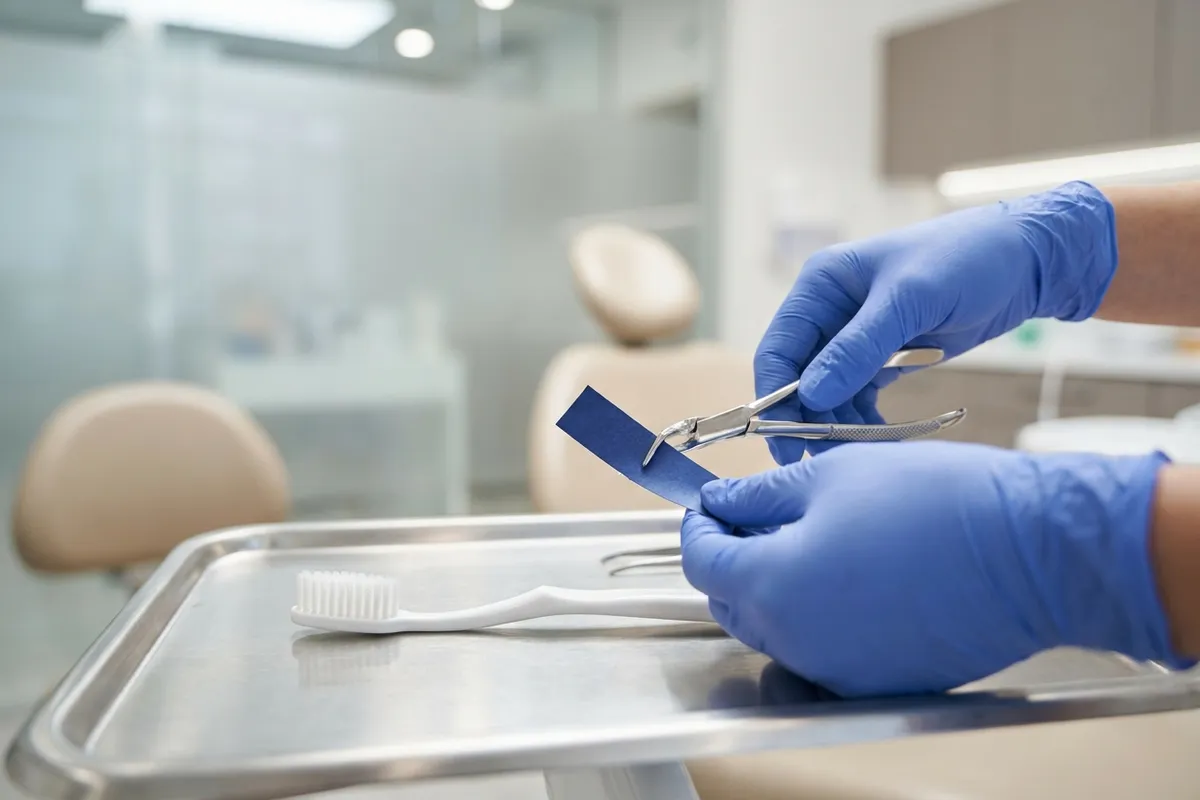
How it works
How sealants are placed
A few minutes per tooth, no discomfort.
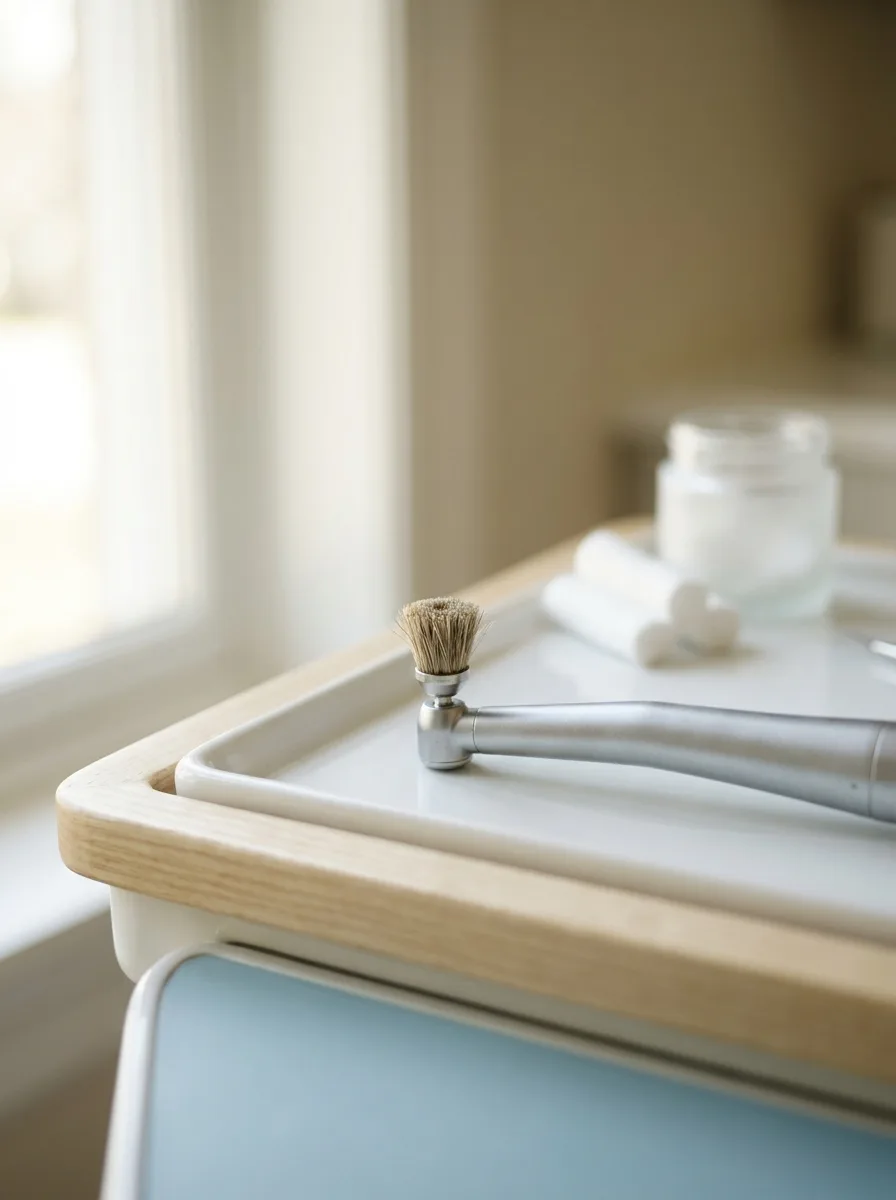 1
The tooth is cleaned
The chewing surface is cleaned and dried.
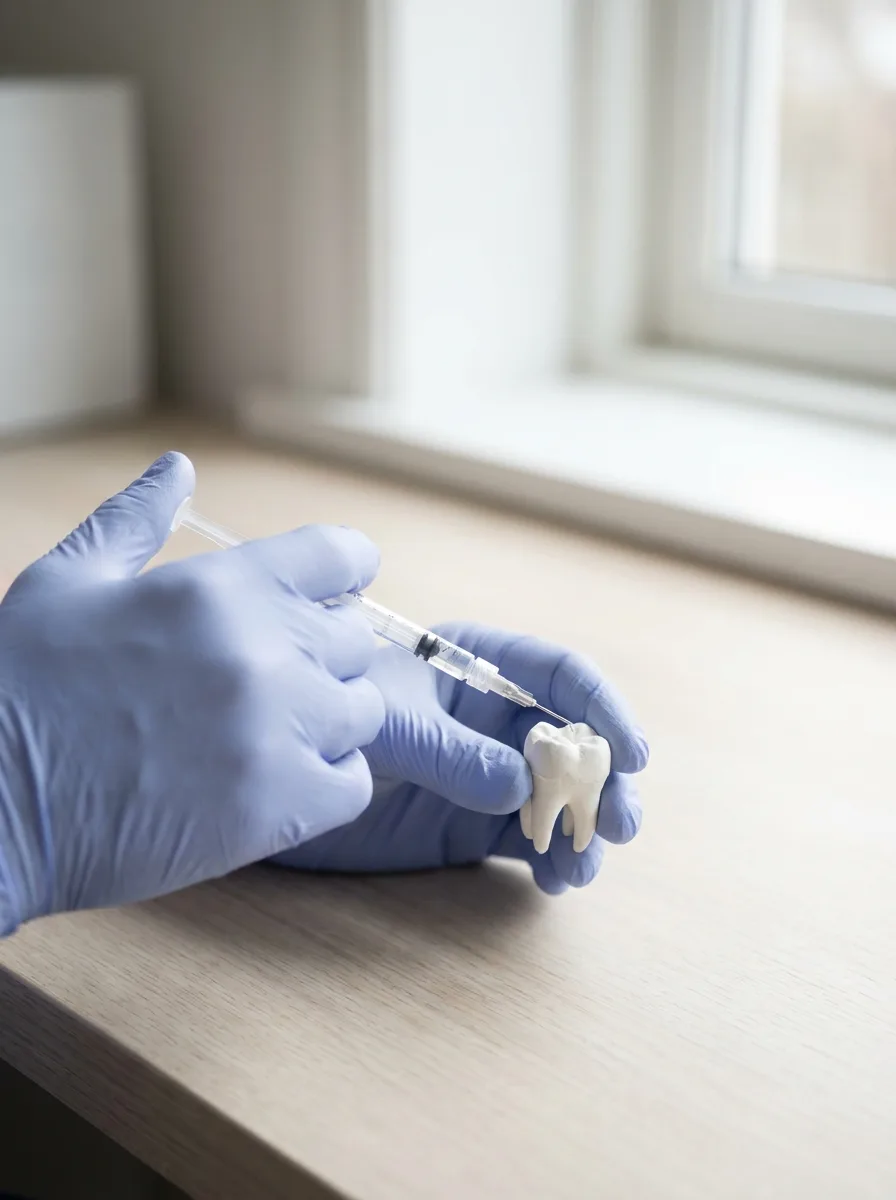 2
The sealant is painted on
The liquid sealant flows into the grooves of the tooth.
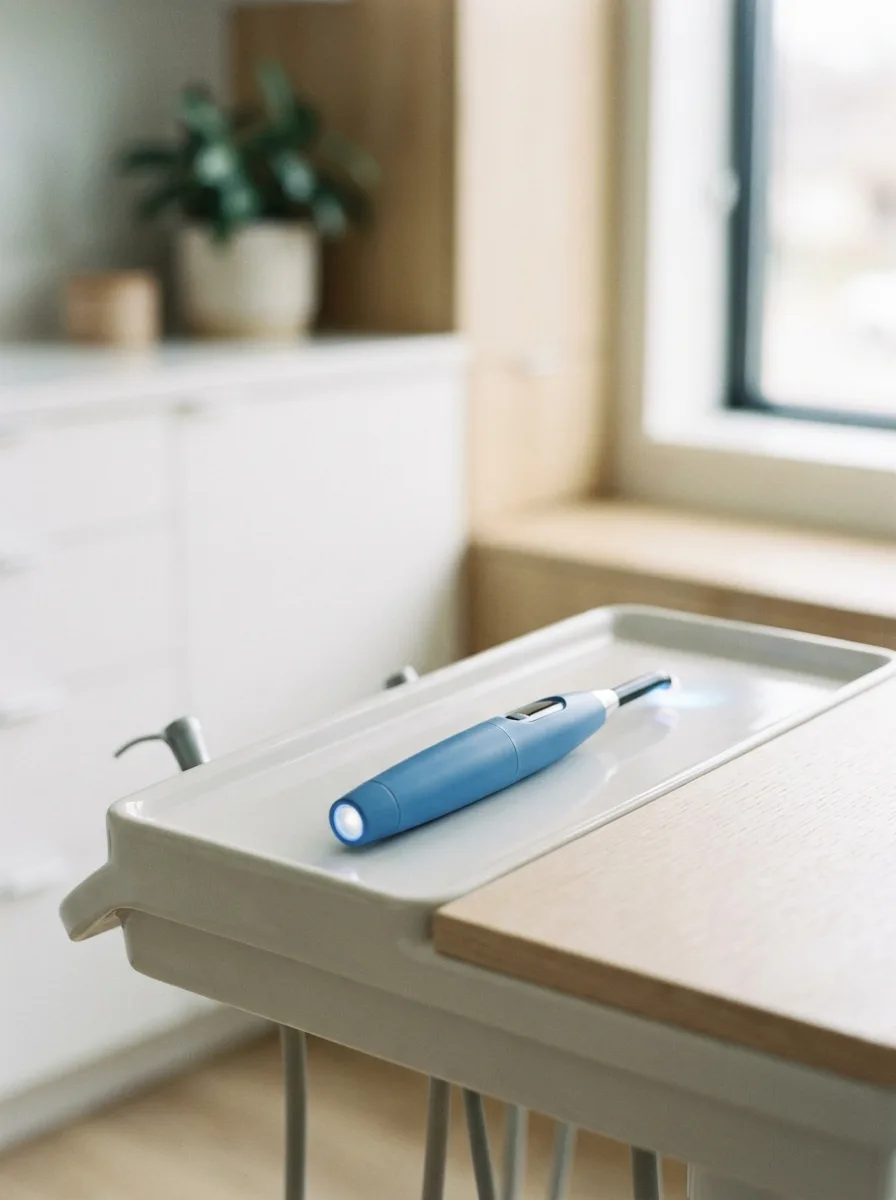 3
A light sets it
The sealant is set according to the product used. Ask when you can eat and what to expect afterward.
Services
Other services
Everything we do, under one roof.



Questions
Frequently Asked Questions
Questions about sealants? Ask us
About us
Why families choose Happy Smiles
At the same address in Columbia for over fifty years — started by Dr. Brockley, then Dr. Qilin Xu.
Fifty years, one address
543 Locust St has been the practice's home the whole time.
A dentist who knows you
Dr. Xu holds degrees in medicine and dentistry — the same doctor at every visit.
Routine to emergency
Exams and cleanings, fillings, dentures and veneers, whitening — and emergency care when something cannot wait.

Visit us
We're waiting for you in Columbia
543 Locust St
Columbia, PA 17512
- Monday – Thursday
- 8:00AM – 5:00PM