
The Complete Guide to Dentures
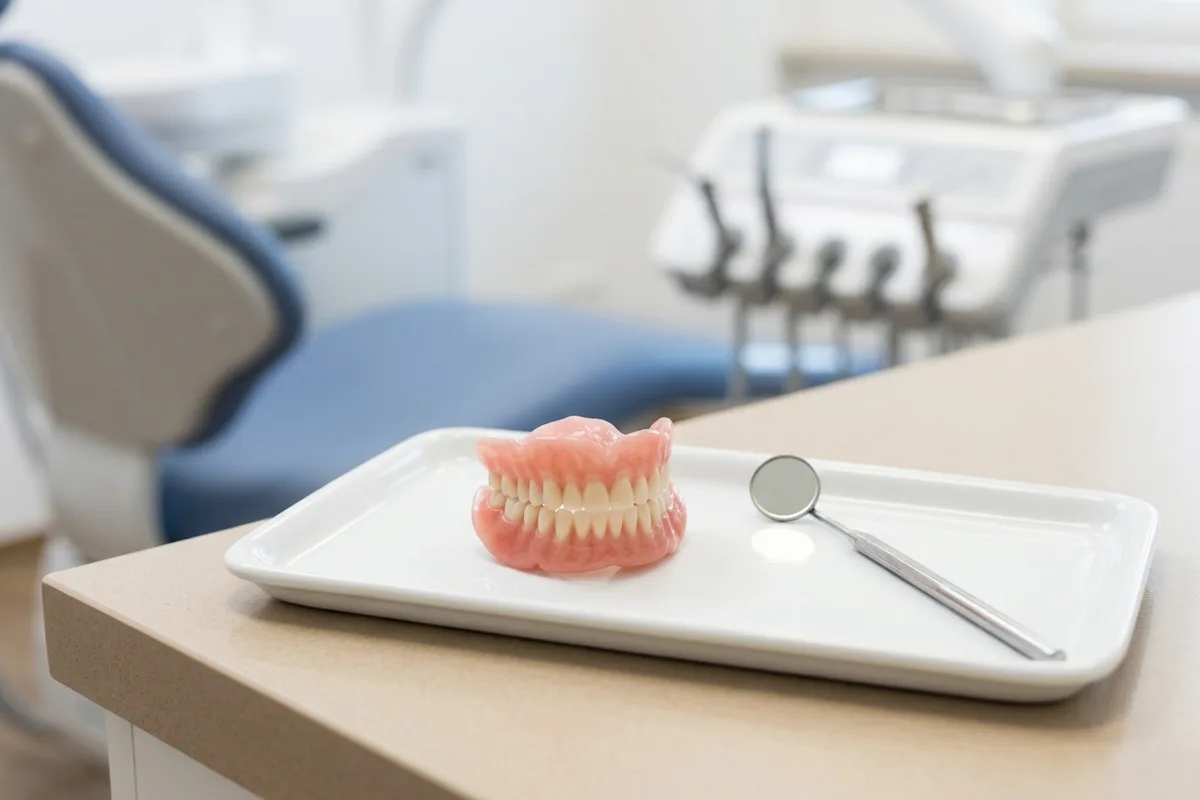
Dentures replace missing natural teeth to support chewing and speaking. Explore how complete and partial appliances function, proper daily cleansing routines, ways to protect delicate gum tissues, and what influences total prosthetic expenses.
Dentures at a Glance (Key Facts)
Dentures provide a reliable way to replace missing teeth, helping individuals eat and preserve their daily quality of life. Losing natural teeth can alter how your mouth functions, but modern dental prostheses help rebuild oral stability. Because your mouth changes over time, keeping these appliances clean and properly fitted is essential for long-term comfort and tissue health.[1]
- Approximately 90 percent of completely toothless adults in the United States wear dentures to restore oral function.
- About 15 percent of people without natural teeth have dentures made each year.
- A standard 2.4-ounce tube of adhesive should last seven to eight weeks when applied properly to full upper and lower arches.
- Removable appliances that are more than five years old require evaluation by a dentist to ensure safe fit and function.
What Are Dentures? (Quick Definition)
Dentures are removable oral devices designed to take the place of missing natural teeth and the surrounding gum tissue. The structural base of the appliance is generally crafted from sturdy metal or pink acrylic resin to blend in with your mouth. Attached to this foundation are artificial teeth formed from durable plastic or tooth-colored porcelain to recreate a natural smile.
People sometimes confuse removable dentures with permanent dental implants. While dental implants are surgically anchored posts that can safely stabilize a lower denture or replace single teeth, conventional dentures rest directly over the gums. This removable design allows you to take the appliance out of your mouth every day for thorough cleaning.[1][4]
Who It Suits
Who Dentures Help
Dentures benefit individuals who have lost multiple teeth or entire dental arches from severe decay or advancing periodontal disease. They also assist children and young individuals born with ectodermal dysplasia, a rare genetic disorder that can cause missing or pointed teeth and reduced saliva. In these situations, partial dentures or complete arches restore chewing ability and improve speech clarity.[2][3]
Who May Need Alternative Treatments
Dentures may not suit individuals who need permanent dental restorations. Because disease prevention and treatments have advanced significantly, very few older adults lose all their natural teeth today. Additionally, growing children with genetic conditions require staged treatments and frequent adjustments until dental implants become viable in adulthood.[2][4]
How Dentures Work (Step by Step)
Initial Consultation and Oral Examination
Your dentist begins by examining your mouth, gums, and any remaining natural teeth to evaluate tissue health. If underlying conditions like severe gum disease or uncontrolled blood sugar are present, treating them first helps prepare your gums for prosthetic impressions.[3]
Impressions and Framework Planning
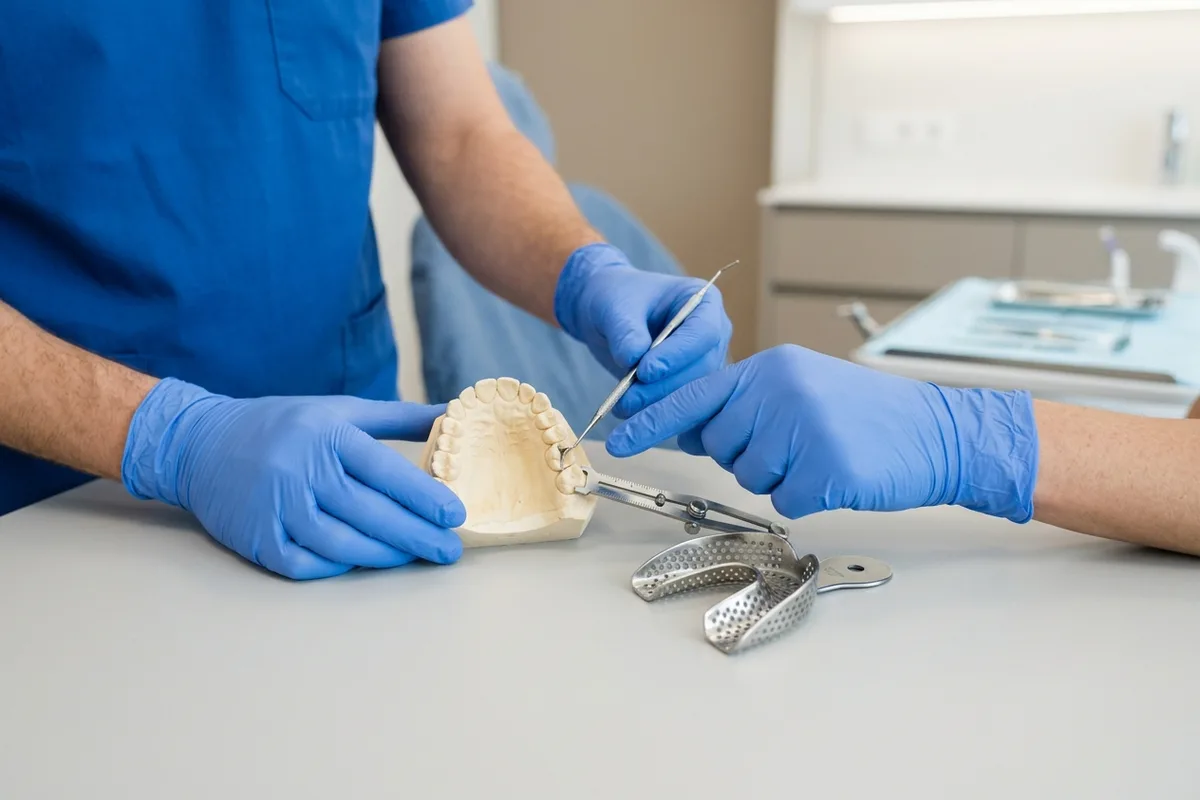
Your dentist takes precise molds of your dental ridges to map the contours of your mouth. For partial dentures, these measurements guide the placement of metal clasps, while complete sets require planning baseplates made of metal or acrylic resin.[1]
Fitting and Bite Alignment
Once the dental laboratory constructs the appliance using porcelain or plastic teeth, your dentist checks the bite. Small modifications ensure the artificial teeth meet evenly, preventing unwanted pressure spots and helping stabilize your bite force during chewing.[1]
Ongoing Adjustments and Relines
Because your jawbone and gum ridges naturally change over time, your dentist provides follow-up checks. If looseness or irritation develops, professional relining or replacement reshapes the base to restore comfort and prevent jawbone deterioration.[1]
Types and Options
Different prosthetic designs address varying degrees of tooth loss and anatomical support. The table below outlines common denture configurations and how they stabilize in your mouth.[1][2][4]
| Denture Type | Base Material | Best For | Retention Method |
|---|---|---|---|
| Complete Dentures[1] | Resin or metal | Total tooth loss | A film of saliva |
| Partial Dentures[1][2] | Metal or resin framework | Some natural teeth remaining | Supported by remaining teeth |
| Implant-Supported Dentures[4] | Resin with metal attachments | Lower jaw instability | Surgically anchored implants |
Choosing Between Full and Partial Dentures
When choosing between full and partial dentures, the presence or absence of remaining teeth is a key consideration alongside factors like bone loss and cost. Partial dentures fill empty spaces while relying on remaining natural teeth for support. In contrast, complete dentures replace an entire arch of teeth, often relying on a film of saliva for retention.[1][2]
Considering Implant Support
Dental implants offer an effective method to anchor removable appliances, especially for stabilizing lower dentures that tend to shift. However, the substantial cost of implant placement can place implant-supported prostheses out of reach for most older adults.[4]
Recovery and Care
Daily Cleansing Routine
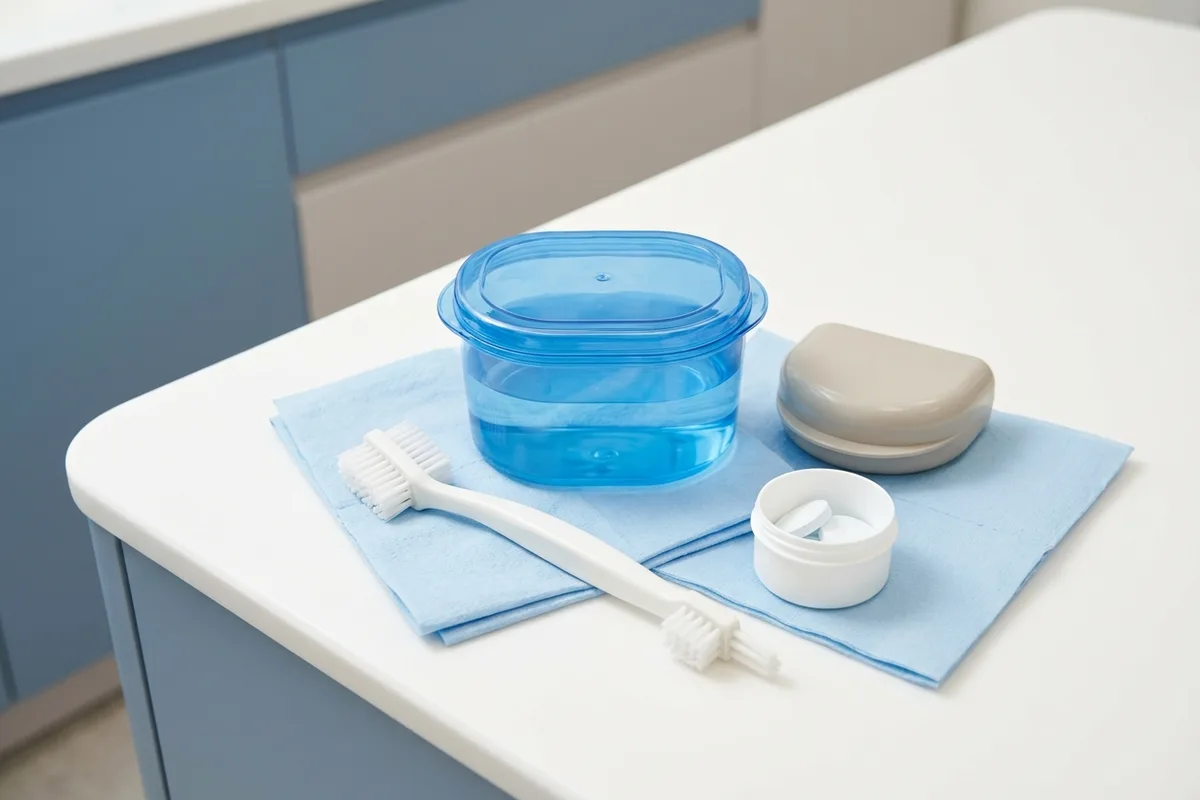
Clean your removable appliances every day to prevent bacteria and tartar from building up, which can trigger painful tissue inflammation (denture-related stomatitis). Always remove your false teeth before cleaning them, because cleansers are never meant for in-mouth use. You can safely wash them using mild hand soap, gentle dishwashing liquid, or ADA-accepted cleansers, but you must avoid abrasive powders and household bleach.[1][5]
Moisture and Overnight Storage
Keep your appliances submerged in clean water or an approved soaking solution whenever you take them out. Soaking keeps the dental materials pliable and prevents them from warping, though you must never use boiling or hot water. For people managing diabetes who develop oral thrush, your dentist may recommend a specialized cleansing solution to properly disinfect the acrylic base.[1][3]
Common Mistakes to Avoid
Improper handling and maintenance can damage prosthetic materials and cause avoidable oral health complications. Avoiding standard user errors ensures your appliances remain comfortable, functional, and clean.[1][5]
- Wearing dentures continuously without soaking: Store appliances in water or cleanser when removed to maintain pliability, and never expose them to hot or boiling water that warps the resin base.
- Scrubbing with harsh household chemicals: Clean dentures with mild dish soap or hand soap rather than bleach or abrasive powders that scratch delicate dental materials.
- Relying on adhesives to fix a loose fit: Use ADA-accepted adhesives only for temporary retention, and visit your dentist for a professional reline if looseness persists.
- Leaving adhesive residue in your mouth overnight: Gently scrub old adhesive away from your mouth tissues and appliance every single day.
- Ignoring hand and foot numbness from adhesive overuse: Check that a 2.4-ounce adhesive tube lasts seven to eight weeks, and see a doctor if zinc buildup causes tingling in your limbs.
Risks
Tissue Irritation and Mouth Sores
Ill-fitting appliances place uneven pressure on delicate gum ridges, producing painful mouth sores and accelerated jawbone deterioration over time. In addition, reduced saliva or dry mouth can worsen oral ulcers and heighten the risk of fungal infections (thrush). While ADA-accepted oral discomfort products can temporarily soothe sore spots, persistent irritation requires clinical adjustment.[1][3][5]
Zinc Toxicity from Adhesive Overuse
Relying on excessive amounts of zinc-containing denture adhesive to hold unstable plates in place can lead to toxic zinc accumulation in the body. This condition can trigger neurological symptoms, including persistent numbness or tingling sensations in your hands and feet. If you notice these symptoms or need adhesive more than once daily, you should contact a medical doctor and visit your dentist.[1]
What Affects the Cost
When planning your tooth replacement, you may wonder how much do dentures cost. Several clinical factors shape what dentures cost, including whether you need full or partial arches and the materials selected for the base and teeth. Preparatory treatments, such as managing severe gum disease, also influence overall care expenses.
Insurance coverage plays another significant role in your personal out-of-pocket expenses. Most retirees lose dental insurance because Medicare excludes routine dental coverage, creating financial hurdles for older adults. If you visit Happy Smiles at Columbia, you can discuss your options directly. At your visit, you can ask Dr. Qilin Xu about your treatment plan and expected fees before any care begins.[1][3][4]
Words You May Hear
Here are common clinical terms you may encounter when discussing your dental care options.[1][3][4][5]
- Edentulism: the complete loss of all natural teeth in one or both jaws.
- Denture-related stomatitis: inflammation and redness of the oral tissues beneath a dental appliance, often caused by bacterial accumulation.
- Periodontal disease: severe gum infection that damages soft tissue and can cause tooth loss.
- Xerostomia: dry mouth caused by reduced saliva flow, which increases the likelihood of oral sores.
- Dental implant: a post surgically placed into the jaw to anchor replacement teeth or stabilize a denture.
Sources
- Denture Care and Maintenance — American Dental Association
- Ectodermal Dysplasia — National Institute of Dental and Craniofacial Research
- Diabetes & Oral Health — National Institute of Dental and Craniofacial Research
- Oral Health Across the Lifespan: Older Adults — National Institute of Dental and Craniofacial Research
- ADA Seal Resources — American Dental Association
Common questions
Frequently asked questions
Questions about your own smile?
To discuss your tooth replacement questions, call 717-684-4666 to request an appointment at Happy Smiles at Columbia in Columbia, PA. Our office is open Monday through Thursday from 8:00 AM to 5:00 PM.
More Articles
View all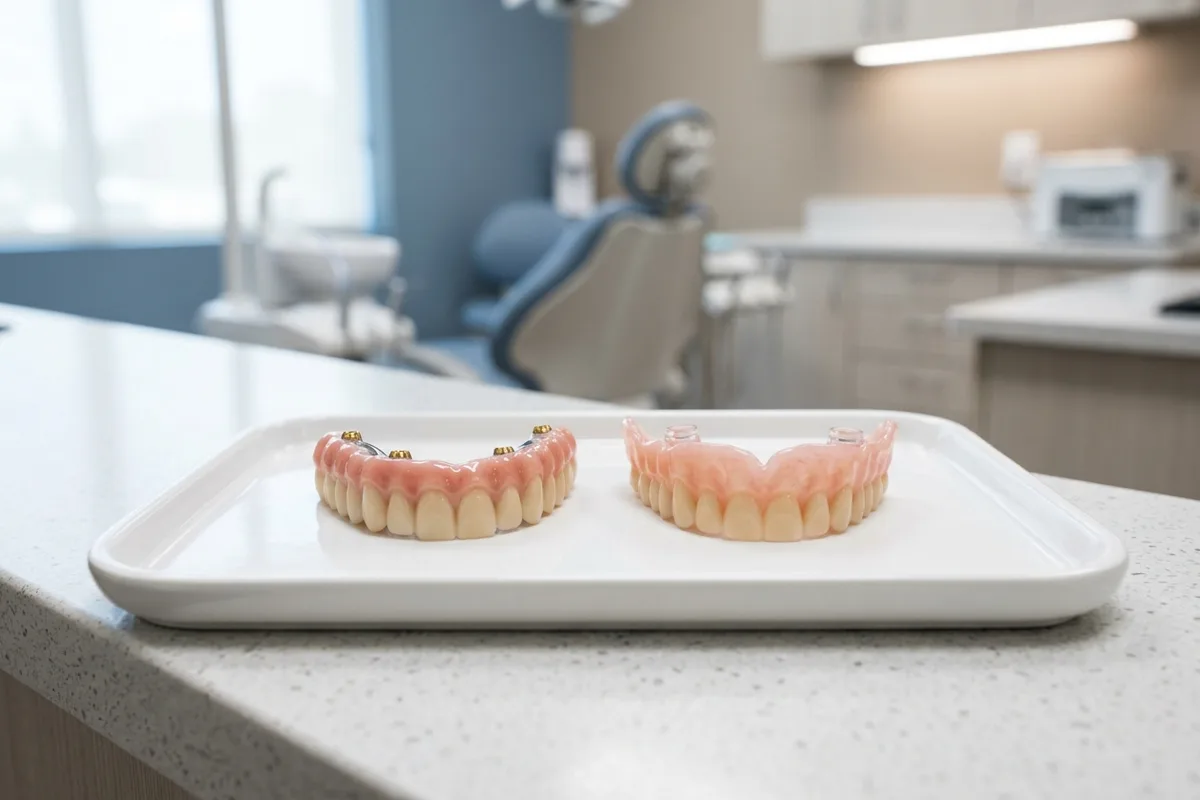 Dental care
All-on-4 vs Snap-In Dentures: Which Is Better for You?
Deciding between All-on-4 dental implants and snap-in dentures means balancing fixed stability against easier daily cleaning, bone support, and overall procedural cost.October 21, 2026 · 5 min read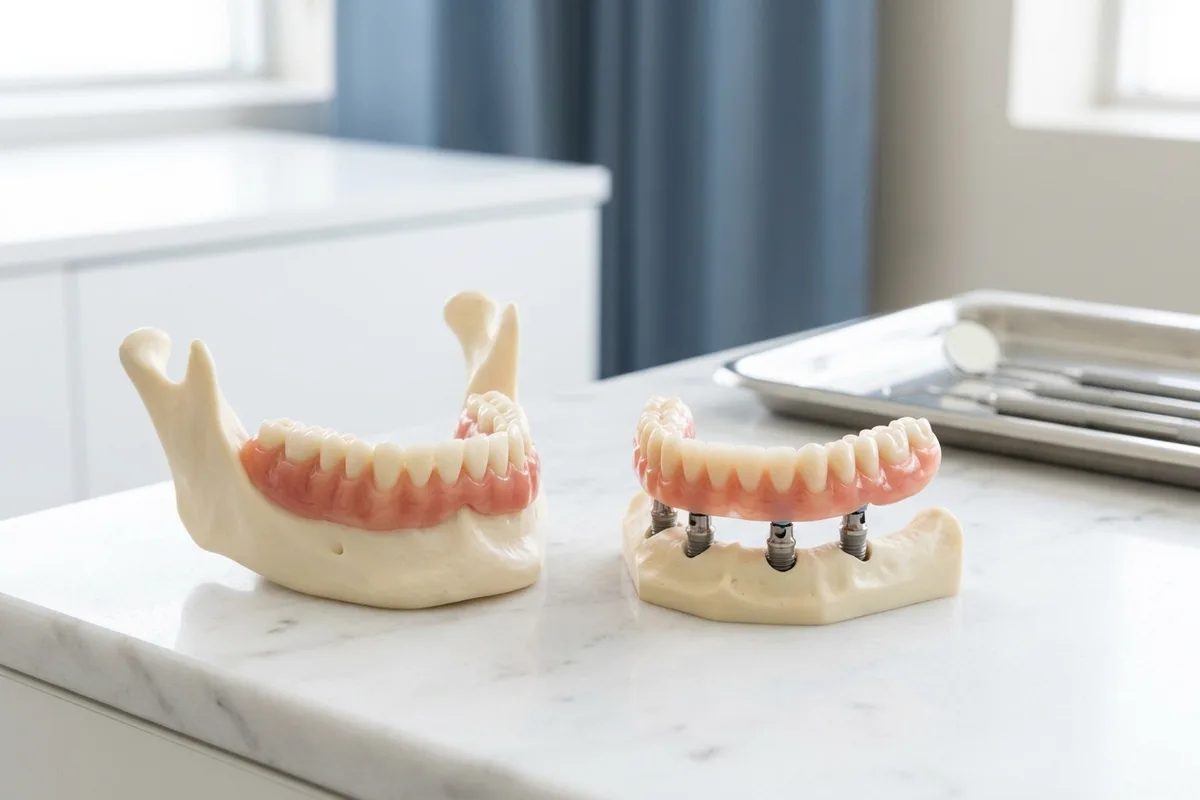 Dental care
The Complete Guide to Full Mouth Dental Implants
Discover how full mouth dental implants secure new teeth to your jawbone, what recovery feels like, and how your dentist plans your care for long-lasting health.October 16, 2026 · 8 min read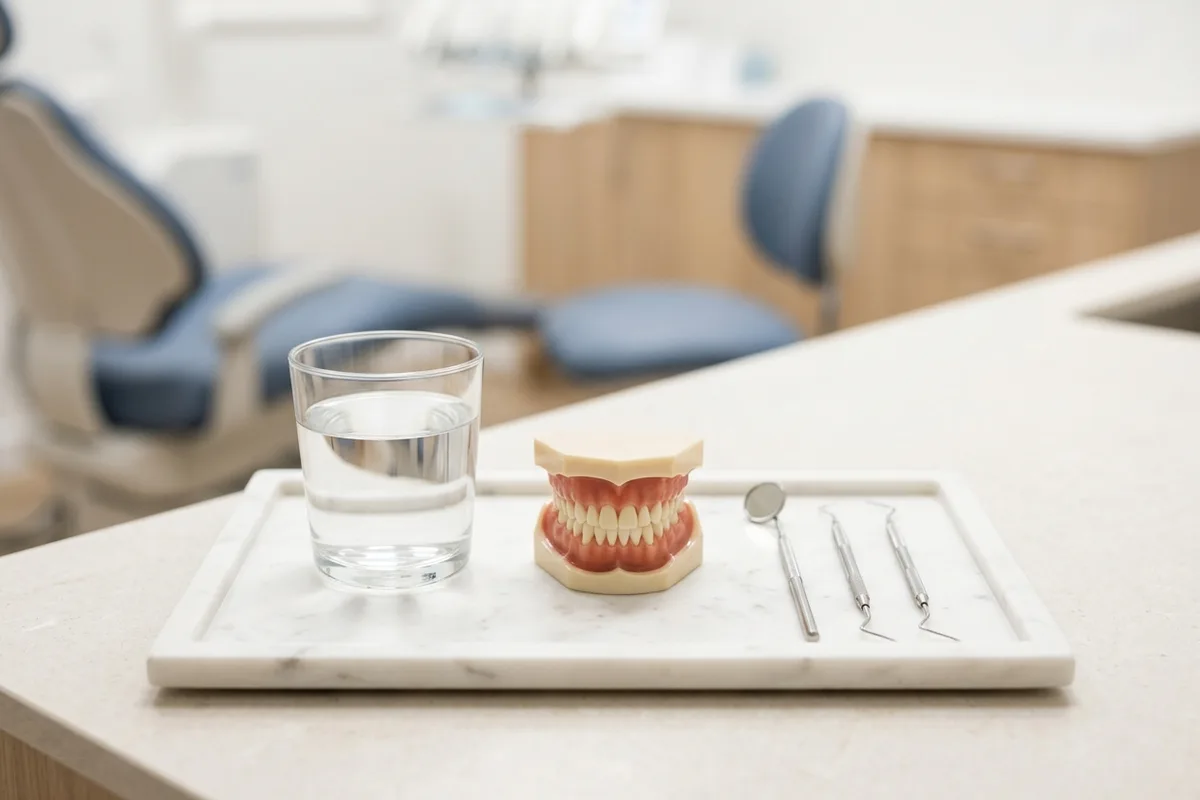 Dental care