
Amalgam Removal Dentist Columbia PA: Dental Fillings and What to Expect
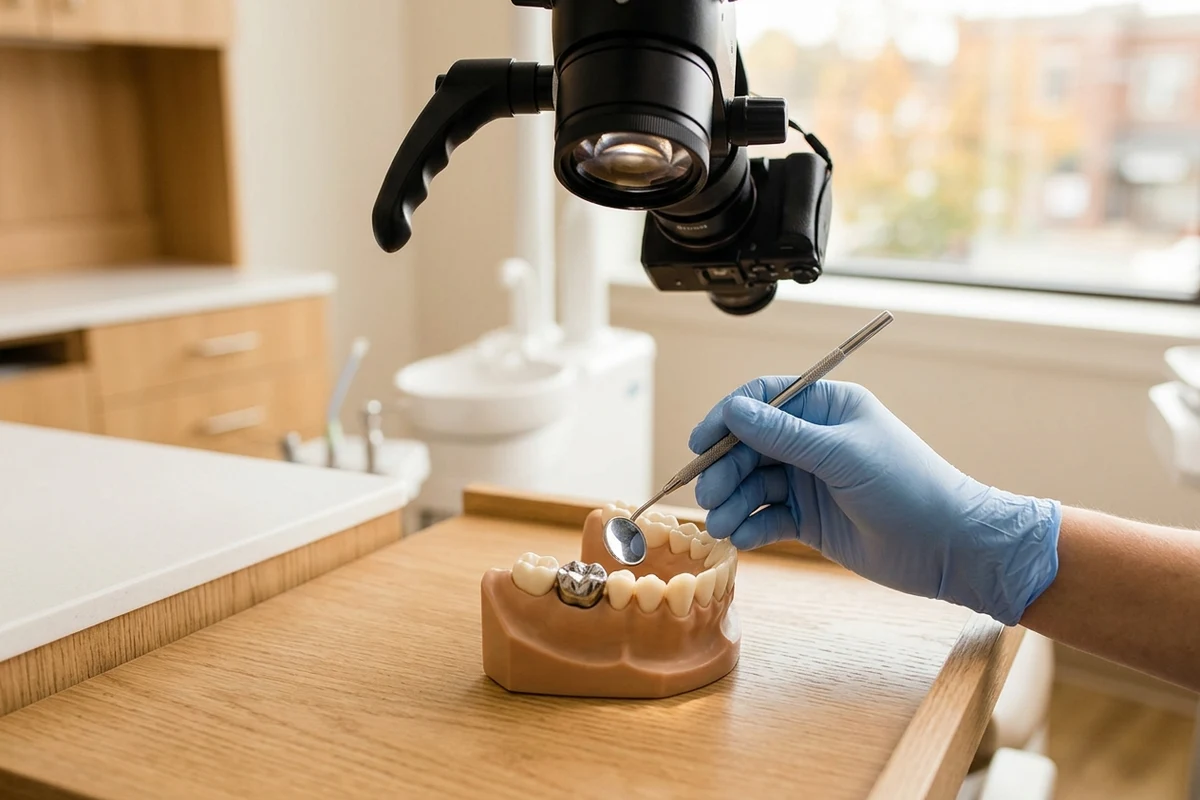
When consulting an amalgam removal dentist Columbia PA residents can explore evidence-based care for aging restorations. Learn when professional guidelines support replacing metallic fillings with modern tooth-colored composite resin materials safely and effectively.
Understanding Dental Amalgam and Restorative Fillings
Dental amalgam has served as a standard restorative filling material for over a century. Evaluating these restorations involves understanding their specific metallic composition alongside established clinical criteria for determining whether an existing filling continues to protect the underlying natural tooth structure effectively.[1][2]
Composition of Silver and Mercury Fillings
Dental amalgam consists of approximately fifty percent elemental liquid mercury by weight, bound securely with powdered metals including silver, tin, and copper. When patients discuss mercury filling removal, clinicians review this stable alloy matrix, which provides high compressive strength for posterior chewing surfaces while remaining physically distinct from bonded resin options.[1][2]
Clinical Relationship to Dental Filling Services
Replacing an amalgam filling is an established restorative dental procedure rather than a routine cosmetic elective. Clinicians prioritize preserving natural enamel and dentin whenever possible. Therefore, replacing stable amalgams requires careful balancing between structural tooth preservation and the specific restorative benefits provided by contemporary tooth-colored filling materials.[1][2]
Clinical Indications for Replacing Amalgam Fillings
Deciding whether to replace amalgam fillings depends entirely upon objective diagnostic criteria. Federal regulators and professional organizations emphasize that intact, functional restorations should remain undisturbed unless clear clinical signs of failure, recurrent decay, or patient-specific health risks are documented.[1][2]
Structural Breakdown and Secondary Decay
The most frequent clinical reasons for removing an existing filling involve physical breakdown or recurrent bacterial decay. Over years of chewing, marginal seals may deteriorate, allowing saliva and bacteria to penetrate beneath the metal. In addition, physical fractures in the filling or adjacent enamel require prompt restorative intervention.[1][2]
Federal Guidance for Specific Patient Populations
The Food and Drug Administration recommends non-mercury restorations when new cavities are treated in high-risk populations, including pregnant women, nursing mothers, and children under six. However, the agency affirms that intact existing amalgams should not be removed even in these groups, because removal risks unnecessary tooth loss.[1]
Recognizing Symptoms of Restoration Failure
Patients often notice subtle changes before a dental filling fails completely. Identifying mechanical wear, localized sensitivity, or surface irregularities early enables clinicians to recommend timely restorative treatments before recurrent decay compromises deeper pulp tissues or causes extensive structural fractures.[1][2]
Signs Prompting a Restorative Dental Evaluation
When searching for amalgam removal near me, individuals frequently experience noticeable oral sensations that warrant a comprehensive dental examination. Specific warning signs indicate that an aging silver filling may be losing its marginal integrity, allowing bacterial infiltration, or experiencing mechanical strain during everyday chewing function, which requires timely diagnostic attention.[1][2]
- Sharp discomfort or localized pain when biting down or releasing chewing pressure.
- Persistent sensitivity to hot, cold, or sweet dietary items along the margins.
- A noticeable rough edge, chipped metal fragment, or dental floss catching repeatedly.
- Localized gum inflammation or chronic food packing between adjacent teeth.
Diagnostic Assessment of Existing Metal Fillings
A comprehensive clinical examination allows the dental team to assess existing restorations objectively. Clinicians combine tactile exploration with advanced visual tools to determine whether a restoration maintains an intact biological seal or requires intervention to protect the tooth.[1][2]
Diagnostic Tools and Margin Inspection
Dentists utilize illuminated magnification, tactile dental explorers, and intraoral radiographs to examine the margins of existing restorations. These diagnostic tools identify hidden recurrent caries underneath the metal, detect micro-cracks across natural enamel cusps, and confirm whether the restoration remains structurally sound or demands therapeutic replacement.[1][2]
Restorative Materials and Treatment Alternatives
When an older filling requires replacement, modern dentistry offers several biocompatible materials suited for different functional requirements. Evaluating these alternatives helps patients understand how modern tooth-colored options compare with traditional metals regarding aesthetic appeal, bonding characteristics, and overall mechanical longevity.[1][2]
Direct Composite Resin and Glass Ionomer Options
Direct composite resins bond micromechanically to enamel and dentin, allowing conservative tooth preparation that preserves healthy natural structure while matching natural tooth shades. For non-stress-bearing areas or root surfaces, fluoride-releasing glass ionomer cements offer effective alternative protection, particularly when managing moisture or secondary decay vulnerability.[1][2]
Indirect Ceramic and Cast Metal Restorations
When substantial tooth structure has been lost under an extensive amalgam, indirect restorations like porcelain inlays, onlays, or crowns provide superior structural reinforcement. Alternatively, cast gold alloys offer unmatched durability and wear compatibility against opposing teeth, serving as long-lasting options when aesthetics are not the primary concern.[1][2]

Clinical Protocols During Restoration Replacement
When silver filling removal is clinically necessary, dental practices follow systematic protocols to safeguard patient comfort and health. Dentists use precise isolation and engineering controls to manage particulate debris and vapor during the restoration excavation process.[1][2]
Safety Protocols and Particle Management
During amalgam excavation, clinicians employ copious water spray combined with high-volume evacuation to minimize heat generation and capture metal particulates immediately. Isolation barriers, such as rubber dams, shield surrounding oral tissues and prevent ingestion, while specialized chairside filters capture metal particles safely before discharge.[1][2]
Environmental Wastewater Standards
Dental facilities comply with Environmental Protection Agency standards by utilizing certified amalgam separators in their suction lines. These specialized filtration systems capture elemental mercury and scrap alloy particulates from clinical wastewater, ensuring that recovered dental metals do not enter municipal sewer systems or compromise surrounding regional aquatic ecosystems.[2][3]
Post-Treatment Expectations and Restoration Maintenance
Caring for a newly placed composite or ceramic restoration involves straightforward oral hygiene habits. Proper maintenance preserves the composite-to-tooth adhesive bond, prevents marginal leakage, and ensures that the replacement restoration functions comfortably for years to come.[1][2]
Immediate Post-Operative Sensitivity Management
Patients may experience mild, transient sensitivity to temperature or chewing pressure for several days after receiving a replacement filling. This response is common as the dental pulp recovers from mechanical preparation. Avoiding extremely cold foods and chewing gently on the opposite side helps minimize initial sensitivity.[1][2]
Daily Care and Preventive Habits
Maintaining long-term restoration integrity requires diligent twice-daily brushing with fluoride toothpaste and daily interdental flossing. Limiting frequent exposure to sugary snacks and acidic beverages actively reduces cariogenic bacterial activity. In addition, routine dental cleanings allow clinicians to inspect the marginal seals and structural integrity of all restorations periodically.[1][2]

Considerations, Limitations, and Next Steps
Electing to replace dental restorations requires an informed understanding of clinical trade-offs. Dental removals unavoidably remove small amounts of sound tooth structure, underscoring the importance of basing restorative decisions on objective diagnostic evidence rather than unsupported concerns.[1][2]
Balancing Risks and Restorative Decisions
Every filling replacement carries modest risks of pulpal irritation and structural loss. Working collaboratively with a licensed dentist ensures that any treatment decision reflects sound clinical necessity. Patients with intact amalgams can confidently maintain their existing fillings through routine monitoring until clear signs of deterioration appear.[1][2]
Sources
Common questions
Frequently asked questions
Plan your visit with Happy Smiles at Columbia
If you have questions about your existing fillings or wish to discuss restorative care, contact Happy Smiles at Columbia to request an appointment and consult with our dental team.
More Articles
View all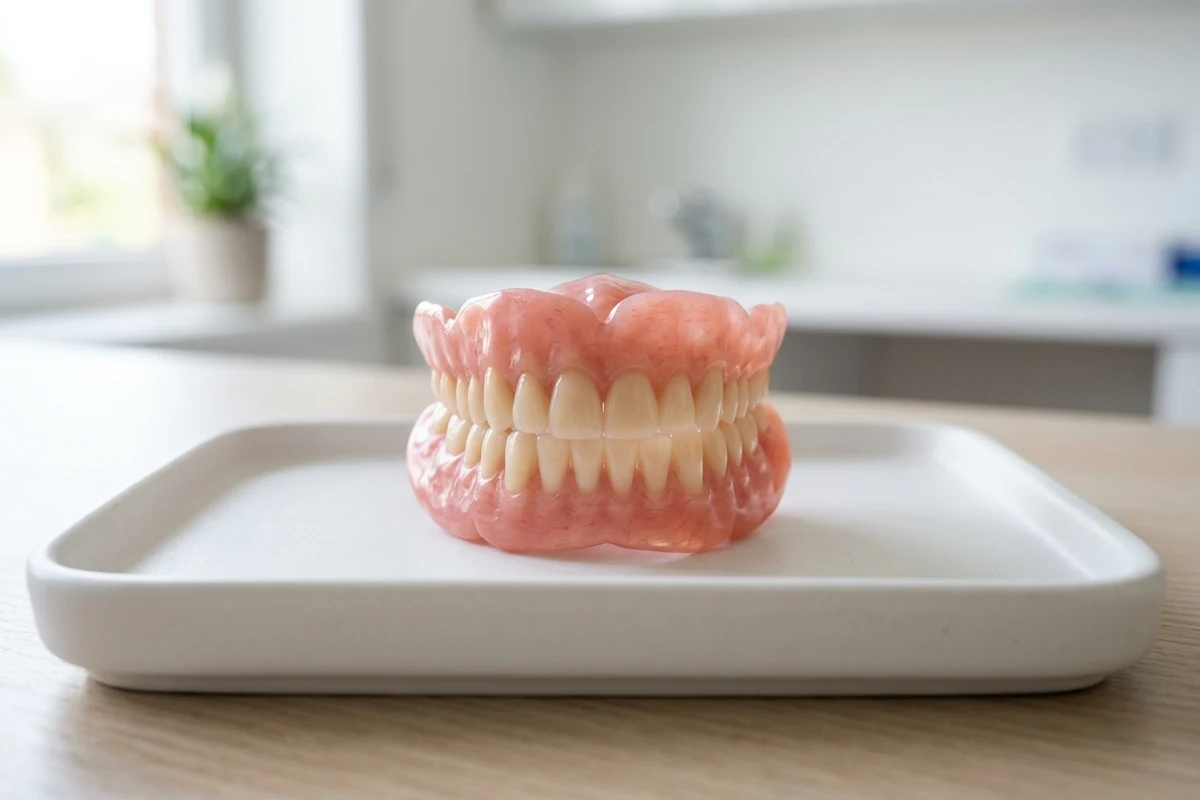 Restorative Dentistry
Dentures Columbia PA: A Patient Guide to Dentures
For individuals considering dentures Columbia PA, modern dental prostheses restore chewing function, speech clarity, and facial support following tooth loss caused by advanced periodontal disease, extensive decay, or oral trauma.September 25, 2026 · 6 min read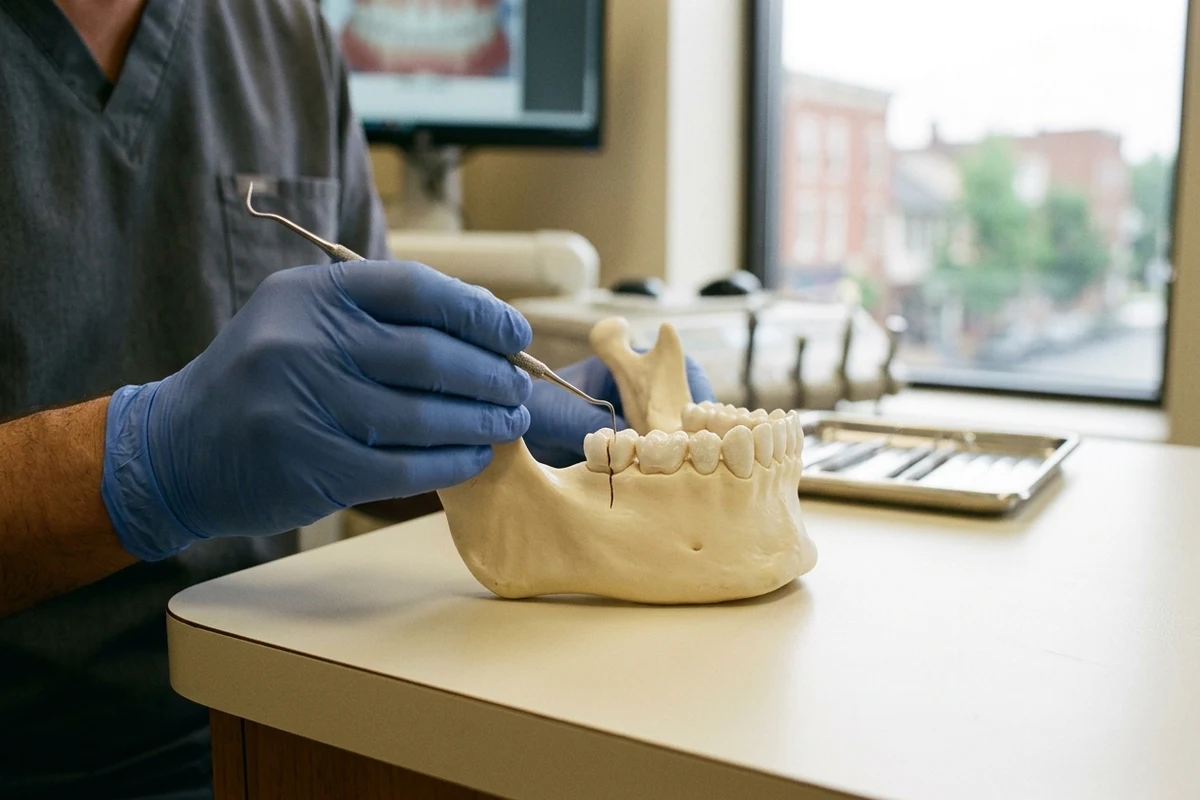 Emergency Dentistry
Emergency Dentist Columbia PA: When Emergency Dentistry Cannot Wait
Finding an emergency dentist Columbia PA helps patients address acute toothaches, sudden structural fractures, and oral infections quickly to relieve severe pain, stabilize damage, and protect long-term dental health through evidence-based urgent dental interventions.September 24, 2026 · 6 min read Preventive Dentistry