
Angular Cheilitis Relief and Causes for Sore Mouth Corners
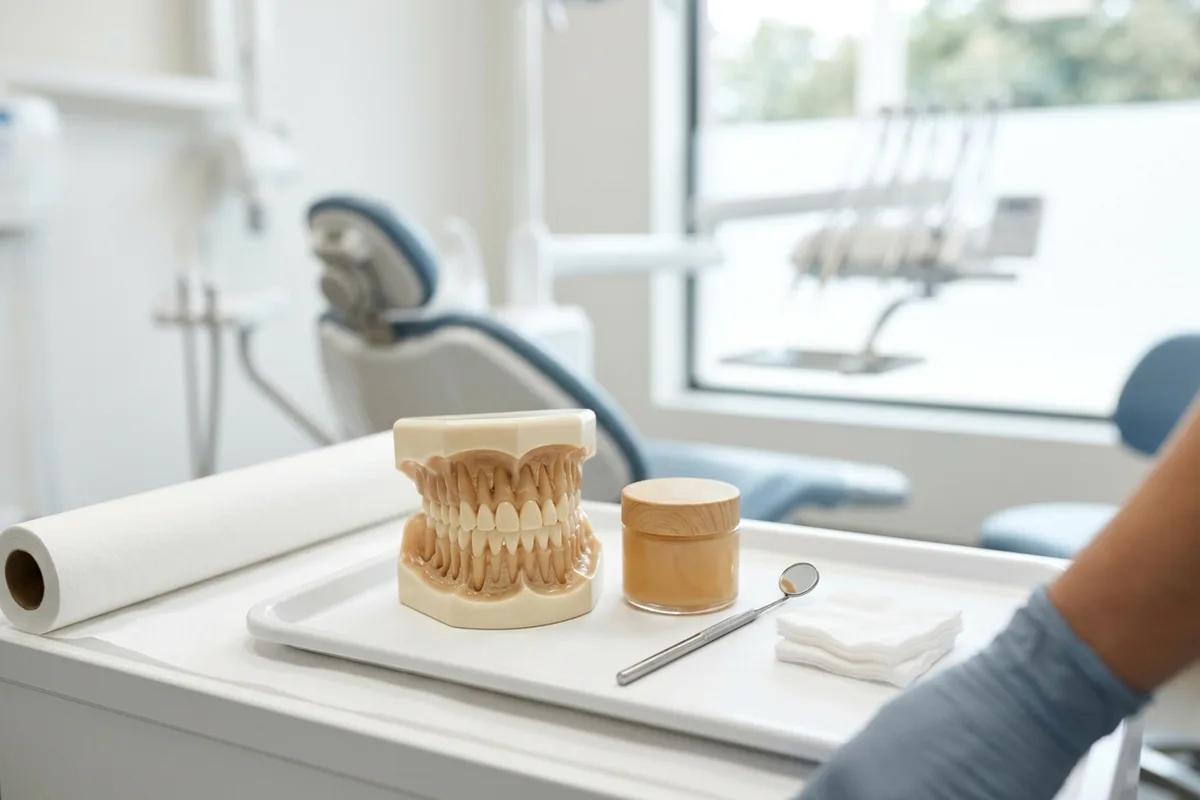
Cracked, tender skin at the edges of your lips can make everyday talking and eating uncomfortable. Discover what causes angular cheilitis, how care restores skin health, and how to stop painful cracks from returning.
What Is Angular Cheilitis? (Quick Definition)
Angular cheilitis is an uncomfortable condition that causes redness, tender cracks, and flaky skin right at the corners of your mouth. The upper and lower lips meet at this angle (commissure), where muscles connect to help you speak and chew. When moisture gathers in these skin creases, the skin turns soft and fragile before breaking open.[2][3][4]
How the Sores Look and Feel
This condition often shows up as roughly triangular red patches marked by skin swelling (edema) and deep, sore splits (fissures). You may notice mild burning, itching, or crusting that hurts more when you open wide to eat or yawn. While some people see changes on just one side, it frequently affects both corners of the mouth at the same time.[1][2][3]
Who Often Experiences Cracked Corners
Anyone can develop these sores, and the condition affects men and women equally at any stage of life. Even so, it appears most often in older adults who wear dental plates and in children with lowered body defenses or repeating infections. Understanding who faces higher risk helps you protect sensitive lip tissue before deep cracks can start.[2]
Common Triggers and Daily Risks
Most cases start when excess saliva sits in the mouth corners and breaks down delicate skin (maceration). Once the surface softens, common yeast germs (Candida albicans) and round bacteria (Staphylococcus aureus) can easily grow inside the warm creases. In fact, these two types of germs are found together in 60% to 75% of all cases.[1][2]
Bite Changes and Dental Appliances
Missing teeth or worn dental plates can reduce the vertical height between your nose and chin, causing deeper skin folds. Saliva easily pools in these deep folds, while orthodontic braces or a loose lip seal can let extra spit escape. In addition, rough dental flossing or regular lip licking keeps the area constantly wet and slows natural healing.[1][3][4]
Diet Gaps and Everyday Irritants
Up to 25% of cases relate to low levels of iron or B vitamins like riboflavin and folate. A lack of these vitamins can leave lips smooth, red, and prone to painful corner cracks (cheilosis). Lip products, harsh toothpastes, mouthwashes, chewing gum, sun exposure, or medications like acne pills and antidepressants can also spark skin reactions.[1][2][3]
Warning Signs and When to See a Doctor
You should watch for ongoing cracks, red flakes, or crusty patches that sting when you speak, smile, or chew your food. If simple moisture balms do not clear up the cracks within one to two weeks, you should schedule a visit. Professional care is also needed if the cracks return frequently.
Sores that appear on only one side or fail to heal with standard treatments require a careful medical check to rule out skin cancer (malignancy). Having a dentist examine your lips ensures you receive an accurate assessment instead of guessing at home.[1][4]
How Your Dentist Examines the Sores
Your dentist diagnoses angular cheilitis mainly by looking closely at your lips, mouth corners, and the fit of your teeth. They will check how your jaws close together to see if folded skin traps moisture throughout the day. They will also look inside your mouth to ensure your gums, tongue, and dental appliances stay healthy.
If your sores do not get better after two to three weeks of simple care, your dentist may take swabs to test for yeast or bacteria. Finding the exact germ allows your dental provider to choose the right soothing salve for your skin.[1]
Soothing Care and Treatment Choices
Treating sore mouth corners requires targeting the underlying cause rather than simply covering the cracks with plain lip balm. Depending on your mouth exam, your provider may recommend germ-fighting ointments, protective barrier pastes, or changes to your dental appliances.[1][2]
Topical Creams and Healing Salves
Fungal yeast spots are commonly treated with antifungal ointments applied to mouth corners two to three times daily for two weeks. When bacteria are present, antibiotic ointments like mupirocin clear the germs, and applying ointment in the nostrils helps remove hidden bacterial pockets. For persistent yeast issues in people with weak body defenses, oral fluconazole pills may be prescribed.[1][2]
Protective Barriers and Denture Adjustments
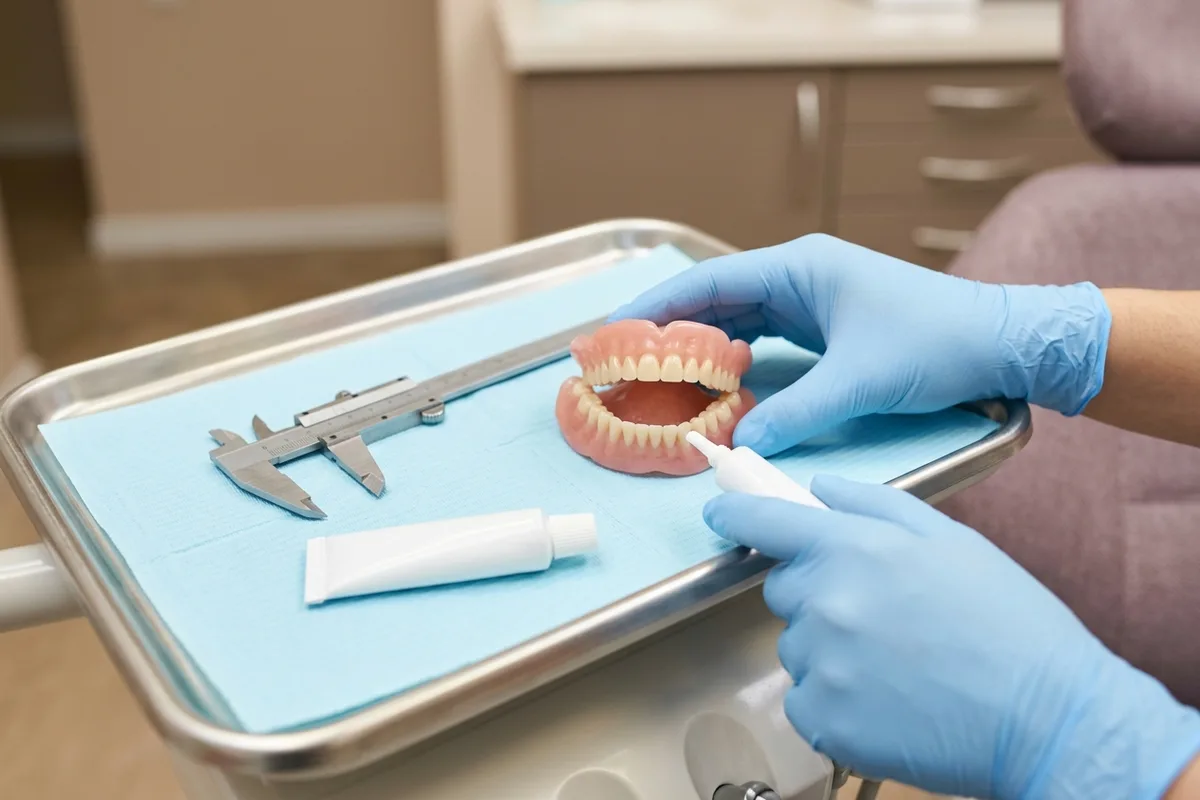
Spreading petroleum jelly or zinc oxide paste over clean, dry corners shields sensitive skin from poolings of saliva. At the same time, dentists can refit or replace loose dentures to restore proper face height and reduce deep lip folds. These combined steps keep moisture away from raw tissue so cracks can close safely.[1][2]
What to Expect During the Healing Process
Healing cracked mouth corners is a steady process that requires following daily care steps and keeping the area clean. Most patients notice that pain eases within a few days once the correct soothing salve is applied regularly.[1]
Your Daily Cream Routine
For active sores, you may apply an over-the-counter antifungal cream followed one hour later by mild hydrocortisone ointment two or three times each day. Sticking to your schedule helps the skin mend without reopening every time you smile.[4]
Timeline for Full Recovery
Most patients heal completely within two weeks when using the right targeted therapy and protecting their skin from moisture. However, up to 80% of cases can return if you leave root causes, like poor denture fit or low vitamins, unaddressed. Keeping your follow-up visits ensures your mouth corners stay smooth and healthy.[1][2]
Recovery and Long-Term Lip Care
Once your cracks have closed, long-term habits will keep your mouth comfortable and stop moisture from gathering again. Simple adjustments to your daily routine protect fragile corners and support your overall oral health.[1][4]
Healthy Daily Lip Habits
Avoid licking your lips, because saliva dries out skin folds and invites yeast overgrowth to return. Once the sores heal, apply a mild, hypoallergenic lip balm to dry skin corners to lock out stray moisture. It also helps to rinse your mouth with plain water after using steroid inhalers and to steer clear of tobacco smoke.[1][4]
Denture Cleaning and Night Care
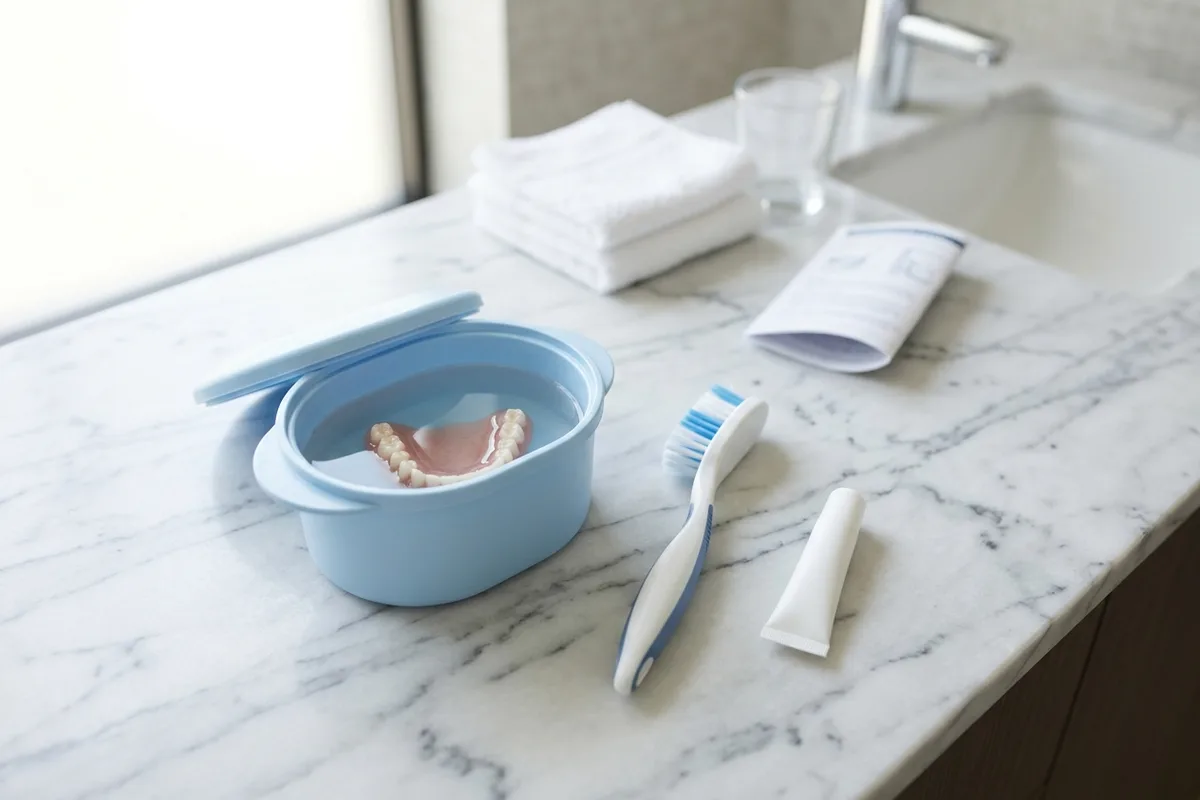
If you wear dental plates, take them out before going to sleep and brush them thoroughly every day. You can soak your plates in chlorhexidine rinse or a gentle mix of ten drops of household bleach in a cup of water. At Happy Smiles at Columbia, our team helps patients learn easy appliance care that keeps mouth tissues feeling their best.[2]
Managing Setbacks and Taking Your Next Step
Leaving sore lip cracks unmanaged can lead to persistent bleeding, repeating bacterial growth, and trouble chewing comfortably. Because recurring cracks often point to worn dentures or dietary vitamin gaps, solving the true cause brings lasting relief. You can discuss your oral comfort with Dr. Qilin Xu to explore gentle ways to protect your smile.
Residents across Columbia, PA, can call 717-684-4666 to arrange a visit and ask about custom dental care for the whole family.[1][2]
Sources
- Angular Cheilitis — National Center for Biotechnology Information
- Cheilitis — National Center for Biotechnology Information
- Anatomy, Head and Neck, Lips — National Center for Biotechnology Information
- Why does irritation at the corners of my mouth return? — health.harvard.edu
Common questions
Frequently asked questions
Questions about your own smile?
Contact Happy Smiles at Columbia to request an appointment and talk with our friendly team about relieving uncomfortable lip cracks.
More Articles
View all Dental care
The Complete Guide to Root Canal Treatment
Root canal treatment clears bacteria and dying pulp tissue from inside an infected tooth to relieve pain, protect natural tooth structure, and restore normal chewing function with a permanent crown.November 12, 2026 · 5 min read Dental care
The Complete Guide to Dental Implants
Dental implants offer a secure way to hold new teeth in place. Learn how the process works, what helps healing succeed, and what shapes your total care.November 11, 2026 · 7 min read Dental care