
Emergency Dentist Columbia PA: When Emergency Dentistry Cannot Wait
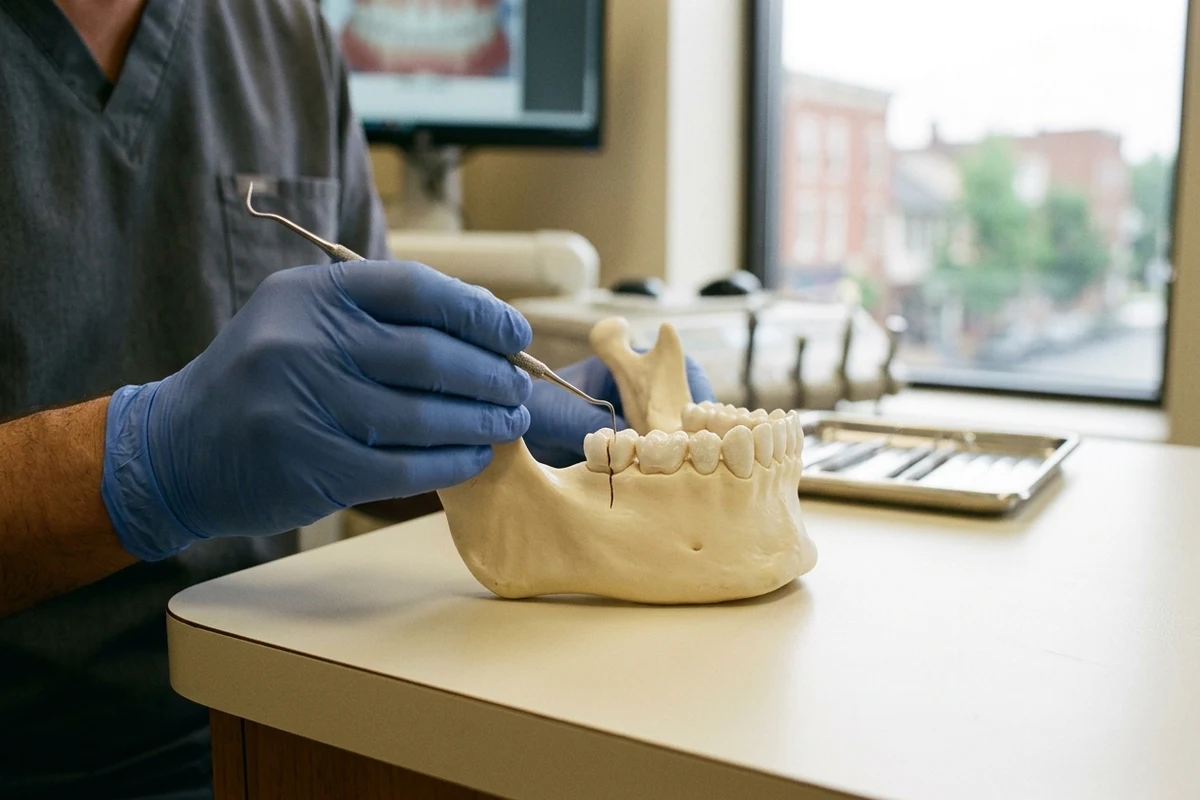
Finding an emergency dentist Columbia PA helps patients address acute toothaches, sudden structural fractures, and oral infections quickly to relieve severe pain, stabilize damage, and protect long-term dental health through evidence-based urgent dental interventions.
Understanding Emergency Dentistry Services
Emergency dental services focus on the immediate diagnosis, stabilization, and relief of acute oral conditions. While routine dental visits address maintenance and elective procedures, an urgent visit targets sudden discomfort, traumatic impacts, and advancing infections that cannot safely wait for standard scheduling.[1][3]
The Clinical Scope of Urgent Dental Visits
Seeking urgent dental care Columbia PA involves targeted evaluations designed to manage rapid-onset dental issues. Outpatient dental providers prioritize severe discomfort, uncontrolled tissue irritation, or physical damage to dental structures. This focused care aims to stabilize the oral environment, reduce patient distress, and establish an effective plan for definitive restorative treatment.[1][3]
Differentiating Urgent Needs from Routine Care
Routine dental appointments generally include preventative cleanings, slow-progressing cavity restorations, and cosmetic consultations. In contrast, seeing a dentist for dental pain addresses acute symptoms such as pulpitis, dental abscesses, or sharp fractures. Differentiating between these needs ensures that active infections and severe structural trauma receive the rapid clinical attention they require.[1][2]
Primary Causes and Contributing Factors of Dental Emergencies
Acute dental conditions typically arise from advancing bacterial infections, structural fatigue, or sudden physical trauma. Identifying the exact mechanism behind the emergency helps clinicians determine whether treatment must prioritize microbial control, structural repair, or immediate surgical stabilization to preserve the dentition.[1][3]
Pulpitis and Spreading Dentoalveolar Infections
Deep dental decay, leaking restorations, or repeated procedures can cause dental pulp inflammation, known as pulpitis. Consulting a toothache dentist helps determine whether the pulp is reversibly inflamed or necrotic. Without intervention, pulpal necrosis can progress to a localized periapical abscess or spreading infection involving surrounding bone and soft gingival tissues.[1][3]
Structural Trauma and Mechanical Fractures
Physical trauma from sports injuries, biting hard items, or chronic nighttime clenching can crack or break teeth. Visiting a broken tooth dentist ensures prompt evaluation of the fracture depth. Enamel-only fractures differ significantly from cracks extending into dentin or the vascular pulp chamber, which demand urgent stabilization to prevent bacterial invasion.[1][2]
Identifying Urgent Symptoms and When to Seek Care
Recognizing distinct signs of dental distress allows patients to seek timely intervention before localized problems worsen. Acute oral pain, visible structural shifts, or gum swelling indicate active pathological processes that require professional diagnostic testing and prompt clinical management.[2][3]
Common Indicators of Urgent Oral Conditions
Specific clinical signs indicate that an urgent dental appointment is necessary to stop advancing infection or salvage compromised tooth structure. Patients should monitor for abrupt shifts in comfort or sudden physical changes in oral tissues, contacting a clinical provider promptly whenever these urgent symptoms first present.[2][3]
- Constant or throbbing tooth pain that disrupts normal sleep patterns
- Sharp pain provoked when chewing or releasing biting pressure on a tooth
- Visible gum swelling, drainage, or pimple-like bumps near the tooth root
- Sudden loosening, displacement, or structural fracture of a permanent tooth
Diagnostic Assessment During an Emergency Evaluation
During an emergency visit, a dentist performs systematic diagnostic checks to identify the source of discomfort while ensuring systemic stability. The assessment combines physical evaluations with targeted imaging to formulate a precise, evidence-based treatment plan.[1][3]
Clinical Testing and Radiographic Imaging
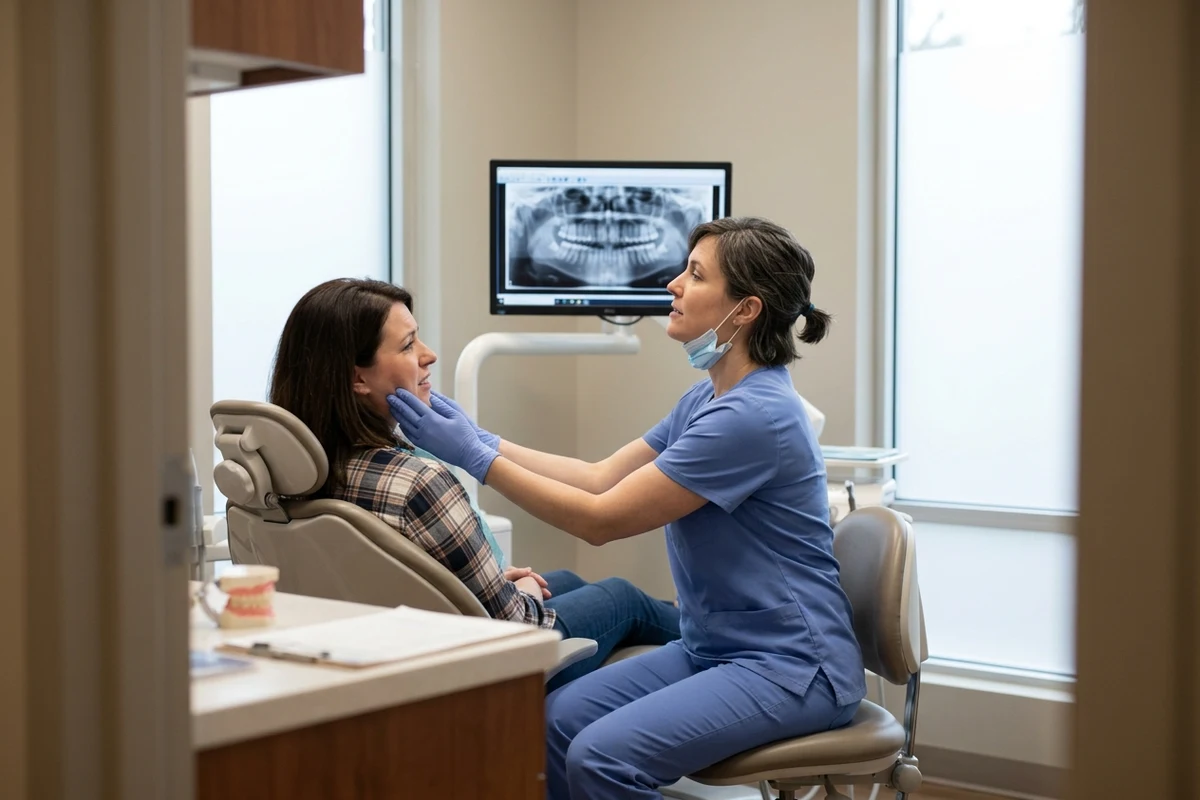
Clinicians examine the oral tissues, check systemic vital signs, and perform diagnostic tests like thermal cold testing, gentle percussion, and palpation. Radiographs, such as periapical or panoramic X-rays, reveal bone levels, periapical radiolucencies, and root fractures, allowing the provider to determine the precise status of the pulp and surrounding periodontal ligament.[1][3]
Clinical Treatment Options and Tradeoffs
Emergency dental interventions range from conservative structural repairs to endodontic or surgical treatments. The selected approach depends directly on the depth of damage, the viability of the dental pulp, and the overall restorable condition of the affected natural tooth structure.[1][3]
Restorative and Endodontic Approaches
When pulp tissue is irreversibly inflamed or exposed, endodontic therapy, such as a pulpectomy or root canal treatment, cleans the infected root canals to preserve natural tooth structure. If damage is limited to enamel and dentin, restorative composite bonding or a temporary protective crown may safely stabilize the fractured tooth.[1][3]
Surgical Management and Emergency Extractions
When structural damage extends below the alveolar bone crest or a severe vertical root fracture occurs, an emergency tooth extraction may be the only predictable option. Surgical extraction eliminates the primary source of infection and severe discomfort, preventing further alveolar bone degradation and preparing the site for future restorative tooth replacement.[1][3]
The Sequence of an Emergency Dental Appointment
Knowing what occurs during an urgent evaluation helps alleviate anxiety and clarifies the treatment path. Emergency visits follow an organized sequence centered on rapid stabilization, targeted pain management, and the planning of necessary definitive restorative procedures.[1][2]
Immediate Stabilization and Pain Relief
The initial phase of the visit focuses on addressing acute pain and stabilizing immediate risks. Clinicians may administer local anesthesia to numb the irritated area, smooth sharp enamel edges that irritate soft oral tissues, or place sedative temporary fillings to protect sensitive, exposed dentin from thermal and chemical triggers.[1][2]
Definitive Treatment and Follow-Up Planning
Once immediate discomfort is managed, the provider either performs definitive treatment—such as root canal debridement or surgical removal—or schedules a follow-up appointment. The clinician provides post-procedure care instructions, discusses long-term restorative options like permanent crowns, and prescribes or recommends supportive medications when clinically indicated for infection or pain control.[1][3]
Recovery, Healing, and Long-Term Oral Health
Healing after an urgent dental procedure depends on the specific intervention performed and individual oral health factors. Proper post-care and preventive maintenance protect treated teeth and significantly reduce the likelihood of experiencing future dental emergencies.[1][2]
Managing Post-Treatment Healing
Following an urgent procedure, mild soreness in surrounding tissues or the jaw joint is normal as inflammation subsides. Patients should eat soft foods, maintain gentle oral hygiene around the treated area, and avoid biting hard objects on temporary restorations to prevent premature fracture or displacement before permanent restoration placement.[1][2]
Preventive Measures to Protect Dentition
Long-term tooth preservation involves routine dental checkups to detect early decay and failing fillings before they turn painful. Wearing custom mouthguards during athletic activities protects teeth from blunt impact, while nightguards buffer against nocturnal clenching forces. Patients should also avoid chewing ice, unpopped popcorn kernels, or using teeth to open packaging.[2][4]
Clinical Risks, Complications, and Next Steps
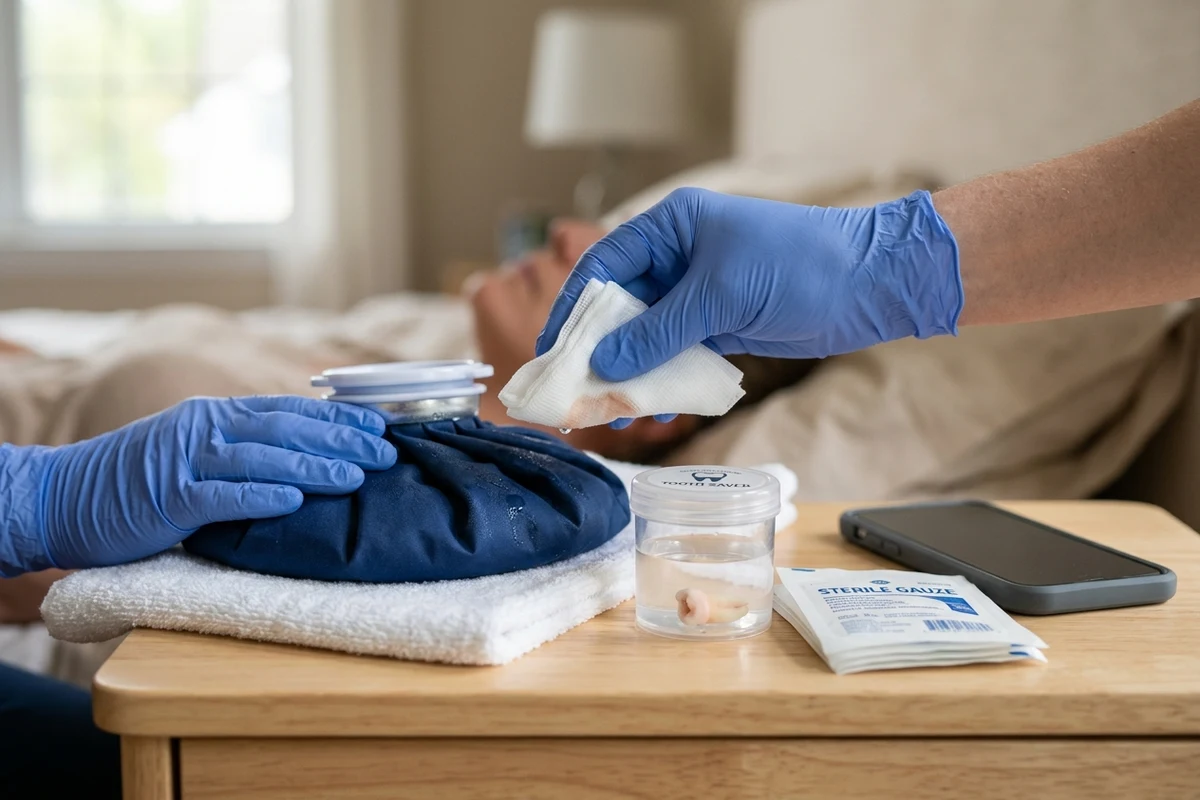
Delaying emergency dental care carries distinct clinical risks, including the rapid spread of dentoalveolar infection and structural tooth loss. Prompt consultation provides definitive answers and establishes a safe pathway for preserving oral function and general well-being.[1][3]
Consequences of Delayed Care and Moving Forward
Untreated pulpal infections can spread from localized periapical lesions into deeper facial fascial spaces, increasing the complexity of treatment. Choosing to promptly evaluate painful or broken teeth minimizes complication risks, restores oral function, and allows patients to make informed decisions regarding their ongoing oral care alongside a supportive dental team.[1][3]
Sources
- nih.gov — pubmed.ncbi.nlm.nih.gov
- mouthhealthy.org — American Dental Association
- ada.org — American Dental Association
- medlineplus.gov — medlineplus.gov
Common questions
Frequently asked questions
Plan your visit with Happy Smiles at Columbia
If you are experiencing sudden tooth pain, structural damage, or swelling, contact Happy Smiles at Columbia to request an appointment and discuss your individual urgent dental care needs with our team.
More Articles
View all Preventive Dentistry
Dentist Without Insurance Columbia PA: Planning Routine Exams & Cleaning
Finding a dentist without insurance Columbia PA patients can rely on involves exploring practical payment models for routine exams and cleanings, such as membership plans, community centers, and medical financing options.September 23, 2026 · 6 min read Preventive Dentistry
Mandarin Speaking Dentist Lancaster PA: Routine Exams & Cleaning in Chinese
Searching for a Mandarin speaking dentist Lancaster PA connects patients to essential routine preventive dental care, protected communication rights, and qualified language assistance under federal standards for comprehensive oral examinations and cleanings.September 16, 2026 · 6 min read Restorative Dentistry