Dentist During Pregnancy Columbia PA: Routine Exams & Cleaning Safely
Seeing a dentist during pregnancy Columbia PA ensures essential preventive care remains on track. Routine exams, gentle cleanings, and diagnostic imaging safeguard oral health and maternal wellness throughout every trimester of pregnancy.
Prenatal Oral Health and Routine Dental Care
Scheduling routine dental care while expecting maintains maternal wellness and reduces the systemic burden of oral inflammation. Professional evaluations identify subtle tissue changes early, ensuring that preventive cleanings and ongoing monitoring preserve both oral health and general physical comfort throughout your pregnancy.[3][4]
The Purpose of Preventive Care During Pregnancy
Seeking a qualified pregnancy dentist helps patients navigate the unique physiological changes that occur while expecting. Routine visits focus on removing calcified tartar, evaluating soft tissues, and preventing infections. Clear guidance ensures that necessary preventive or restorative therapies proceed comfortably without creating unnecessary maternal anxiety or delaying critical treatment.[3][4]
How Cleanings Support Maternal Health
Professional prophylaxis removes bacterial biofilms that daily brushing cannot reach. Maintaining scheduled appointments prevents minor gum irritation from progressing into deeper periodontal infections. Consistent clinical hygiene appointments also give your dental team regular opportunities to provide timely oral care advice tailored to each trimester's specific physical needs.[3][4]
Biological Factors Influencing Prenatal Dental Visits
Pregnancy alters oral physiology through hormonal surges, dietary shifts, and vascular changes. Elevated estrogen and progesterone heighten the body's inflammatory response to ordinary dental plaque, leaving gums sensitive and swollen. Understanding these underlying biological mechanisms helps individuals make proactive, informed choices regarding preventive dental checkups.[3][4]
Hormonal Fluctuations and Tissue Vulnerability
Elevated systemic hormones increase blood flow to gingival tissues, predisposing patients to pregnancy gingivitis. This widespread condition causes redness, tenderness, and spontaneous bleeding during brushing. In some individuals, pronounced local inflammation triggers pyogenic granulomas, also known as pregnancy tumors, which are benign vascular growths that typically regress following delivery.[3][4]
Enamel Erosion from Gastric Acid Exposure
Frequent morning sickness or hyperemesis gravidarum repeatedly coats teeth in corrosive stomach acid. This exposure softens enamel minerals, accelerating dental demineralization and raising the risk of tooth decay. Implementing professional dietary and home-care strategies minimizes irreversible surface damage while keeping tooth enamel resilient against daily acid challenges.[3][4]
Recognizing Symptoms and Optimal Appointment Timing
Certain oral symptoms signal the immediate need for clinical evaluation rather than waiting until postpartum recovery. Noticing bleeding gums, increased tooth sensitivity, localized pain, or persistent dry mouth warrants timely assessment to prevent localized complications from evolving into more demanding dental conditions.[3][4]
Planning Visits Across Pregnancy Trimesters
While preventive and urgent dental care is safe during all trimesters, the second trimester often provides optimal physical comfort for elective treatments. Patients usually experience less morning nausea than during the first trimester, while avoiding the physical fatigue and reclining challenges common to the late third trimester.[3][4]
Clinical Assessment and Safe Diagnostic Protocols
Dental teams thoroughly assess gestational stage, general medical history, and specific oral symptoms before initiating care. Clinicians adapt diagnostic procedures using established safety protocols, ensuring examinations remain thorough, comfortable, and fully aligned with maternal and fetal health recommendations throughout each stage of pregnancy.[3][4]
Diagnostic Imaging and Ergonomic Support
When examining patients searching for a dentist for pregnant women near me, providers use modern digital radiography with targeted collimation whenever imaging is clinically indicated. Clinicians also modify dental chair angles or place a small wedge under the right hip, preventing supine hypotensive syndrome caused by inferior vena cava compression.[3][4]
Treatment Approaches for Expectant Patients
Expectant mothers frequently weigh preventive therapy against delaying care until after childbirth. Postponing intervention for active decay or advancing gum inflammation increases the likelihood of systemic distress, whereas conservative clinical maintenance and prompt restorative procedures reliably protect maternal comfort and minimize prenatal complication risks.[3][4]
Preventive Care Versus Delayed Treatment
Scheduling a routine teeth cleaning during pregnancy clears accumulated calculus and neutralizes inflammatory oral bacteria. Postponing simple cleanings allows reversible gingivitis to deepen into destructive periodontal disease. Proactive clinical cleanings ensure maternal gum tissues stay resilient, avoiding the need for extensive restorative or surgical procedures later.[3][4]
Addressing Acute Dental Issues Promptly
Managing a dental emergency while pregnant requires swift clinical attention rather than watchful waiting. Unchecked tooth abscesses, advanced decay, or pulpitis introduce uncontrolled pain and bacterial infection into the bloodstream. Clinicians safely use local anesthetics like lidocaine to eliminate acute pain and resolve urgent infections securely.[3][4]
What to Expect During a Prenatal Dental Cleaning
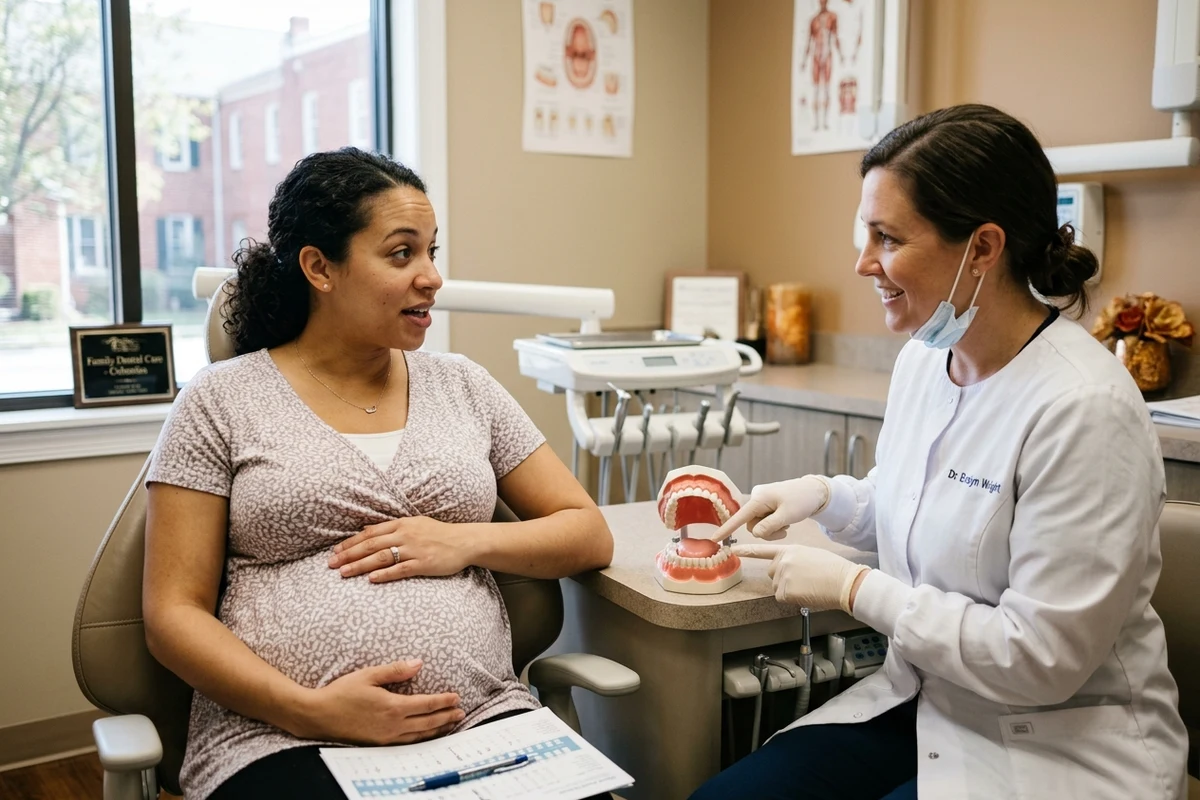
Prenatal dental visits follow structured steps focused on gentle care, maternal comfort, and precise clinical plaque removal. Understanding the sequence of a typical hygiene appointment eases apprehensions, reassuring patients that their physical comfort and prenatal health remain paramount from check-in through final recommendations.[3][4]
Health Intake and Tissue Assessment
Appointments begin with a comprehensive review of prenatal health, gestational age, and any current medications or obstetric instructions. The clinician carefully measures periodontal pocket depths and checks for swollen tissues or localized gum overgrowths, tailoring physical positioning to keep the patient entirely comfortable throughout the evaluation.[3][4]
Scaling, Polishing, and Home Guidance
The hygienist removes plaque and tartar deposits around the gumline using specialized hand or ultrasonic instruments before lightly polishing enamel surfaces. After the cleaning, the clinician reviews personalized home hygiene practices, explaining safe brushing techniques and nutritional adjustments designed to keep gums healthy between ongoing prenatal appointments.[3][4]
At-Home Maintenance and Long-Term Oral Health
Maintaining daily oral hygiene preserves the clinical benefits achieved during professional cleanings. Consistent brushing and interdental cleaning manage daily bacterial growth, while specific dietary and rinsing routines shield vulnerable tooth enamel from the harmful acidic conditions frequently accompanying different stages of pregnancy.[3][4]
Protecting Acid-Softened Enamel
Vomiting temporarily weakens outer tooth enamel, making immediate mechanical brushing damaging to tooth structures. Adopting gentle neutralizing measures prevents unnecessary enamel wear until tooth surfaces naturally reharden through mineral-rich saliva.[3][4]
- Rinse immediately with water or a solution containing one teaspoon of baking soda in a cup of water.
- Avoid brushing teeth for thirty to sixty minutes after gastric acid exposure to protect softened enamel.
- Brush gently with a soft-bristled toothbrush and fluoridated toothpaste once the acid has neutralized.
Daily Plaque Control and Balanced Nutrition
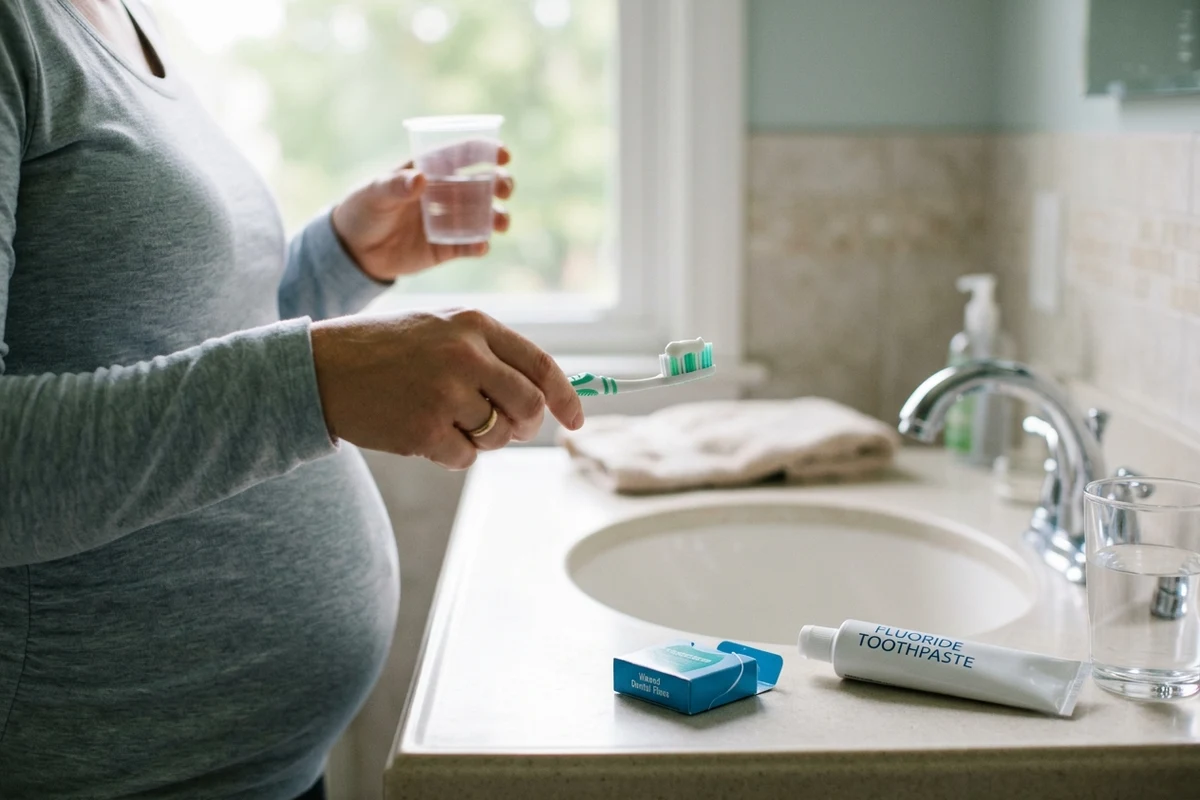
Patients should brush thoroughly twice a day with fluoridated toothpaste and use floss or interdental brushes daily. Pairing consistent oral hygiene with balanced meals that limit frequent fermentable carbohydrate snacking reduces sustained acid production, safeguarding maternal teeth and stabilizing gum tissues through delivery and beyond.[3][4]
Risks of Inaction and Scheduling Your Visit
Neglecting oral health during pregnancy carries tangible risks, including chronic pain, severe periodontal inflammation, and acute oral infections that can compromise general wellness. Scheduling a timely routine exam establishes a supportive clinical partnership, protecting both mother and child throughout every stage of pregnancy.[3][4]
Proactive Steps for Prenatal Dental Health
Untreated dental disease does not resolve on its own and can worsen as hormonal influences continue. Routine dental cleanings and exams remain the safest, most effective approach to detect early problems. Contacting a dental provider early in pregnancy ensures personalized care that keeps your smile comfortable and healthy.[3][4]
Sources
- uthscsa.edu — wp.uthscsa.edu
- ouhsc.edu — codclinicoperations.ouhsc.edu
- ada.org — American Dental Association
- oregon.gov — oregon.gov
Common questions
Frequently asked questions
Plan your visit with Happy Smiles at Columbia
Contact Happy Smiles at Columbia to request an appointment and discuss your personalized prenatal dental care options with our supportive clinical team today.
More Articles
View all Restorative Dentistry
Amalgam Removal Dentist Columbia PA: Dental Fillings and What to Expect
When consulting an amalgam removal dentist Columbia PA residents can explore evidence-based care for aging restorations. Learn when professional guidelines support replacing metallic fillings with modern tooth-colored composite resin materials safely and effectively.September 28, 2026 · 6 min read Restorative Dentistry
Dentures Columbia PA: A Patient Guide to Dentures
For individuals considering dentures Columbia PA, modern dental prostheses restore chewing function, speech clarity, and facial support following tooth loss caused by advanced periodontal disease, extensive decay, or oral trauma.September 25, 2026 · 6 min read Emergency Dentistry