How to Get Rid of Canker Sores (Step-by-Step)
Discover practical ways to soothe mouth ulcer pain, protect sensitive tissue, and get rid of canker sores while your mouth heals naturally over the next one to two weeks.
What You'll Need for Canker Sore Relief
Canker sores are noncontagious, painful white or yellow ulcers with a red border that only form inside the mouth. Having gentle oral care items ready at home makes daily canker sore treatment more comfortable while the tissue heals.
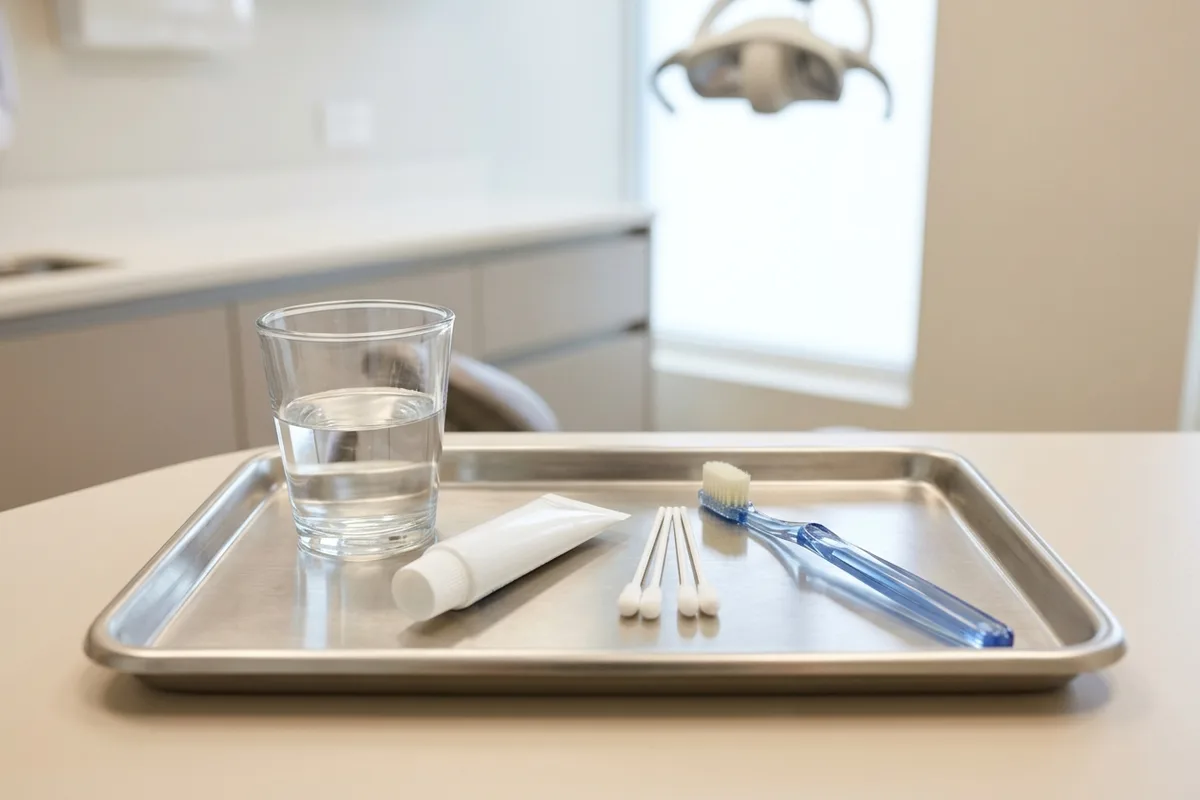
Gathering these gentle items can help soothe mouth tissues and ease discomfort:[1][2]
- Over-the-counter numbing gel for targeted sore relief
- Salt to mix with water for gentle mouth rinses, or baking soda to make a thin paste
- Cotton swabs and a mixture of equal parts hydrogen peroxide and water
- Over-the-counter protective barrier paste to shield ulcers inside the lips or gums
- A soft-bristle toothbrush
- An alcohol-free mouth rinse or cool water to soothe mouth irritation
Step by Step: Soothing and Caring for Canker Sores
These practical steps soothe nerve endings, shield the open sore from friction, and support your mouth's natural recovery.[1][2]
Rinse with Warm Salt Water
Swish gently with a warm saltwater rinse or cool water to cleanse open mouth sores without irritating raw tissue. Salt water cleanses the area and eases general mouth discomfort. You'll know it's working when your mouth feels refreshed and clean without added stinging.[2]
Dab with Diluted Hydrogen Peroxide
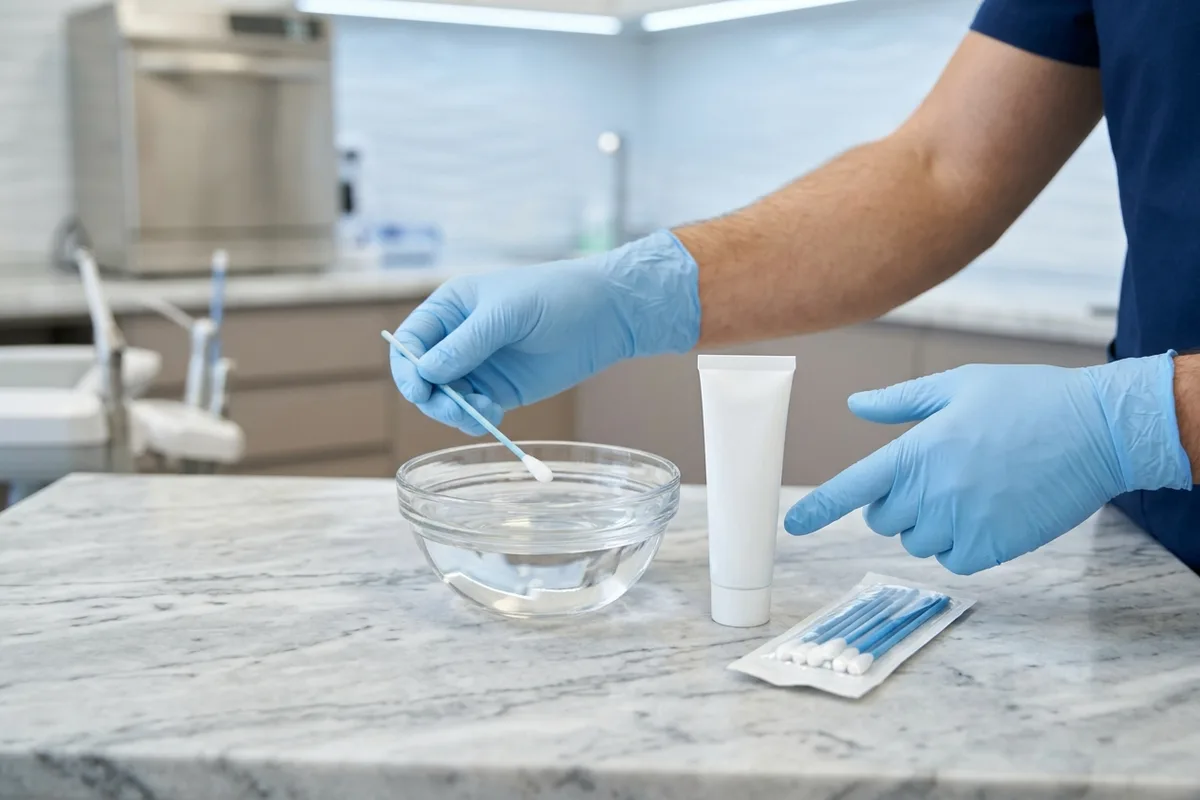
Dip a clean cotton swab into a mixture of equal parts hydrogen peroxide and water and dab the sore gently. This home remedy cleans the surface of the ulcer. Avoid rubbing the ulcer vigorously or applying undiluted mixtures that can irritate delicate tissue.[2]
Apply Over-the-Counter Numbing Gel
Dab a small amount of over-the-counter numbing gel containing benzocaine directly onto the ulcer to relieve acute soreness. Numbing agents quiet sensitive nerve endings right before meals. You'll know it's working when sharp mealtime tenderness dulls into manageable numbness.[1][3]
Shield the Sore with Barrier Paste
Cover the ulcer with an over-the-counter protective paste to create a physical barrier between the wound and your teeth. This layer shields exposed nerve endings from friction and food contact. You'll know it's working when your teeth and cheeks glide smoothly over the sore without rubbing.[2][3]
Brush with a Soft-Bristle Toothbrush
Clean your teeth using a soft-bristle toothbrush and slow, careful strokes around the tender areas. Gentle brushing removes plaque effectively while preventing accidental physical abrasions to healing tissue. Avoid rushing or scrubbing aggressively against inner lips and gums.[2][5]
Choose Toothpaste Without Sodium Lauryl Sulfate
Switch to a gentle toothpaste formulated without sodium lauryl sulfate to reduce irritation and shorten recovery time. Foaming detergents can aggravate sensitive oral skin and increase soreness. You'll know it's working when brushing your teeth causes no burning sensation along your gums.[3][4]
Eat Bland and Cool Foods
Choose soft, cool items and avoid hot, spicy, salty, or citrus foods that trigger sharp pain. Mild foods allow oral tissues to rebuild without chemical irritation or burning. Avoid crunchy snacks, citrus juices, and heavily spiced dishes until the ulcer completely seals.[1][2][3][5]
Timeline: Healing Over Two Weeks
Most oral ulcers follow a predictable progression, and tracking how long canker sores last helps you monitor normal healing.[1][2][3][4][5]
| When | What to Expect | What to Do |
|---|---|---|
| Days 1 to 2[1][2][5] | A burning or tingling sensation often precedes the visible ulcer inside the mouth. | Rinse gently with cool salt water, switch to a soft toothbrush, and avoid hot or acidic foods. |
| Days 3 to 7[1][2][3][4] | A painful white or yellow sore with a red border forms, measuring under 5 millimeters in typical cases. | Apply protective paste or numbing gel, use baking soda paste, and take acetaminophen if needed. |
| Days 7 to 14[1][3][4][5] | Acute tenderness fades and minor canker sores typically heal on their own without scarring. | Continue gentle brushing with non-SLS toothpaste and return to regular foods as comfort allows. |
What's Normal and What's Not
Normal Healing Expectations
Minor canker sores typically measure under 5 millimeters across, account for roughly 80 percent of cases, and heal completely within 10 to 14 days without medical intervention. A mild tingling or burning sensation often appears before the sore erupts. The sore itself forms as a shallow white or yellow ulcer encircled by a distinct red border and is completely noncontagious.[1][4]
Signs That Are Not Normal
Major canker sores that exceed 1 centimeter in diameter, persist up to six weeks, or cause visible scarring are not standard minor ulcers. Severe oral pain that interferes with normal eating and drinking poses a risk of dehydration and requires medical attention. Any mouth ulcer that causes difficulty swallowing or develops right after beginning a new medication also falls outside typical healing.[1][2][4][5]
When to Call Your Dentist
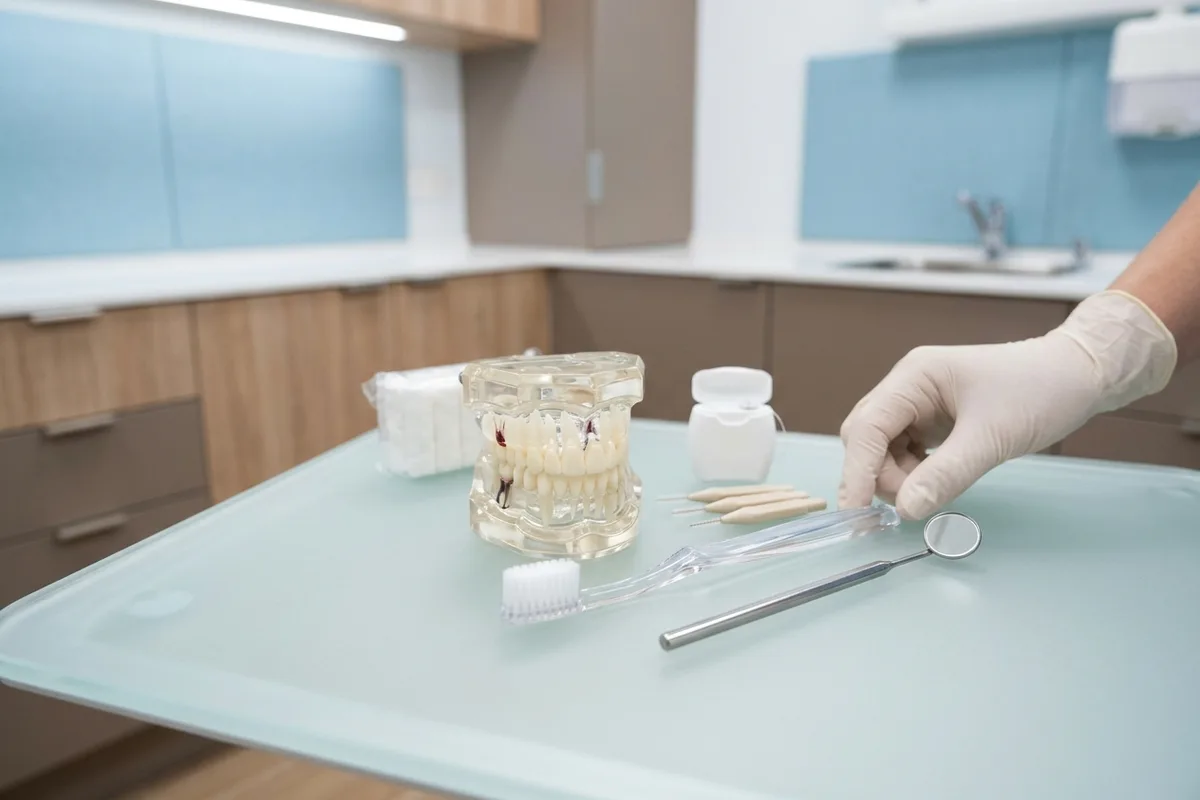
Call your dentist or medical doctor if an oral ulcer lingers longer than two weeks, begins after starting a new prescription, or causes difficulty swallowing. You should also seek clinical guidance if sores recur frequently or become so painful that drinking fluids proves difficult. In addition, prompt dental evaluation is essential if a broken tooth, sharp edge, or ill-fitting denture is scraping against your inner cheek or gums.
When you call the dental office, describe how many days the ulcer has been present, where it is located inside your mouth, and whether you have trouble staying hydrated. Mention if you wear braces, have dentures that rub, or recently chipped a tooth. Sharing these details helps your dental team determine whether an in-office adjustment or clinical evaluation is recommended.[1][2][5]
Your Checklist
Review this practical care checklist before the end of your first week to confirm you are protecting your mouth and supporting natural healing.[1][2][3]
- Do rinse with warm salt water or apply a baking soda paste to keep the sore calm and clean
- Do apply over-the-counter numbing gel or protective barrier paste before eating
- Do brush gently with a soft toothbrush and toothpaste made without sodium lauryl sulfate
- Don't eat hot, spicy, salty, or citrus foods that inflame raw oral tissues
- Don't rinse with mouthwashes containing alcohol because alcohol irritates open sores
- Don't delay fixing sharp broken teeth or poorly fitting dentures that rub your mouth
Common Problems and Fixes
Severe Pain While Eating
Acidic, spicy, salty, or hard foods sting open mouth sores and heighten acute inflammation. To keep mealtimes manageable, stick to cool, bland dishes and apply an over-the-counter numbing gel or protective barrier paste right before you eat. This shields sensitive nerve endings from direct contact with food.[1][2][3]
Frequently Recurring Mouth Ulcers
Frequent outbreaks can stem from nutritional deficiencies in iron, folic acid, zinc, or vitamin B12, as well as systemic conditions such as celiac disease. Emotional stress, hormonal changes, and accidental cheek bites can also trigger repeated flares. Consult a healthcare provider about diagnostic lab testing or dietary supplements to help manage chronic outbreaks.[1][2][4][5]
Irritation from Dental Work or Appliances
Sharp tooth fragments, broken fillings, or loose orthodontic brackets create constant mechanical friction against sensitive cheek and gum tissue. This repetitive trauma often triggers new canker sores or prevents existing ulcers from closing. Seeing your dentist promptly to smooth rough edges or adjust orthodontic hardware removes the source of irritation.[1][2][3]
Habits That Help Long-Term
Adopting consistent daily oral hygiene and lifestyle habits helps protect delicate mouth tissues and reduces the frequency of future outbreaks. While there is no known permanent cure for canker sores, minimizing physical trauma and avoiding known triggers supports long-term oral comfort.[1][2][3][4][5]
- Brush gently with a soft-bristled toothbrush to prevent accidental mouth scrapes
- Choose toothpastes formulated without sodium lauryl sulfate to safeguard delicate mucous membranes
- Chew slowly and deliberately during meals to avoid accidental bites to your cheeks or tongue
- Practice relaxation techniques to manage emotional stress, which frequently triggers outbreaks
- Steer clear of personal food triggers, including acidic fruits, irritating spices, and cinnamon oil
The Bottom Line
Minor canker sores generally heal on their own within one to two weeks, and simple home remedies like saltwater rinses, protective barrier pastes, and soft brushing help you stay comfortable while your mouth recovers.
If an oral sore persists past two weeks or causes severe pain, you can ask Dr. Qilin Xu about your symptoms at Happy Smiles at Columbia. The office is located in Columbia, PA, with appointments available Monday through Thursday from 8:00AM to 5:00PM.[1][2][3]
Sources
- Fever Blisters & Canker Sores — National Institute of Dental and Craniofacial Research
- Mouth sores — medlineplus.gov
- Management of oral aphthous ulcer: A review — pmc.ncbi.nlm.nih.gov
- Canker Sore - Aphthous Stomatitis/Aphthous Ulcer — iowaprotocols.medicine.uiowa.edu
- Recurrent Aphthous Stomatitis — National Center for Biotechnology Information
Common questions
Frequently asked questions
Questions about your own smile?
If a persistent mouth sore is causing discomfort, contact Happy Smiles at Columbia to request an appointment. Our team is ready to discuss your oral health questions and support your comfort.
More Articles
View all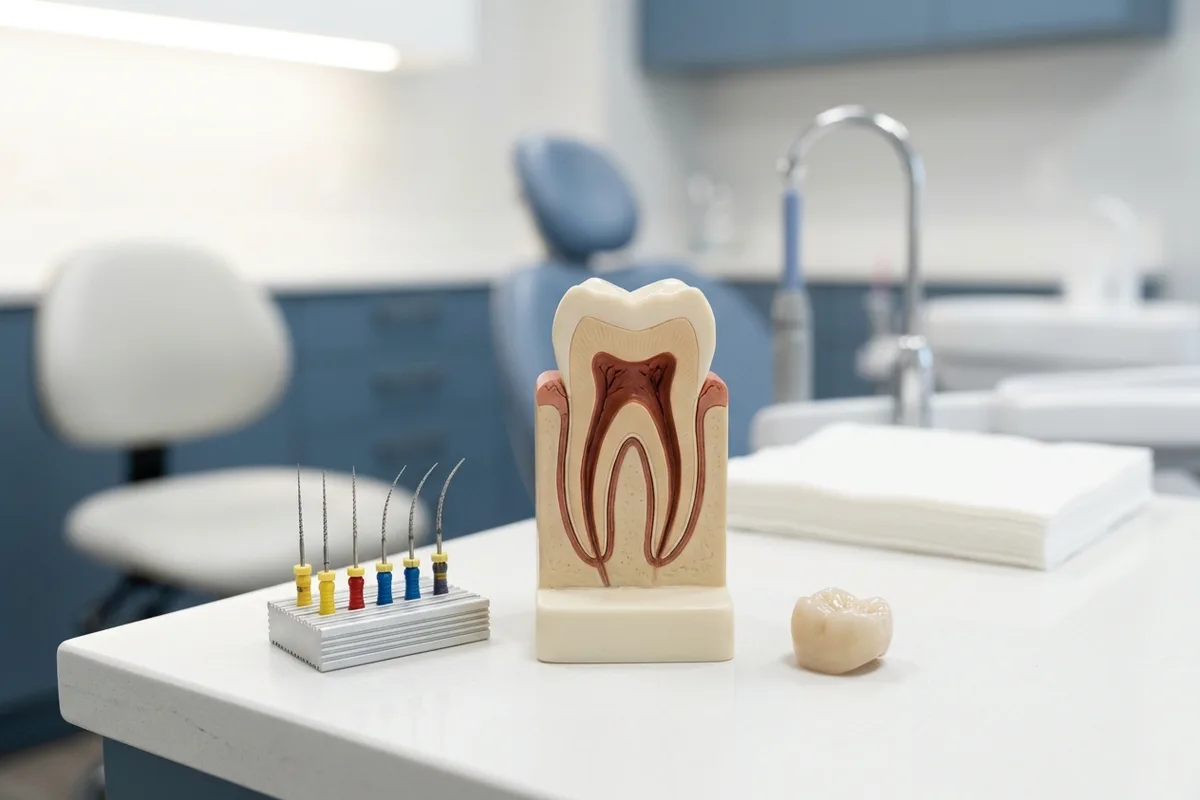 Dental care
The Complete Guide to Root Canal Treatment
Root canal treatment clears bacteria and dying pulp tissue from inside an infected tooth to relieve pain, protect natural tooth structure, and restore normal chewing function with a permanent crown.November 12, 2026 · 5 min read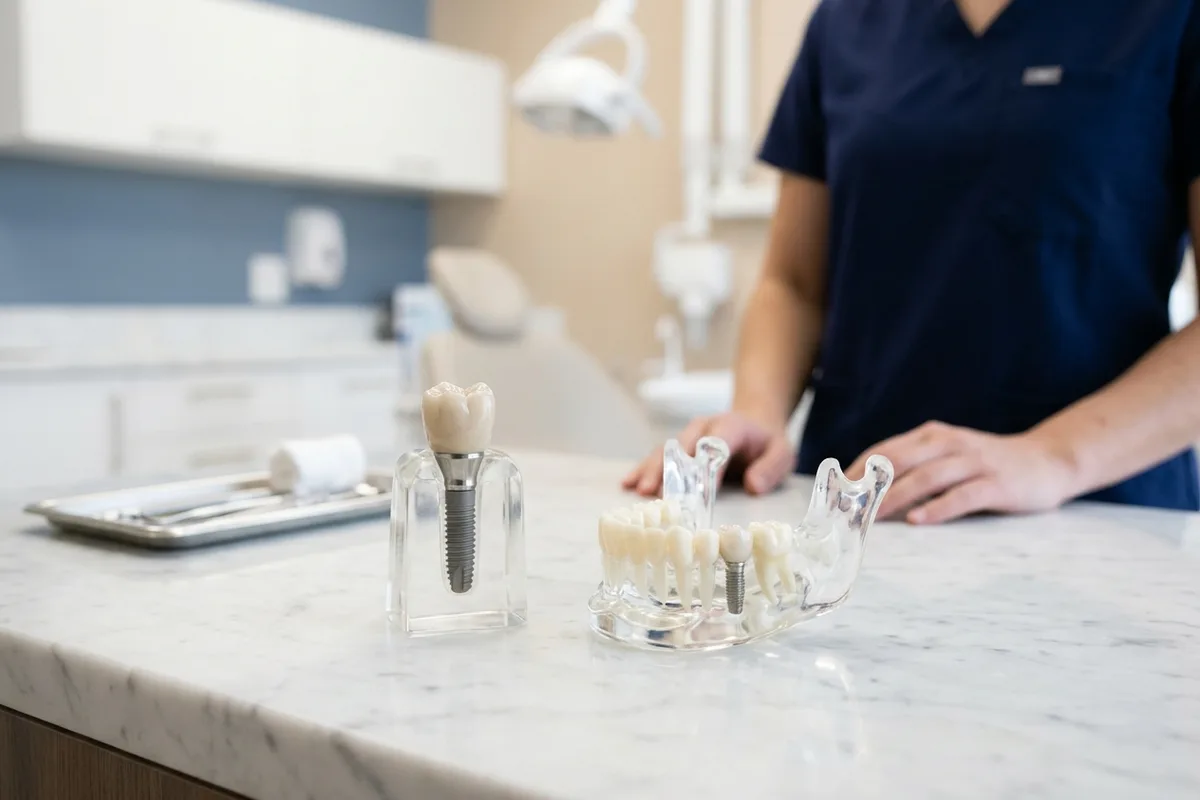 Dental care
The Complete Guide to Dental Implants
Dental implants offer a secure way to hold new teeth in place. Learn how the process works, what helps healing succeed, and what shapes your total care.November 11, 2026 · 7 min read Dental care