
Dentist for Anxious Patients Columbia PA: Calmer Routine Exams & Cleaning
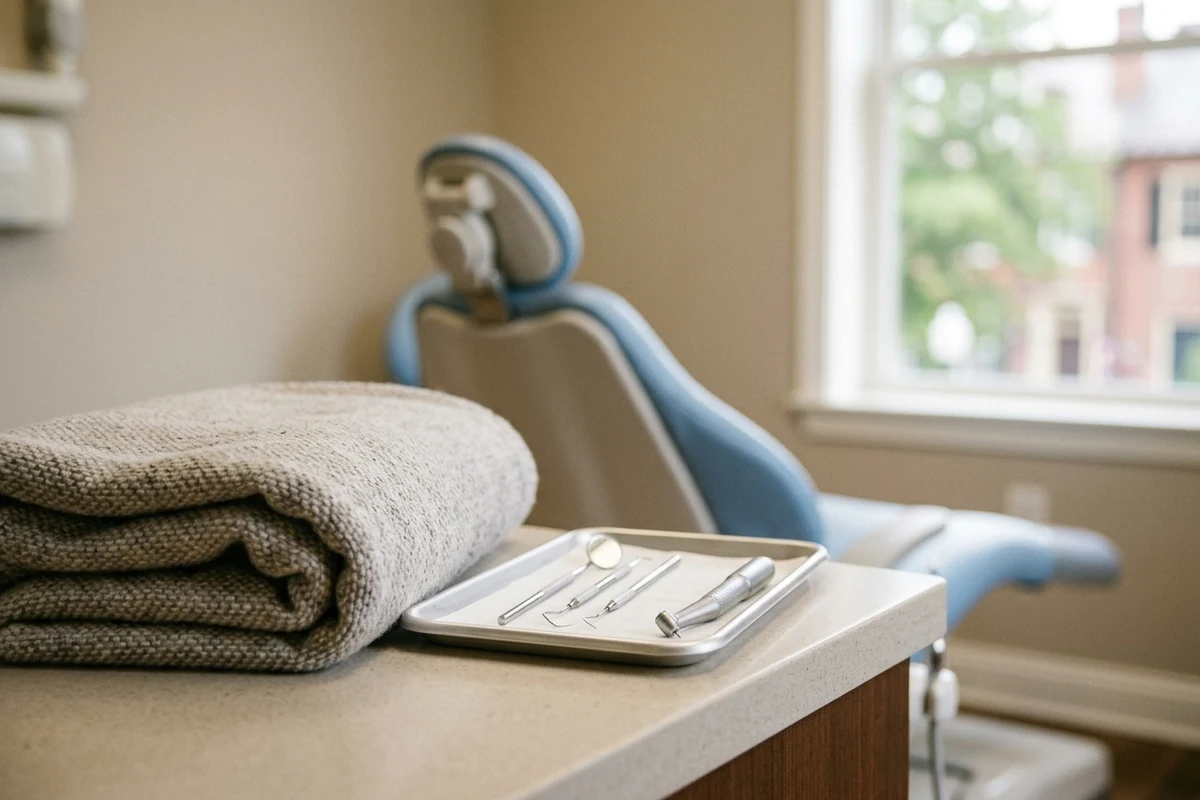
Seeking a dentist for anxious patients Columbia PA helps individuals receive gentle routine exams and cleanings. Supportive clinical teams adapt pacing, offer calming techniques, and eliminate fear-based delays to maintain long-term oral wellness.
Understanding Gentle Preventive Dental Care
Routine exams and cleanings serve as the foundation of preventive oral health, yet apprehension often delays these visits. An anxiety friendly dentist recognizes that emotional comfort is just as important as clinical precision during preventive maintenance, helping patients re-establish regular checkups without distress.[1][2]
The Role of Routine Cleanings in Oral Health
Professional cleanings remove calcified deposits known as calculus, along with bacterial plaque, from tooth surfaces above and below the gumline. Even meticulous home brushing cannot eliminate hardened calculus once it forms. Routine dental cleanings interrupt harmful bacterial colonies, preventing tissue inflammation and reversible gingivitis before deep infection takes hold.[1][2]
Bridging the Gap Between Fear and Prevention
When dental apprehension leads to missed appointments, minor surface deposits gradually mature into deeper periodontal concerns. Seeking care from a gentle dentist allows patients to address preventive hygiene before advanced decay or pain necessitates restorative treatment, reversing the cycle of avoidance through predictable, low-stress preventive visits.[1][2]
Triggers and Consequences of Dental Anxiety
Dental fear ranges from mild nervousness to severe phobia, often rooted in past discomfort, sensitive gag reflexes, or feeling a lack of personal control. Identifying specific sensory and psychological triggers helps clinical teams customize routine cleaning appointments to keep patients calm and secure.[1]
Common Roots of Dental Apprehension
Many individuals develop dental apprehension after previous painful experiences, sound sensitivity to ultrasonic equipment, or fear of local anesthetic injections. Others experience significant embarrassment regarding perceived poor oral hygiene. A non judgmental dentist establishes open dialogue, reassuring returning individuals that clinical focus remains on current care rather than past lapses.[1][2]
The Avoidance Cycle and Oral Decline
Avoiding the dental chair allows plaque biofilm to mineralize, escalating early gum inflammation into structural bone loss around teeth. As untreated dental disease advances, symptoms intensify until emergency interventions become inevitable. Consulting a dental phobia dentist breaks this destructive pattern, restoring oral wellness through managed, low-stress preventive appointments.[1]
Recognizing When to Schedule Preventive Care
Preventive appointments should ideally be scheduled every six months, but signs of active tissue irritation indicate an immediate need for evaluation. Attending to early warnings preserves natural tooth structure and keeps appointments brief, straightforward, and manageable for sensitive patients.[1][2]
Physical Indicators for an Exam and Cleaning
Patients should schedule an evaluation when experiencing bleeding during brushing, localized gum swelling, lingering bad breath, or slight temperature sensitivity. Searching for fear of dentist help allows individuals encountering these early symptoms to seek timely, compassionate preventive care before simple hygiene needs transition into painful, complex dental emergencies.[1][2]
Clinical Assessment for Apprehensive Patients
During a supportive assessment, the clinician evaluates oral structures while monitoring the patient's emotional comfort. Thorough diagnostic evaluations identify early disease progression using non-invasive techniques, establishing an accurate baseline without exposing the individual to unnecessary sensory overwhelm or surprise procedural steps.[1][2]
Components of a Gentle Examination
A thorough preventive evaluation incorporates visual tissue inspection, gentle periodontal pocket measurement, low-radiation digital imaging, and head and neck screenings. Clinicians deliberately discuss diagnostic findings in plain language, explaining every observation clearly so patients can make informed, pressure-free choices regarding their personalized oral healthcare plans.[1][2]
Comfort Strategies and Sedation Options
Modern dental practices offer layered comfort strategies, pairing behavioral techniques with mild sedation according to patient preference. Comparing these supportive options ensures each individual selects an appropriate level of care tailored to their procedural anxiety and clinical requirements.[1][3]
Behavioral Accommodations and Sensory Adjustments
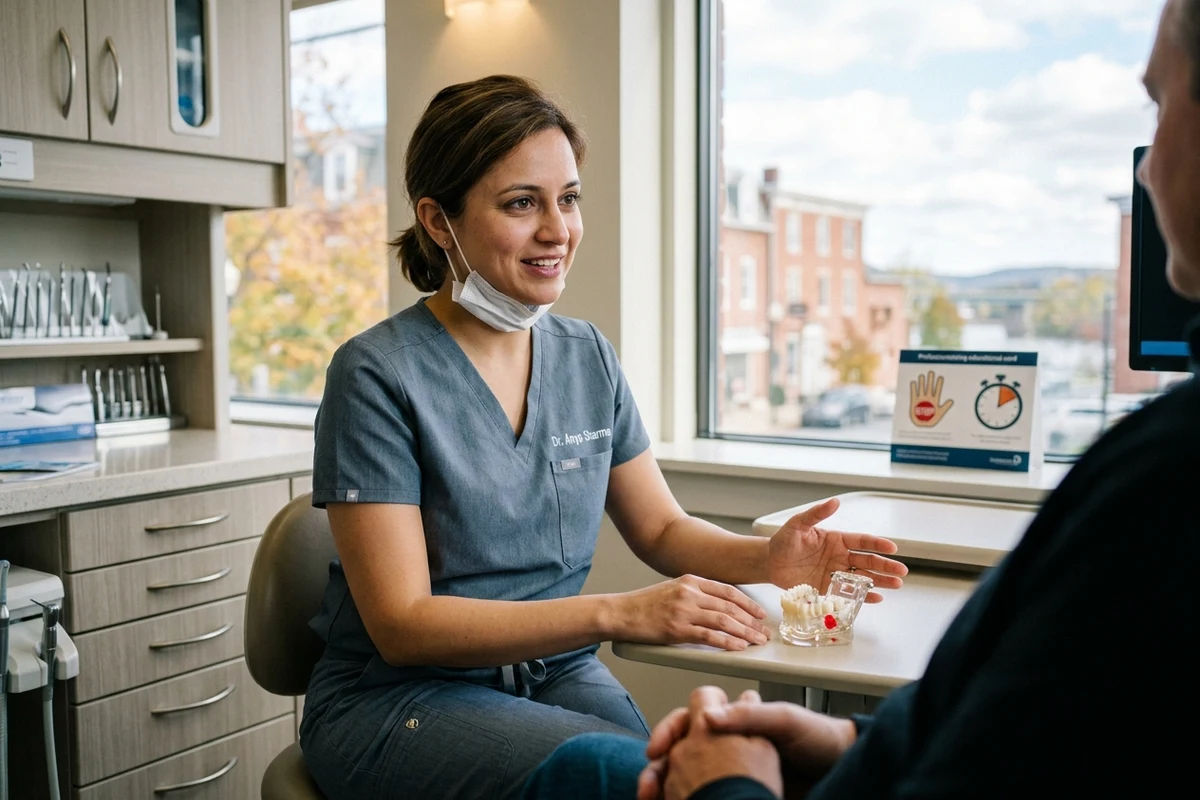
Non-pharmacological approaches provide substantial relief during preventive visits. Clinicians utilize tell-show-do techniques, explaining instruments before placement inside the mouth. Sensory accommodations, such as dimming overhead lights, providing noise-canceling headphones, and establishing hand-raise pause signals, give patients continuous control, substantially reducing feelings of helplessness during cleaning procedures.[1]
Mild Sedation Modalities for Preventive Care
When behavioral strategies require reinforcement, pharmacological options offer reliable relief. Inhaled nitrous oxide combined with oxygen delivers rapid, titratable relaxation while maintaining full consciousness and normal breathing. Alternatively, prescribed minimal oral sedation eases anticipatory tension before the visit, allowing patients to remain responsive and calm throughout hygiene care.[3]
Procedural Steps of a Routine Cleaning Visit
Understanding the chronological flow of a preventive appointment demystifies the experience and alleviates anticipatory stress. Predictable pacing, continuous communication, and gentle instrumentation ensure the patient feels safe and informed throughout every phase of the routine examination and hygiene process.[1][2]
Intake and Pacing Agreements
The visit begins with an unhurried consultation to review medical history, past dental experiences, and specific sensory triggers. The clinical team reviews agreed-upon stop signals, ensuring the patient understands that treatment pauses immediately whenever hand gestures are raised, establishing absolute mutual trust before clinical work begins.[1][2]
Plaque Removal, Polishing, and Fluoride
The hygienist carefully scales away plaque and hardened calculus using specialized hand or ultrasonic instruments, pausing regularly for comfort. After deposits are cleared, teeth are gently polished with a rubber cup to eliminate surface stains. An optional topical fluoride treatment may be applied to strengthen enamel surfaces.[1][2]
- Pre-procedure consultation to confirm stop signals and review comfort preferences
- Gentle scaling to clear plaque and hardened calculus deposits along the gumline
- Low-abrasion polishing to smooth tooth surfaces and lift superficial staining
- Application of preventive topical fluoride to strengthen tooth enamel
Maintenance Protocols and Long-Term Oral Health
Completing a routine cleaning without incident builds emotional confidence and interrupts long-standing apprehension. Long-term oral stability depends on combining regular preventive recall intervals with consistent daily self-care habits, preserving gum tissue and preventing future operative dental interventions.[1][2]
Post-Cleaning Sensations and Immediate Care
Following a thorough cleaning, patients may notice mild gum sensitivity or temperature responsiveness for a day or two, particularly if calculus removal was extensive. Rinsing gently with warm salt water and using a soft-bristled toothbrush relieves minor tissue irritation without disrupting the newly cleaned tooth surfaces.[1][2]
Establishing a Manageable Home Hygiene Routine
Consistent home maintenance reduces future scraping and cleaning duration during subsequent visits. Brushing twice daily with fluoride toothpaste, flossing daily between contacts, and moderating dietary sugars keep plaque accumulations low. Sustaining these simple daily practices shortens future hygiene visits, effectively reducing situational dental anxiety over time.[1][2]

Managing Treatment Limitations and Moving Forward
While routine cleanings resolve superficial inflammation, deep periodontal pockets or structural decay require focused restorative care. Acknowledging these limitations allows patients to plan necessary treatments at an agreeable, measured pace, avoiding sudden emergencies through transparent communication and collaborative care planning.[1][2]
Planning Ongoing Care and Overcoming Setbacks
Dental anxiety management is an ongoing process rather than an instant cure. If complex dental needs are identified during an examination, treatments can be divided into short, staged visits to prevent sensory overload. Discussing expectations candidly empowers patients to take confident ownership of their long-term health.[1]
Sources
- nih.gov — pmc.ncbi.nlm.nih.gov
- mouthhealthy.org — American Dental Association
- ada.org — American Dental Association
Common questions
Frequently asked questions
Plan your visit with Happy Smiles at Columbia
Contact Happy Smiles at Columbia to book an appointment and discuss your oral health questions. Our compassionate team is here to help you experience supportive, comfortable preventive dental care.
More Articles
View all Preventive Dentistry
Dentist During Pregnancy Columbia PA: Routine Exams & Cleaning Safely
Seeing a dentist during pregnancy Columbia PA ensures essential preventive care remains on track. Routine exams, gentle cleanings, and diagnostic imaging safeguard oral health and maternal wellness throughout every trimester of pregnancy.September 29, 2026 · 6 min read Restorative Dentistry
Amalgam Removal Dentist Columbia PA: Dental Fillings and What to Expect
When consulting an amalgam removal dentist Columbia PA residents can explore evidence-based care for aging restorations. Learn when professional guidelines support replacing metallic fillings with modern tooth-colored composite resin materials safely and effectively.September 28, 2026 · 6 min read Restorative Dentistry