
How to Get Rid of Tonsil Stones (Step-by-Step)
Tonsil stones are small, harmless buildups in the back of your throat. Learn how to get rid of tonsil stones safely at home and when to ask your dentist for help.
What You'll Need at Home
Tonsil stones (tonsilloliths) form when food bits, shed skin cells, saliva, and bacteria gather in small tonsil pockets (crypts). These trapped pieces harden over time, and studies show that up to forty percent of people may develop them. Because tonsil tissue is soft and thin, you should always gather gentle items before you begin.
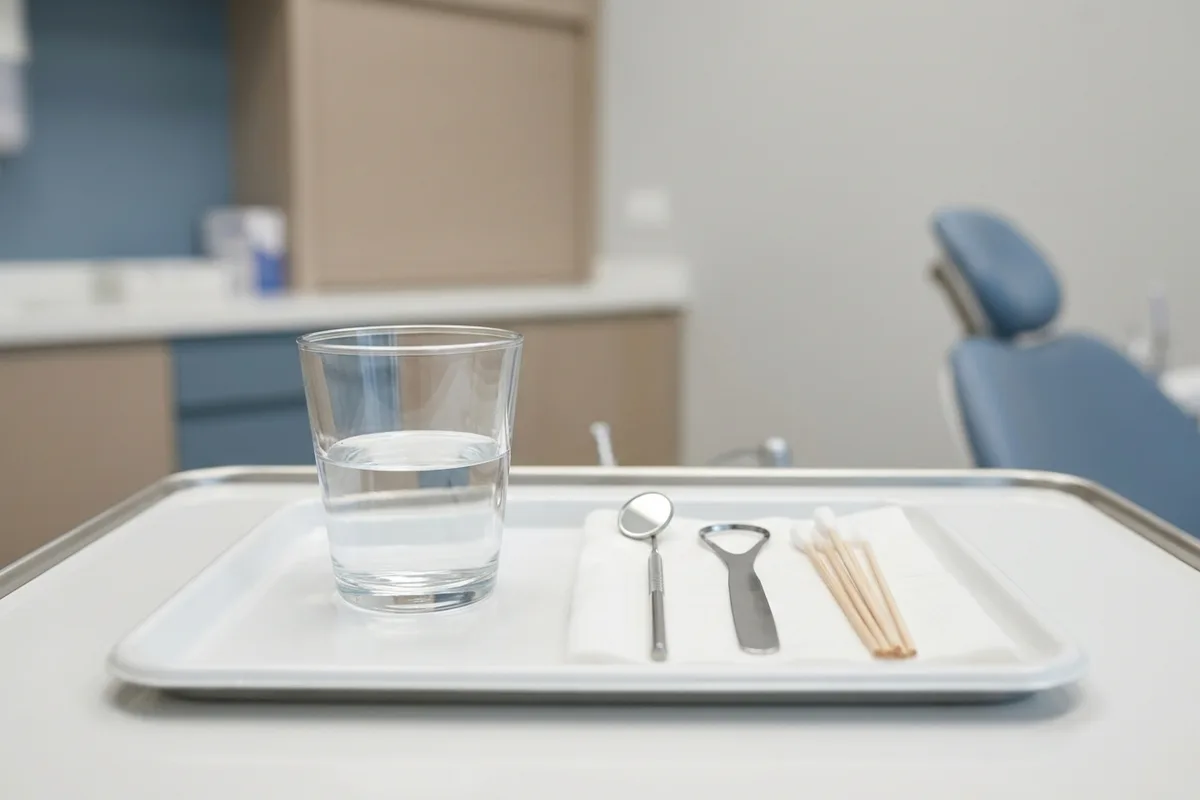
Having safe items ready keeps you from poking your throat with dangerous household objects. If you plan to clear a loose stone at home, set these basic supplies on your counter:[1]
- Warm water mixed with table salt for soothing mouth rinses
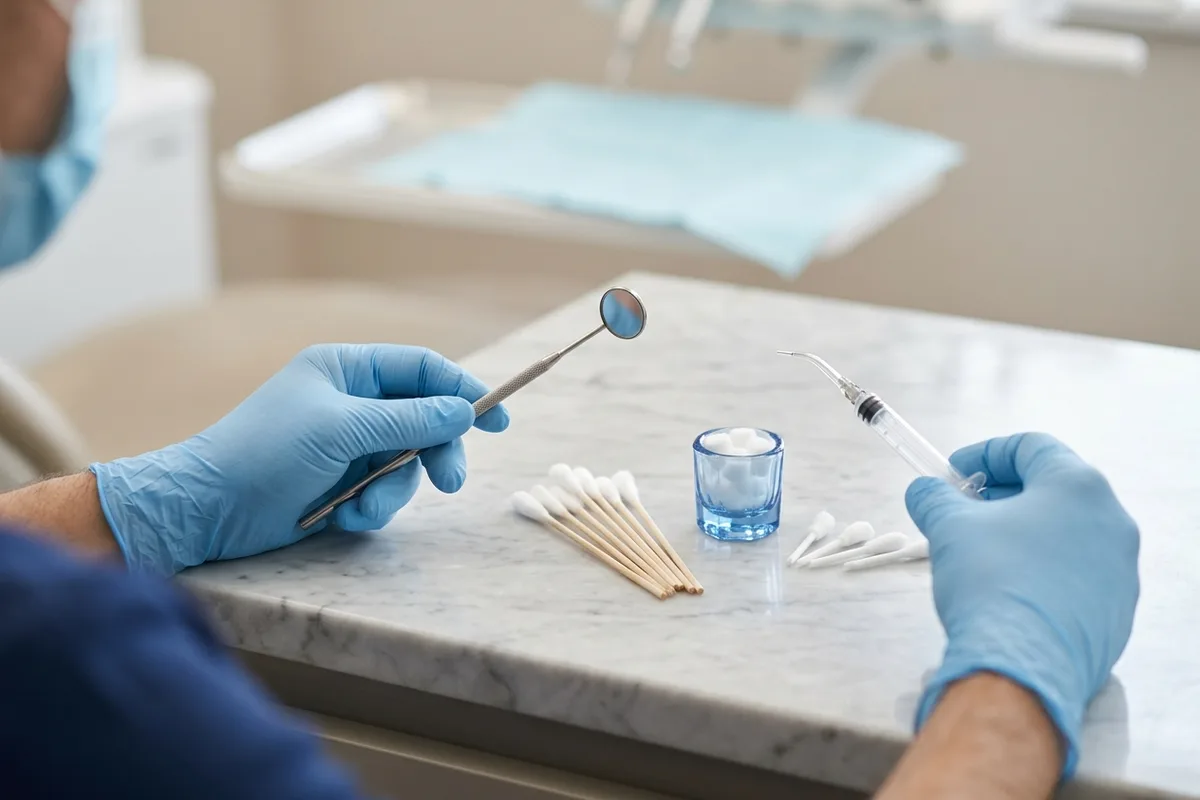
- Clean cotton swabs to ease out visible, loose stones
- A small water flosser set to low pressure
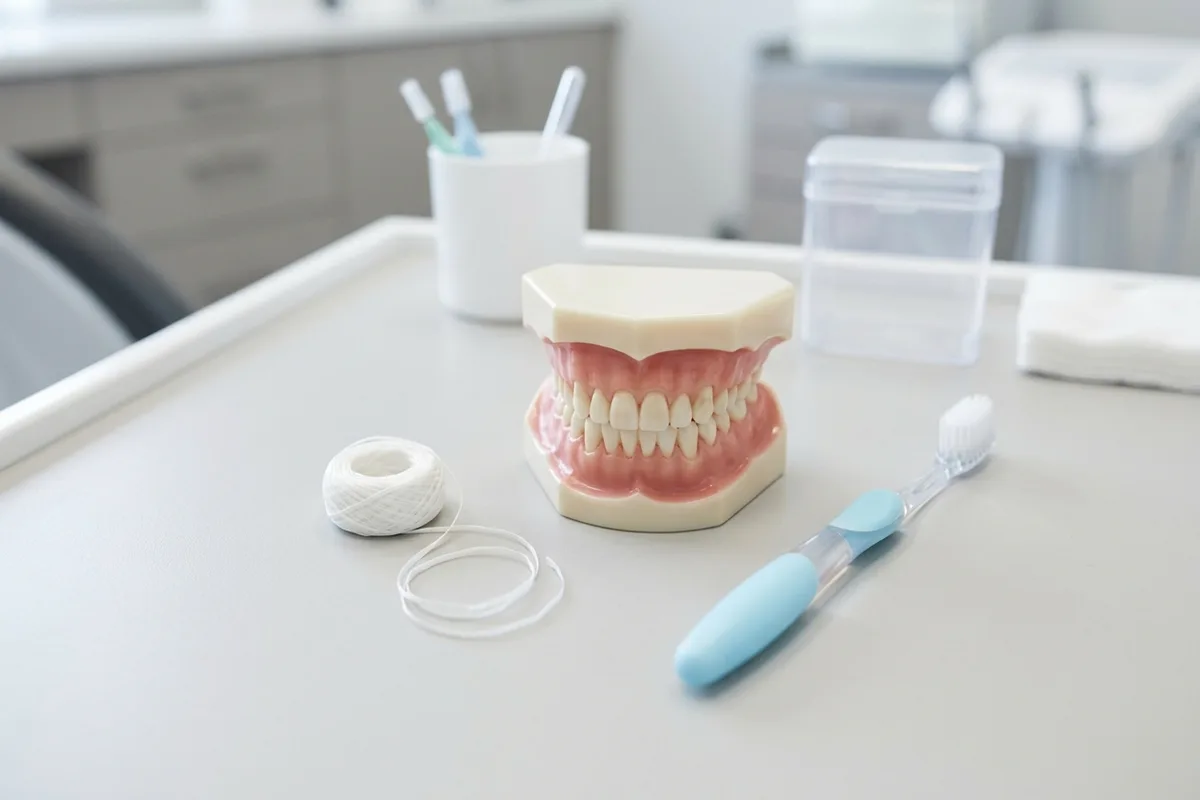
- A soft toothbrush and floss to clear food debris from your mouth
Step by Step: How to Get Rid of Tonsil Stones Safely
These careful steps help you dislodge visible stones at home without hurting delicate throat tissues.[1]
Gargle With Warm Salt Water
Stir half a teaspoon of salt into a glass of warm water and gargle deeply near the back of your throat. This safe rinse helps loosen trapped food bits and eases throat soreness. You'll know it's working when loose bits start to lift out into your mouth.[1][3]
Moisten a Clean Cotton Swab
Dip a clean cotton swab in plain water so the tip is soft and damp before it touches your throat. A wet tip glides over tender tissue without sticking or scraping. Avoid using dry cotton tips that can pull or scratch your mouth lining.[1][3]
Look for the Visible Stone
Stand in front of a well-lit mirror and open wide to spot the whitish specks resting in your tonsils. Make sure you can clearly see the stone before trying to reach it. Avoid reaching blindly into your throat if you cannot see the spot clearly.[1][3]
Nudge the Stone Gently
Place the wet cotton swab right next to the stone and apply very light pressure to push it out. Do not jab or poke deeply into the pockets of your throat. You'll know it's working when the white formation rolls forward onto the swab.[1][3]
Rinse With Low Water Pressure
If a cotton swab does not work, aim a water flosser set on its lowest setting near the pocket. A gentle spray can flush out stubborn residue without tearing delicate surface tissue. Avoid high pressure settings that can cause sudden pain or bleeding.[1]
Spit and Rinse Thoroughly
Spit the loosened debris into the sink and gargle once more with warm water to clear lingering bacteria. This final step washes away small residue and freshens your breath. You'll know it's working when your throat feels clean and unblocked.[1][3]
Timeline: What to Expect During Care
Small stones are common clinical findings and are typically managed expectantly.[4]
| When | What to Expect | What to Do |
|---|---|---|
| First Day[1][3] | White specks appear with mild throat scratchiness or bad breath | Gargle warm salt water and gently try a wet cotton swab |
| First Week[1][4] | Small loose stones often break up and fall out on their own | Keep brushing teeth and tongue twice daily and floss every day |
| First Month[1][3] | Tonsil pockets stay calm if oral bacteria remain low | Rinse after eating and talk with your dentist if stones persist |
What's Normal and What's Not
Normal Signs of Tonsil Stones
It is very common to feel like a bread crumb is resting in the back of your throat. Small stones often cause bad breath (halitosis) because bacteria gather inside them, and some people notice coughing or slight ear pain (otalgia). Many small stones cause no discomfort at all and clear away without any treatment.[1][3][4]
Signs That Are Not Normal
Severe throat pain, difficulty swallowing food (odynophagia), hoarseness, and swollen tonsils are not normal for routine stones. These signs often point to an active infection of the tonsils (tonsillitis). Doctors may need to prescribe medicines like antibiotics or anti-inflammatory drugs when tonsils become swollen or infected.[1][2]
When to Call Your Dentist
You should call your dental office if home rinses do not help, or if tonsil stones keep coming back with bad breath. Call your dentist if a stone grows too large to reach or makes swallowing painful. A professional exam helps make sure the white bump is simply a harmless stone rather than another throat issue.
When you call, let the team know how long the stone has been visible and whether it hurts to swallow. In Columbia, PA, you can talk through your routine cleanings with Dr. Qilin Xu. Your dentist can check your mouth.[1][2][4]
Your Checklist (Make Sure It's Working)
Take a moment during the first week to review these safe habits so your mouth stays clean and comfortable.[1]
- Do gargle with warm salt water after meals to dislodge food bits
- Do brush your teeth and your tongue twice each day
- Do use dental floss daily to reduce bacteria between teeth
- Don't poke your tonsils with toothpicks, pens, or sharp items
- Don't press hard on soft throat tissue with dry objects
Common Problems and Fixes
Temptation to Use Toothpicks or Pins
People sometimes want to grab sharp items like pens, paperclips, or wooden toothpicks when a stone feels stuck. Poking with stiff tools can easily tear delicate throat tissue and trigger bleeding or throat infections. Put down rigid tools and stick to warm salt gargles or soft cotton swabs instead.[1]
Lingering Bad Breath
Tonsil stones function as living bacterial sheets (biofilms) made of calcium carbonate and minerals. Because bacteria thrive in these pockets, bad breath can linger even after brushing your front teeth. Cleaning the back of your tongue and rinsing with salt water helps lower bacteria and freshen breath.[1][2][3]
Stones That Grow Exceptionally Large
Some stones trap minerals over time and grow too large to move with basic home rinses. Doctors may use imaging scans to check the size and depth of a very large stone. In severe cases, an ear, nose, and throat doctor may need to remove the stone or perform tonsil removal surgery (tonsillectomy).[2][3][4]
Habits That Help Long-Term
Daily mouth care goes a long way toward stopping new stones from developing in tonsil pockets. Bacteria feed on sugars and food bits left in your mouth, which builds up more hardened debris over time. Practicing steady home habits keeps bacterial colonies from thriving in your throat.[1][2]
- Brush your teeth and the back of your tongue twice daily
- Floss every day to remove trapped food between teeth
- Gargle with warm salt water after meals to rinse away loose residue
- Limit sugary drinks that feed mouth bacteria
- Avoid smoking to prevent chronic tonsil irritation
The Bottom Line on Tonsil Stones
Tonsil stones are common, harmless mineral collections that often clear away on their own with warm salt rinses. You can protect your mouth by avoiding sharp tools and cleaning your tongue every day. If persistent stones or sore throats bother you, your local dental team can evaluate your mouth and guide your care.[1][4]
Sources
- Ever hear of tonsil stones? — health.harvard.edu
- A giant tonsillolith — pmc.ncbi.nlm.nih.gov
- Anatomy, Head and Neck: Tonsils — National Center for Biotechnology Information
- Tonsillitis and Tonsilloliths: Diagnosis and Management — med.unc.edu
- Tonsillectomy and Adenoidectomy — iowaprotocols.medicine.uiowa.edu
Common questions
Frequently asked questions
Questions about your own smile?
Have questions about caring for your mouth or preventing tonsil stones? Call Happy Smiles at Columbia at 717-684-4666 to request an appointment with our team.
More Articles
View all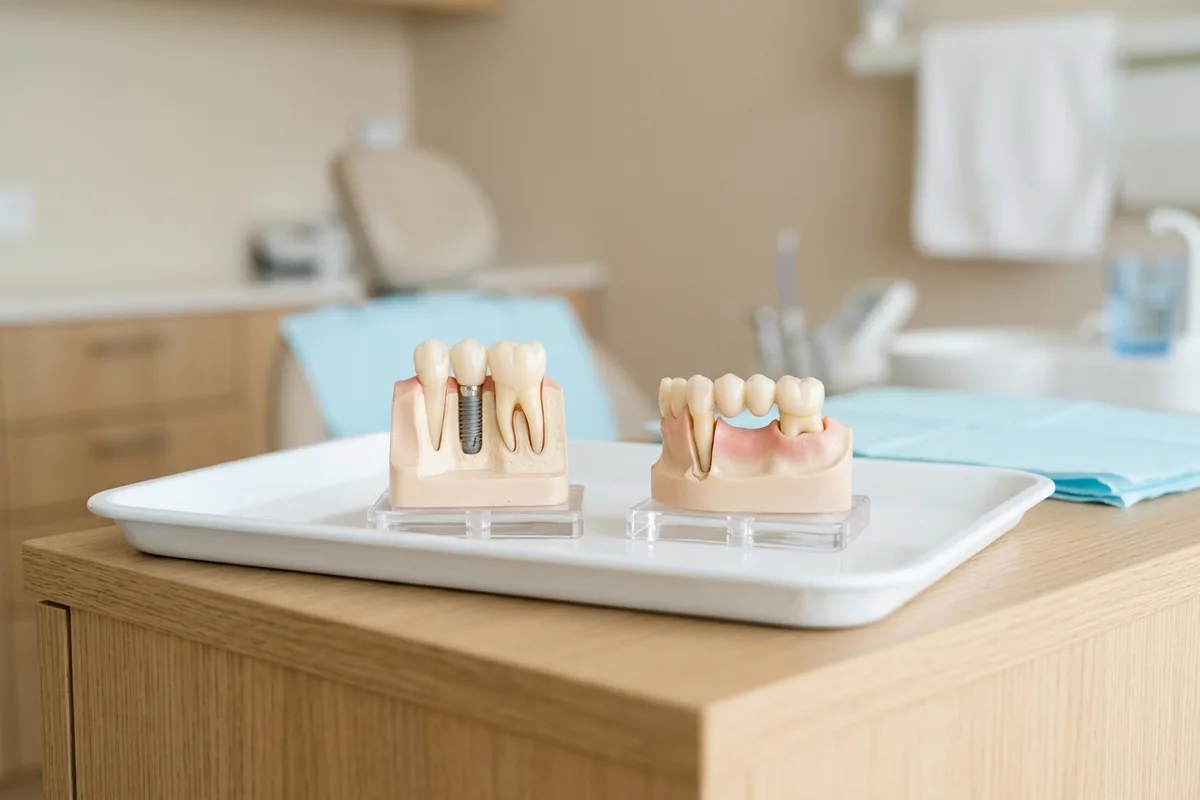 Dental care
Dental Implant vs Dental Bridge: Which Is Better for You?
Replacing a missing tooth protects your bite, keeps nearby teeth in line, and supports your jawbone. Learn how implants and bridges compare so you can choose with confidence.October 28, 2026 · 8 min read Dental care
What Happens at a Dental Cleaning and Exam for Healthy Teeth
A routine dental visit combines professional cleaning with a detailed mouth checkup. Learn what happens at a dental cleaning and exam to protect your teeth, gums, and overall health.October 27, 2026 · 5 min read Dental care