
What Happens at a Dental Cleaning and Exam for Healthy Teeth
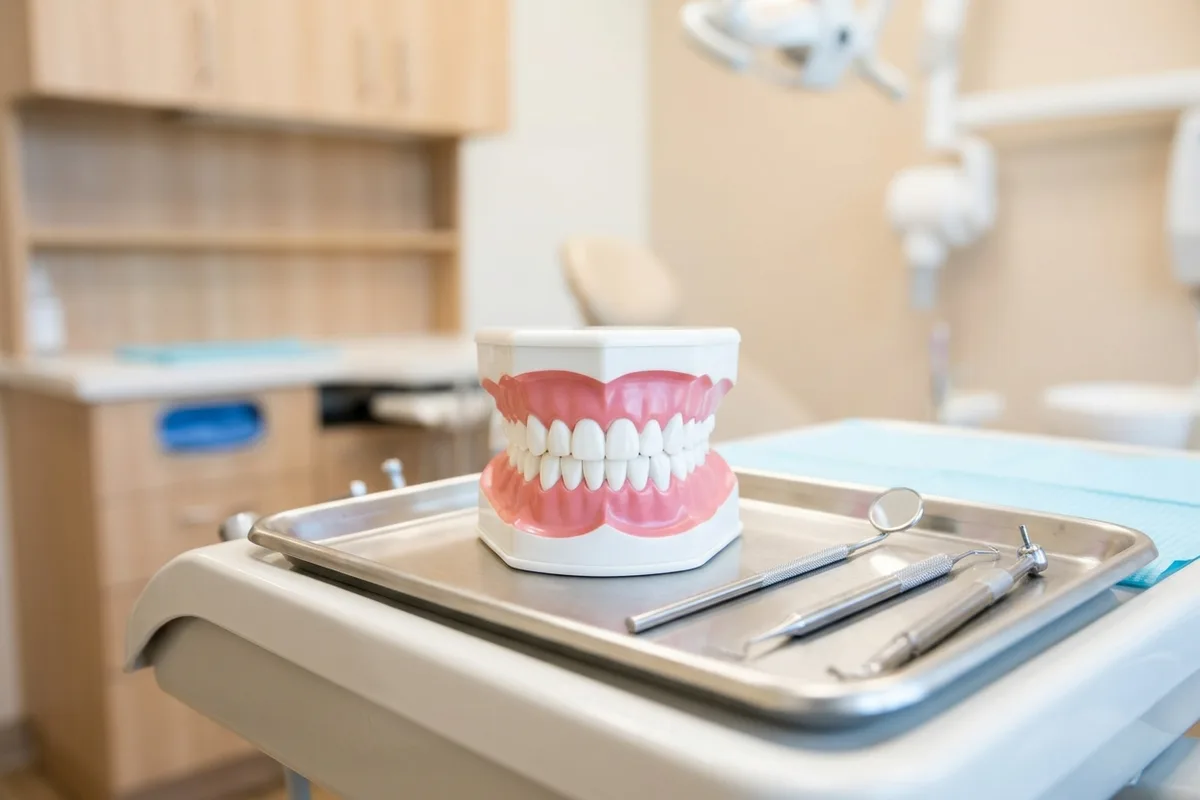
A routine dental visit combines professional cleaning with a detailed mouth checkup. Learn what happens at a dental cleaning and exam to protect your teeth, gums, and overall health.
What Happens at a Dental Cleaning and Exam? (Quick Definition)
A dental cleaning and exam is a preventive appointment where a dental team removes harmful buildup from your teeth and checks your mouth for emerging problems. This visit pairs professional dental hygiene with general dentistry to keep your smile functioning properly.
Your hygienist provides careful hygiene care by clearing deposits that normal brushing misses, while your dentist completes routine exams to catch hidden issues early. Together, these services protect your teeth and support whole-body wellness.[1][2][3][4]
The Dental Hygiene Cleaning
Professional dental hygiene focuses on cleaning tooth surfaces along and beneath the gumline. Plaque begins coating teeth within minutes after eating, and if daily brushing misses it, it hardens into tartar that only special dental tools can scrape away.[3][4]
The Clinical Examination
Routine exams allow your dentist to inspect your gums, check how your teeth align, and screen your soft tissues for abnormalities. Catching issues during these visits makes treatment likely to be simpler and less costly over time.[1][2][3]
Factors That Shape Your Visit Schedule
Visit schedules reflect personal health needs because every mouth faces different risks throughout life.
Your dentist considers your gum health, past tooth decay, and underlying physical conditions to set a visit interval that maintains your oral health.[1][3]
Routine Six-Month Visits
Most children and adults benefit from a checkup and cleaning every six months. Many dentists recommend this interval to keep gum tissue healthy, monitor developing teeth, and remove surface stains before complications develop.[2][3][4]
More Frequent Checkups
People with active gum disease, frequent cavities, diabetes, or pregnancy may require dental checkups every three to four months. Ongoing medical conditions and pregnancy change your oral needs, making frequent monitoring essential.[1][3][4]
Signs You Should Schedule an Evaluation
You should attend regular checkups even without symptoms because serious oral conditions often develop silently before causing pain. However, you should book an appointment promptly if you notice tooth sensitivity, bleeding gums, chewing trouble, dry mouth, or lingering sores.
If you find yourself searching for dental exams near me because of spontaneous toothache, loose teeth, or dark red swelling along your gums, contact a dental office immediately rather than waiting for your next routine cleaning.[1][3][4]
How Your Dentist Examines Your Mouth
Your appointment begins with a review of your health history, current medications, and past medical conditions. People with certain heart issues or immune system disorders may need prescribed antibiotics prior to an exam to guard against infection.
Your dentist examines your bite alignment and checks your teeth for early decay. They also perform an oral cancer screening by holding your tongue with gauze, inspecting all soft oral tissues, and feeling your neck, jaw, and face for unusual changes.[1][2][3]
Preventive Treatments and Imaging Options
Your dental team tailors diagnostic tools and preventive applications based on your age, oral health, and tooth structure. These options work together to identify hidden problems and strengthen vulnerable enamel surfaces.
Discussing these choices during your appointment ensures you receive care matched to your current oral condition.[1][2][3]
Dental X-Rays When Needed
Dentists take X-rays only when clinically necessary to spot decay between teeth, evaluate tooth roots, and watch tooth development. You wear a lead apron while a scanner captures the image with very low radiation doses, though routine images are generally postponed during pregnancy.[2][3]
Fluoride and Protective Sealants
Your team may apply fluoride foam or gel to strengthen enamel and prevent cavities. For deeper protection on back molars, painting thin plastic sealants into chewing grooves keeps out bacteria and food debris, reducing cavity risk by 80 percent on permanent molars.[2][3]
Step-by-Step Cleaning and Assessment
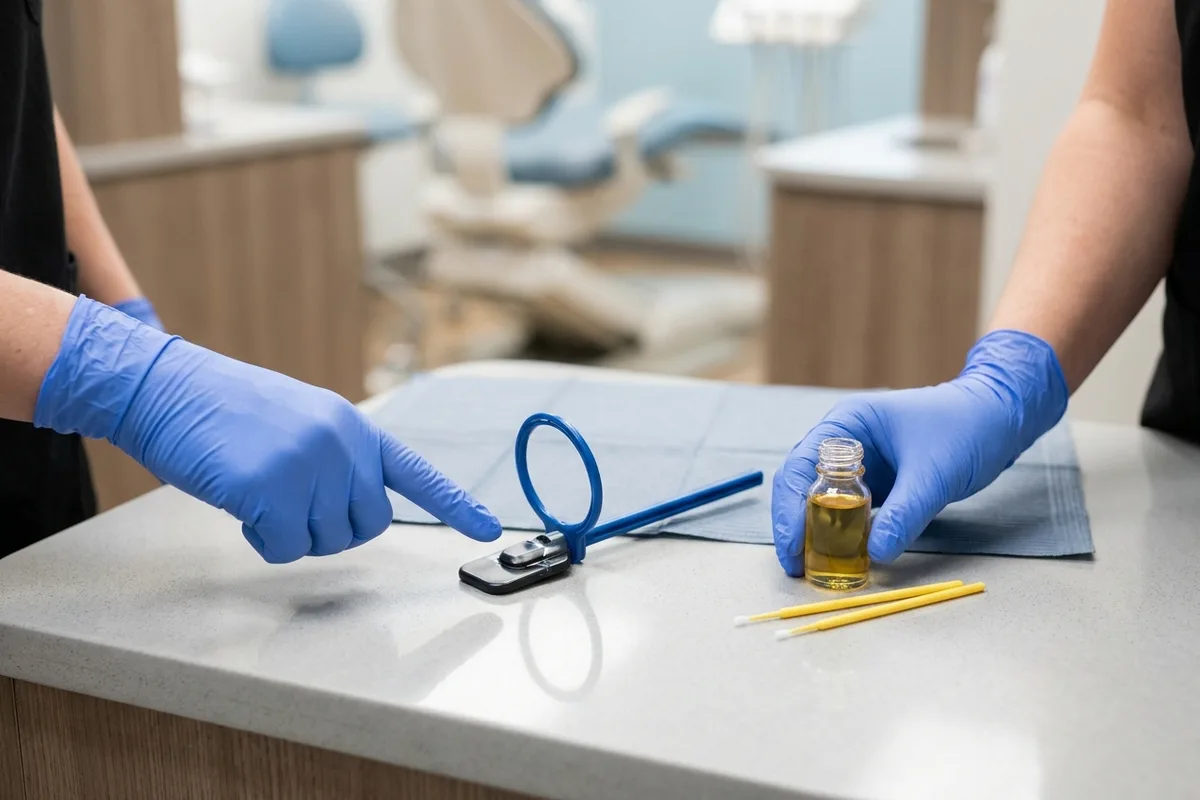
A typical preventive visit follows a structured sequence designed to clean your teeth thoroughly and assess every part of your mouth.
Your hygienist and dentist work in tandem to ensure each tooth is evaluated, debrided, and polished comfortably.[1][3]
Scaling, Polishing, and Flossing
The hygienist uses small metal instruments to scrape hardened tartar and plaque from your teeth. Afterward, they polish your enamel using a spinning rubber-tipped tool with gritty paste to lift surface stains, followed by flossing between teeth to remove loosened debris.[2][3][4]
Gum Evaluations and Appliance Checks
Your hygienist may use specialized dental instruments to check your gum tissue for signs of periodontal infection. For active children and athletes, your dentist also inspects sports mouthguards to ensure proper fit, wear, and tear as teeth shift or erupt.[1][2]
At-Home Care Between Cleanings
Teeth cleanings carry minimal risk and may cause only mild, brief discomfort without lasting pain. Daily oral habits at home maintain the clean feeling and protect your gums between professional visits.
Residents searching for teeth cleaning near me can maintain their smile by brushing and flossing effectively every day.[3][4]
Daily Cleaning Technique
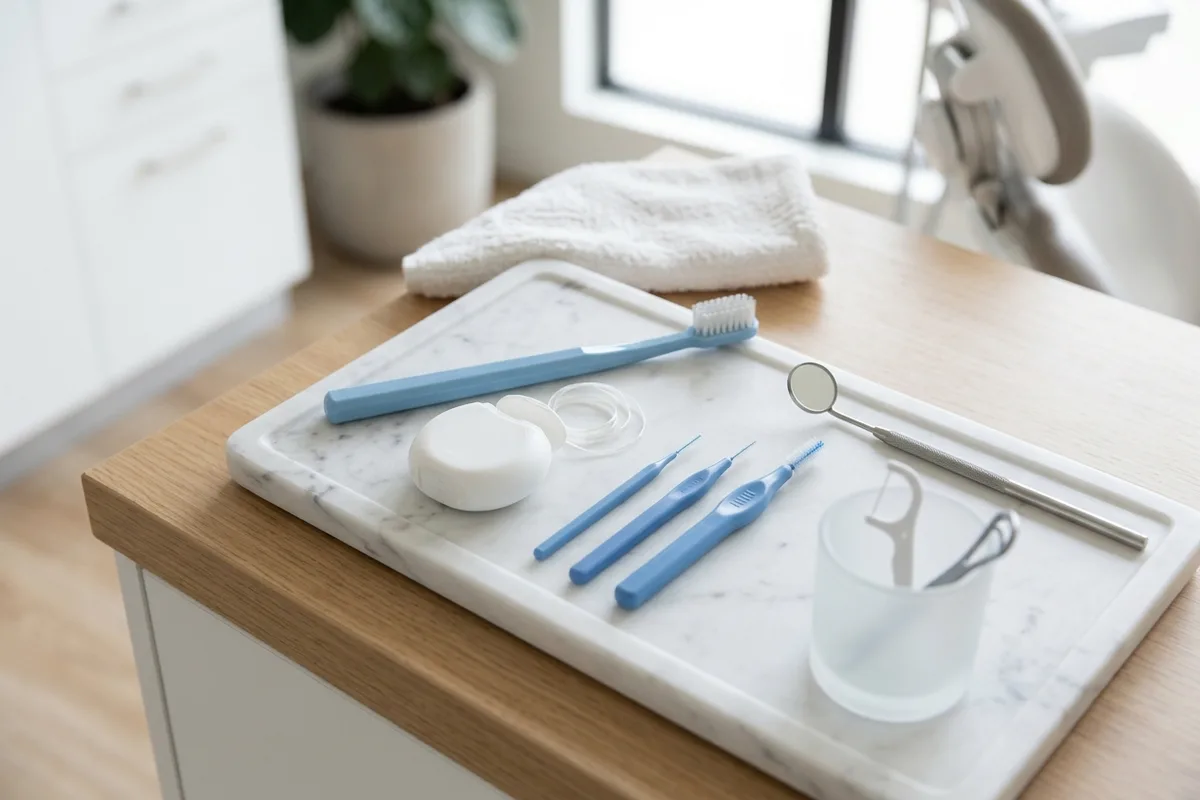
Brush your teeth twice each day for at least two minutes using a soft-bristled brush and fluoride toothpaste. Floss between your teeth once daily, ideally after brushing, taking care not to snap the floss aggressively into delicate gum margins.[1][4]
Replacing Tools and Asking Advice
Replace your manual toothbrush or electric brush head every three to four months to ensure bristles clean effectively. During your visit at Happy Smiles at Columbia, you can ask your hygienist for personal guidance on brushing angles or helpful mouth rinses.[4]
Risks of Postponing Care and Next Steps
Skipping regular appointments allows soft plaque to mineralize into stubborn tartar along the gumline. Untreated tartar causes gum inflammation (gingivitis), which can advance to severe gum disease (periodontitis) that destroys bone and tissue support, leading to tooth loss.
Attending regular visits keeps your oral care simple, manageable, and effective. You can consult with Dr. Qilin Xu at Happy Smiles at Columbia to arrange your next preventive cleaning and thorough dental examination.[1][4]
Sources
- Your Top 9 Questions About Going to the Dentist—Answered! — American Dental Association
- 5 Questions to Ask at Your Child's Back-to-School Dental Visit — American Dental Association
- Dental Exam — medlineplus.gov
- Dental care - adult — medlineplus.gov
Common questions
Frequently asked questions
Questions about your own smile?
Call Happy Smiles at Columbia at 717-684-4666 to request your family's next routine dental cleaning and examination.
More Articles
View all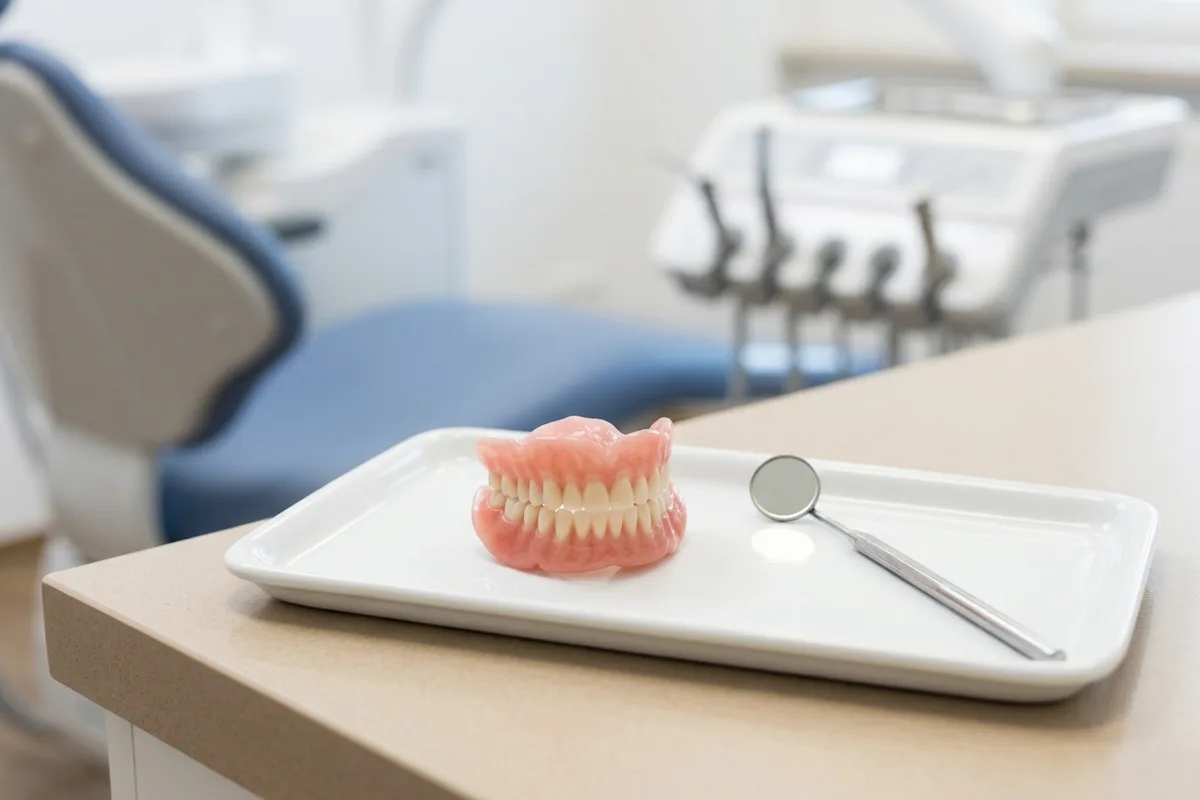 Dental care
The Complete Guide to Dentures
Dentures replace missing natural teeth to support chewing and speaking. Explore how complete and partial appliances function, proper daily cleansing routines, ways to protect delicate gum tissues, and what influences total prosthetic expenses.October 22, 2026 · 8 min read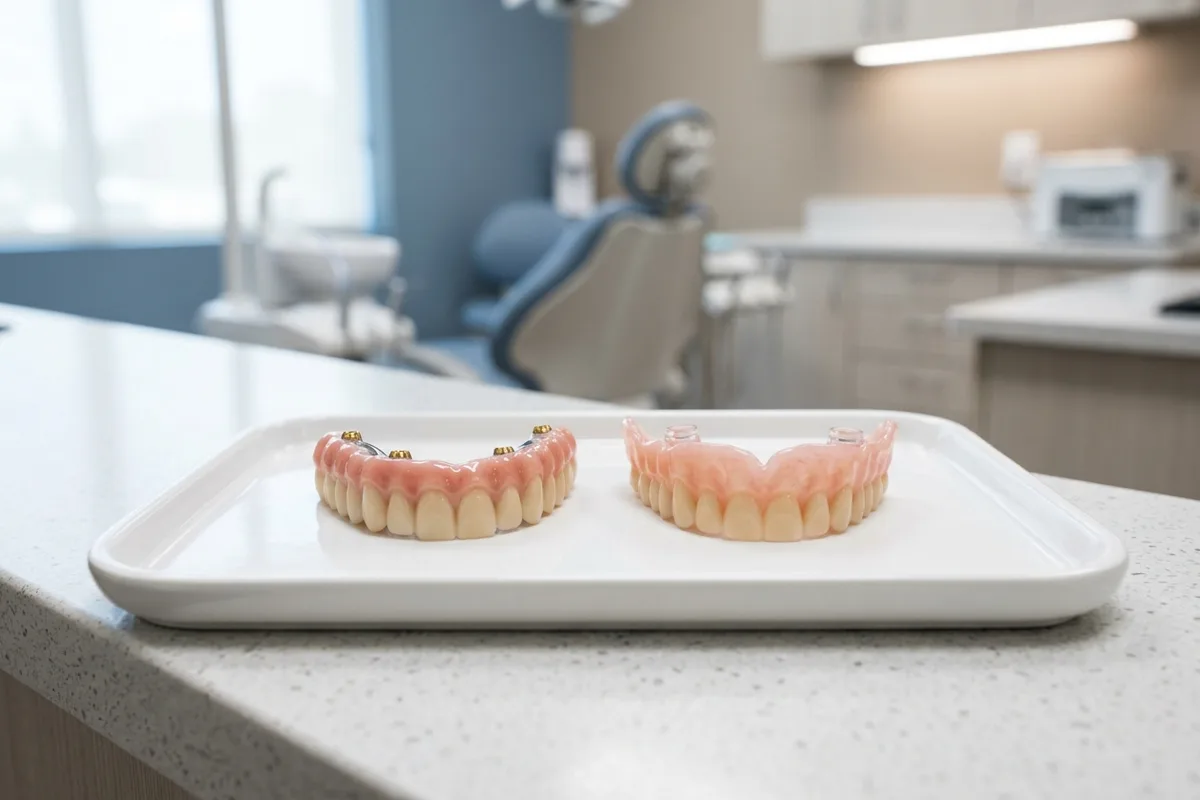 Dental care
All-on-4 vs Snap-In Dentures: Which Is Better for You?
Deciding between All-on-4 dental implants and snap-in dentures means balancing fixed stability against easier daily cleaning, bone support, and overall procedural cost.October 21, 2026 · 5 min read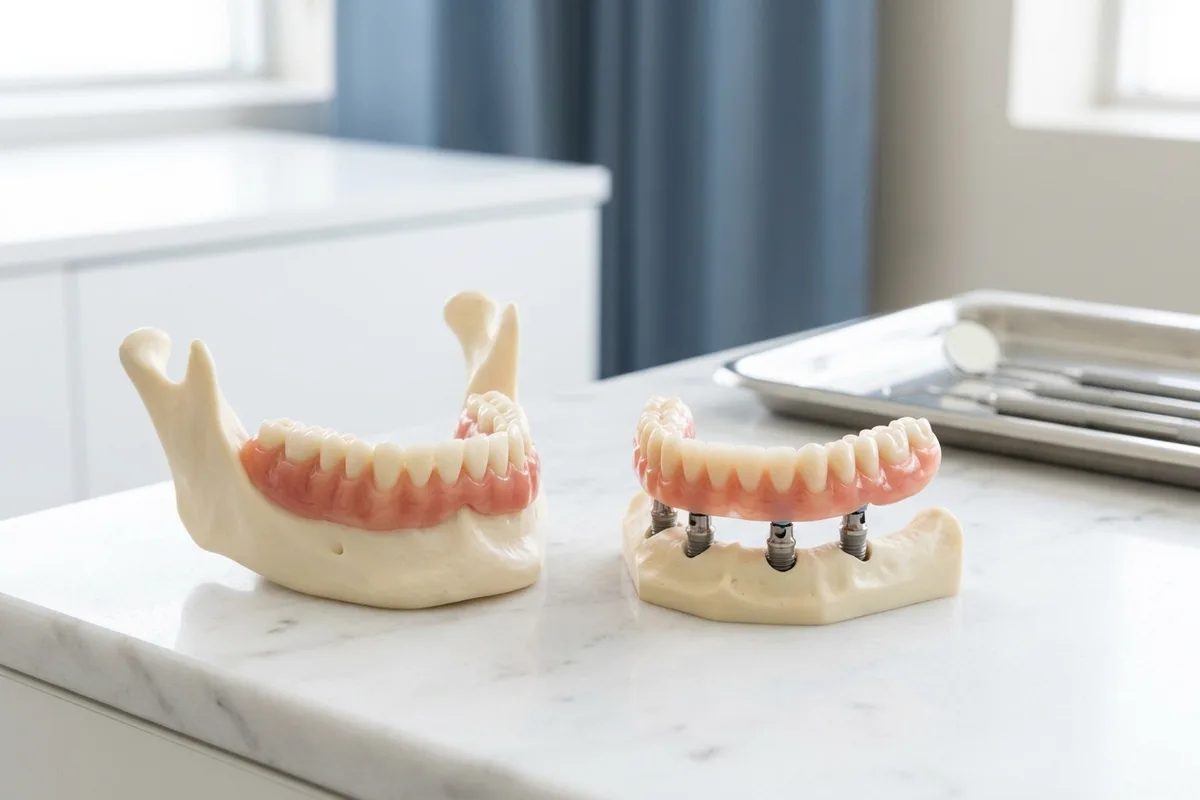 Dental care