Mandarin Speaking Dentist Lancaster PA: Routine Exams & Cleaning in Chinese

Searching for a Mandarin speaking dentist Lancaster PA connects patients to essential routine preventive dental care, protected communication rights, and qualified language assistance under federal standards for comprehensive oral examinations and cleanings.
Language Access in Routine Dental Care
Routine dental exams and cleanings require clear, precise communication between clinical providers and patients. When patients look for a Chinese dentist Lancaster PA, they are seeking preventive care alongside effective communication methods that uphold their legal rights and individual healthcare preferences.[1][2]
Federal Protections for Limited English Proficiency
Under Title VI of the Civil Rights Act of 1964 and Section 1557 of the Affordable Care Act, dental practices receiving federal financial assistance must provide meaningful language access to individuals with limited English proficiency. These federally protected language services must be delivered in a timely manner and free of charge to the patient.[1][2]
Ethical Mandates and Informed Consent
The American Dental Association ethical code establishes patient autonomy as a core professional principle. Dentists are ethically obligated to involve individuals directly in diagnostic decisions. Legally valid informed consent requires patients to fully comprehend their oral health condition, recommended procedures, potential risks, and clinical alternatives prior to undergoing any dental treatment.[1]
Criteria for Qualified Language Assistance
Selecting language accommodations for preventive care involves evaluating regulatory qualifications and clinical communication standards. Patients searching for a Chinese speaking dentist near me must be provided with accurate, reliable interpretation rather than informal, unvetted translation methods.[1][2]
Qualified Professional Interpreters Versus Informal Interpreters
Federal standards require the use of qualified bilingual staff or trained medical interpreters via telephonic, video, or in-person channels. Dental facilities must not rely on minor children or untrained adult companions to interpret clinical discussions, except during rare emergencies involving imminent safety threats or explicit adult patient requests.[1][2]
Culturally and Linguistically Appropriate Services
The national CLAS standards emphasize patient privacy, accurate clinical terminology, and the elimination of personal conflicts of interest during medical dialogues. Securing professional interpretation prevents misinterpretations of medical histories, medication regimens, and complex clinical diagnoses during preventive evaluations and professional teeth cleanings.[2]
Indications for Routine and Non-Urgent Care
Routine preventive visits should occur at intervals recommended by an oral healthcare provider to monitor oral health status. Patients seeking a Mandarin dentist Columbia PA can also schedule non-urgent clinical evaluations when early warning signs emerge in dental or gum tissues.[1][2]
Identifying Early Oral Health Changes
Individuals should contact a dental provider if they experience persistent oral discomfort, lingering tooth sensitivity to temperature or sweets, or gum swelling. Gums that bleed during normal brushing indicate early gingivitis, while any white, red, or sore oral lesion persisting beyond two weeks requires an evaluation.[1]
Components of a Comprehensive Dental Examination
During a clinical exam, a dentist systematically evaluates the oral cavity and surrounding structures. When scheduling through 中文牙医 Lancaster resources, patients can expect thorough diagnostic assessments conducted with the full support of translated documents and qualified clinical interpreters.[1][2]
Diagnostic Steps and Screenings
A comprehensive examination includes reviewing medical history, allergies, and medications to avoid clinical complications. The dentist inspects the teeth, gums, tongue, palate, and lymph nodes, screening for mucosal lesions or oral cancer. Diagnostic dental X-rays and periodontal probing depths are also measured to detect underlying bone and tissue changes.[1]
Preventive Approaches and Clinical Accommodations
Dental offices offer different accommodation modalities alongside evidence-based preventive therapies to support oral wellness. Patients seeking 会说中文的牙医 can compare qualified interpretation formats and clinical preventive options tailored to their specific cavity risk levels and communication preferences.[1][2]
Modalities for Language Access Delivery
Clinical practices utilize qualified bilingual dental staff, remote video interpretation, or telephonic medical interpreter networks based on operational setup. Each modality must maintain patient confidentiality, ensure clear real-time communication, and provide translated intake documents and consent forms to satisfy federal civil rights and ethical requirements.[1][2]
In-Office Preventive Therapies
Beyond routine mechanical cleanings, dental providers evaluate individual cavity risks and salivary function. Patients presenting with elevated tooth decay risks or dry mouth, known clinically as xerostomia, may receive in-office topical fluoride varnishes. These professional applications strengthen exposed enamel and support long-term tooth preservation.[1]
Clinical Sequence of Routine Dental Visits
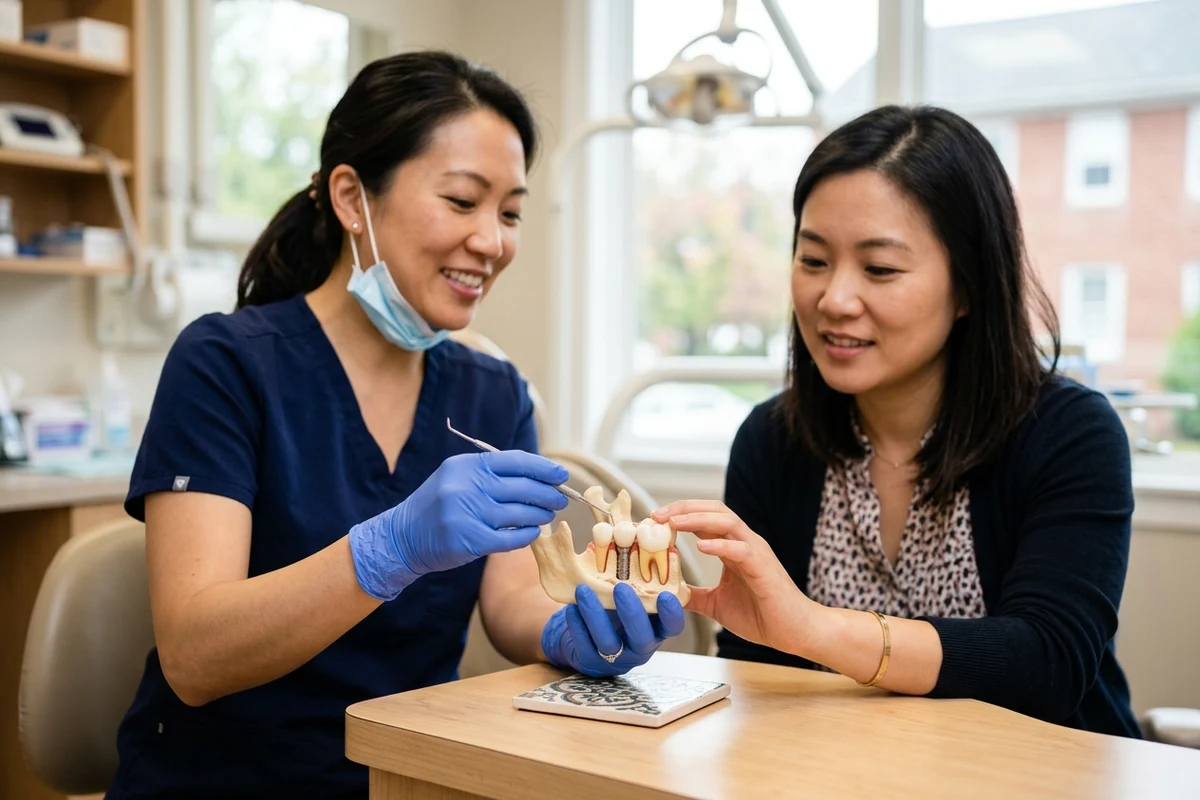
A routine dental prophylaxis appointment follows a structured sequence designed to evaluate oral tissues and eliminate harmful deposits. Clear communication through a qualified interpreter ensures that every clinical phase is understood and agreed upon prior to initiating care.[1][2]
Step-by-Step Clinical Workflow
A standard routine hygiene and examination appointment progresses through a systematic sequence to verify tissue stability and clean all dental surfaces. Clear communication through professional interpretation supports patient comfort during each clinical stage, ensuring every procedure is completely understood before instruments are applied to oral tissues.[1]
- Reviewing general medical history, current medications, and known allergies using translated documentation or interpreter assistance
- Performing a comprehensive visual examination of hard and soft oral tissues, lymph nodes, and diagnostic dental radiographs
- Assessing periodontal health by measuring gum pocket depths around each tooth to check for inflammation or bone loss
- Removing mineralized calculus and soft bacterial plaque from above and below the gumline using specialized scaling tools
- Explaining all clinical diagnostic findings and recommended care plans through the interpreter before scheduling additional treatments
Mechanical Calculus and Plaque Removal
Dental hygienists or dentists use specialized manual and ultrasonic instruments to scale away calculus, also known as tartar, from teeth. Because tartar cannot be removed by routine home brushing or flossing, professional scaling and polishing are essential to prevent progressive gum inflammation and maintain periodontal health.[1]
Evidence-Based Daily Oral Maintenance
Long-term oral health depends on sustained daily home hygiene paired with regular professional evaluations. Routine cleanings remove accumulated bacterial reservoirs, but daily maintenance prevents the rapid re-accumulation of plaque biofilms on tooth surfaces and along delicate gum margins.[1]
Plaque Control and Enamel Strengthening
Plaque is a soft bacterial film that constantly forms on teeth and mineralizes into hard calculus if left undisturbed. The National Institute of Dental and Craniofacial Research recommends brushing twice daily with fluoride toothpaste and drinking fluoridated tap water to reinforce mineral density in outer tooth enamel.[1]
Interdental Cleaning Practices
Cleaning between teeth once daily is necessary because toothbrushes cannot reach tight interproximal spaces where bacteria accumulate. Patients can use traditional dental floss, interdental brushes, or water flossers to clear interdental debris and prevent gingivitis, which represents the early, reversible stage of gum disease.[1]
Managing Communication Barriers and Next Decisions
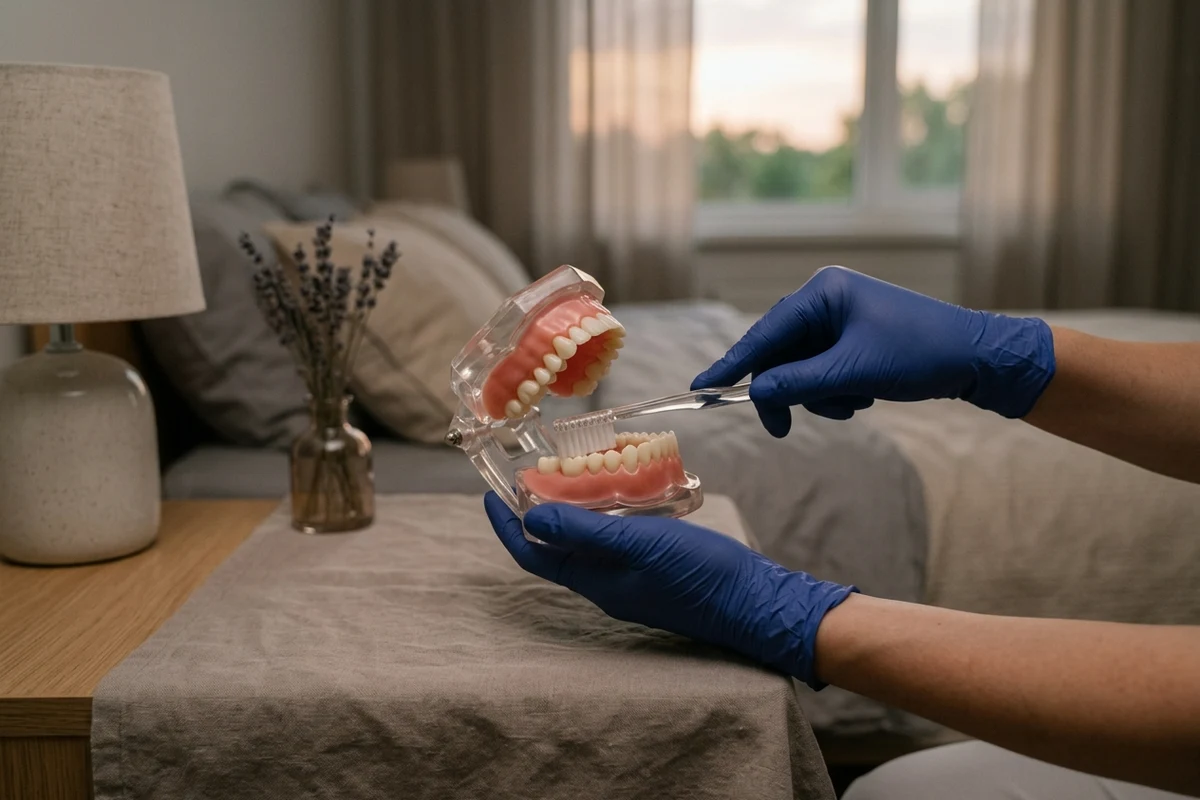
Inadequate communication creates significant clinical risks, including misunderstood treatment recommendations, incomplete medical history reporting, and compromised informed consent. Identifying qualified language assistance allows patients to make confident, fully informed decisions regarding their preventive oral healthcare.[1][2]
Navigating Treatment Planning and Consent
Without reliable interpretation, patients face the risk of unaddressed dental decay or advanced gum infections due to miscommunication. Before agreeing to restorative or periodontal therapies beyond routine cleanings, patients should ensure all diagnostic findings, alternatives, and anticipated outcomes are fully interpreted and documented in their preferred language.[1][2]
Sources
Common questions
Frequently asked questions
Plan your visit with Happy Smiles at Columbia
Contact Happy Smiles at Columbia today to schedule your comprehensive routine dental examination and cleaning, and discuss your individual language accommodation preferences with our dedicated team.
More Articles
View all Preventive Dentistry
Dentist Columbia PA: Routine Exams & Cleaning for Every Age
Scheduling regular visits with a dentist Columbia PA helps protect your oral health through diagnostic exams, professional calculus removal, and personalized preventive care designed for children and adults alike.September 16, 2026 · 5 min read Restorative Dentistry
Dentures Columbia PA: A Patient Guide to Dentures
For individuals considering dentures Columbia PA, modern dental prostheses restore chewing function, speech clarity, and facial support following tooth loss caused by advanced periodontal disease, extensive decay, or oral trauma.September 15, 2026 · 6 min read Emergency Dentistry