The Best Cosmetic Dentistry Treatments, Compared
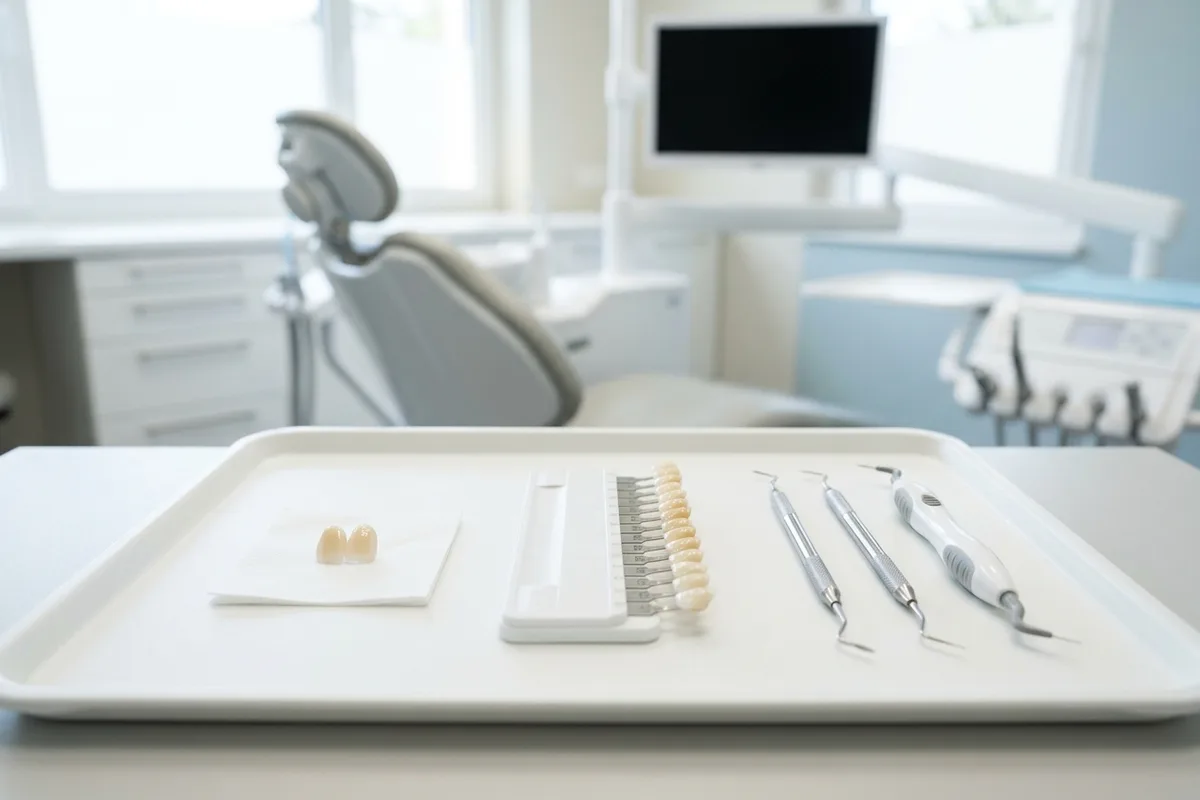
Explore the top cosmetic dentistry treatments to fix chips, gaps, and tooth stains. Compare how whitening, composite bonding, and porcelain veneers improve your daily smile while considering your oral health.
The Options at a Glance (Fast List)
Every smile is unique, so there is no single best cosmetic dentistry choice for everyone. The right care depends on the health of your teeth and your personal goals. Some people want to lift yellow stains, while others need to repair chipped edges or close small gaps. Working with your dentist helps you find the treatment that protects your teeth while giving you a bright smile.[5]
- In-office teeth whitening: best for fast stain removal on discolored teeth
- Composite dental bonding: best for minor chips, cracks, and small gaps
- Porcelain veneers: best for deep stains and uneven tooth shapes
- Porcelain inlays and onlays: best for teeth with large old fillings or cavities
Side by Side: All the Options
This table outlines the main treatments side by side to help you compare their steps, timing, and best uses.
| Treatment | What It Involves | Time Needed | Best For |
|---|---|---|---|
| In-Office Whitening[3] | Applying peroxide gel under a protective gum shield | One visit | Yellow stains from food and aging |
| Composite Bonding[5] | Shaping tooth-colored resin directly onto the tooth | Single appointment | Small chips, cracks, and gaps |
| Porcelain Veneers[1][5] | Trimming enamel, taking scans, and bonding custom shells | Two visits | Deep stains, chips, and uneven shapes |
| Porcelain Inlays and Onlays[5] | Fitting custom porcelain pieces within or over tooth cusps | Two visits | Large cavities and replacing old metal fillings |
How We Compared the Options
We compared these cosmetic options across three key clinical areas. First, we looked at how each treatment affects natural tooth enamel. Second, we reviewed the amount of time needed in the dental chair. Finally, we checked how long each material resists stains and daily wear. These factors help you choose care that keeps your mouth healthy for years to come.[1][5]
In-Office Teeth Whitening: Best for Fast Stain Removal
In-office bleaching uses hydrogen peroxide gels to break stain molecules into smaller pieces. Your dentist applies a protective shield over your gums before brushing on the gel. Strong gels with 30% to 35% peroxide lift stubborn stains much faster than home kits. Best for people who want quick results for yellow teeth caused by food, drinks, or aging.[2][3]
Pros of In-Office Whitening
- Lightens yellow teeth in just one dental visit
- Protects gums with a rubber shield or barrier gel during treatment
- Uses stronger peroxide levels than store-bought kits for faster results
Cons of In-Office Whitening
- Does not lighten existing dental crowns, veneers, or fillings
- Can cause temporary tooth sensitivity when peroxide touches the inner tooth layer (dentin)
- Does not work well on gray-toned teeth or stains from nerve damage
Composite Dental Bonding: Best for Minor Chips and Small Gaps
Composite bonding uses tooth-colored resin shaped directly onto your tooth surface. Your dentist sculpts the material to cover chips, fill cracks, or hide stains. Modern nanocomposites contain tiny particles that help the resin bond strongly and hold a smooth polish. Best for anyone needing a quick, simple fix for small chips or minor front tooth spacing.[1][2][5]
Pros of Composite Bonding
- Completed in a single visit without requiring lab work
- Keeps your natural tooth enamel mostly intact
- Uses modern resin particles that resist fractures and polish well
Cons of Composite Bonding
- Stains and wears down more easily than porcelain coverings
- Requires avoiding dark drinks and smoking for 48 hours after placement
- May need repairs over time if it chips or loosens
Porcelain Veneers: Best for Deep Stains and Uneven Teeth
Porcelain veneers are thin shells crafted in a lab and bonded to the front of teeth. Placing them takes two visits because your dentist trims a small layer of enamel and takes impressions. High-strength ceramic shells as thin as 0.4 millimeters can reshape uneven teeth while resisting stains. Best for people with deep stains, chips, or spacing that whitening cannot fix.[1][2][5]
Pros of Porcelain Veneers
- Provide durable front surfaces that resist daily stains
- Cover severe dark stains that do not respond to bleaching gels
- Can reshape misshapen or spaced teeth with shells as thin as 0.4 millimeters
Cons of Porcelain Veneers
- Cannot be undone because your dentist must trim away some natural enamel
- Carry failure rates between 14% and 33% from bonding errors or bite issues
- Rarely qualify for dental insurance coverage
Porcelain Inlays and Onlays: Best for Teeth with Large Old Fillings
Porcelain inlays and onlays are custom pieces that repair teeth. Inlays fit inside the cusps of a tooth, while onlays extend over one or more cusp tips. They offer a natural look when you need to replace old metal fillings or fix large areas of decay.[5]
Pros of Inlays and Onlays
- Blend naturally with your tooth color to replace old metal fillings
- Repair large cavities while protecting healthy tooth structure
- Fit precisely within or over tooth cusps using durable dental porcelain
Cons of Inlays and Onlays
- Require custom lab fabrication across multiple appointments
- Need good oral hygiene because decay can still form around the margins
- Cost more than simple direct resin fillings
How to Choose
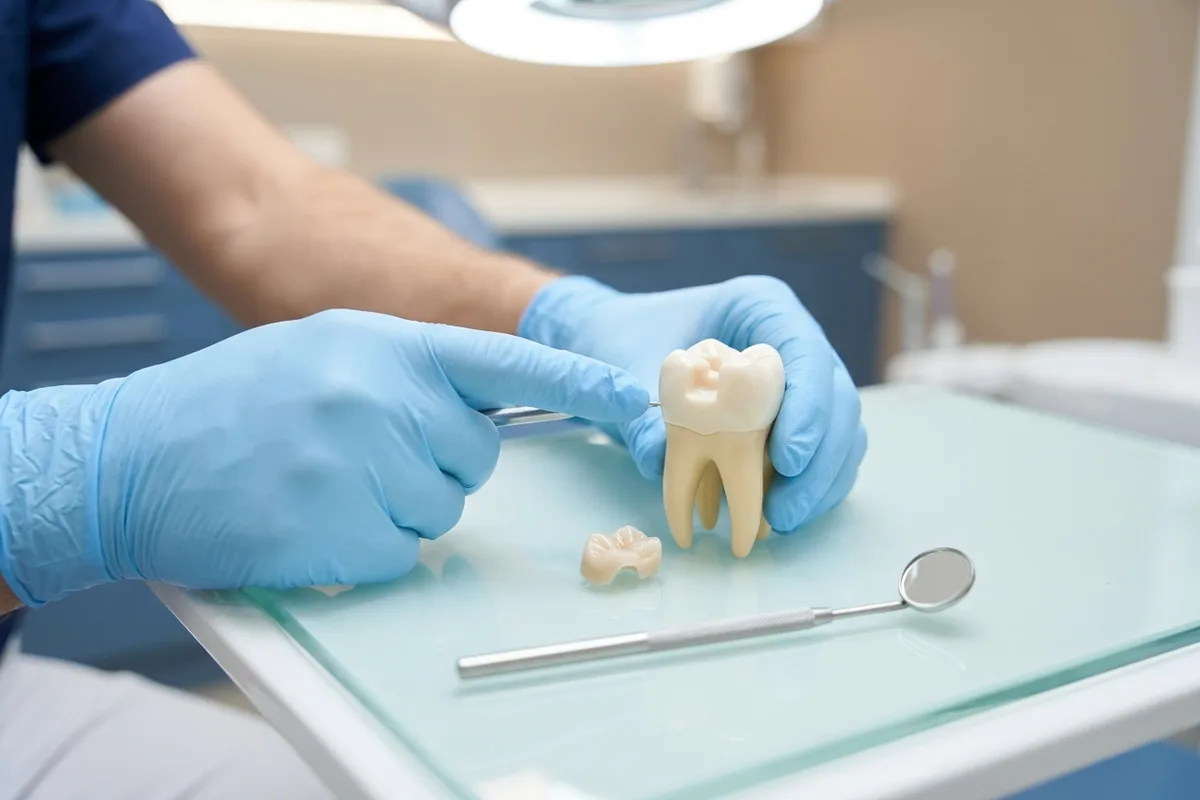
Choosing among cosmetic dentistry treatments begins with a thorough checkup. Your dentist must treat any active tooth decay or gum disease first, because covering sick teeth causes greater harm. If you want a full smile makeover, your dentist can plan treatments that balance beauty and function. At Happy Smiles at Columbia, you can talk through your goals with Dr. Qilin Xu.[1][5]
Options That Suit Fewer People
Certain cosmetic treatments serve specific dental needs rather than general tooth repairs.
Gum Contouring for Uneven Gumlines
Gum contouring reshapes the gumline using a scalpel or dental laser. This procedure helps people with gummy smiles where more than 3 millimeters of gum tissue shows. Using diode lasers allows your clinician greater precision, less bleeding, and faster healing. It suits people who want to balance their gumline but does not treat tooth surface damage.[2]
Dental Implants for Missing Teeth
Dental implants replace missing teeth with artificial roots placed into the jaw. They have a 90% to 95% success rate, but require surgical placement and healing time. Potential risks include infection, nerve injury, sinus issues, and rare titanium allergies. This care suits people missing teeth rather than those who only want to change tooth color or shape.[2]
What to Avoid with Cosmetic Dentistry
Protecting your smile means avoiding habits and choices that damage cosmetic dental work. You should avoid biting fingernails and chewing on hard objects or foods. Never allow unlicensed individuals to place veneers, because that carries potential risks of infection, nerve damage, and placing coverings over unhealthy teeth. In addition, avoid overusing store-bought bleaching kits, as too much peroxide harms natural tooth enamel.[1][3]
Sources
- Veneers — American Dental Association
- Recent advances in cosmetic dentistry: A review — pmc.ncbi.nlm.nih.gov
- Teeth Whitening — American Dental Association
- The Use of Preparation Guides in Porcelain Veneers — cde.dental.upenn.edu
- Cosmetic Dentistry — dental.columbia.edu
Common questions
Frequently asked questions
Questions about your own smile?
Schedule a visit with Dr. Qilin Xu at Happy Smiles at Columbia in Columbia, PA. Call 717-684-4666 during our office hours to discuss your smile goals and find the right cosmetic care for you.
More Articles
View all Dental care
How to Get Rid of Tonsil Stones (Step-by-Step)
Tonsil stones are small, harmless buildups in the back of your throat. Learn how to get rid of tonsil stones safely at home and when to ask your dentist for help.November 3, 2026 · 6 min read Dental care
Dental Implant vs Dental Bridge: Which Is Better for You?
Replacing a missing tooth protects your bite, keeps nearby teeth in line, and supports your jawbone. Learn how implants and bridges compare so you can choose with confidence.October 28, 2026 · 8 min read Dental care