
Mercury Free Dentist Columbia PA: Dental Fillings Without Amalgam
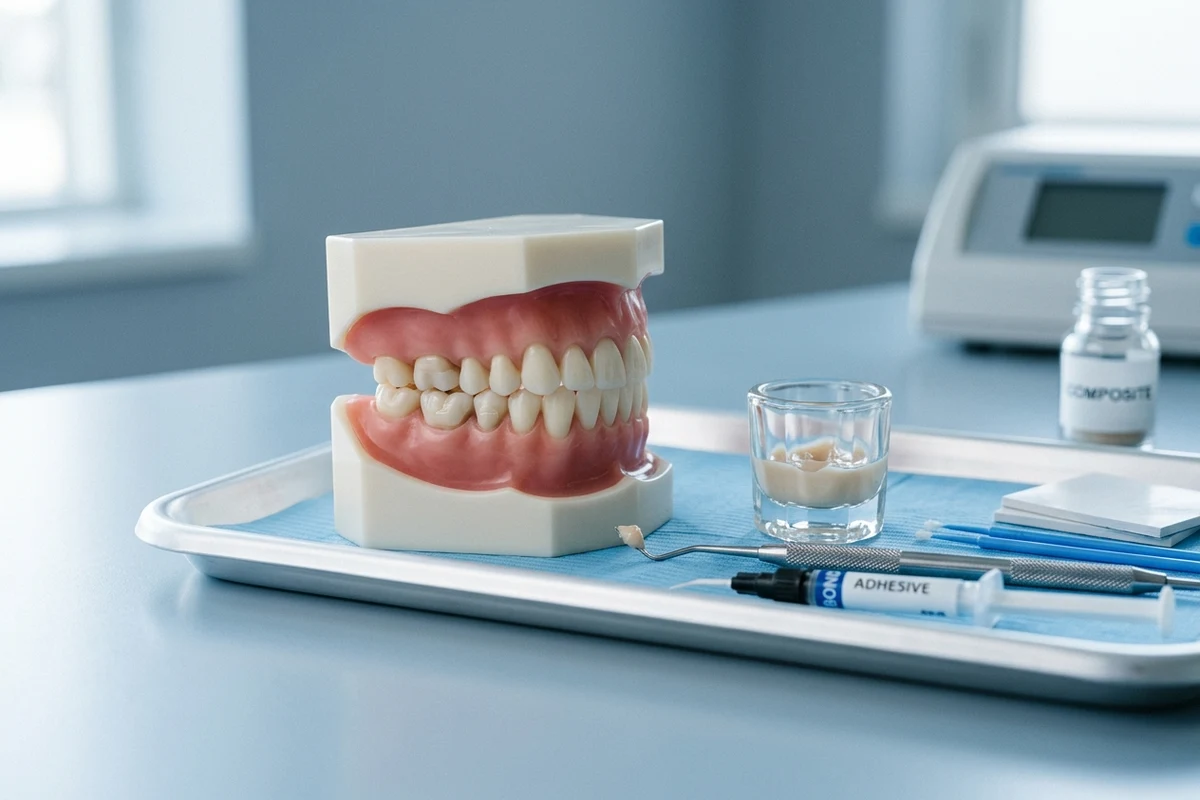
Patients searching for a mercury free dentist Columbia PA can explore modern restorative treatments, including resin composite fillings that match natural tooth shades while addressing clinical needs, personal preferences, and federal safety recommendations.
Understanding Mercury-Free Dental Care
Modern dental care offers patients diverse restorative materials when repairing structural damage caused by tooth decay. Choosing a practice focused on non-mercury options connects patients with tooth-preserving resin materials that replace traditional metal mixtures while restoring everyday oral function and appearance.[1][2]
Composition of Restorative Materials
Traditional dental amalgam consists of roughly fifty percent elemental mercury by weight, bound with a powder alloy of silver, tin, and copper. In contrast, modern composite resin materials contain plastic resin and finely ground glass particles, allowing an amalgam free dentist to rebuild damaged teeth without placing elemental metal compounds.[1][2]
How Dental Fillings Restore Teeth
Dental fillings treat cavities caused by bacterial decay and repair minor tooth fractures. When bacteria erode protective enamel, a filling seals the void to prevent deeper bacterial invasion into the inner dental pulp. Contemporary resin restorations bond directly to natural enamel, providing structural integrity while maintaining the appearance of natural teeth.[1][2]
Candidacy and Restorative Decision Factors
While regulatory authorities recognize dental amalgam as durable for the general population, specific health guidelines help determine when non-mercury materials are advisable. Understanding clinical recommendations and individual health profiles allows patients to make informed decisions about their restorative dental options.[1][3]
Federal Guidance for High-Risk Populations
The Food and Drug Administration advises non-mercury alternatives whenever possible for certain groups vulnerable to potential mercury vapor effects. Clinical evaluations consider life stages, medical background, and known material sensitivities before placing any restorative material to ensure maximum safety and comfort during routine dental procedures.[1]
- Pregnant women, nursing mothers, and women planning pregnancy
- Children under six years of age
- Individuals with pre-existing kidney disease or neurological conditions
- Patients with confirmed allergies or sensitivities to mercury alloys
Material Biocompatibility and Personal Choices
Patients frequently consult a materials conscious dentist to avoid metal restorations due to personal wellness philosophies or known chemical allergies. Modern dentistry prioritizes biocompatible alternatives that interact gently with oral tissues, empowering individuals to choose restorative materials that match their health priorities while maintaining effective protection against recurrent bacterial decay.[1][2]
Signs and Symptoms of Tooth Decay
Identifying dental decay early helps preserve healthy tooth structure before complications reach the inner dental pulp. Recognizing common physical sensations and visible changes enables patients to schedule professional evaluations before minor cavitations require more extensive restorative or endodontic interventions.[2]
Recognizing Enamel Breakdown
Enamel breakdown often triggers noticeable sensitivity when consuming sweet, hot, or cold foods and drinks, as well as localized discomfort when chewing. Visible signs may include dark spots, enamel pitting, or rough chipping. However, early caries frequently produces no noticeable symptoms, highlighting the importance of regular examinations.[2]
Professional Clinical Evaluation Process
Dentists use diagnostic assessments to examine tooth surfaces, evaluate existing restorations, and determine whether a filling is necessary. These evaluations detect demineralization beneath enamel surfaces, guiding personalized treatment planning that emphasizes conservative tooth preparation and long-term oral health.[2][3]
Diagnostic Assessments and Material Selection
During a clinical examination, the dentist inspects tooth margins, checks structural integrity, and reviews dental radiographs to identify hidden decay between teeth. The practitioner evaluates bite forces, aesthetic priorities, and lesion depth before discussing whether a direct composite resin or an indirect ceramic restoration best fits the clinical situation.[1][2]
Restorative Options and Material Tradeoffs
Modern dental practices offer several tooth-preserving alternatives to traditional silver amalgam. Each restorative option presents specific advantages regarding aesthetic appearance, physical strength, and placement requirements, helping patients select materials that fulfill both mechanical demands and personal aesthetic expectations.[1][2]
Resin Composites and Direct Restorations
Direct metal free fillings utilize resin composite materials composed of specialized polymers and silica particles that bond directly to natural tooth structures. This adhesive bond supports the remaining enamel walls, allowing the dentist to preserve more natural tooth structure than required when preparing teeth for mechanical amalgam retention.[1][2]
Glass Ionomers and Ceramic Options
Beyond standard composites, tooth colored fillings can incorporate glass ionomer cements that release fluoride to protect vulnerable margins along the gumline. For extensive structural breakdown, indirect ceramic or porcelain onlays offer superior resistance against heavy chewing pressures, providing durable tooth reinforcement without using any metallic alloys.[1][2]

What Happens During Treatment
Receiving a tooth-colored filling involves a precise, multi-step process designed to remove decay and rebuild lost enamel. Dental teams focus on patient comfort and exact moisture control to ensure optimal adhesive bonding between the restorative resin and natural tooth tissues.[2]
Decay Removal and Tooth Preparation
The procedure begins with local anesthesia to numb the area, followed by careful removal of decayed enamel. Placing mercury free restorations requires meticulous moisture isolation, as saliva interferes with adhesive bonding. The practitioner cleans the cavity preparation thoroughly, preparing the microscopic enamel and dentin pores for restorative adhesion.[2]
Layering, Curing, and Bite Adjustment
The dentist applies a conditioning agent and bonding liquid, followed by composite resin placed in precise layers. A specialized blue curing light hardens each increment within seconds. After building the natural anatomical contours, the dentist refines the restoration, verifies the patient's bite alignment, and polishes the surface smooth.[2]
Recovery and Long-Term Maintenance
Following filling placement, patients can resume normal routines quickly with proper daily care. Maintaining excellent oral hygiene and attending scheduled preventive visits protects the restoration margins from recurrent decay, supporting the longevity and functionality of tooth-colored dental restorations.[2]
Managing Immediate Post-Treatment Sensations
Mild sensitivity to temperature or chewing pressure may occur for several days following filling placement as the tooth nerve recovers. Patients should chew cautiously while numbness subsides to avoid biting lips or cheeks. If sensitivity persists or the bite feels uneven when chewing, a quick dental adjustment can resolve it.[2]
Preventive Habits for Restoration Longevity
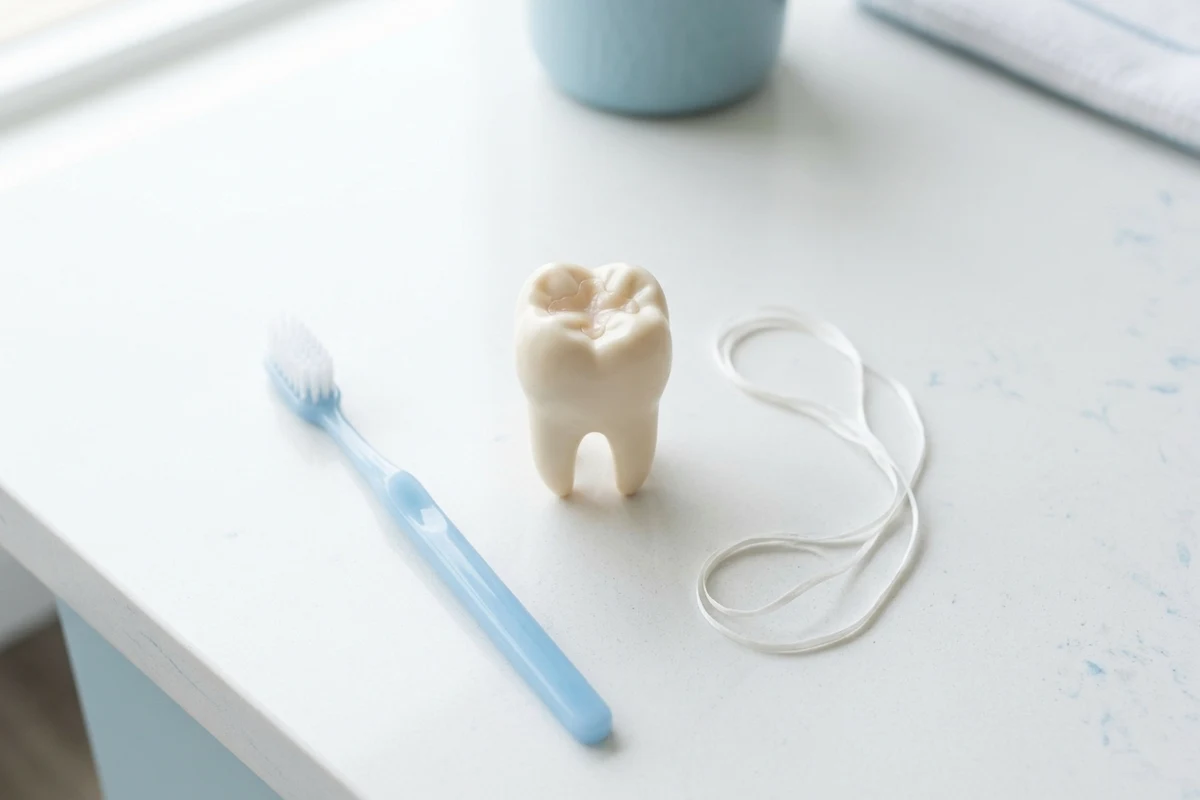
Maximizing restoration longevity requires brushing twice daily with fluoride toothpaste, cleaning between teeth daily with floss, and limiting sweet foods that feed cavity-causing bacteria. Regular dental checkups allow the clinician to examine restoration margins and remove hardened plaque before new decay can threaten the underlying tooth structure.[2]
Existing Fillings and Next Steps
Patients often wonder whether existing silver fillings should be replaced with tooth-colored alternatives. Health authorities provide clear guidance regarding intact restorations, emphasizing conservative care that avoids unnecessary tooth trauma while helping patients plan future restorative treatment safely.[1][3]
FDA Recommendations on Amalgam Removal
The FDA and ADA advise against removing sound, undamaged amalgam fillings simply to replace them with composite resin. Drilling out intact amalgam temporarily releases mercury vapor and removes healthy tooth structure. Replacement is clinically appropriate only when recurrent decay develops beneath the filling or if structural failure occurs.[1][3]
Sources
- fda.gov — U.S. Food and Drug Administration
- mouthhealthy.org — American Dental Association
- ada.org — American Dental Association
Common questions
Frequently asked questions
Plan your visit with Happy Smiles at Columbia
To learn more about restorative treatment options or discuss your personal material preferences, request an appointment at Happy Smiles at Columbia. Our team is here to answer your questions and support your oral health.
More Articles
View all Preventive Dentistry
Dentist for Anxious Patients Columbia PA: Calmer Routine Exams & Cleaning
Seeking a dentist for anxious patients Columbia PA helps individuals receive gentle routine exams and cleanings. Supportive clinical teams adapt pacing, offer calming techniques, and eliminate fear-based delays to maintain long-term oral wellness.September 30, 2026 · 6 min read Preventive Dentistry
Dentist During Pregnancy Columbia PA: Routine Exams & Cleaning Safely
Seeing a dentist during pregnancy Columbia PA ensures essential preventive care remains on track. Routine exams, gentle cleanings, and diagnostic imaging safeguard oral health and maternal wellness throughout every trimester of pregnancy.September 29, 2026 · 6 min read Restorative Dentistry