
Minimally Invasive Dentist Columbia PA: Dental Fillings That Preserve More Tooth
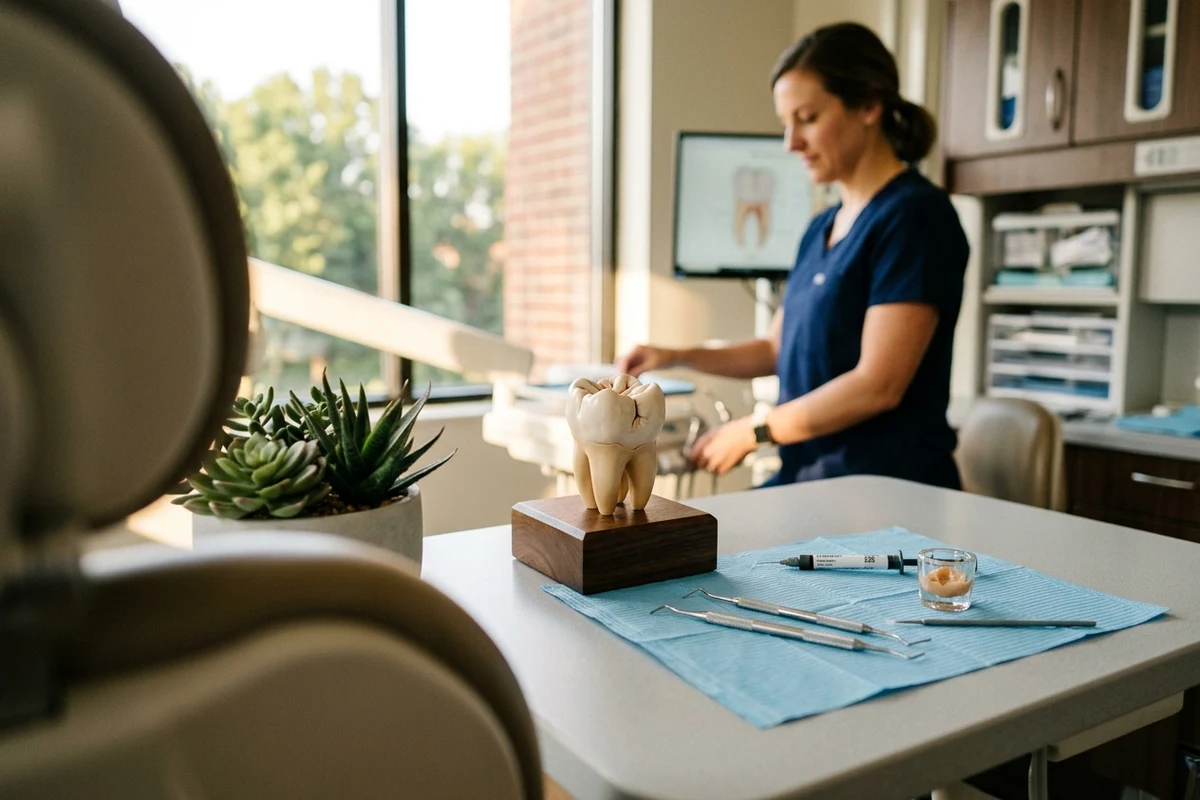
Seeking a minimally invasive dentist Columbia PA helps patients preserve healthy enamel and dentin. Modern conservative techniques arrest early tooth decay, support pulp vitality, and utilize bonded restorations instead of aggressive drilling.
Understanding minimally invasive restorative care
Minimally invasive dentistry shifts dental care away from surgical tooth removal toward biological preservation. Rather than cutting away sound enamel to fit rigid restorative materials, clinicians focus on halting decay early and keeping as much original tooth structure intact as possible.[1][3]
The principles of conservative dentistry
Practicing conservative dentistry means addressing bacterial activity before irreversible damage occurs. Tooth decay develops when oral bacteria metabolize sugars into acids, leaching minerals from enamel. By emphasizing early remineralization and targeted interventions, clinicians manage disease progression while maintaining the biological integrity of the tooth.[2][3]
How tooth preservation guides dental fillings
When structural breakdown requires a restoration, a tooth preserving dentist focuses on removing only infected, non-remineralizable tissue. Traditional restorations relied on widening cavities for mechanical retention. In contrast, modern conservative methods rely on adhesive bonding, allowing clinicians to place restorations without sacrificing unaffected enamel or dentin.[1][3]
Biological factors behind tooth preservation decisions
Treatment decisions depend on lesion depth, bacterial activity, and the proximity of decay to the dental pulp. Understanding these biological variables allows clinicians to choose conservative non-restorative therapies or minimal surgical intervention instead of broad structural excavation.[1][2]
The demineralization and remineralization balance
Enamel constantly exchanges minerals with saliva. When dietary carbohydrates feed bacterial biofilm, acid production prompts demineralization. If mineral loss outpaces saliva-driven repair, structural breakdown occurs. Evaluating whether a lesion is actively demineralizing or capable of remineralization determines whether a physical filling is necessary.[2]
Protecting the dental pulp
The dental pulp contains vital blood vessels and nerves at the center of the tooth. Aggressive excavation near this zone increases the likelihood of nerve exposure, complications, or root canal therapy. Selecting conservative interventions cushions the pulp and maintains internal vitality whenever possible.[1][3]
Signs of decay and timing for evaluation
Recognizing early changes in tooth structure ensures timely, conservative treatment before cavitation deepens. Early stages rarely cause pain, making regular examinations essential for detecting subtle surface demineralization before irreversible damage requires conventional restorative intervention.[1][2]
Recognizing non-cavitated and cavitated changes
Early enamel demineralization often presents as chalky white spots along the gumline or grooves without physical holes. If decay advances into cavitation, patients may notice visible dark pits, food catching between teeth, or mild sensitivity to cold or sweets, signaling that conservative restoration is necessary.[2][3]
Professional clinical assessment and diagnostic planning
A thorough examination distinguishes active, softening lesions from arrested, hardened surfaces. Clinicians assess individual caries risk, tissue hardness, and lesion depth using visual-tactile methods and radiographs to design a treatment plan that avoids unnecessary tooth preparation.[1][3]
Evaluating lesion activity and structural depth
Clinicians examine whether enamel is intact or physically broken and whether underlying dentin is soft or firm. A biomimetic dentist evaluates these structural boundaries to determine whether non-surgical remineralization, micro-invasive sealing, or conservative composite placement will achieve the most biologically sound outcome.[1][3]
Conservative treatment options and alternatives
Modern care offers multiple pathways ranging from non-restorative therapies to direct restorations. Choosing the least invasive option depends on whether the surface has cavitated and how deeply the lesion extends into dentin.[1][3]
Non-restorative and micro-invasive therapies
Surface lesions without physical cavitation often respond to non-invasive treatments. High-concentration topical fluoride varnish or 5,000 ppm toothpaste aids natural remineralization. Resin infiltration and pit-and-fissure sealants physically block bacterial nutrients, while topical 38% silver diamine fluoride can arrest active decay on susceptible surfaces.[1][2]
Adhesive restorative materials
When cavities require structural replacement, tooth colored fillings bond directly to enamel and dentin. Composite resins offer durability while preserving intact tooth walls. Glass ionomer cements chemically adhere and release fluoride, serving effectively in root cavities or as interim therapeutic restorations in pediatric care.[1][3]
The conservative filling procedure
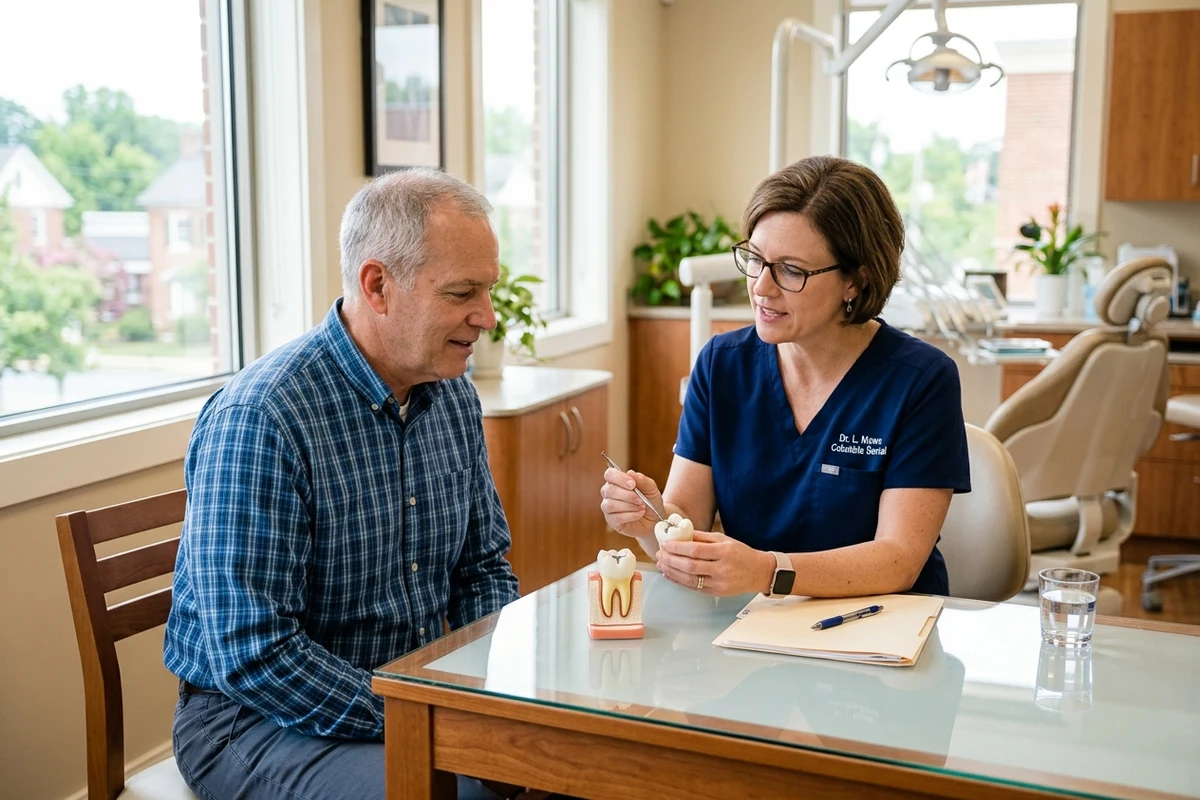
Undergoing a conservative restoration involves precise, tissue-sparing steps designed to preserve natural anatomy. By focusing exclusively on non-remineralizable decay, clinicians avoid the aggressive tooth cutting associated with historical restorative dental procedures.[1][3]
Selective decay removal
Instead of clearing all discolored tissue down to bare dentin, selective caries removal targets only infected, necrotic layers. Firmer, affected dentin adjacent to the pulp is deliberately left intact. This careful approach prevents unnecessary nerve exposure while creating an optimal, clean perimeter for strong adhesive sealing.[1][3]
Layering and finishing natural looking fillings
After preparing the perimeter, the clinician cleans the site and places an adhesive bonding agent. Layers of composite resin are applied and cured with a specialized light. The clinician sculpts and polishes natural looking fillings to match your bite and mirror natural tooth contours.[3]
Recovery, home maintenance, and restoration longevity
Recovery after conservative dental treatment is typically mild and brief. Because minimal healthy tissue is removed and nerve trauma is limited, post-procedure discomfort remains uncommon, though mild sensitivity to temperature can occasionally occur.[1][3]
Everyday habits to support tooth preservation
Long-term success depends on daily oral hygiene that prevents new bacterial acid attacks. Consistent biofilm disruption and regular fluoride exposure protect both natural tooth surfaces and restorative margins from secondary decay over time.[1][2][3]
- Brush twice daily using an enamel-strengthening fluoride toothpaste.
- Clean between teeth daily with floss to disrupt interproximal plaque biofilm.
- Limit frequent snacking on fermentable carbohydrates and acidic beverages.
- Schedule routine professional recall visits to monitor restoration margins and arrested lesions.
Monitoring and maintaining treated teeth
Minimally invasive dentistry requires periodic professional surveillance to ensure restorations remain intact and non-cavitated lesions remain arrested. Clinicians check composite borders for marginal integrity and confirm that areas treated with therapeutic agents like silver diamine fluoride remain firm and inactive.[1][3]
Clinical limitations and next steps
While conservative techniques preserve valuable structure, severe structural breakdown or irreversible pulpal disease may require broader restorative coverage. Consulting with a dental professional ensures your treatment plan aligns with your tooth's specific biological condition.[1][3]
Recognizing treatment limits and long-term planning
Non-invasive and selective methods have specific boundaries. Silver diamine fluoride visibly darkens arrested decay, and extensively damaged teeth may need full crowns rather than direct fillings. Working with your dental clinician allows you to select the least invasive, longest-lasting solution for your oral health.[1][3]
Sources
Common questions
Frequently asked questions
Plan your visit with Happy Smiles at Columbia
Contact Happy Smiles at Columbia to request an appointment and explore personalized, conservative treatment options. Our team is happy to discuss how tooth-preserving care can support your oral health.
More Articles
View all Preventive Dentistry
Mandarin Speaking Dentist Lancaster PA: Routine Exams & Cleaning in Chinese
Searching for a Mandarin speaking dentist Lancaster PA connects patients to essential routine preventive dental care, protected communication rights, and qualified language assistance under federal standards for comprehensive oral examinations and cleanings.September 16, 2026 · 6 min read Preventive Dentistry
Dentist Columbia PA: Routine Exams & Cleaning for Every Age
Scheduling regular visits with a dentist Columbia PA helps protect your oral health through diagnostic exams, professional calculus removal, and personalized preventive care designed for children and adults alike.September 16, 2026 · 5 min read Restorative Dentistry