Is Hydrogen Peroxide Mouthwash Safe? Proper Use and Precautions
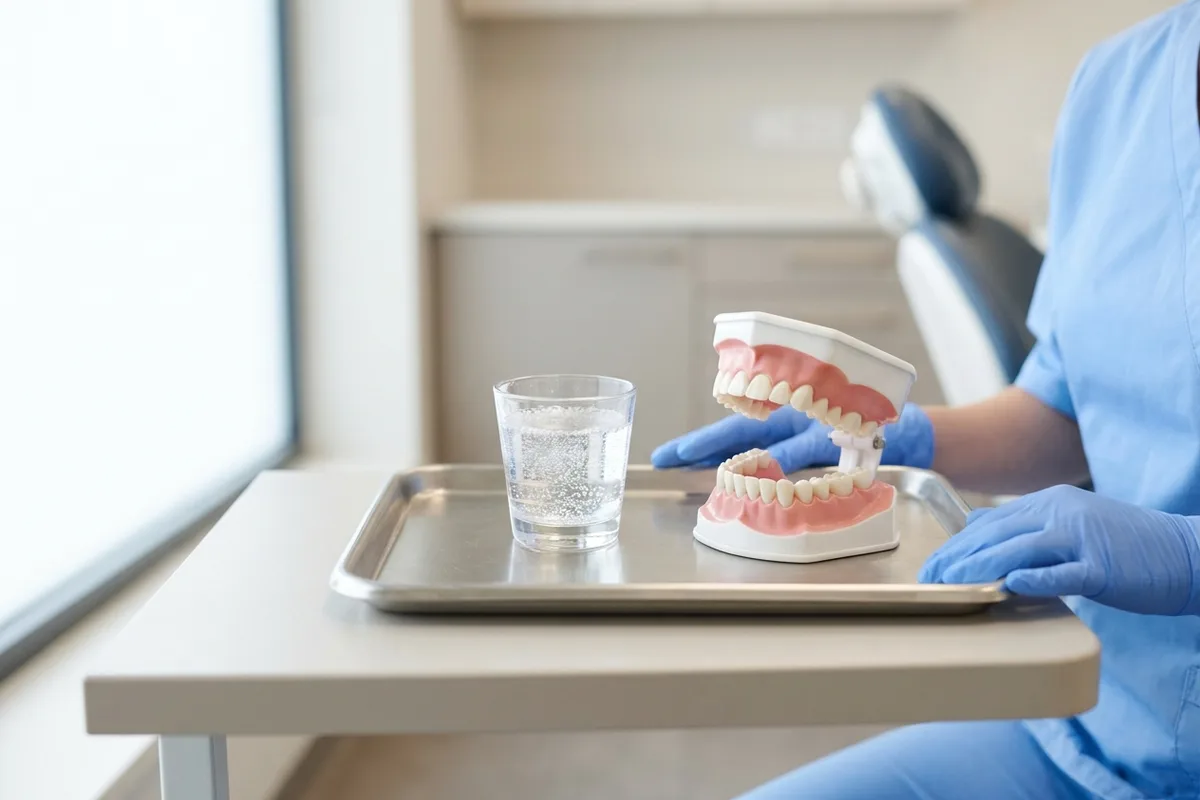
A low-concentration hydrogen peroxide mouthwash is generally safe for short-term oral cleansing or whitening when used correctly, but swallowing it or using high concentrations can cause serious health complications.
What Is Hydrogen Peroxide Mouthwash? (Quick Definition)
A hydrogen peroxide mouthwash is an oral rinse containing diluted hydrogen peroxide designed to cleanse superficial oral wounds and help brighten tooth enamel. Household peroxide sold in stores typically contains a 3% concentration, while commercial oral formulas usually range from 1.5% to 2% peroxide. When you swish the liquid, your oral tissues naturally break it down into simple water and oxygen gas bubbles.
This bubbling action helps physically loosen food particles, clean around dental work, and remove debris from minor mouth injuries. Rinsing with these solutions provides temporary topical cleansing, but it never replaces routine daily brushing and flossing.[1][2][3][4]
Cleansing Minor Oral Irritations
A 1.5% hydrogen peroxide rinse is formally approved for temporary use to cleanse canker sores, small cuts, and gum irritation caused by dental work, orthodontic braces, or dentures. The released oxygen creates a mechanical bubbling that washes out irritated areas. However, because prolonged exposure can irritate the lining of your mouth, it should not be used as an ongoing daily wash without a dentist's recommendation.[3][4]
Cosmetic Surface Whitening
Many over-the-counter whitening rinses incorporate hydrogen peroxide at mild levels between 1.5% and 2% to lighten surface discoloration. In one clinical trial, people using a 1.5% hydrogen peroxide rinse were eight times more likely to show tooth whitening than those using an inactive rinse. Using this mouthwash for 12 weeks provides tooth color improvements similar to two weeks of wearing a 10% carbamide peroxide whitening gel.[1]
Key Safety Factors and Concentration Risks
Determining whether an oral rinse is safe depends heavily on the chemical strength of the solution and how carefully you handle it. While dilute solutions are generally nontoxic, stronger industrial or cosmetic mixtures can cause immediate and severe harm to your mouth and digestive system.[2][4]
Why Concentration Levels Matter
Typical household products contain a 3% concentration that is relatively harmless upon brief contact, but hair bleaching products exceed 6% and industrial formulas exceed 10%. At concentrations above 10%, hydrogen peroxide burns and corrodes skin, eyes, and mucous membranes. Swallowing high concentrations can cause serious internal chemical burns, severe stomach swelling, and dangerous tearing in the digestive tract.[2][4]
The Danger of Swallowing Peroxide
You should never swallow an oral peroxide rinse because even dilute solutions can irritate the lining of your stomach. When swallowed, peroxide rapidly releases oxygen gas in the digestive tract, which can trigger stomach fullness, pain, vomiting, and diarrhea. If large amounts of gas are freed, gas bubbles can rarely enter blood vessels and block blood circulation.[3][4]
Signs and Timing for Professional Evaluation
You should not use a hydrogen peroxide mouth rinse for longer than seven days unless your dentist or doctor specifically instructs you to continue. If your mouth soreness does not improve after a full week, stop rinsing and seek professional care promptly.
You should also schedule a dental exam if you develop new swelling, a bodily rash, or a fever during use. In addition, if you notice persistent stinging, prolonged gum tenderness, or tissue whitening that does not resolve, your dentist can examine your mouth to prevent further irritation.[3][5]
How Your Dentist Evaluates Oral Sores
When you visit for an evaluation of persistent gum irritation or mouth sores, your dentist will examine the affected oral tissues to identify the root cause of your discomfort. Rather than relying on home rinses to mask persistent symptoms, a clinical examination determines whether your pain stems from an ill-fitting denture, sharp braces, a deep infection, or a localized ulcer.
Your dentist also verifies whether over-the-counter rinses have caused mild surface tissue changes or irritation. From there, your dentist can suggest tailored care, prescribe targeted therapies, or advise you on whether continued use of an antiseptic wash is appropriate.[3][5]
Choosing Safe Rinsing Options and Alternatives
If you want to use a rinse for oral hygiene, you can choose between formulated commercial products and other standard oral care solutions. Selecting a tested formula helps protect your gums from unintended chemical irritation.[1][3]
Commercial Products Versus Home Dilution
Commercial rinses provide pre-measured 1.5% peroxide formulas designed specifically for the mouth, removing the guesswork of mixing. When choosing an over-the-counter rinse, look for the American Dental Association Seal of Acceptance. This seal confirms that the manufacturer provided rigorous scientific data demonstrating the product is safe and effective when used as directed.[1][3]
Age Restrictions and Pediatric Safety
Peroxide rinses require strict precautions around younger family members. Children under six years of age should never use mouthwash unless specifically instructed by a dentist, because young children have uncoordinated swallowing reflexes and may ingest large volumes. Children between six and twelve years old must always be supervised during rinsing to ensure they spit out the liquid completely.[1][3]
How to Use Hydrogen Peroxide Rinse Safely
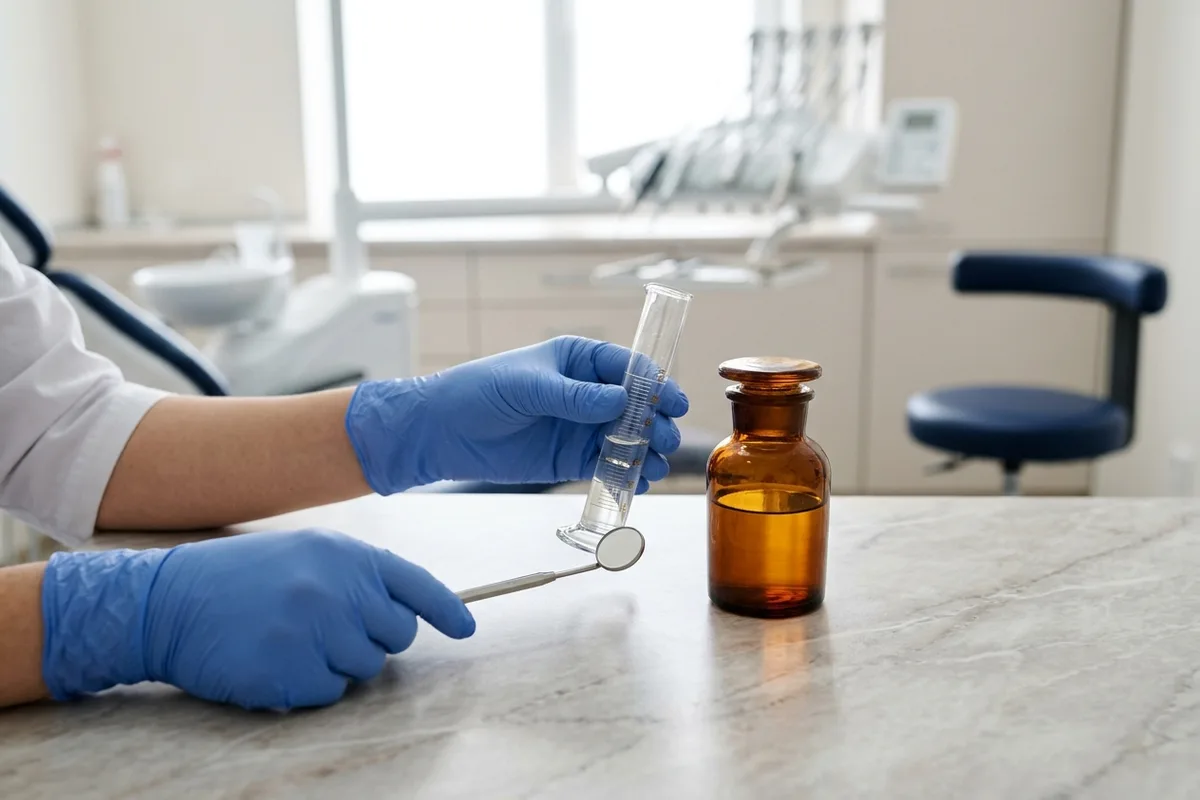
Using an oral rinse properly ensures that you gain its cleansing benefits without causing accidental irritation to your mouth or stomach.[3]
Correct Rinsing Technique
For adults and children 12 years and older, measure about two teaspoons of a 1.5% rinse, swish the liquid thoroughly over the affected areas for at least one minute, and then spit it completely out into the sink. Never swallow the solution.[3]
Daily Frequency and Usage Limits
You may use this oral wash up to four times each day, ideally after meals and right before going to sleep, or follow the specific schedule recommended by your healthcare provider. Remember to discontinue rinsing once your irritation clears or after seven days have passed, whichever comes first.[3]
Tissue Recovery and Everyday Oral Care
Hydrogen peroxide rinses are short-term aids rather than long-term hygiene staples. Protecting your oral health over time requires standard daily habits and an understanding of how your body handles oxidizers.[1][4][5]
Natural Breakdown in the Body
Because your body's tissues naturally break down hydrogen peroxide very quickly into water and oxygen, it is unlikely to lead to chronic, long-term poisoning from brief exposure. Furthermore, leading cancer research organizations have determined that hydrogen peroxide cannot be classified as causing cancer in humans.[4][5]
Maintaining Everyday Oral Health
No mouthwash can substitute for twice-daily toothbrushing and routine dental flossing to remove plaque and prevent decay. If you have questions about which products best suit your teeth, talk with Dr. Qilin Xu during a regular checkup at Happy Smiles at Columbia.[1]
Potential Complications and Your Next Step
While low-strength commercial formulas are generally harmless, prolonged direct contact can trigger stinging sensations and temporary whitening of soft tissues. Inhaling strong vapors can irritate your throat and lungs, while overexposure may lead to dizziness, headache, or nausea.
If you experience ongoing irritation or have questions about safe cosmetic whitening, consulting your dental team is the best next step. You can discuss your oral care goals with Dr. Qilin Xu at Happy Smiles at Columbia to ensure your teeth and gums stay healthy.[2][5]
Sources
- Mouthrinse (Mouthwash) — American Dental Association
- Hydrogen peroxide poisoning — medlineplus.gov
- CLOSYS- hydrogen peroxide rinse — dailymed.nlm.nih.gov
- Hydrogen Peroxide — wwwn.cdc.gov
- Hazardous Substance Fact Sheet: Hydrogen Peroxide — nj.gov
Common questions
Frequently asked questions
Questions about your own smile?
Contact Happy Smiles at Columbia at 717-684-4666 to request an appointment and talk through any questions about mouth rinses or your oral hygiene routine.
More Articles
View all Dental care
The Complete Guide to Wisdom Teeth Removal
Wisdom teeth removal helps protect your smile from crowding, decay, and infection. Learn how the surgery works, how to heal well at home, and what foods to eat.November 5, 2026 · 8 min read Dental care
The Best Cosmetic Dentistry Treatments, Compared
Explore the top cosmetic dentistry treatments to fix chips, gaps, and tooth stains. Compare how whitening, composite bonding, and porcelain veneers improve your daily smile while considering your oral health.November 4, 2026 · 6 min read Dental care