Sleep Apnea Dentist Columbia PA: Oral Appliances and Routine Exams & Cleaning
When consulting a sleep apnea dentist Columbia PA residents often start with routine exams and cleanings. Clinicians evaluate airway health, screen for oral signs of obstruction, and coordinate care with medical sleep physicians.
Identifying Airway Health During Routine Exams
Routine dental exams and cleanings offer an essential opportunity to identify early indicators of obstructive sleep apnea. Dentists inspect soft tissues, jaw structure, and teeth during routine prophylaxis, noticing physiological changes that suggest nighttime breathing difficulties before severe systemic complications emerge.[1][2]
The Preventive Role of Routine Dental Visits
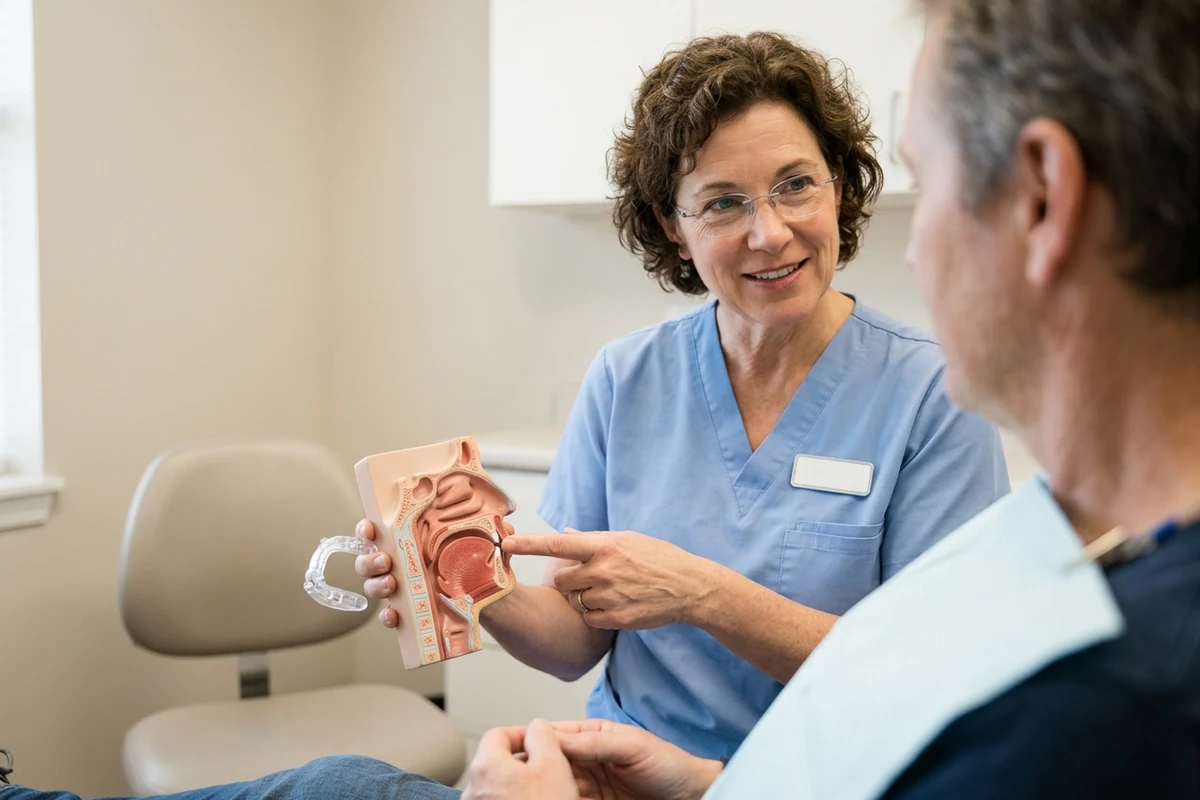
During regular cleanings, dental professionals examine oral anatomy beyond cavities and gum health. By assessing the tongue, soft palate, and throat opening, clinicians identify anatomical narrowing that compromises airflow. Documenting these physical indicators provides a baseline for patient conversations regarding sleep quality, daytime alertness, and airway stability.[1][2]
Collaboration Between Dentists and Sleep Physicians
Dentists do not diagnose sleep-related breathing disorders independently. Instead, practitioners of dental sleep medicine work alongside board-certified sleep physicians. When a dental examination reveals airway concerns, the dentist refers the patient for formal medical sleep testing, ensuring any subsequent oral therapy aligns with a physician-supervised treatment plan.[1][3]
Anatomical and Oral Risk Factors for Airway Obstruction
Obstructive sleep apnea occurs when pharyngeal tissues collapse during sleep, causing transient oxygen drops and frequent awakenings. Dentists look for recognizable structural traits and wear patterns during checkups that indicate whether a patient faces heightened risk for airway obstruction.[1][2][3]
Soft Tissue and Craniofacial Indicators
Specific anatomical configurations restrict upper airway dimensions during sleep. Clinicians check for a crowded oropharynx, an enlarged tongue displaying scalloped edges from pressing against teeth, an elongated uvula, or a high-arched palate. Furthermore, a receding lower jaw, known as retrognathia, naturally narrows posterior breathing space when resting recumbent.[1][2]
Tooth Wear and Related Oral Conditions
Nocturnal tooth grinding, or bruxism, frequently accompanies airway obstruction as the jaw clenches to reopen restricted passages. Dentists observe flattened biting surfaces, cracked enamel, abfractions, and sore jaw muscles during exams. Chronic mouth breathing also leads to xerostomia, or persistent dry mouth, accelerating inflammation of the gums.[1][2]
Recognizing Signs That Merit Professional Sleep Evaluation
Patients frequently dismiss daytime tiredness or snoring as benign habits until clinical checkups connect them to oral health changes. Identifying these signs promptly helps prevent long-term cardiovascular stress and untreated chronic fatigue associated with obstructive breathing patterns.[1][3]
When to Discuss Sleep Concerns with a Dental Team
Individuals should discuss sleep habits during recall appointments if they experience disruptive snoring, morning headaches, dry mouth upon waking, or persistent daytime exhaustion. Bed partners often report gasping sounds or pauses in breathing. Discussing these symptoms allows the dental team to document airway metrics and recommend a physician evaluation.[1][3]
- Frequent morning headaches or jaw muscle stiffness upon waking
- Chronic loud snoring or choking sensations witnessed by bed partners
- Excessive daytime sleepiness impacting focus, work, or driving safety
Dental Airway and Oral Screening Protocols
Dental evaluations for sleep-disordered breathing follow systematic screening protocols integrated into comprehensive checkups. Clinicians systematically assess soft tissue spacing, jaw joint mechanics, and medical histories without offering an independent medical diagnosis of sleep apnea.[1][2]
Clinical Assessment and Airway Scoring Tools
During chairside exams, clinicians apply standardized scoring systems like the Mallampati or Friedman scale to gauge airway visibility. They inspect temporomandibular joint mobility, measure jaw range of motion, and evaluate medical histories for conditions like hypertension. Validated questionnaires further quantify daytime sleepiness to guide an appropriate medical sleep physician referral.[1][2]
Evidence-Based Oral Appliance Therapy and Alternatives
When a sleep physician diagnoses obstructive sleep apnea, treatment depends on severity and patient tolerance. Qualified dentists provide custom oral appliances as primary or secondary therapies, offering effective non-surgical alternatives to continuous positive airway pressure machines.[1][3]
Custom Mandibular Repositioning Devices
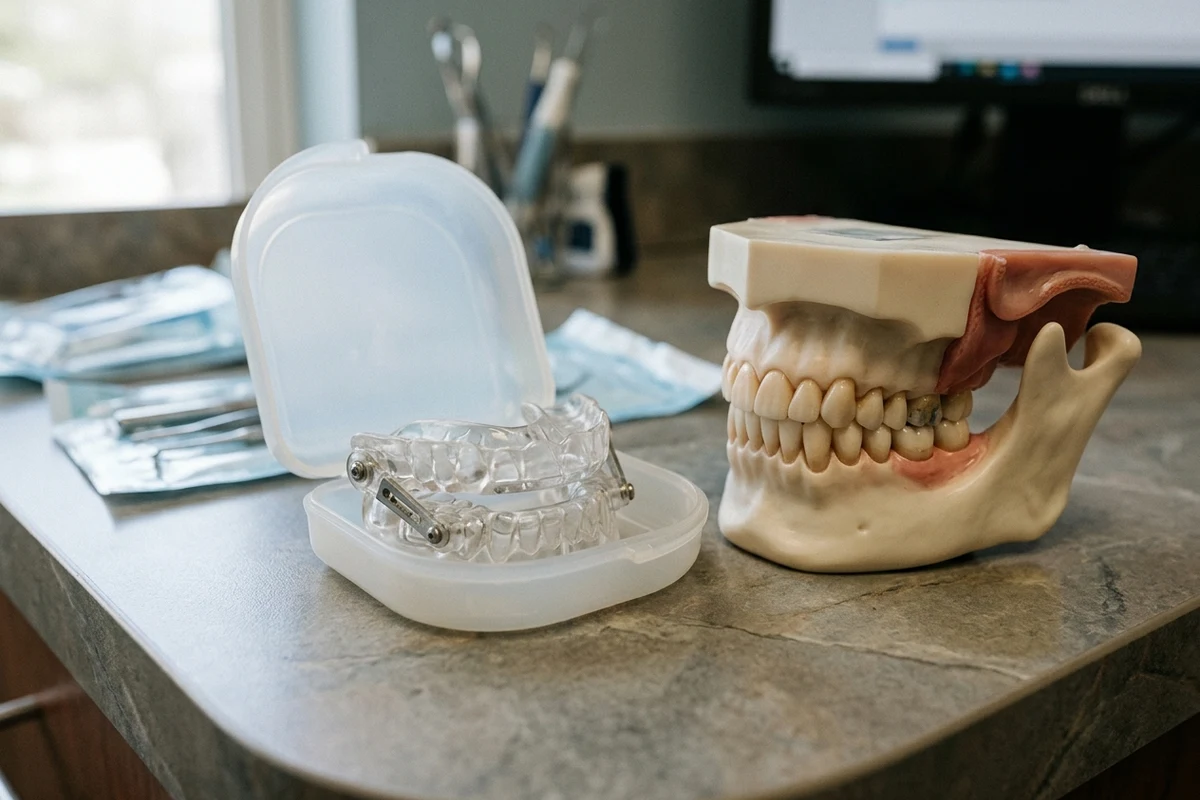
A custom oral appliance for sleep apnea, known as a mandibular advancement device, fits over dental arches to hold the lower jaw gently forward. This repositioning stabilizes the tongue base and prevents soft tissue collapse in mild-to-moderate cases, serving as a comfortable sleep apnea mouthpiece when individuals cannot tolerate CPAP.[1][3]
Solutions for Primary Snoring and Over-the-Counter Risks
For individuals diagnosed with uncomplicated snoring rather than apnea, a custom snoring appliance maintains open airways without continuous air pressure. Guidelines strongly caution against over-the-counter boil-and-bite devices, as non-custom mouthpieces fit loosely, cannot be adjusted accurately, and can cause unpredictable tooth movement or jaw joint pain.[1]
The Oral Appliance Fitting and Adjustment Process
Fabricating and delivering an oral appliance requires careful planning and coordination between the dentist and physician. Treatment progresses through structured phases to ensure precise fit, comfortable jaw positioning, and measurable therapeutic relief from airway blockage.[1][3]
Impressions, Bite Registration, and Device Delivery
The process begins with detailed dental impressions or digital scans alongside precise bite registrations that record the jaw's ideal forward posture. An accredited dental laboratory then crafts the custom device. At delivery, the dentist inspects the fit, checks tissue contact, and instructs the patient on device insertion and care.[1]
Device Titration and Physician Follow-Up
Oral appliances require gradual advancement, known as titration, to find the balance between airway opening and jaw comfort. Over several weeks, the dentist makes millimeter adjustments. Once symptoms subside, the sleep physician conducts follow-up sleep testing to verify that airway collapse and oxygen desaturations are clinically resolved.[1][3]
Device Maintenance and Preventive Recall Care
Long-term success with dental sleep therapies requires routine maintenance, good hygiene, and regular dental oversight. Consistent preventive cleanings protect natural teeth and gums, ensuring supporting structures remain healthy enough to sustain device use for years.[1]
Daily Appliance Hygiene and Device Care
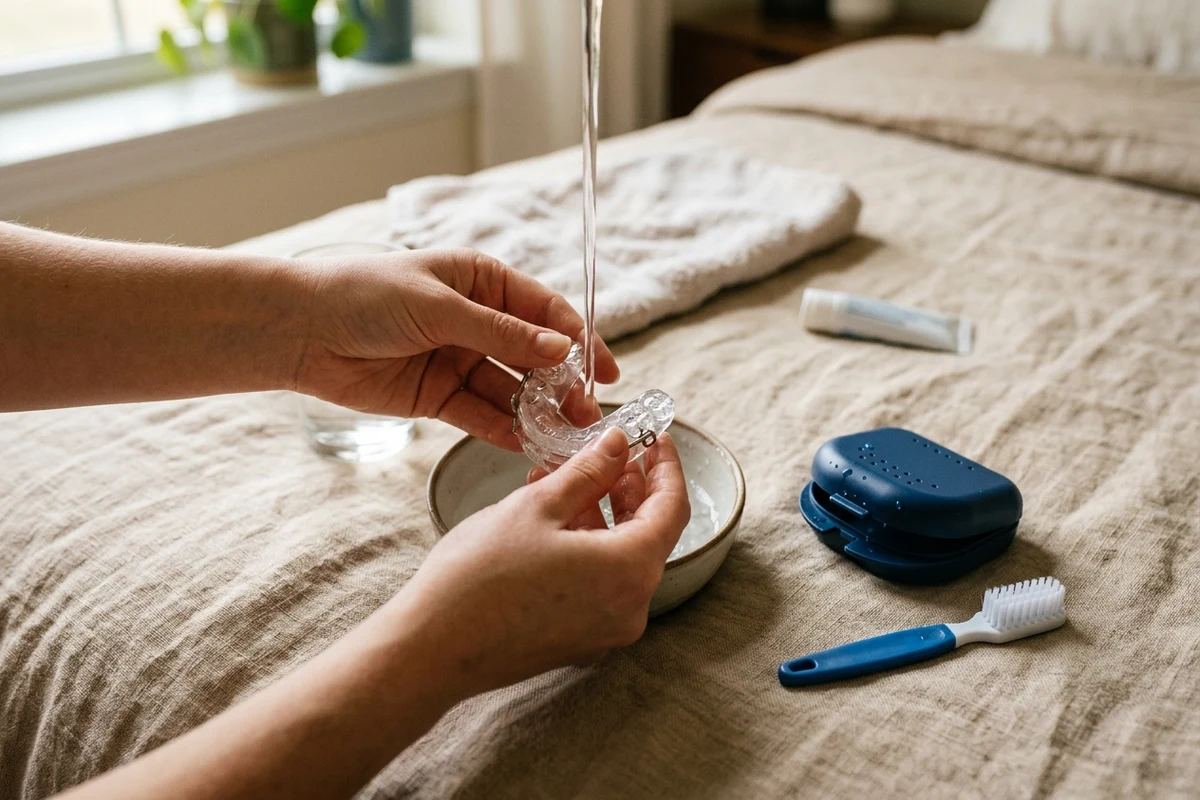
Patients must clean custom oral devices each morning using designated non-abrasive cleaners, cool water, and a soft brush. Thorough cleaning prevents bacterial accumulation, plaque deposition, and fungal growth such as oral candidiasis. Storing the appliance in a ventilated protective case ensures it remains clean and structurally intact between nightly uses.[1]
Semiannual Cleanings and Occlusal Checks
Patients using oral devices should attend routine cleanings and exams every six months. During these visits, the dentist checks tooth alignment, monitors dental arches for unwanted shifts, verifies periodontal health, and evaluates the device for wear. Healthy gums and stable teeth are necessary for continued, safe appliance therapy.[1]
Managing Limitations and Taking the Next Step
Oral appliances effectively treat many breathing disorders, but they present specific limitations and potential side effects. Regular professional supervision helps manage risks like transient tooth tenderness or slight bite shifts, ensuring treatment remains safe and effective over time.[1][3]
Treatment Limitations and Navigating Treatment Decisions
Side effects can include temporary morning bite changes, tooth discomfort, or mild jaw muscle stiffness. Severe sleep apnea often requires CPAP as first-line therapy, though appliances assist when CPAP fails. The next step involves scheduling a comprehensive routine dental examination to discuss airway symptoms and coordinate diagnostic testing with a physician.[1][3]
Sources
Common questions
Frequently asked questions
Plan your visit with Happy Smiles at Columbia
Schedule a comprehensive routine exam and cleaning at Happy Smiles at Columbia to discuss your oral health, address persistent snoring, and explore personalized airway screening options with our dental team.
More Articles
View all Restorative Dentistry
Mercury Free Dentist Columbia PA: Dental Fillings Without Amalgam
Patients searching for a mercury free dentist Columbia PA can explore modern restorative treatments, including resin composite fillings that match natural tooth shades while addressing clinical needs, personal preferences, and federal safety recommendations.October 1, 2026 · 6 min read Preventive Dentistry
Dentist for Anxious Patients Columbia PA: Calmer Routine Exams & Cleaning
Seeking a dentist for anxious patients Columbia PA helps individuals receive gentle routine exams and cleanings. Supportive clinical teams adapt pacing, offer calming techniques, and eliminate fear-based delays to maintain long-term oral wellness.September 30, 2026 · 6 min read Preventive Dentistry