
Does Coffee Stain Your Teeth: A Patient Guide to Teeth Whitening
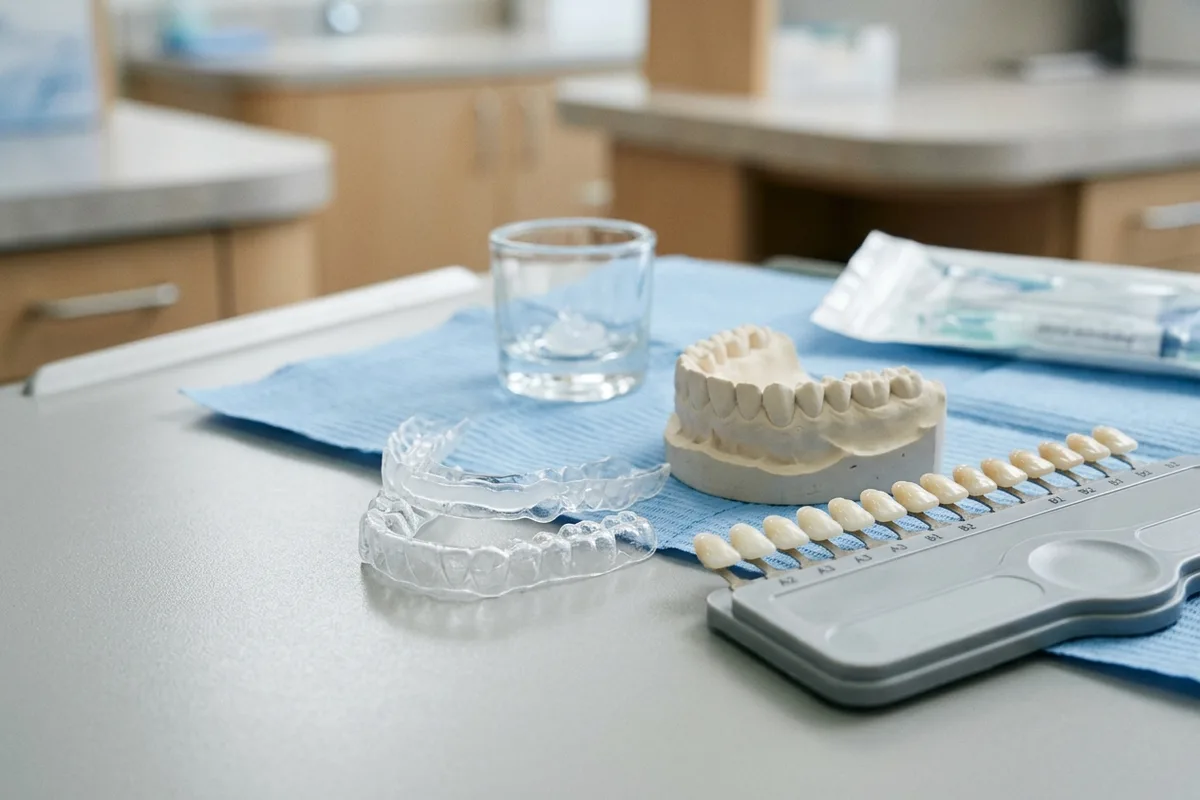
If you wonder, does coffee stain your teeth, the answer is yes. Colored compounds in coffee can build up on enamel. Explore how professional cleanings and teeth whitening treatments help reduce these common surface stains.
Understanding Coffee Stains and Teeth Whitening
Coffee consumption often leads to noticeable discoloration on the outer layer of the teeth. Teeth whitening services specifically target these types of stains to alter the appearance of the enamel.[1][2]
The Role of Chromogens
Coffee contains colored compounds known as chromogens that can attach directly to the tooth enamel. Over time, these compounds accumulate on the surface, creating what dental professionals call extrinsic discoloration. This buildup alters the natural appearance of your smile.[1][2]
Breaking Down Discoloration
Teeth whitening treatments are designed to counteract the accumulation of these colored compounds. By applying specific bleaching agents, these services break the accumulated stains into smaller pieces. This process reduces the concentration of color and helps the natural teeth appear brighter.[1][2]
Factors Influencing Stain Severity and Whitening Candidacy
Several elements determine how quickly coffee stains develop and whether a person is a good candidate for bleaching treatments. Understanding these factors helps in selecting the most appropriate approach for your smile.[1][2]
Frequency and Plaque Buildup
Frequent consumption of pigmented drinks like coffee can exacerbate extrinsic stains on your enamel. Poor oral hygiene can also make extrinsic stains worse.[2][4]
Restorations and Whitening Limits
Whitening treatments only change the color of natural teeth. If a person has dental restorations such as crowns, veneers, or fillings, the bleaching agents will not lighten those materials. This is an important consideration when planning treatment to ensure an even appearance.[1][2]
When to Consider Whitening for Coffee Stains
Recognizing the specific type of discoloration helps determine the right time to seek treatment for a changing smile. Evaluating the discoloration can help guide a discussion of treatment options.[1][2]
Identifying Extrinsic and Intrinsic Changes
Individuals often consider whitening when surface stains from coffee become prominent. However, aging also causes the outer enamel to thin, making the yellowish dentin underneath more visible. This intrinsic change happens inside the tooth and may also respond to bleaching, though individual results will vary.[1][2]
Assessing Discoloration with a Dentist
A thorough dental evaluation is a crucial step before beginning any bleaching regimen to address coffee stains. This assessment guides the overall treatment plan.[2]
Determining Suitability
A dental exam helps determine the specific factors contributing to tooth discoloration and whether whitening is a suitable option for you.[2]
Approaches to Removing Coffee Stains
There are several ways to address tooth discoloration, ranging from mechanical stain removal to various chemical bleaching methods. A dentist can help compare these options.[1][2]
Toothpaste and Professional Cleanings
Mechanical interventions can effectively reduce surface stains caused by coffee. Whitening toothpastes use mild abrasives to scrub away external discoloration. Additionally, professional dental cleanings remove hardened plaque, known as tartar, and polish the enamel to help lift surface stains and support overall oral health.[1][2][4]
Professional and Over-the-Counter Products
For stains that require chemical bleaching, options include in-office treatments, dentist-supervised home trays, and over-the-counter products. Some whitening toothpastes also contain low levels of peroxide to assist in stain removal, offering a range of choices depending on your individual needs and preferences.[1][2]
The Whitening Process and Product Safety
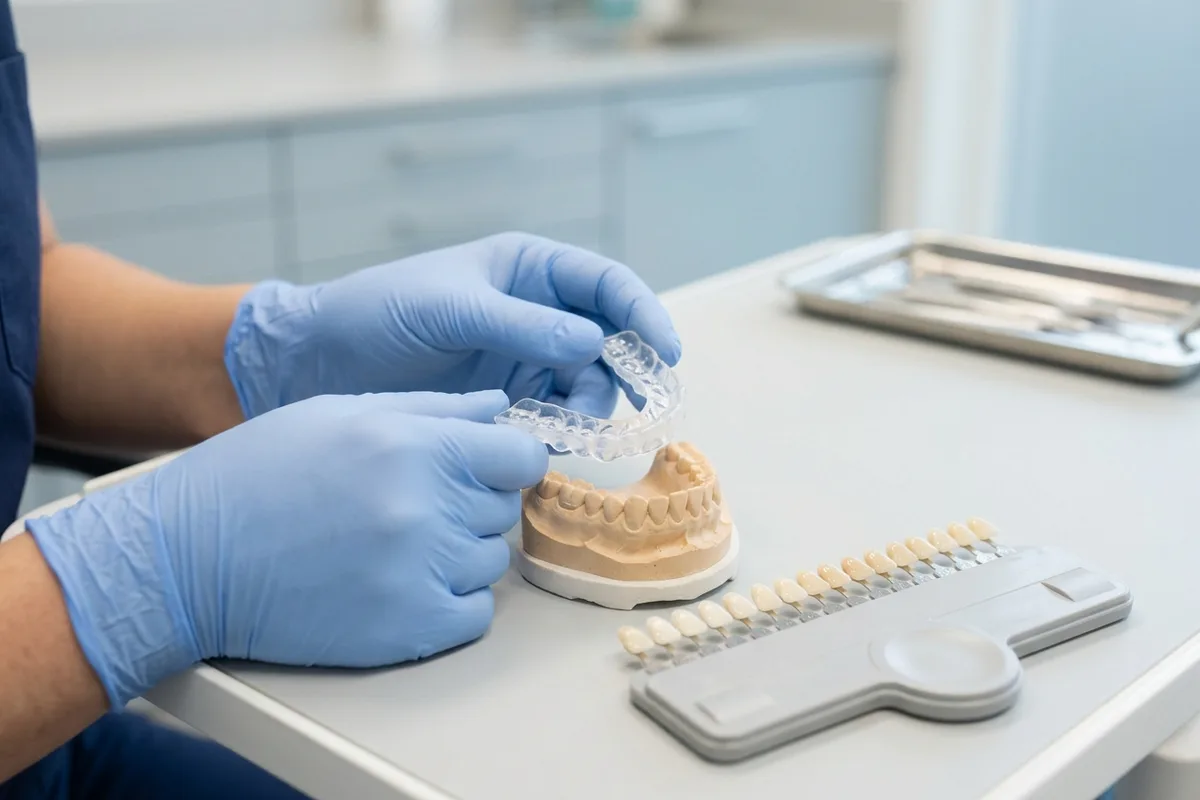
Understanding the mechanism of bleaching and how to select appropriate products can help individuals manage their expectations.[1][2]
How Peroxide Works
Most bleaching products use active ingredients like hydrogen peroxide or carbamide peroxide. When applied to the teeth, the peroxide penetrates the enamel and breaks the colored compounds from coffee into smaller pieces, which effectively lightens the overall appearance of the tooth.[1][2]
The Importance of the ADA Seal
When choosing over-the-counter whitening products or toothpastes, looking for the ADA Seal of Acceptance is highly beneficial. This seal indicates that the product has evidence meeting strict safety and effectiveness requirements when used exactly as directed by the manufacturer.[2]
Managing Side Effects and Supporting Oral Health
After addressing coffee stains, proper oral care helps maintain a healthy mouth. Temporary sensitivity and gum irritation can occur with whitening.[1][2][3][4]
Routine Care and Hydration
To support oral health, brush gently twice daily with fluoride toothpaste and clean between teeth daily. Drinking water can also help wash away cavity-causing bacteria. Limiting added sugars and between-meal snacks further protects the enamel from harmful acid attacks.[3][4]
- Brush twice a day with a fluoride toothpaste.
- Clean between the teeth daily to remove plaque.
- Drink water to help wash away bacteria.
- Visit the dentist regularly for routine exams and cleanings.
Temporary Discomfort
Tooth sensitivity and mild gingival irritation are common side effects of bleaching treatments. These issues are usually mild and temporary. However, products with higher concentrations of peroxide can increase the likelihood and intensity of this sensitivity during the whitening process.[1][2]
Whitening Limitations and Precautions
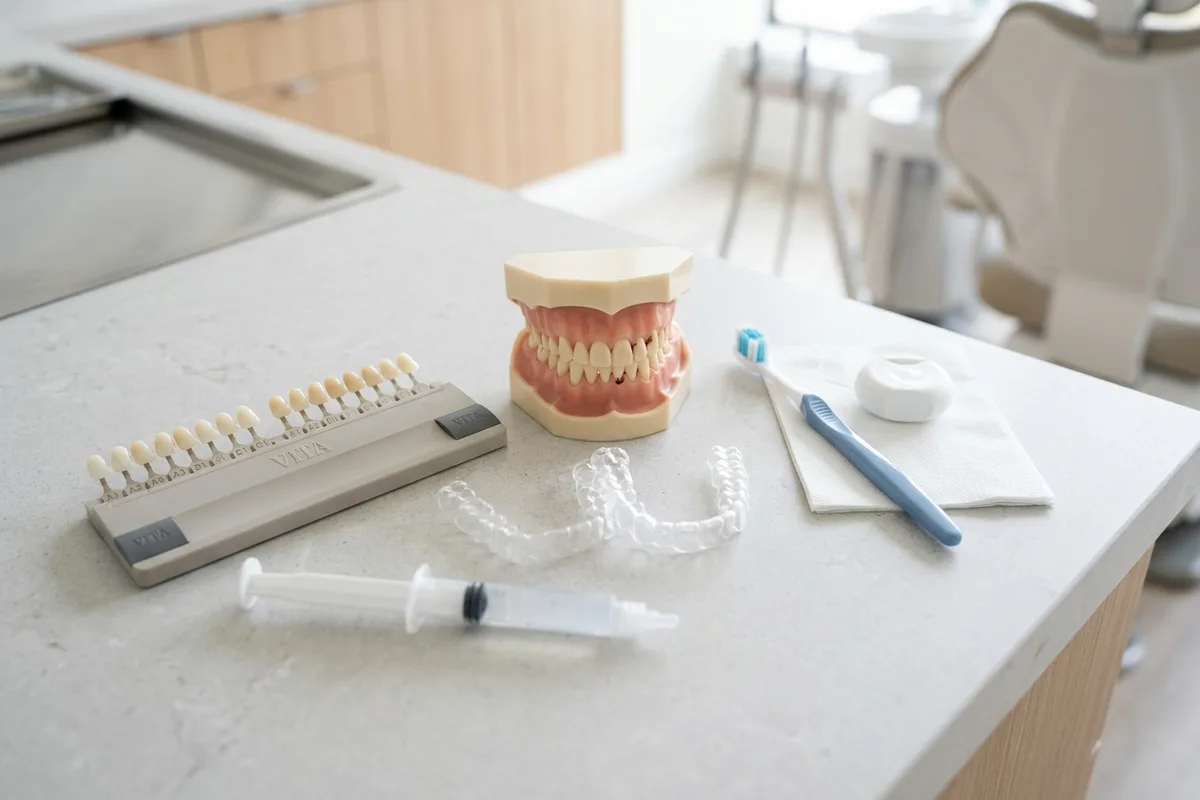
While whitening can effectively reduce coffee stains, it is important to use products safely and understand their limitations to protect your smile.[1][2]
Protecting Enamel and Gums
Overusing whitening products can harm the tooth enamel and irritate the gums. It is crucial to follow all product instructions carefully and consult a dentist to discuss the most appropriate and safe options for your specific type of discoloration.[1][2]
Sources
- Teeth Whitening — American Dental Association
- Whitening — American Dental Association
- Diet and Dental Health — American Dental Association
- Oral Hygiene — National Institute of Dental and Craniofacial Research
Common questions
Frequently asked questions
Talk with Happy Smiles at Columbia about your next step
If you have questions about how coffee affects your smile or want to explore teeth whitening options, schedule an appointment at Happy Smiles at Columbia. Our team is ready to discuss an approach tailored to your needs.
More Articles
View all Preventive & General
How Long After Filling Can I Eat: A Patient Guide to Dental Fillings
After receiving a dental filling, patients often wonder when it is safe to resume eating. Dentists generally advise waiting until numbness wears off before chewing to help protect your mouth.October 12, 2026 · 5 min read Preventive Dentistry
Sleep Apnea Dentist Columbia PA: Oral Appliances and Routine Exams & Cleaning
When consulting a sleep apnea dentist Columbia PA residents often start with routine exams and cleanings. Clinicians evaluate airway health, screen for oral signs of obstruction, and coordinate care with medical sleep physicians.October 2, 2026 · 6 min read Restorative Dentistry