
How Long After Filling Can I Eat: A Patient Guide to Dental Fillings
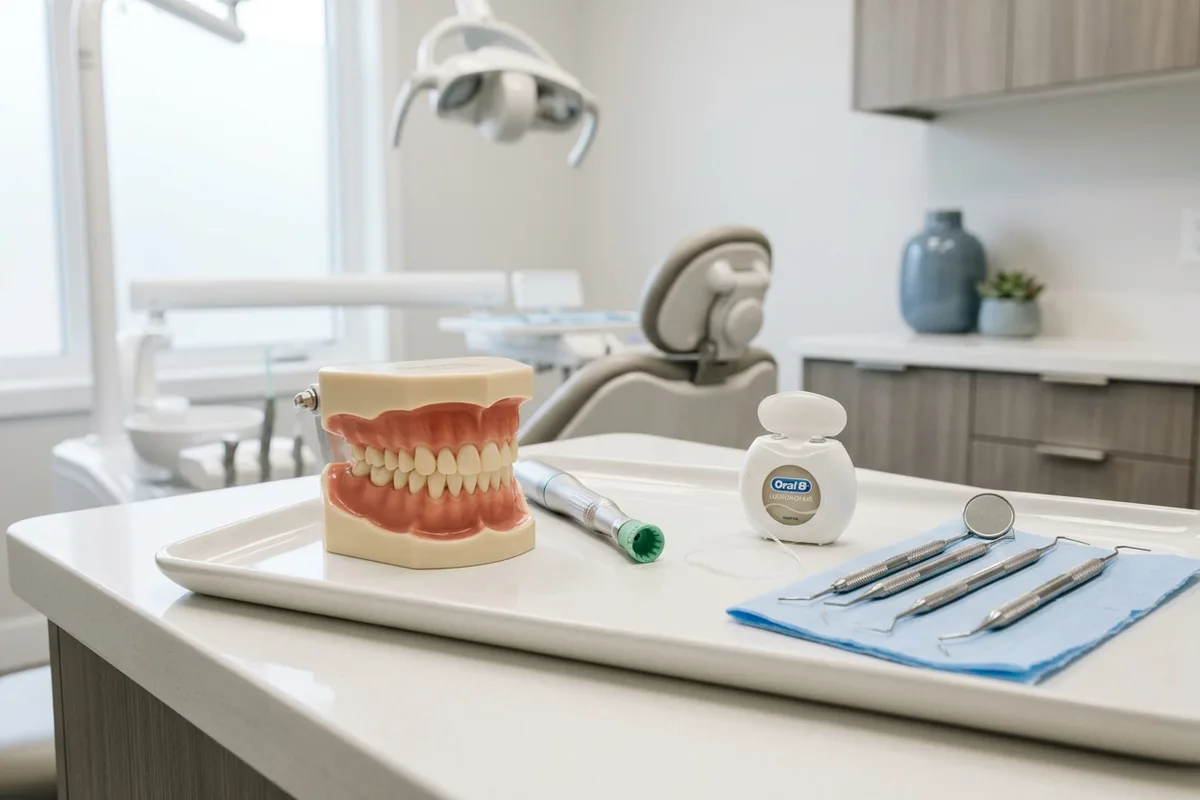
After receiving a dental filling, patients often wonder when it is safe to resume eating. Dentists generally advise waiting until numbness wears off before chewing to help protect your mouth.
Understanding Dental Fillings and Eating Timelines
Knowing how long after a filling you can eat includes waiting for numbness to wear off. Dental fillings repair cavities after decayed tissue is removed, and managing your diet immediately afterward protects your oral tissues.[1][4]
The Role of Local Anesthesia
Local anesthesia blocks pain transmission in a specific area and numbs your tissues during the procedure. You must wait until sensation fully returns before chewing to help avoid biting your cheek or tongue.[3][4]
Repairing the Cavity
A dental filling restores a tooth after the dentist removes the decayed tissue. While the filling material replaces the lost structure, the surrounding tissues may remain numb for a while. Waiting to eat helps avoid accidental cheek or tongue biting while the area is desensitized.[1][4]
Discussing Your Treatment Options
During your visit, you can discuss the anesthetic approach and filling material with your dentist.[2][3]
Anesthetic Selection Criteria
Dentists select an approach to medication for dental treatment based on the specific procedure, your general health, any allergies, and your anxiety levels. After the procedure, you should wait until numbness completely ends before chewing.[3][4]
Material Choices and Hardening
Dental amalgam is a putty-like mixture of metals that rapidly hardens after placement. Material choice is a decision you make with your dentist.[2]
When to Consider a Dental Filling
Untreated tooth decay can progress over time. Fillings repair cavities after decayed tissue is removed, while severely damaged teeth may require crowns.[1][5]
Recognizing Tooth Decay Symptoms
Tooth decay occurs when bacteria create acids from sugars and starches, stripping essential minerals from your enamel. This progressive decay can cause noticeable sensitivity or pain. If an infection develops, it may lead to facial swelling and fever.[5]
How Dentists Assess Tooth Decay
Before determining if a filling is necessary, a dentist must carefully evaluate your oral health. This professional assessment identifies the extent of the decay and helps guide the treatment plan to restore the affected tooth properly.[5]
The Diagnostic Process
Dentists assess the presence and severity of tooth decay through a clinical examination and, when appropriate, dental x-rays.[5]
Comparing Filling Materials
When a cavity requires restoration, you and your dentist will decide on the most appropriate filling material. This decision involves comparing the tradeoffs between different options, considering factors like durability, appearance, and your individual health needs.[1][2]
Tooth-Colored Composite Fillings
Tooth-colored composite fillings are carefully designed to blend in naturally with your existing teeth. Once the local anesthetic completely wears off, composite fillings can generally be chewed on safely.[1][4]
Silver-Colored Amalgam Fillings
Dental amalgam is a highly durable, silver-colored mixture of metals used for restorations. The FDA recommends discussing alternatives if you belong to certain higher-risk groups, but does not recommend removing intact amalgam in good condition solely to prevent illness. Material choice is always a shared decision with your dentist.[1][2]
The Dental Filling Procedure
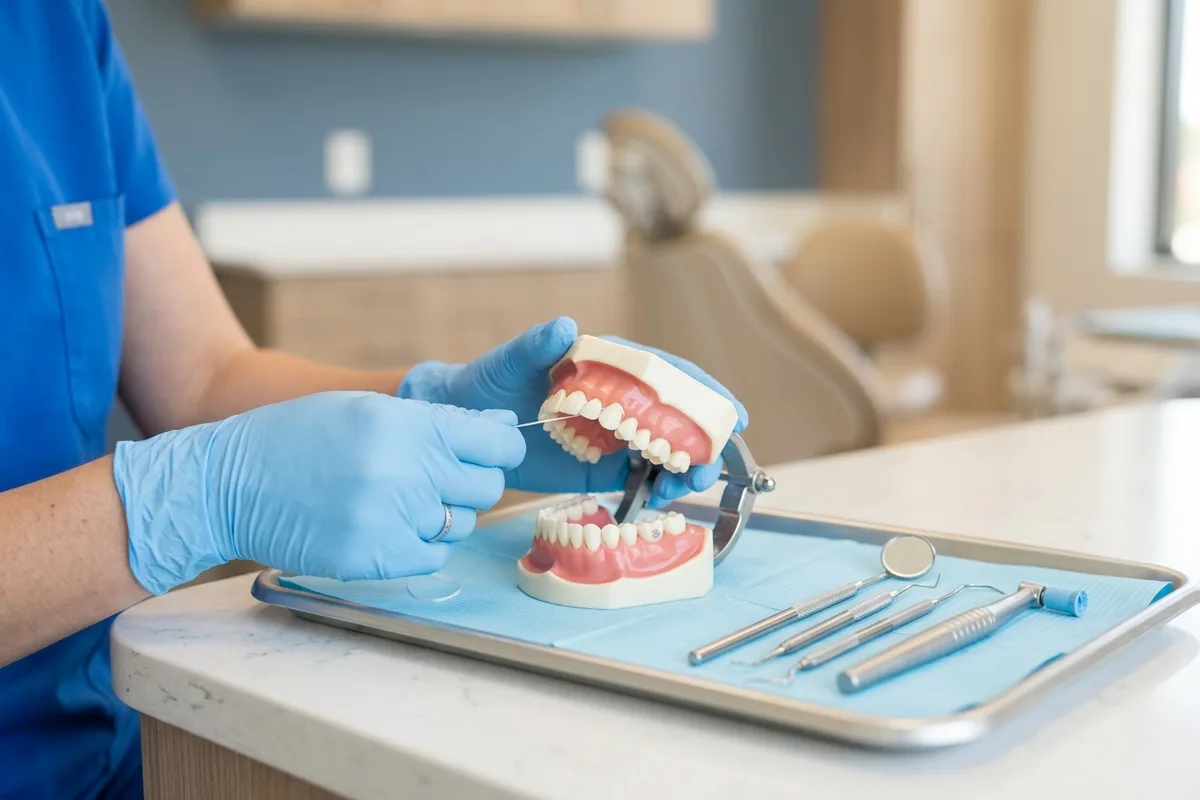
The procedure generally involves numbing the area, removing the decayed tooth structure, and carefully placing the chosen restoration material to seal the cavity.[1][2][3]
Removing Decay and Preparation
After local anesthesia effectively numbs the tissues, the dentist carefully removes the decayed portion of the tooth. Once the decay is fully cleared away, the dentist prepares the cavity space for filling placement.[1][2][3]
Placing and Shaping the Material
Following thorough preparation, the dentist places the chosen filling material into the cavity. If amalgam is used, the dentist shapes the putty-like substance, which then rapidly hardens.[2]
Post-Operative Care and Longevity
Proper aftercare and long-term maintenance are essential for your new filling. Fillings generally do not last a lifetime and may eventually require replacement, but good habits can help maximize their durability and protect your overall oral health.[1][2]
Immediate Aftercare and Diet
You should remain cautious with hot foods and drinks until sensation fully returns to your mouth. Refraining from eating until the numbness completely wears off helps avoid biting your cheek or tongue. Some temporary discomfort or cold and pressure sensitivity may occur shortly after the procedure is finished.[4]
Long-Term Prevention and Maintenance
The long-term durability of any dental filling depends in part on your daily hygiene, diet, and regular dental checkups. To help prevent future decay around the new filling and on your other teeth, you should maintain a highly consistent and effective daily oral care routine at home.[2][5]
- Brush twice daily with a fluoride toothpaste.
- Clean between your teeth regularly.
- Limit your intake of sugary or starchy snacks.
- Attend regular professional dental checkups.
Managing Post-Filling Sensitivities
While some immediate sensitivity is common after a filling, certain symptoms warrant a follow-up visit. Monitoring how your tooth feels when you bite down or drink cold liquids is important.[4]
When to Contact the Dentist
If your cold or pressure sensitivity persists beyond a few days, you should contact your dentist for an evaluation. Additionally, if your bite feels uneven once the numbness fades, reach out to the dental office because a minor adjustment to the filling may be necessary.[4]
Sources
- Dental Fillings — National Institute of Dental and Craniofacial Research
- Dental Amalgam Fillings — U.S. Food and Drug Administration
- Anesthesia and Sedation — American Dental Association
- Post-Operative Instructions Resource (Fillings, page 12) — excellenceday.pacific.edu
- Tooth Decay — National Institute of Dental and Craniofacial Research
Common questions
Frequently asked questions
Talk with Happy Smiles at Columbia about your next step
If you have questions about dental fillings or need to schedule a routine checkup, contact Happy Smiles at Columbia. Book an appointment today to discuss your oral health needs and learn more about caring for your teeth.
More Articles
View all Preventive Dentistry
Sleep Apnea Dentist Columbia PA: Oral Appliances and Routine Exams & Cleaning
When consulting a sleep apnea dentist Columbia PA residents often start with routine exams and cleanings. Clinicians evaluate airway health, screen for oral signs of obstruction, and coordinate care with medical sleep physicians.October 2, 2026 · 6 min read Restorative Dentistry
Mercury Free Dentist Columbia PA: Dental Fillings Without Amalgam
Patients searching for a mercury free dentist Columbia PA can explore modern restorative treatments, including resin composite fillings that match natural tooth shades while addressing clinical needs, personal preferences, and federal safety recommendations.October 1, 2026 · 6 min read Preventive Dentistry