
Why Do My Teeth Feel Sensitive: A Patient Guide to Routine Exams & Cleaning
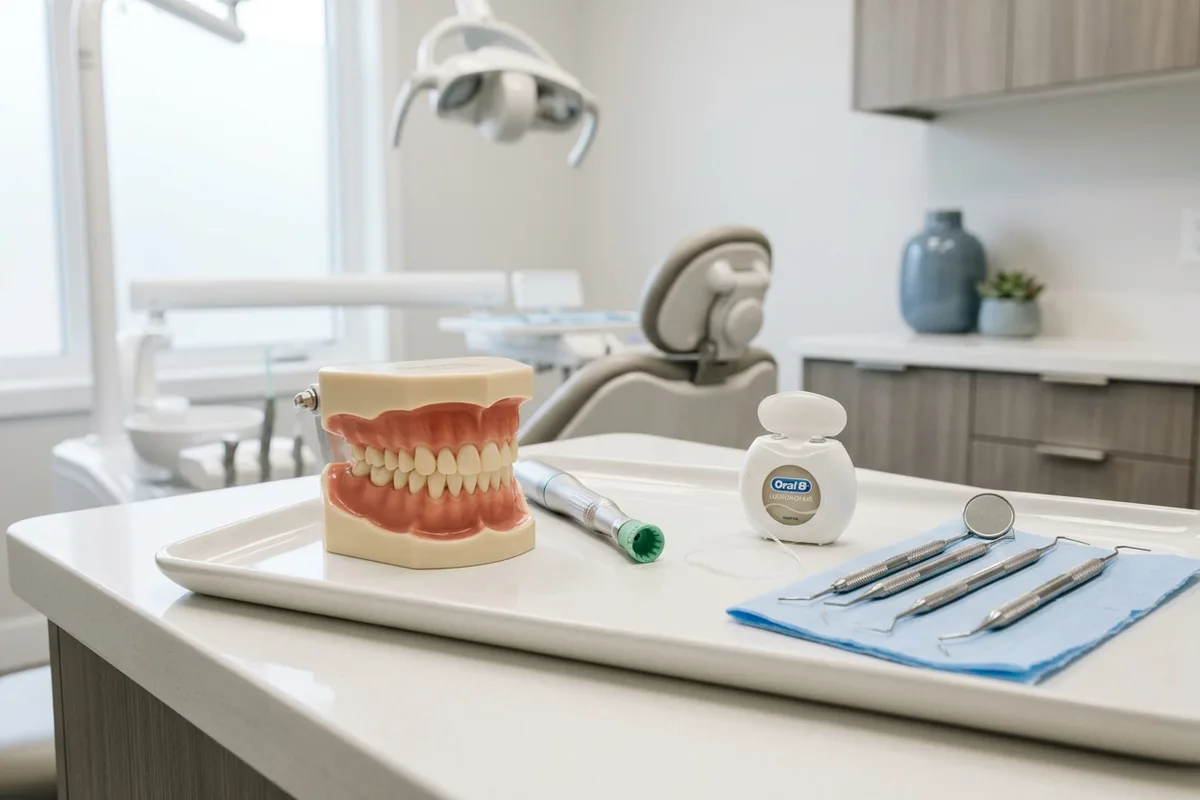
Tooth sensitivity can turn a hot coffee or a cold treat into an uncomfortable experience. Understanding why your teeth feel sensitive is the first step toward finding relief and maintaining a healthy smile.
Understanding Tooth Sensitivity and Dental Care
When you wonder why your teeth feel sensitive, the answer often lies beneath the surface of your smile. Routine exams and cleanings play a vital role in monitoring your dental health and identifying the underlying reasons for this discomfort.[1][2]
The Anatomy of a Sensitive Tooth
The visible crown of your tooth is protected by hard enamel, while the root is covered by a layer called cementum. Beneath these outer shields lies the dentin, which contains microscopic tubules. When dentin loses its protective covering, these pathways allow sensations to reach the nerves inside.[1]
The Role of Routine Dental Visits
Regular dental visits provide an opportunity to catch early changes before they cause significant discomfort. During a routine exam, a dentist can check for signs of early mineral loss or gum inflammation, helping you address potential problems before they lead to advanced decay or tissue damage.[2][3]
Common Causes of Sensitive Teeth
Several different dental conditions can compromise the protective layers of your teeth. Identifying the specific cause is essential for finding the right approach to manage the discomfort and protect your long-term oral health.[1]
Enamel Wear and Receding Gums
Worn enamel leaves the underlying dentin vulnerable to outside temperatures. Additionally, gum disease can cause your gums to recede, exposing the roots of your teeth. Because the roots lack an enamel covering, this exposure can lead to increased sensitivity when eating or drinking.[1][3]
Tooth Decay and Dental Flaws
Bacteria in your mouth metabolize sugars to produce acids that damage tooth mineral, eventually forming cavities. Advanced decay can cause sensitivity to hot, cold, or sweet items. Fractured teeth or worn fillings also create pathways for irritants to reach the sensitive inner nerves.[1][2]
Recognizing Symptoms and Knowing When to Seek Care
Paying attention to how and when your teeth react to different triggers can provide helpful clues. Discussing these specific details with a dental professional can help your dentist provide guidance for your situation.[1][2]
Tracking Your Sensitivity Triggers
You might notice discomfort when consuming hot beverages, cold treats, acidic foods, or sticky sweets. While early decay or gum inflammation can sometimes be painless, persistent or severe sensitivity should be discussed with your dentist to assess its cause.[1][2][3]
How a Dentist Evaluates Sensitive Teeth
Because sensitivity alone cannot confirm a specific dental issue, a thorough professional assessment is necessary. A dentist will review your symptoms and examine your mouth to help determine why your teeth feel sensitive.[1][2]
The Dental Examination Process
During your visit, the dentist examines your teeth for signs of decay, worn fillings, fractures, or receding gums. They may also use dental X-rays to detect decay, allowing them to recommend the most appropriate care for your specific needs.[1][2]
Approaches to Managing Tooth Sensitivity
Depending on the underlying cause, there are several ways to address sensitive teeth. A dentist can help you compare at-home products with in-office procedures to find the most effective strategy for your smile.[1]
At-Home Desensitizing Products
Desensitizing toothpaste can help block the transmission of sensation from the tooth surface to the nerve. This option typically requires several applications before you notice a difference. Your dentist can advise you on how to incorporate these products into your daily routine.[1]
In-Office Dental Treatments
If home care is insufficient, a dentist might apply a fluoride gel to strengthen your enamel and reduce sensation transmission. For sensitivity caused by decay or structural flaws, they may recommend restorative options like a filling, crown, inlay, or dental bonding to protect the tooth.[1][2]
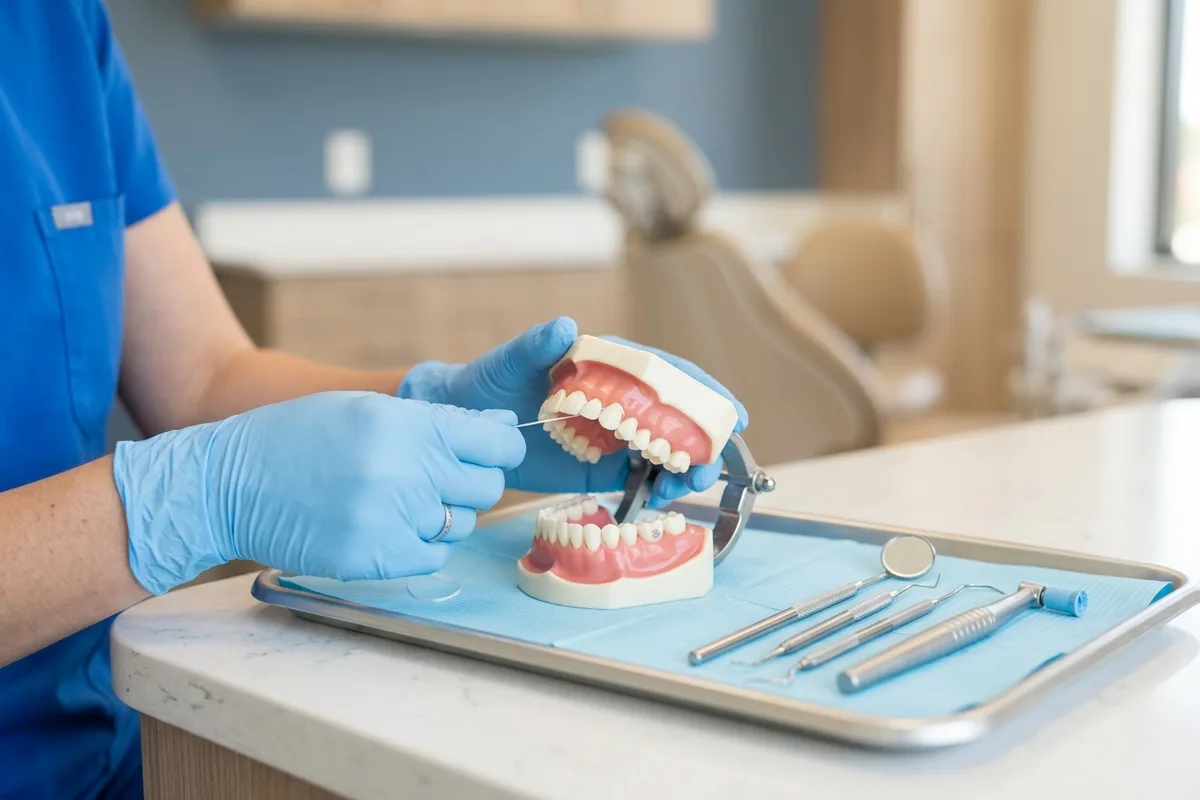
Addressing the Underlying Causes
When a specific dental condition is responsible for your discomfort, treating that issue is the primary focus. The steps involved depend entirely on whether the problem stems from early mineral loss, gum issues, or structural damage.[1][2][3]
Managing Early Decay and Gum Inflammation
If you have early tooth decay, professional fluoride applications can help reverse the initial mineral loss before a cavity forms. For early gum inflammation, known as gingivitis, a professional dental cleaning combined with improved daily brushing and flossing can often reverse the condition.[2][3]
Restoring Damaged Teeth and Gums
When a cavity has fully formed, a dentist will need to place a filling. If receding gums have exposed the tooth roots, a surgical gum graft might be necessary to replace the lost tissue covering. Severe, persistent sensitivity that does not respond to other treatment may require a root canal.[1][2]
Daily Habits to Protect Your Smile
Maintaining a healthy mouth requires consistent effort between your routine dental visits. Gentle home care and mindful dietary choices can help preserve your enamel and prevent the conditions that lead to sensitive teeth.[2][4]
Gentle Brushing Techniques
Proper brushing helps keep your teeth and gums healthy. Follow these basic guidelines for your daily oral hygiene routine:[4]
- Brush your teeth twice a day using a soft-bristled toothbrush.
- Use a fluoride toothpaste.
- Apply gentle strokes rather than scrubbing aggressively.
- Clean between your teeth daily to remove hidden plaque.
Dietary Choices and Ongoing Prevention
Bacteria in plaque feed on sugars and starches to create harmful acids. Limiting your frequent exposure to sugary or starchy foods and drinks can help reduce your risk of developing tooth decay. Regular dental checkups remain crucial for monitoring your oral health over time.[2][4]
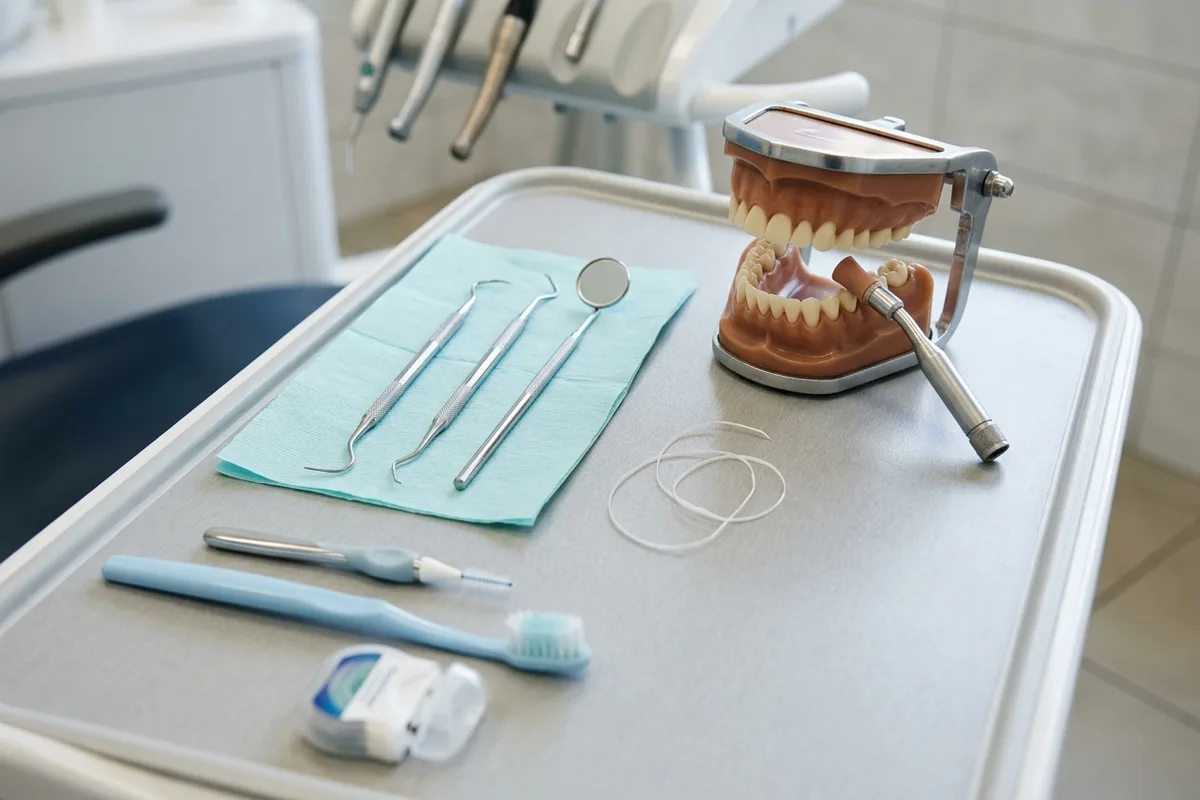
The Importance of Timely Dental Care
Ignoring persistent sensitivity can allow minor dental problems to progress into more complex issues. Seeking a professional evaluation helps you understand your oral health and take action before conditions worsen.[2][3]
The Risks of Untreated Dental Issues
Untreated tooth decay can eventually lead to pain, infection, and tooth loss. Similarly, advanced gum disease, known as periodontitis, can damage the tissues and bone supporting your teeth. Dental evaluation can help identify these conditions so they can be treated.[2][3]
Sources
- Sensitive Teeth — American Dental Association
- Tooth Decay — National Institute of Dental and Craniofacial Research
- Gum Disease — American Dental Association
- Brushing Your Teeth — American Dental Association
Common questions
Frequently asked questions
Talk with Happy Smiles at Columbia about your next step
If you are wondering why your teeth feel sensitive, schedule a routine exam at Happy Smiles at Columbia. Our team can evaluate your symptoms and help you find the right approach for a comfortable smile.
More Articles
View all Preventive & General
Does Coffee Stain Your Teeth: A Patient Guide to Teeth Whitening
If you wonder, does coffee stain your teeth, the answer is yes. Colored compounds in coffee can build up on enamel. Explore how professional cleanings and teeth whitening treatments help reduce these common surface stains.October 13, 2026 · 5 min readPreventive & GeneralHow Long After Filling Can I Eat: A Patient Guide to Dental Fillings
After receiving a dental filling, patients often wonder when it is safe to resume eating. Dentists generally advise waiting until numbness wears off before chewing to help protect your mouth.October 12, 2026 · 5 min read Preventive Dentistry